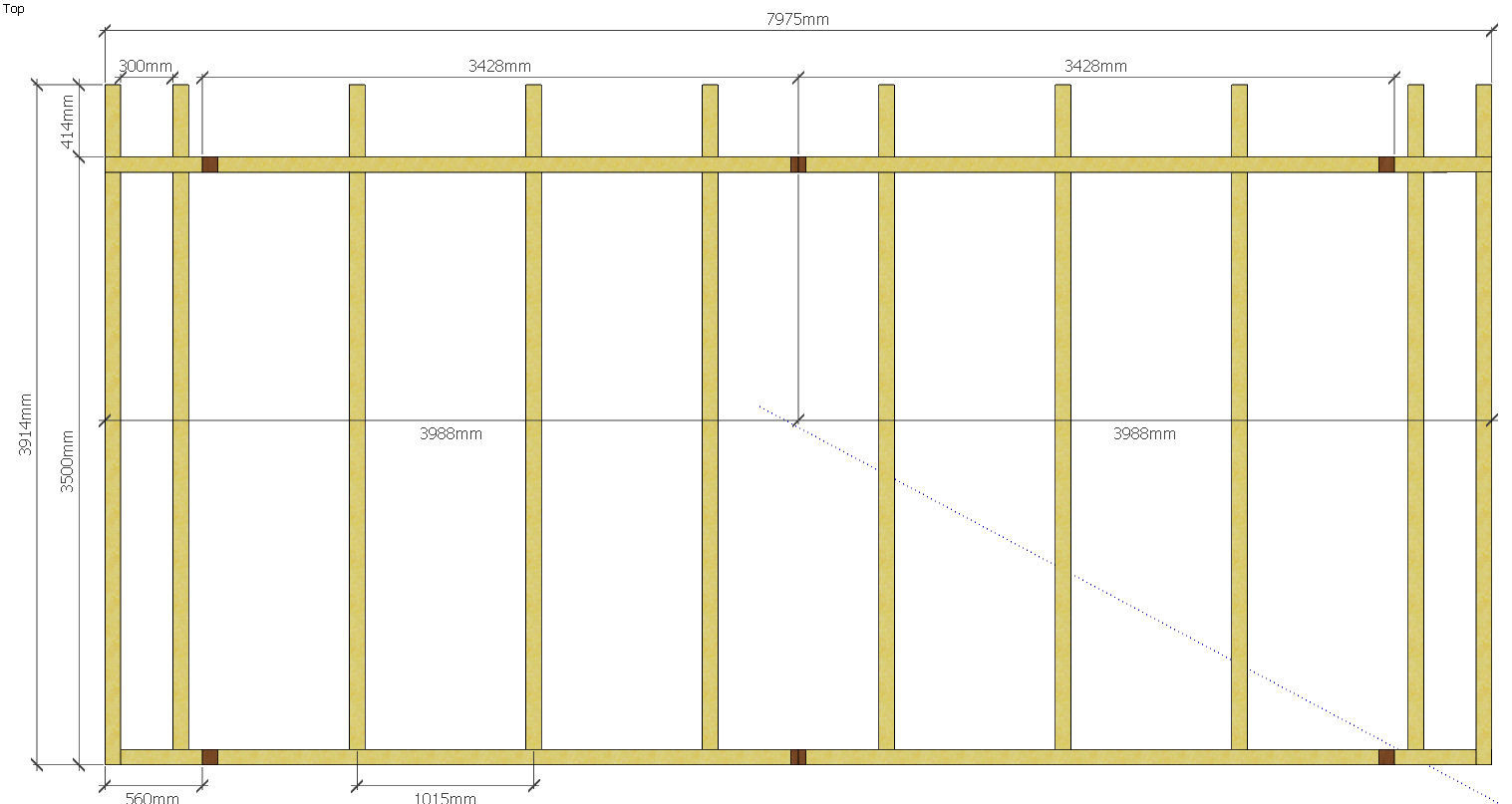
The plan is to dig the post down at least 120 cm, which should provide stability in the lateral direction.
If I don't achieve lateral stability, I'll try using iron bent at 90 degrees, attaching it to the carrying beam and the post.
If that doesn't work, I'll weld a diagonal onto the iron.
The roof will be attached at the back to the existing roof, but only to absorb the force pressing the roof against the house, i.e., not any vertical load-bearing in the existing roof.
To size the bolts, you need to know the force and any moments that come down into the connection. The bolts are then checked against shear, sufficient edge distance, control of nail plate, etc.
I mean a 45x145mm if you want planed, personally I think it looks better unplaned outdoors and therefore use the traditional measurement in inches (2x6".)
If I add one in front and one behind, the post becomes 180x90 (45+90+45)
hmmm
Thanks
a lot to think about
Normally, you combine 3 pieces of 2" studs and get a square cross-section post. Traditionally, a 4-sided 5x5" or 6x6" with chamfered corners was used for verandas.
You could also make withdrawals in the posts and screw directly with construction screws.
That's what I did in my previous canopy construction, then no visible flat irons were needed.
I'm thinking that if I use my variant with a 90-post and flat iron with bolts, I can later add rough-cut boards (think façade boards) if I want to achieve a sturdier appearance.
An additional advantage of this approach is that it becomes easier to paint.
You could also make notches in the posts and screw directly with construction screws?
That's what I did in my previous pergola build, no visible flat irons were needed.
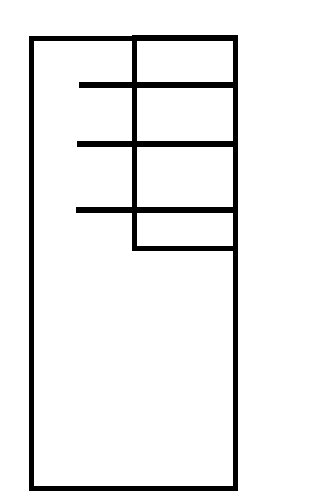
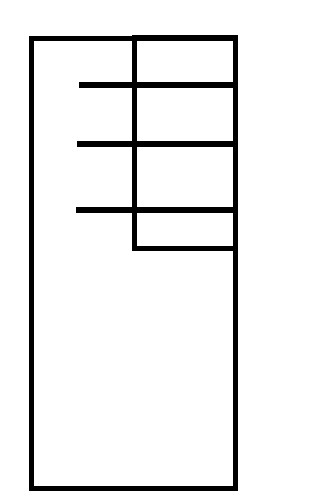
[image]
I could do that, but my load-bearing beam is 90x180, which would mean the posts would need to be 140x140. Additionally, the process of notching seems quite tricky.
Actually, I'm not so afraid of visible flat irons; they can be a good detail that gives a well-built impression.
Drill from above straight down through the ceiling beam and into the post, then fill with appropriate glue/anchor compound and insert threaded rod which you then fasten with a washer and locknut.
Click here to reply
Vi vill skicka notiser för ämnen du bevakar och händelser som berör dig.