
2,438 views ·
10 replies
2k views
10 replies
Plastered interior wall, plaster turns to powder.
Plastered interior wall in basement with Byggmax plaster mortar C.
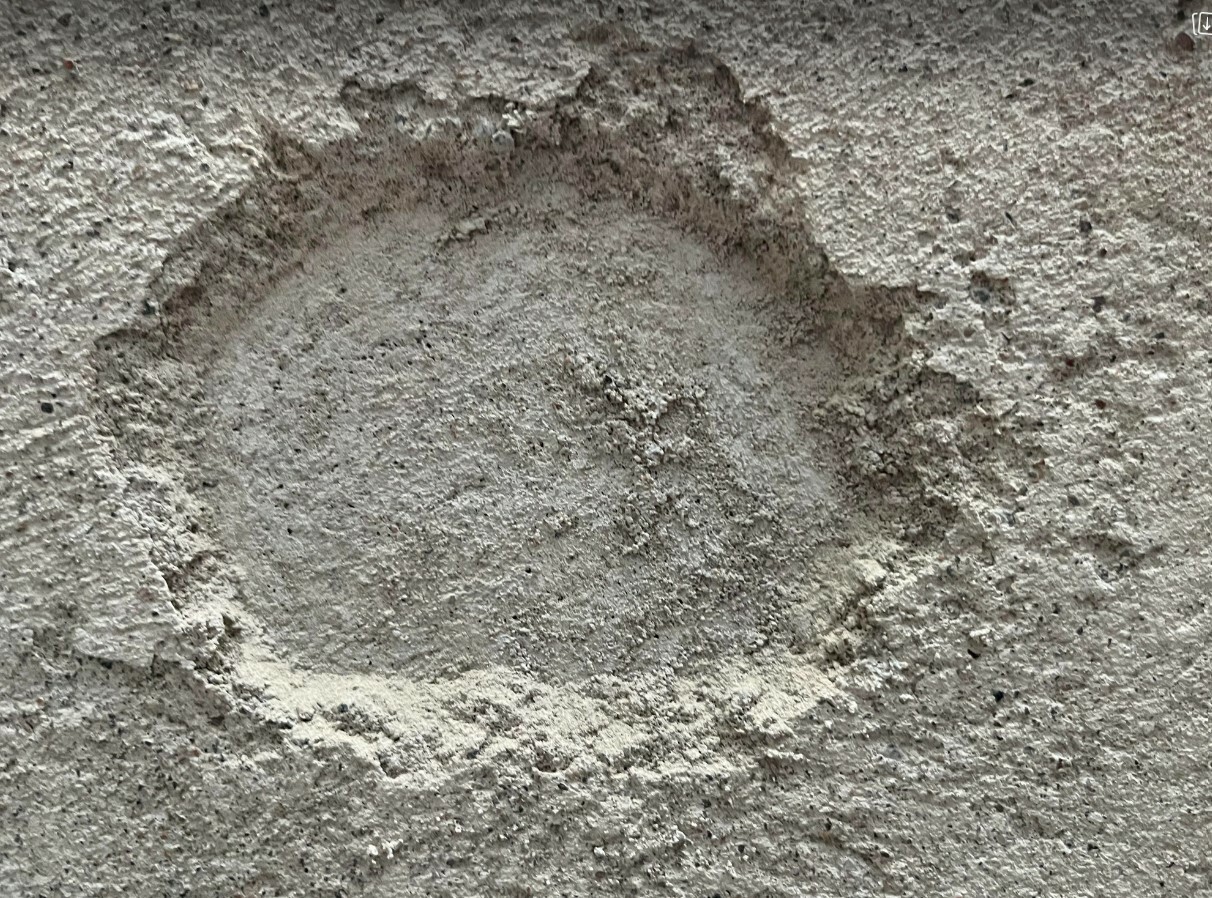
Now, after a few weeks, I have realized that in certain places the plaster has only become a thin hard outer shell, while the inside of the plaster, closest to the wall, has turned into dry gravel. I am attaching a picture of this.
Does anyone know what could be causing this? Too dry wall or could it be because I used too much water when floating the wall?
If desired, I can write how I went about plastering the wall.
Thanks in advance,
Now, after a few weeks, I have realized that in certain places the plaster has only become a thin hard outer shell, while the inside of the plaster, closest to the wall, has turned into dry gravel. I am attaching a picture of this.
Does anyone know what could be causing this? Too dry wall or could it be because I used too much water when floating the wall?
If desired, I can write how I went about plastering the wall.
Thanks in advance,

Here I am an amateur, but did you water the substrate properly? The phenomenon can occur, among other things, if the substrate absorbs all the water from the plaster before it can set. The same reason why primer is used before tiling and so on. And then it typically ends up with the layers closest to the substrate never curing.
The plaster was mixed according to the rules of the art with the help of a tombola, mixed for 10 minutes with a carefully measured amount of cold water according to the instructions.
The time until I used the plaster was less than an hour and it consists of a layer of plaster about 6mm thick.
The wall was watered with a lime brush and water beforehand, brushed with water so the wall became dark but not "puddled"
@hempularen, very possible that this is the cause.
The time until I used the plaster was less than an hour and it consists of a layer of plaster about 6mm thick.
The wall was watered with a lime brush and water beforehand, brushed with water so the wall became dark but not "puddled"
@hempularen, very possible that this is the cause.

To me, it looks like the plaster has dried rather than cured. A porous substrate that hasn't been sufficiently watered, possibly combined with a strong drying effect on the surface of the plaster.
The theory can sometimes be confirmed by taking some of the plaster that didn't turn out as it should, ensuring it's once again ground down and then mixed again. If it then continues to set, it's an indication that it dried rather than fully cured. Of course, it's not at "full speed" in the second mixing round, but the reaction is different from that of fully cured plaster, where you'd only get "wet gravel/sand" in such an attempt.
The theory can sometimes be confirmed by taking some of the plaster that didn't turn out as it should, ensuring it's once again ground down and then mixed again. If it then continues to set, it's an indication that it dried rather than fully cured. Of course, it's not at "full speed" in the second mixing round, but the reaction is different from that of fully cured plaster, where you'd only get "wet gravel/sand" in such an attempt.
@mrstack, sounds like a damn good idea!
I think there are two possible causes. Either I used too much water when felting the wall and thus accidentally washed away everything except the sand, or the wall absorbed all the water.
The test you suggest should show which of these two is the issue.
Thanks!
I think there are two possible causes. Either I used too much water when felting the wall and thus accidentally washed away everything except the sand, or the wall absorbed all the water.
The test you suggest should show which of these two is the issue.
Thanks!
It is not an exact measurement given there. It's more of a guideline.S Snoris said:
You have to "feel" if it should be more or less.
Too much water and you'll get plaster that "hangs out" from the wall, and you might not see it before the plaster comes falling down.
Last edited:
What material is the plaster base made of?
I have incredibly absorbent brick walls that need to be pre-wet the day before work begins, otherwise the plaster will fall off.
I have incredibly absorbent brick walls that need to be pre-wet the day before work begins, otherwise the plaster will fall off.
Click here to reply