
6,745 views ·
10 replies
7k views
10 replies
Plaster/paint old basement walls?

House built in 1910, old plaster coming off the "concrete" wall.
Question: How should I seal the wall layer?
I will use the basement for hobby activities and don't want a lot of particles coming off the walls. Over 10 years ago, I installed 20mm battens with gypsum boards (open at the top/bottom for air), but a lot of old plaster has come off, creating a lot of debris on the floor. Now I have removed the gypsum boards, brushed off the loose plaster, but since the old (!) "concrete" crumbles more as you brush, I can't leave it as the surface layer.
Sure, it would be nice with fine smooth-plastered walls, but I want to do the job myself and I'm not a mason. It suffices that the surface is durable so it doesn't give off crumbs/sand, but I understand that it's not just about painting with any paint, the wall needs to breathe, etc.
I would be very grateful for suggestions.
I have looked around but can't find a thread that addresses my angle on this subject.
Question: How should I seal the wall layer?
I will use the basement for hobby activities and don't want a lot of particles coming off the walls. Over 10 years ago, I installed 20mm battens with gypsum boards (open at the top/bottom for air), but a lot of old plaster has come off, creating a lot of debris on the floor. Now I have removed the gypsum boards, brushed off the loose plaster, but since the old (!) "concrete" crumbles more as you brush, I can't leave it as the surface layer.
Sure, it would be nice with fine smooth-plastered walls, but I want to do the job myself and I'm not a mason. It suffices that the surface is durable so it doesn't give off crumbs/sand, but I understand that it's not just about painting with any paint, the wall needs to breathe, etc.
I would be very grateful for suggestions.
I have looked around but can't find a thread that addresses my angle on this subject.
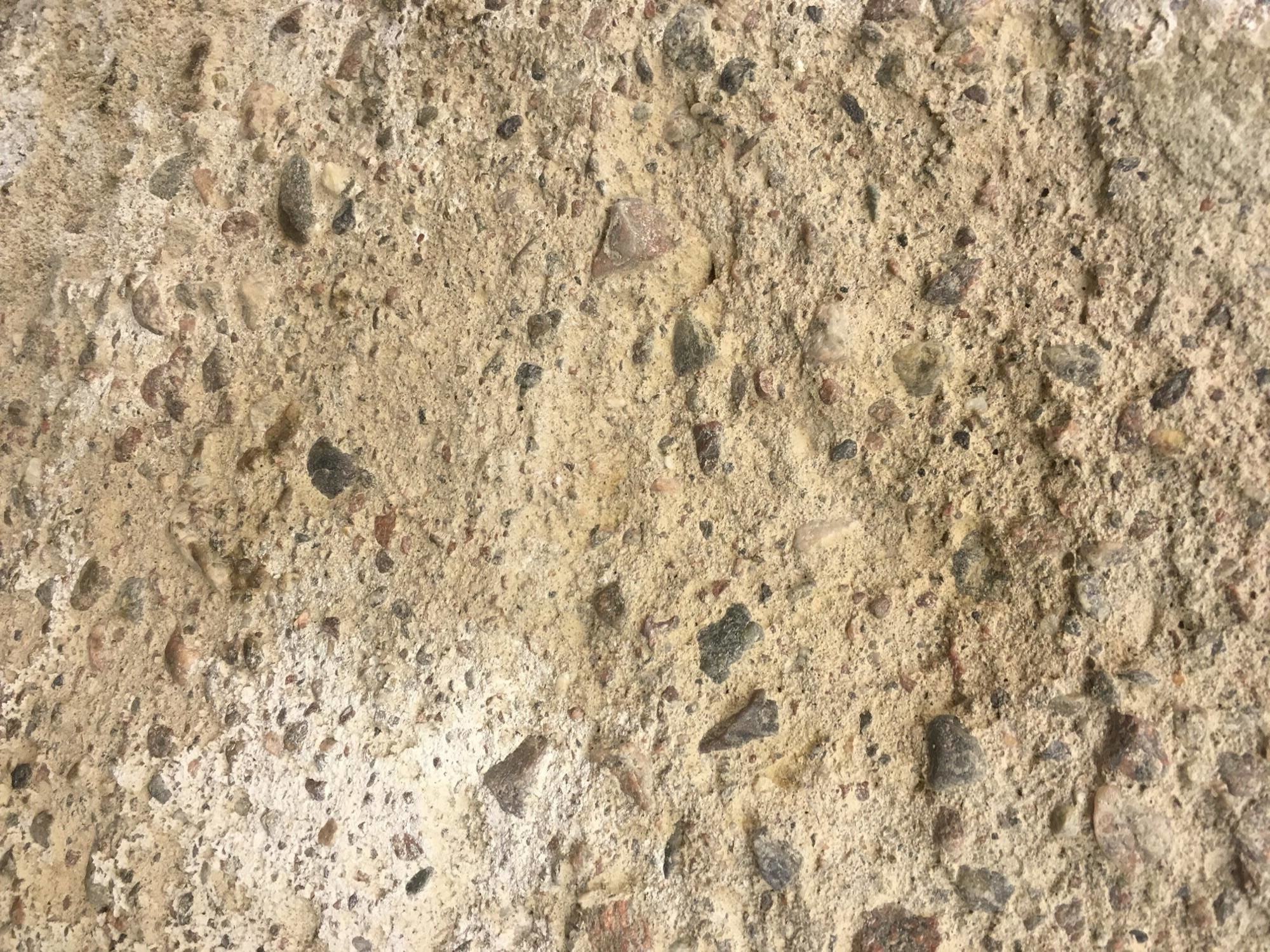


The plaster is probably coming loose because the wall is damp. If you paint or plaster the wall, it will soon peel again if you don't do something about the drainage.
Well, the wall in the picture is against the pillar in the middle of the house (the house has a 2m wide U-shaped corridor basement around a central pillar. It is bone dry inside/on top of the pillar.
I understand what you mean but don't think it feels like that's the case.
The plaster that is coming off is very old.
I understand what you mean but don't think it feels like that's the case.
The plaster that is coming off is very old.
Ok! I hadn't realized it wasn't an outer wall. Then it's probably just old plaster. I would have used C-bruk and then painted with silicate paint.
However, it is quite easy to check moisture with a moisture meter and it might be worth the effort to prevent it from coming loose again.
The important thing is that the material allows moisture to pass through. But with plastic paints, the moisture gets trapped behind, which can lead to mold and the paint peeling off. I have used c-bruk and silicate paint in a basement, and it works well. All basements have some moisture, which is why the materials used there are important.
Prime the wall with a bucket and foundation mixture containing water glass first before doing anything else, this binds the wall and all the loose material. Use a garden sprayer and apply generously until the wall is saturated. Let it dry out. Then you can fill in irregularities with C mortar; I personally mix in tile adhesive for better bonding and flexibility, which I brush on to achieve a nice and even surface, then paint with silicate paint.
Agree with priming beforehand. It's important to tap/brush away anything that's loose before you prime. I found that a coarse steel brush was a good tool.
I always use a piassava broom before a soft broom to get rid of the last loose dust, and it has worked perfectly every time. I have only used a steel brush when I wanted to tear up the back of old paint. And when that hasn't worked, I bring out the sander.
In my case, it's a mix of areas where the plaster remains and is hard and areas where it has completely detached, but I don't want to remove everything, what is holding well can stay.
I will prime properly and then use C-bruk as you say. It's important to use a natural color that breathes, I guess.
I will prime properly and then use C-bruk as you say. It's important to use a natural color that breathes, I guess.
Click here to reply