
9,353 views ·
46 replies
9k views
46 replies
Panel directly on tretex?
Hi, I have a house from 1950 with Tretex ceiling panels that I would like to replace with either paneling or drywall. Behind the Tretex, there is raw wood sheathing, and then the cold attic with wood shavings insulation. So there's no plastic in this house. It's likely that there might be windproof paper behind the Tretex.
I have 2 questions:
Can you install paneling directly on the Tretex?
If you remove the Tretex, should you not add any plastic if it wasn't in the house originally? Instead, could you add some windproof paper as a barrier and then the paneling?
I have 2 questions:
Can you install paneling directly on the Tretex?
If you remove the Tretex, should you not add any plastic if it wasn't in the house originally? Instead, could you add some windproof paper as a barrier and then the paneling?
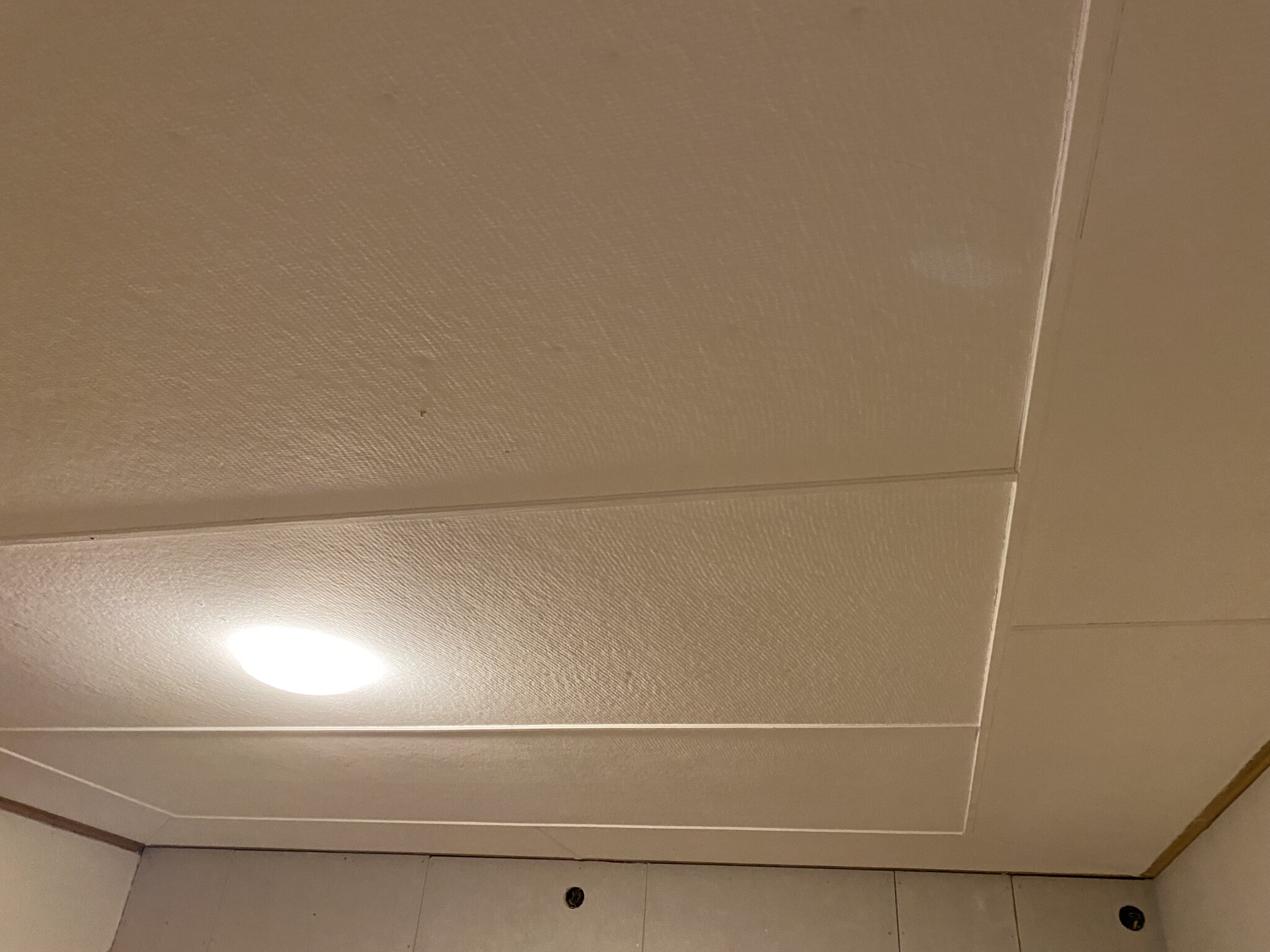
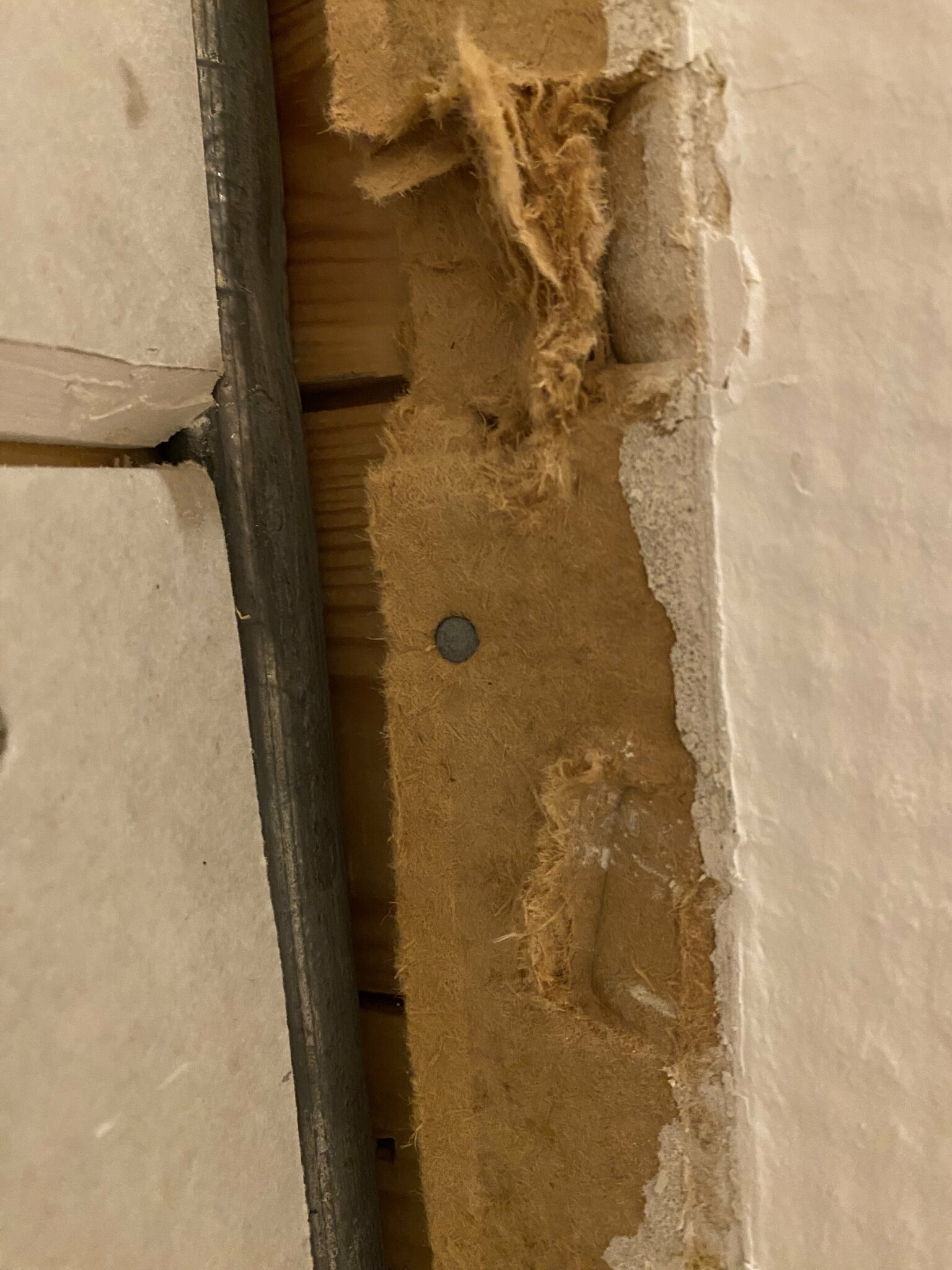
What is a small problem? Is it a growing problem?
I removed the inner ceiling and placed a vapor barrier directly on the raw wood. But then I ran new electricity and added new battens and then beadboard. No tretex in my ceiling.
I think that tretex is wood fiber and therefore comparable to wood shavings that you have as insulation. I can't imagine that it would hurt to put the vapor barrier on tretex. I would have stapled it onto tretex without hesitation, but it might be possible to find more info on this or maybe someone with more knowledge can chime in here
I removed the inner ceiling and placed a vapor barrier directly on the raw wood. But then I ran new electricity and added new battens and then beadboard. No tretex in my ceiling.
I think that tretex is wood fiber and therefore comparable to wood shavings that you have as insulation. I can't imagine that it would hurt to put the vapor barrier on tretex. I would have stapled it onto tretex without hesitation, but it might be possible to find more info on this or maybe someone with more knowledge can chime in here
Looks like black raw plank under the toilet, but it was renovated a few years ago, so I suspect it might be an old damageDenniis said:
What is a small problem? Is it a growing problem?
I have removed the inner ceiling and placed a vapor barrier directly on the raw plank. But then I have installed new electricity, added a new sparse panel, and then beadboard. No tretex in my ceiling.
I think that tretex is wood fiber and therefore comparable to wood chips which you have as insulation. I can't imagine it would harm to place the vapor barrier on tretex. I would have stapled it onto tretex without hesitation, but maybe it's possible to find more info on this or someone with more knowledge might chime in here
You can take a knife and scrape a little on the raw boards. If it's just a little black on the surface and you uncover fresh wood underneath, it's no problem. Just keep an eye on it to make sure it doesn't continue to grow. Most likely, you have better ventilation from the bathroom if you've renovated it, so no more measures are needed. But if it continues, I would get help from a ventilation company to get assistance based on the specific conditions of your houseE Emonil said:
What I've read and gathered from friends (carpenters) is that you shouldn't incorporate plastic in old houses that aren't completely sealed at the foundation, especially if you have a cold attic or if the house isn't heated all year round. Since plastic does not allow any moisture to pass through in the same way as a vapor barrier, it can prevent old houses from drying out. Since we have wood chips as insulation, which can get wet occasionally, I was advised to install a vapor barrier. As I said, I'm not an expert, just trying to share what I have learned.K karlmb said:
I would argue that it's superstitious after all. Not everything invented after 1900 is rubbish that doesn't belong in old houses.From what I have read and heard from friends (carpenters), you shouldn't incorporate plastic in old houses that aren't completely sealed at the foundation, especially if you have an unheated attic or if the house isn't heated all year round. Since plastic doesn't allow any moisture to pass through in the same way as a vapor barrier, it can prevent old houses from drying out. Since we have wood chips as insulation, which can get moist occasionally, I was advised to install a vapor barrier.
As I said, I am no expert and I'm just trying to share what I've learned
Avoid overpressure in the house, good ventilation is moisture's enemy. The most important thing is to stop air movement, so building foil or wind protection works well in the ceiling, plastic or not. With the sparsely insulated walls and ceilings of the fifties (under 200mm), normal moisture can dry out in both directions in a house that is not left cold and has normal heating.
In what way is it superstition?K karlmb said:
Otherwise, I completely agree with you, I am happy to use more modern things and am not a traditionalist who refuses the new.
Plastic probably works just as well in many cases, but if you're a little unsure, I still think a vapor barrier is better so no moisture risks getting trapped.
Okay, so a little vapor barrier can't hurt? I was thinking of reinsulating because I have a bit of an ugly problem in the attic, there's only windproof paper there, thinking of reinsulating and putting a vapor barrier instead in the attic?BigR said:
Avoid overpressure in the house, good ventilation is moisture's enemy. The most important thing is to stop air movement, so building foil or wind protection works well in the ceiling, plastic or not. With the fifties' sparsely insulated (under 200mm) walls and ceilings, normal moisture can dry out in both directions in a house that is not left cold and has normal heating.