1,288 views ·
45 replies
1k views
45 replies
Open up parts of load-bearing structure
Yes, I work as a structural engineerA Alexandra Nilsson1 said:
 .
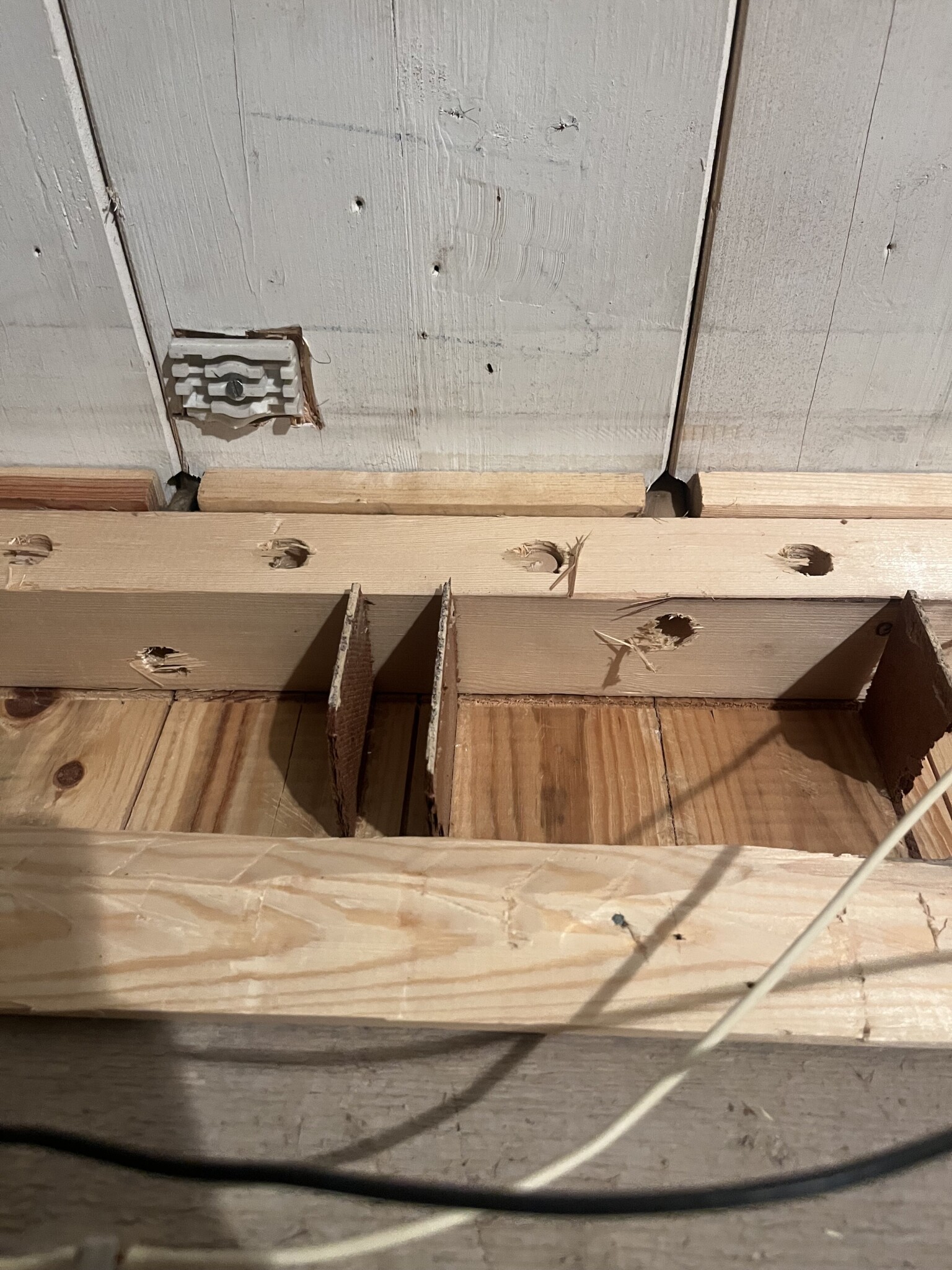
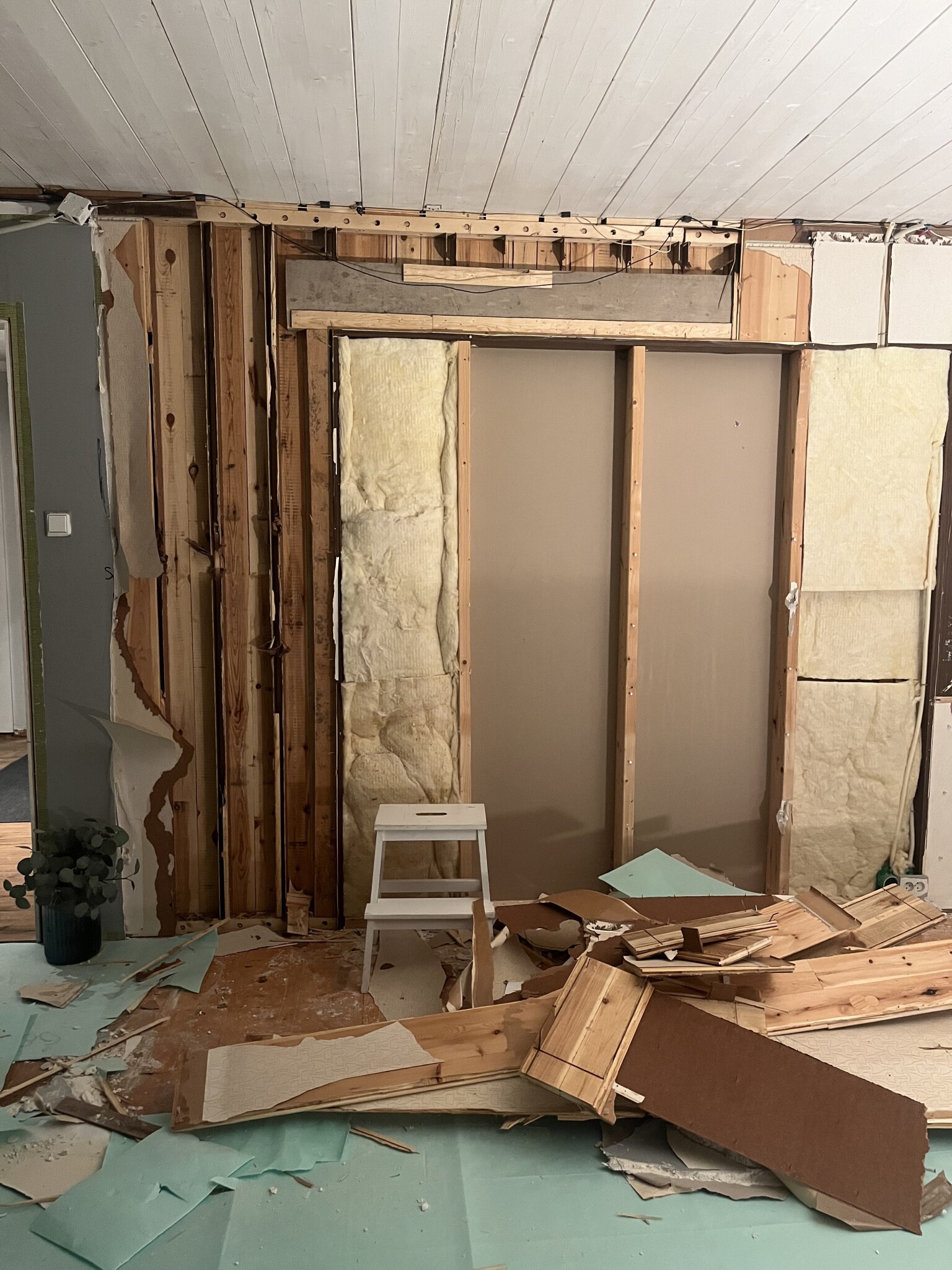
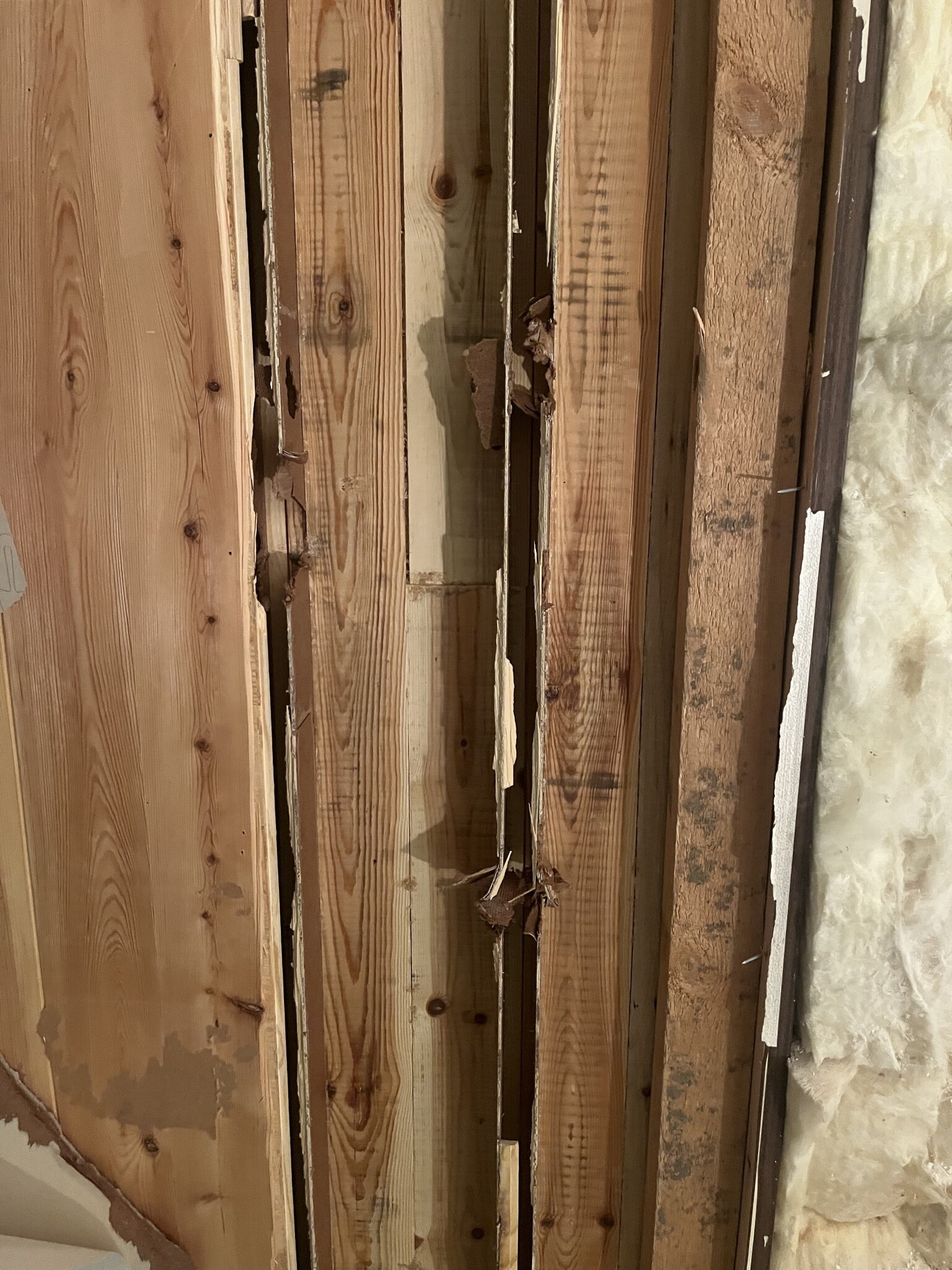
.If you take a couple of pictures in the hole, it will be easier to determine if the wall is actually load-bearing or not. (assumed it was). If you have the construction drawings, it will be easier to determine if the wall is actually load-bearing.

But the "brown" part looks like there has been an opening right there before.
Then a load-bearing wall doesn't need to have a 'beam'.
I have built load-bearing walls with regular studs.
Admittedly, the wall had vertical studs at 45cc, noggings in between, and then the beam consisted of two studs with a 90-degree rotation between each other.
Also, just because the wall goes along the house doesn't mean it's load-bearing. Load-bearing also depends on the roof truss construction, span, load, and where on the width of the house the wall is. It might be another longitudinal wall that is load-bearing, or it could be spread across several walls.
Then a load-bearing wall doesn't need to have a 'beam'.
I have built load-bearing walls with regular studs.
Admittedly, the wall had vertical studs at 45cc, noggings in between, and then the beam consisted of two studs with a 90-degree rotation between each other.
Also, just because the wall goes along the house doesn't mean it's load-bearing. Load-bearing also depends on the roof truss construction, span, load, and where on the width of the house the wall is. It might be another longitudinal wall that is load-bearing, or it could be spread across several walls.
Yes, I have spoken with the previous owner of the house and the brown part there (which is decorative vinyl 😅) is a previous opening, so just there, it isn't load-bearing. That's what I'm thinking.P PappasHammare said:But the "brown" looks like there was an opening right there previously.
A load-bearing wall doesn't necessarily need a 'beam'.
I've built load-bearing walls with regular studs.
Granted, the wall had vertical studs at 45cc, noggins in between, and then the wall plate consisted of two studs with a 90-degree rotation between each other.
Just because the wall runs along the house doesn't necessarily mean it's load-bearing. Load-bearing also depends on the roof truss construction, span, load, and where on the width of the house the wall is. Perhaps it's another longitudinal wall that's load-bearing or it's distributed across several walls.
Don't discourage Alexandra by exaggerating this.BirgitS said:
If the opening is to be made wider, a new stronger beam and new pillars are needed. To get the right dimensions for them, a structural engineer needs to do calculations based on snow zone, roof structure, roofing, weight from above, etc.
The fact that an opening is no longer needed elsewhere on the wall does not affect this.
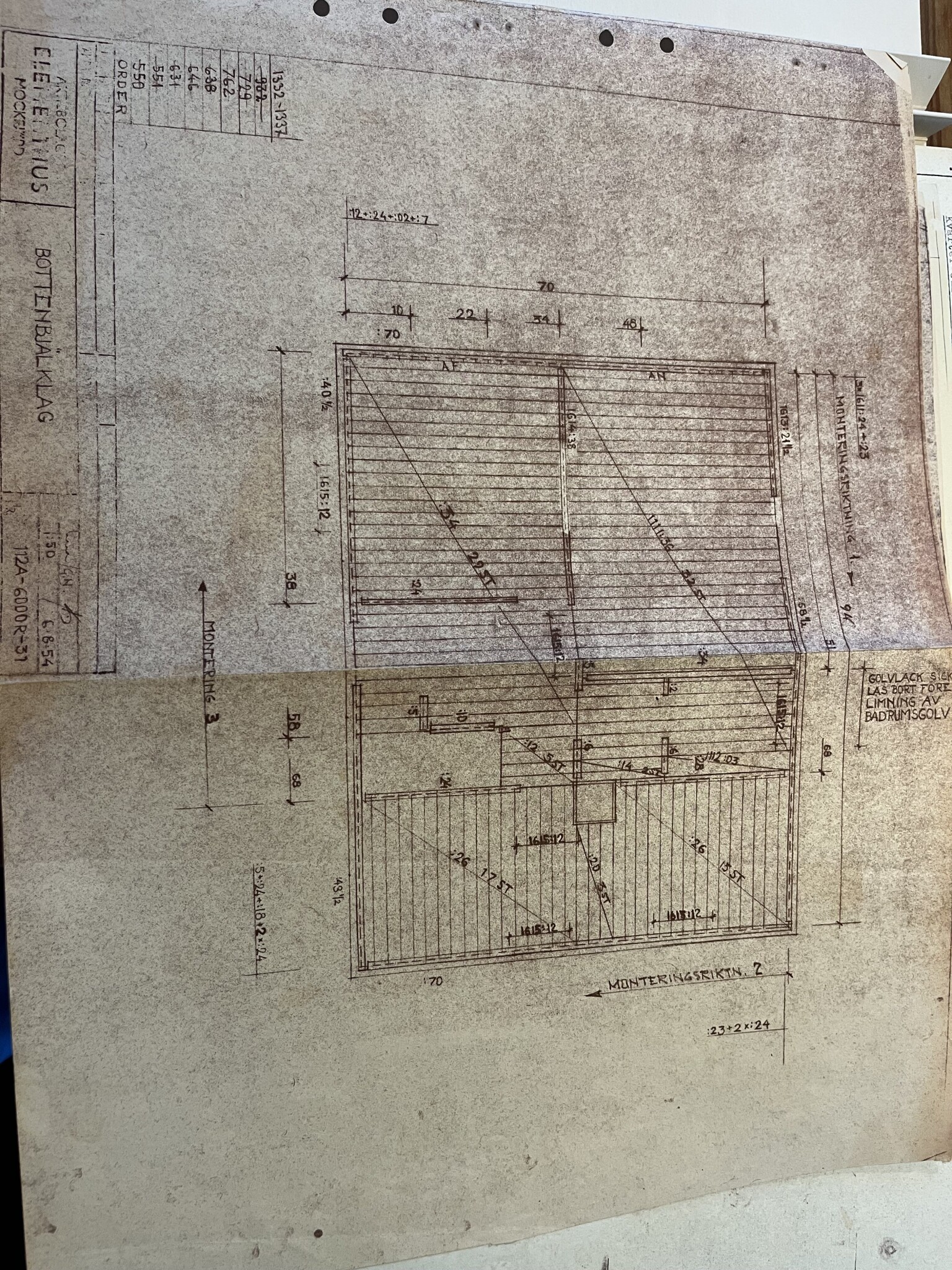
Thanks, now I was closely examining the drawing and couldn't match it with how our entrance floor is built. It’s above the basement we are going to tear down 😅 However, unfortunately, I can't find such documents about the walls on the entrance floorJ Jansson69 said:
Remove the drawing from the post as it is irrelevant for your wall.A Alexandra Nilsson1 said:
For wall no:2 is load-bearing for your floor, so I suspect that you have self-supporting roof trusses on the entrance floor, and then the wall you are demolishing is not load-bearing.
Wall no. 2, which one do you mean then?J Jansson69 said:
Here are other drawings I found
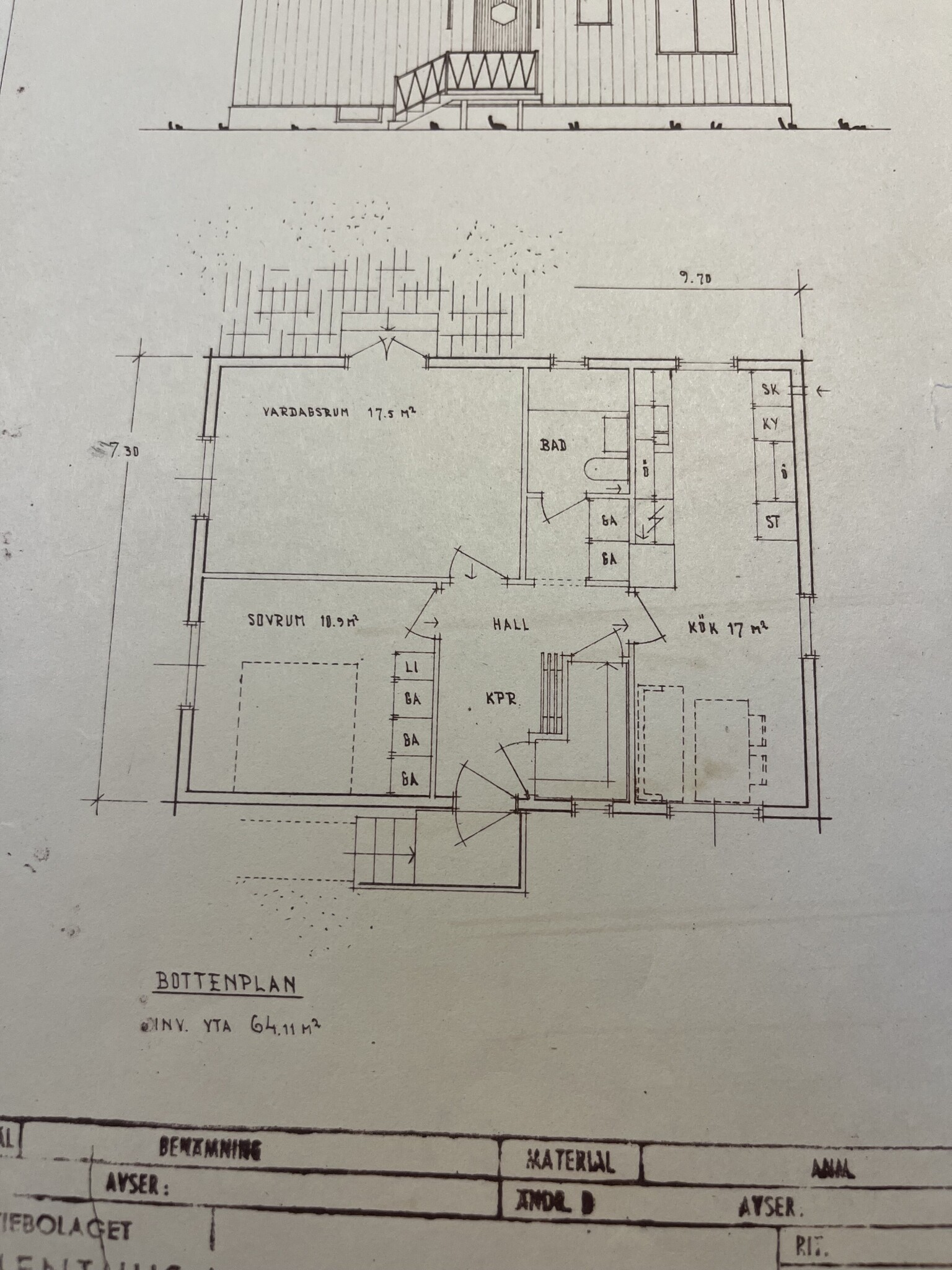
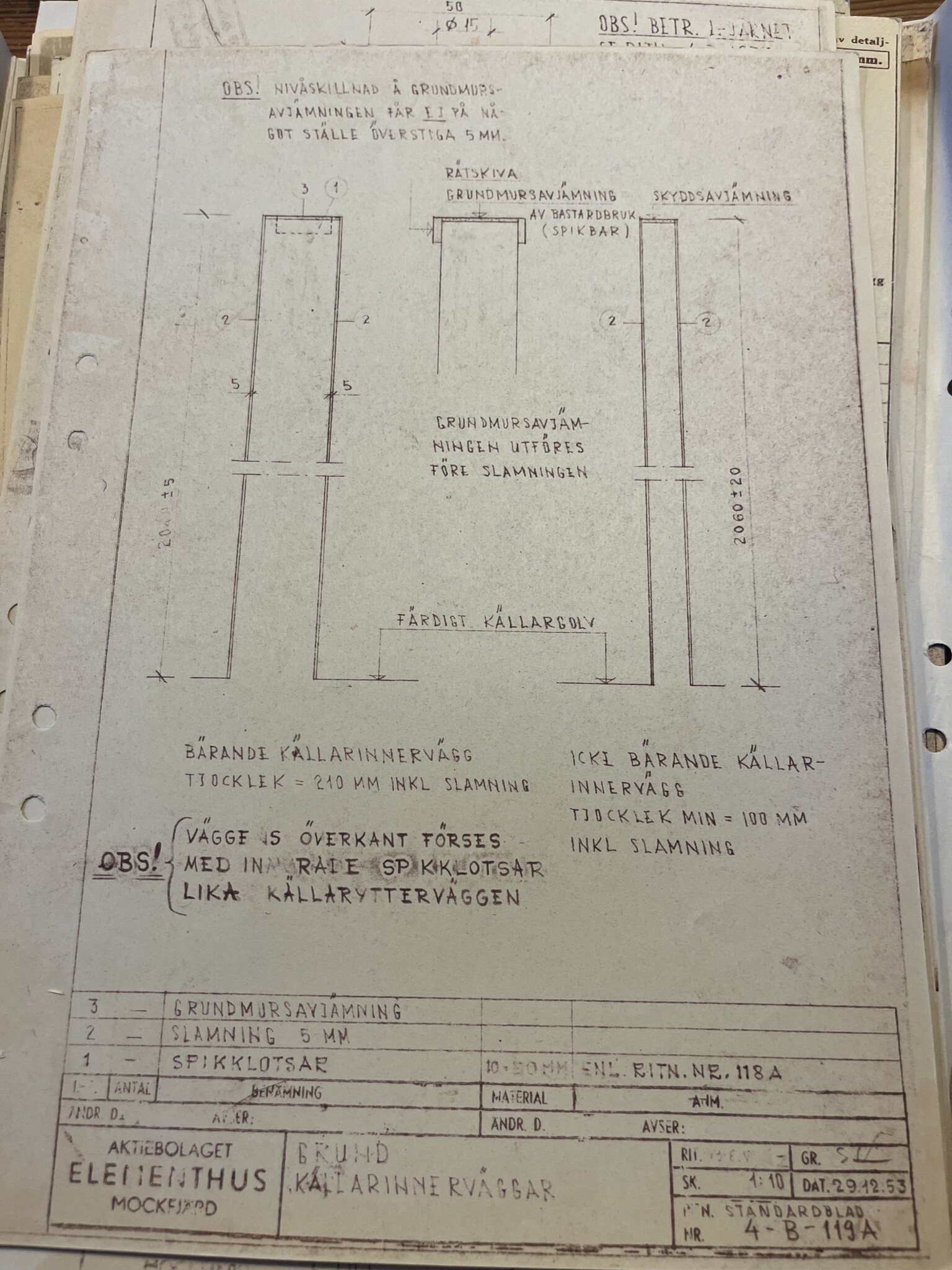
We have opened up a bit more now.
We have opened up a bit more now. What I thought was a beam rests on studs, but I don't understand how it relates to the roof. On the other hand, my education is in social and not construction 😅 so what do I know…K K0nstruktören said: