
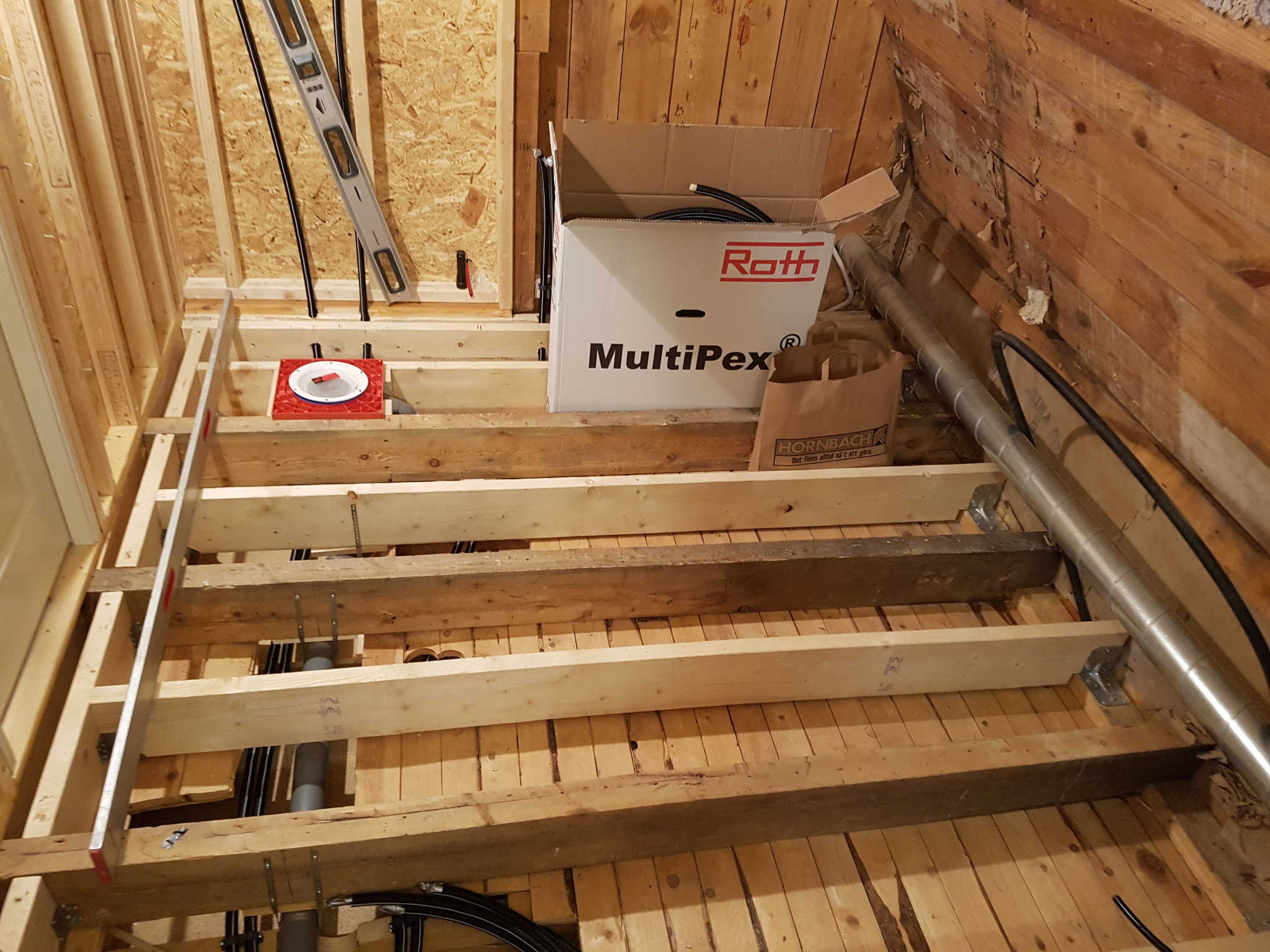

Use a bevel gauge and saw according to that angle, sure it's more work but you'll get a better result. If the gap isn't too large, use something like hardboard as a filler where it gaps the most. If you offset the noggings and screw through the beam, you'll still have a good fastening if it doesn't gap too much. You can also plane the beam so that it's smooth where the nogging should sit, but that feels a bit over the top.
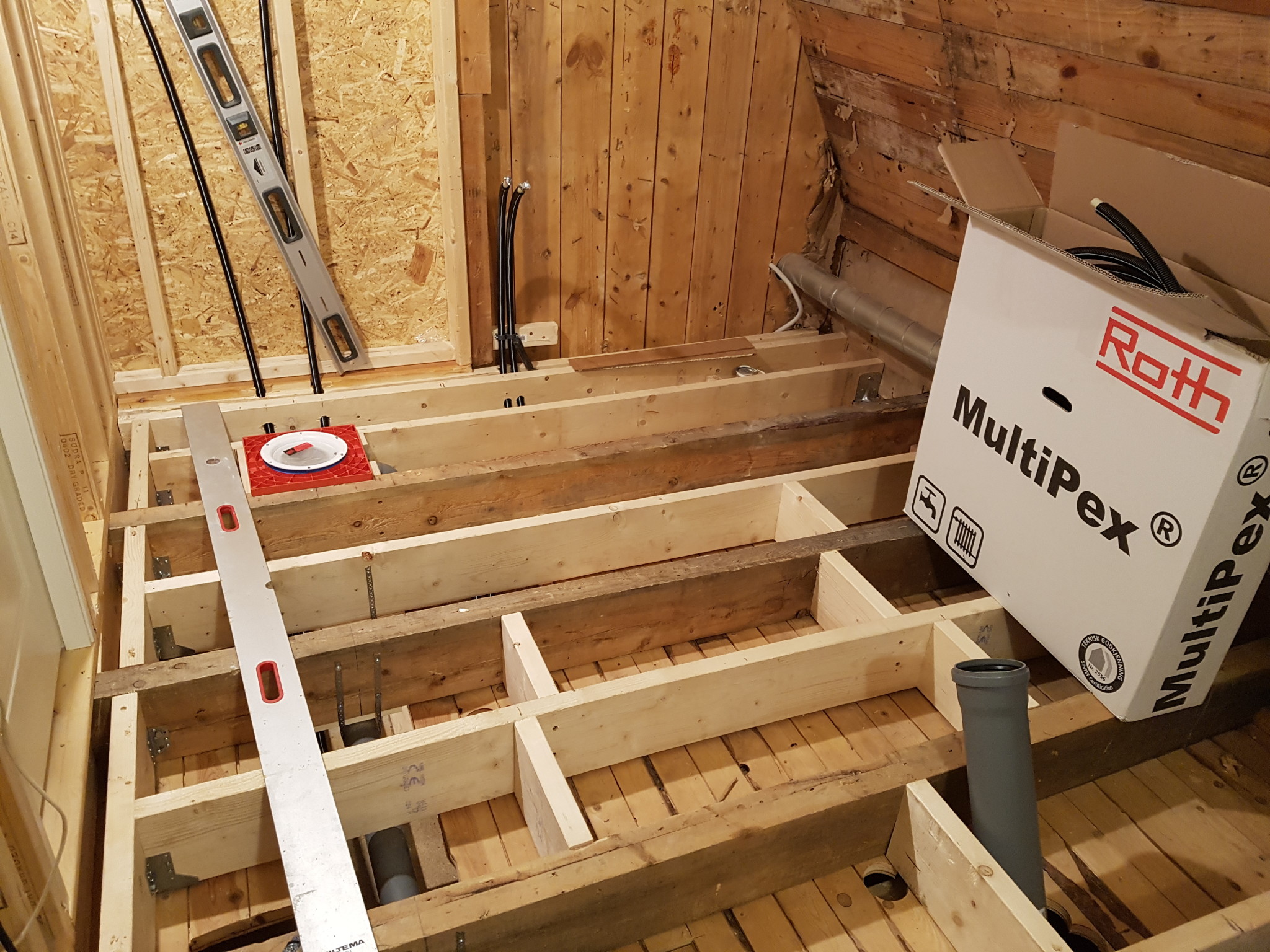

You have absolutely not done any work in vain, but the blocking has no function when it comes to the floor's deflection, whereas the number of beams does. The blocking can affect the bounce by distributing a point load over more beams, but you're already on the safe side there, mainly due to the short span.

No. One is a dynamic phenomenon and the other is a static phenomenon. Deflection is the result of the total load on the floor. A uniformly distributed load is assumed when calculating deflection. Bounce is when a person walks and stands at the most sensitive spot, i.e., constitutes a point load. Bounce problems mainly occur with large spans.
Click here to reply