
1,904 views ·
18 replies
2k views
18 replies
NO installation layer, sucking in cold air through device boxes...
Hello!
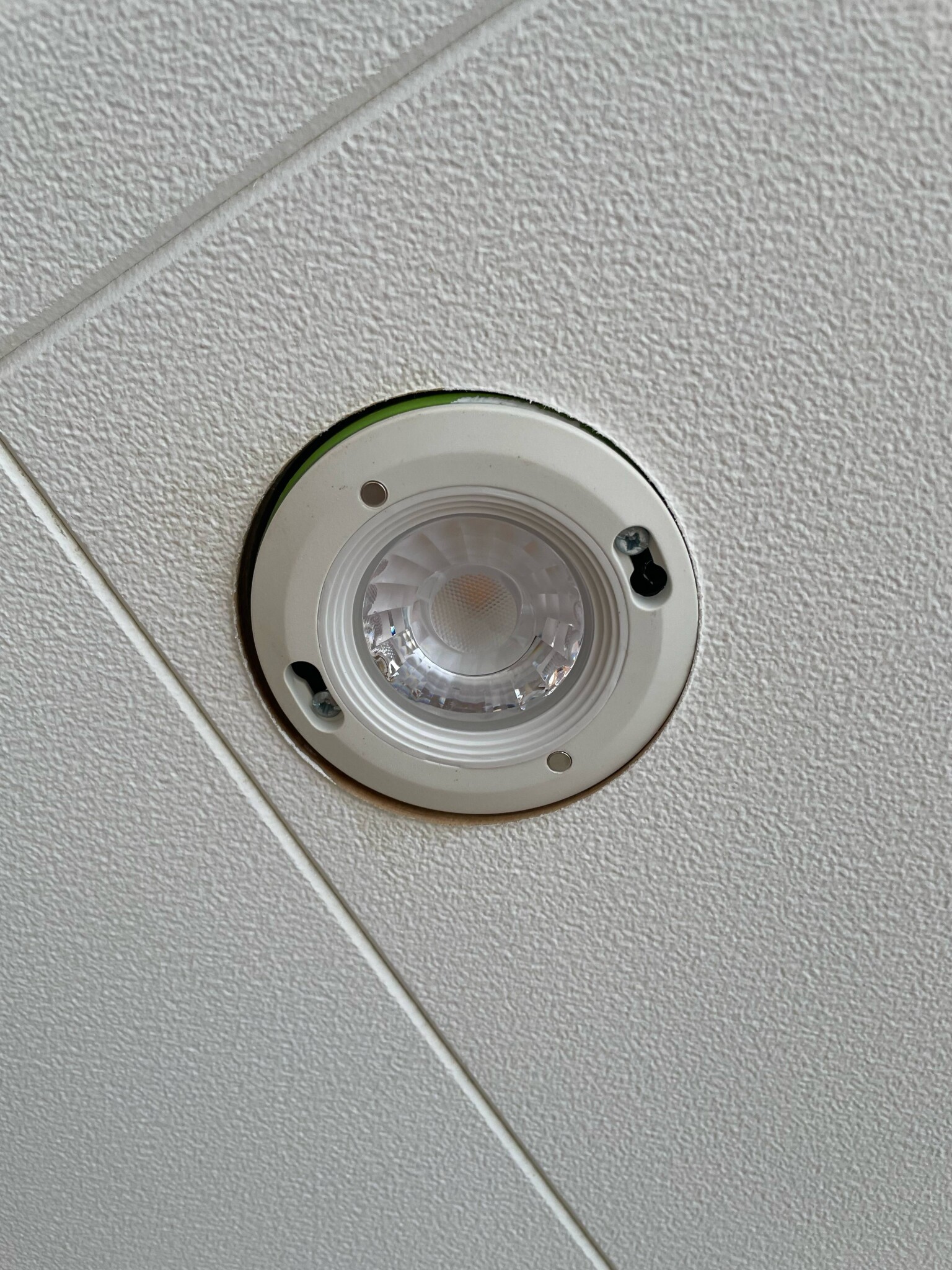
We have a ceiling that lacks an installation layer, and all the LED lights (junction boxes) in the ceiling have made holes in the vapor barrier.
As a result, cold air is now being sucked in through the junction boxes.
Is there a smart way to prevent this without tearing down the entire ceiling and installing an installation layer? It goes straight through the boxes...
I have drawn a picture that I hope explains how the installation behind the drywall looks.
NOTE! Currently, you can only see the LED lights
Thank you so much for the help!
We have a ceiling that lacks an installation layer, and all the LED lights (junction boxes) in the ceiling have made holes in the vapor barrier.
As a result, cold air is now being sucked in through the junction boxes.
Is there a smart way to prevent this without tearing down the entire ceiling and installing an installation layer? It goes straight through the boxes...
I have drawn a picture that I hope explains how the installation behind the drywall looks.
NOTE! Currently, you can only see the LED lights
Thank you so much for the help!

Last edited:

Are the connections on the ceiling box open that are not used by any pipe/hose? If so, they should be covered with something like electrical tape. You can also tape the outside of the box so there are no openings against the plastic.
Thanks, but right now you can only see the LED lights. Please take a look at the new picture I uploaded...J Josth said:
I can't really get to the back. Do you mean this can be done without tearing down the wall?
Maybe if you can push rock wool into the holes as air insulation.
Last edited:

No, that picture of the boxes isn't mine. It's just a borrowed picture that I've edited to show approximately what the backside looks like. On ours, they had put a membrane for a vapor barrier. So it's sealed all around.useless said:
The air comes directly through the device box instead.
If cold air is being drawn in that way, it sounds like you have insufficient supply of incoming air in the house.
But the easiest way should be through the vents. You might have too much exhaust air, leading to negative pressure.
The air is probably coming through studs that don't have any tubing. Try putting some packed insulation or similar material in the holes where there are no wires entering the box. If air is coming through the same hole as the wires, then something is incorrectly installed...B berteriksson said:


Is it really approved by the manufacturer to put LED spotlights in junction boxes? Normally, you have significantly larger pots above the ceiling to provide sufficient cooling even for LEDs, despite them giving off less heat than equivalent halogen.
What? Isn't it crystal clear?J Josth said:
"The fixture is approved for mounting against normally flammable material and directly against insulation."
"The fixture should under no circumstances be covered with insulation."
"Suitable for direct mounting on normally flammable surface and covering with thermally insulating material"