
11,939 views ·
12 replies
12k views
12 replies
Nasty pungent smell at entrance
Hello!
I have a dilemma that I would like to bring up with you. The thing is, my partner and I bought a house with access starting September 11th this year. The house was built in 1976, and we had 2 inspectors on site, both of whom stated what good condition the house is in. No smell was present during the inspection.
We have gone through obvious risks such as having a basement that needs to be re-drained, concrete floors without capillary breaking layers, self-ventilating attics, etc. We are aware of these risks.
Something that is not mentioned in the report and that we have become aware of later is that during this period it was common with pressure-treated studs, joists, frames, and so on.
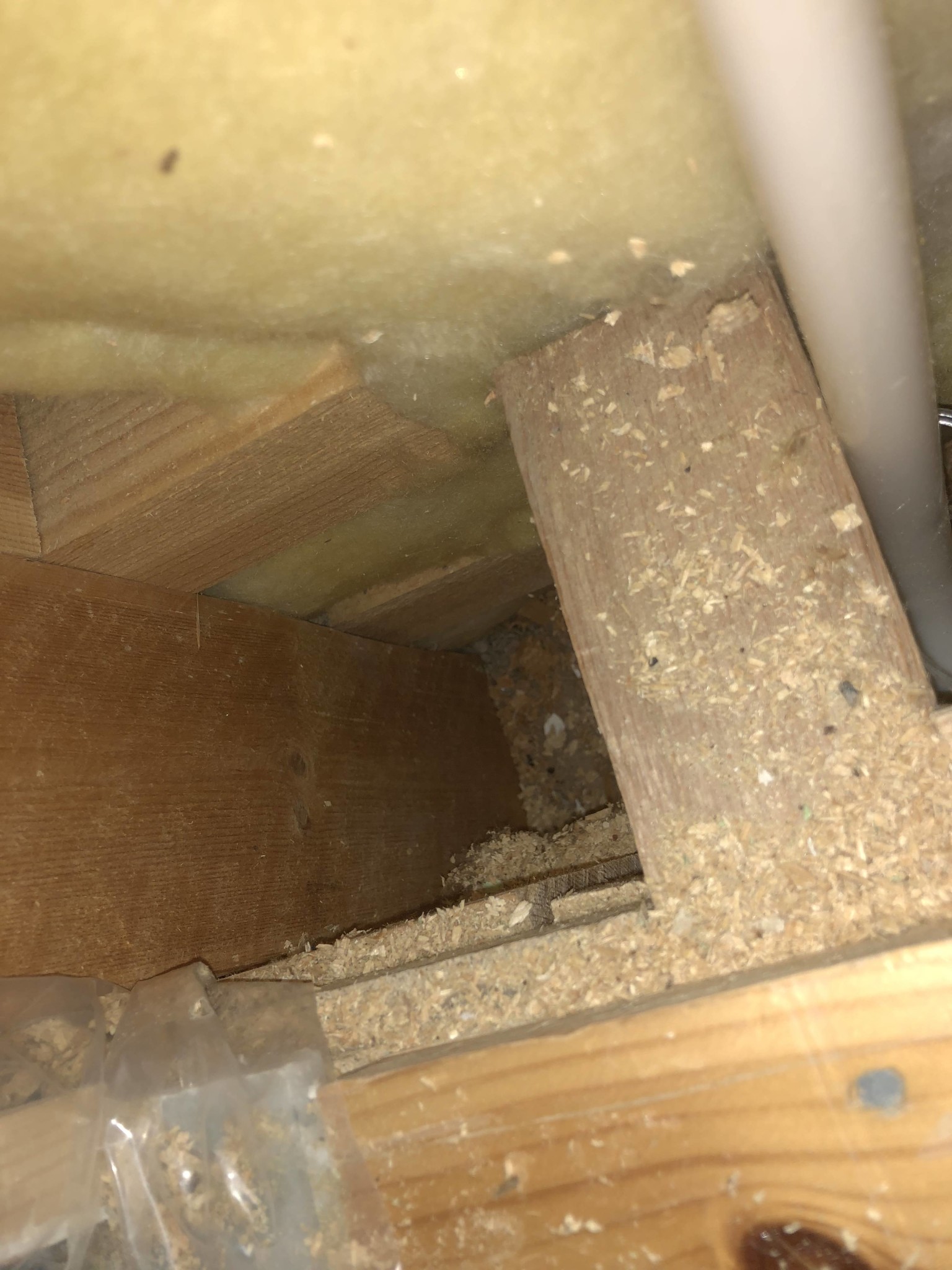
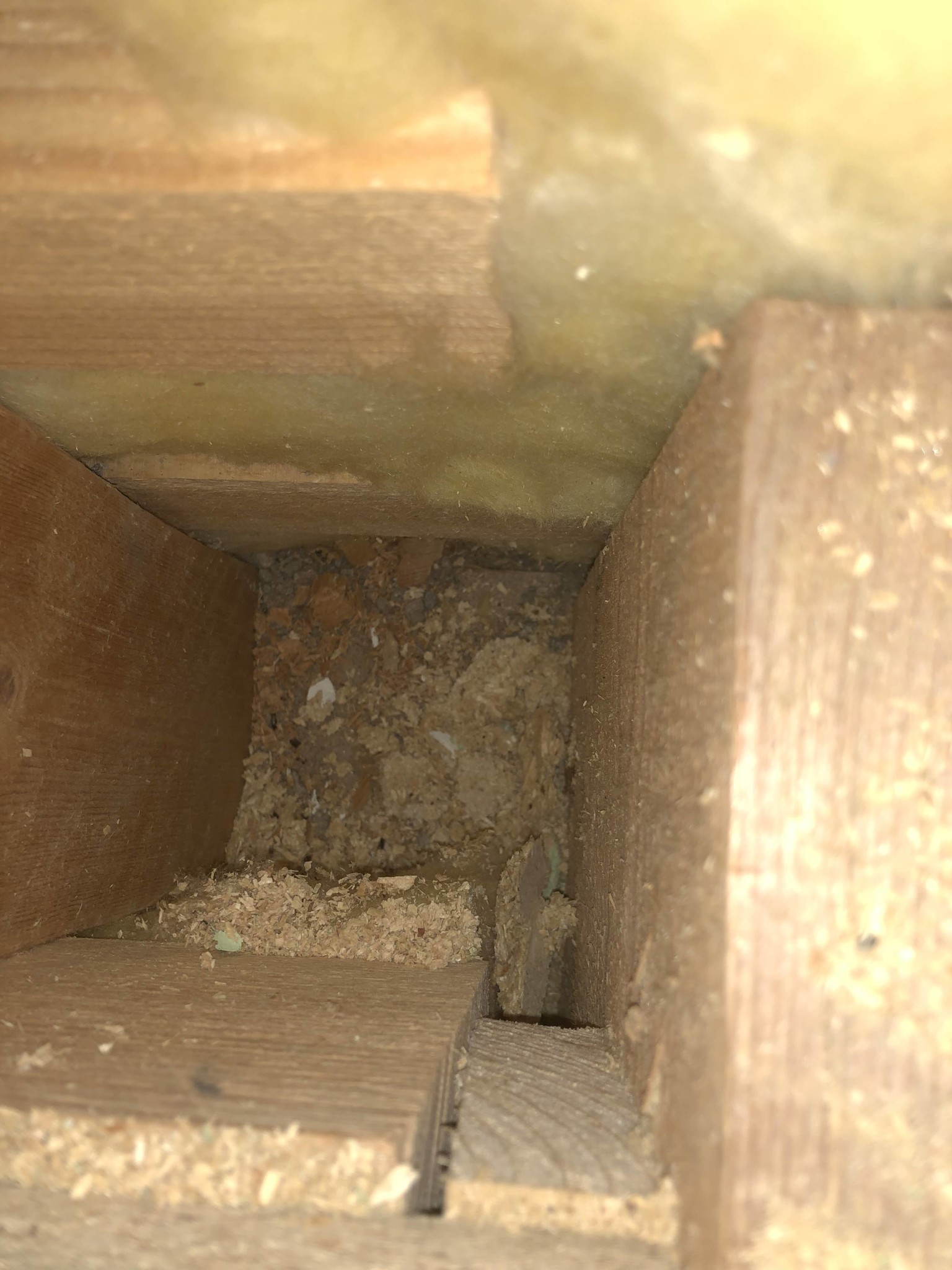
To my first question, what does a pressure-treated stud look like and how can I find out if it is pressure-treated (without sending it for analysis)? What does a pressure-treated stud that has been affected by moisture, mold smell like? See the pictures. Are they pressure-treated?
About a month ago, a foul odor began to emanate right at our entrance. The house is situated high up on a hill with a basement wall that goes up about half a meter above ground level.
The stench is worst right at the entrance but, as mentioned, the smell spreads so I can't quite pinpoint where exactly it smells, whether it's at the beginning of the entrance or further in?
The smell I describe is a really foul variant, almost stinging in the eyes, sticks to clothes, hair, etc., a little sweet but mostly chemical, almost as if you could taste it.
I've removed moldings, made holes in walls to access the stud, torn down in the basement under the entrance, etc. Found nothing?! Everything looks fine and the stud itself is on an asphalt board and not directly on the concrete blocks that the basement is made of.
If it turns out that some material in the construction is made of pressure-treated wood, does this fall under latent defects as it is not mentioned in the report and was not brought up at purchase? The inspector also did not mention any risk regarding this. How were we supposed to know this? I mean, the stud may even have been replaced?
I am going grey over this uncertainty. Right now we are living in the guest cabin on the property and are cramped in less space than we had before, thank goodness for this opportunity, but everything is on hold and we don't know how to proceed.
Does anyone recognize the smell I describe, what on earth can it be??
Thanks in advance, sincerely frustrated first-time homeowners

Thanks for the answer, tried to google how different versions of pressure-treated wood might look but haven't really found any sensible answer.Anna_H said:
Does a dead animal smell chemical?

Homebuilder
· Östergötland
· 388 posts
Have you ever forgotten to take out raw meat in the trash and it started to stink? That smell mixed with dried-out water trap (sewer smell) and a more intense odor, I would say is what a dead animal smells like. We usually have problems during the winter and that smell lasts about 3-6 weeks if it doesn't get cold enough. Not fun at all.

Mineral wool insulation that has become wet can start to smell like cat pee afterwards when it has dried. I have had to return a number of packages of insulation that reeked of an ammonia-like odor when the plastic was torn off. In my previous home, I had the same issue in my entrance. The problem there was condensation from the water spigot (wall penetration) by the door, which had dampened the insulation over many summers, not much water, just so the insulation became moist. Initially, you could sense the smell in warmer weather, and then it became almost continuous.
M
Måstegöraalltsjälv
Know-It-All
· Stockholm
· 62 posts
Måstegöraalltsjälv
Know-It-All
- Stockholm
- 62 posts
Hi Ova,
When I found your post and the description of the smell, I first thought it was something I had written.
In October, we bought a holiday home built in '74. Crawl space on rock=risk construction, we brought in an inspector (one recommended by the realtor, by the way). This inspector thought the house was nice, slightly high moisture levels in a couple of spots in the subfloor. He detected no smell and did not see the small growths in a few places, something I pointed out to him.
The inspection report states; elevated moisture and unusual odor. But according to the inspector, a nice house.
After a couple of weeks, the stench came, a stench that turned out to be divided into at least two areas. The first one I tackled was a pure mold smell, and I tore up the joists in the kitchen/dining room where there had been a linoleum mat that had completely encapsulated rising moisture and thus gone moldy. So far, so good, but then came that chemical sweetish cloying odor that you can taste on your tongue, exactly as you describe it!
For the past 3 months, I've loosely laid out vapor barrier plastic, plugged vents, and have a desiccant dehumidifier running at full capacity.
Have you figured out what is causing the smell in your house?
We are moving in at Easter, and I'm going crazy with the smell!
Best,
Micke
When I found your post and the description of the smell, I first thought it was something I had written.
In October, we bought a holiday home built in '74. Crawl space on rock=risk construction, we brought in an inspector (one recommended by the realtor, by the way). This inspector thought the house was nice, slightly high moisture levels in a couple of spots in the subfloor. He detected no smell and did not see the small growths in a few places, something I pointed out to him.
The inspection report states; elevated moisture and unusual odor. But according to the inspector, a nice house.
After a couple of weeks, the stench came, a stench that turned out to be divided into at least two areas. The first one I tackled was a pure mold smell, and I tore up the joists in the kitchen/dining room where there had been a linoleum mat that had completely encapsulated rising moisture and thus gone moldy. So far, so good, but then came that chemical sweetish cloying odor that you can taste on your tongue, exactly as you describe it!
For the past 3 months, I've loosely laid out vapor barrier plastic, plugged vents, and have a desiccant dehumidifier running at full capacity.
Have you figured out what is causing the smell in your house?
We are moving in at Easter, and I'm going crazy with the smell!
Best,
Micke
Last fall, my wife and I bought a summer cottage built in 7O Ova said:[image] [image]
Hello!
I have a dilemma that I would like to discuss with you. The fact is that my partner and I bought a house with possession on September 11th this year. The house was built in 1976 and we've had 2 inspectors on site, both stating that the house is in great condition. No smell was present during the inspection.
We have gone through significant risks such as needing to redo basement drainage, concrete floors without capillary-breaking barrier, self-ventilated attic, etc. These risks we are aware of.
What is not mentioned in the report and what we have become aware of later is that during this period it was common with pressure-treated sills, joists, frames, etc. To my first question: what does a pressure-treated sill look like and how can I find out if it is pressure-treated (without sending for analysis). What does a pressure-treated sill that's been affected by moisture, mold smell like? See pictures. Are they pressure-treated?
About a month ago, a nasty smell started to waft around right by our entrance. The house is located high on a hill with a basement wall that extends about half a meter above ground level.
The stench is strongest right at the entrance but as I said, the smell is adept at spreading, so I can't really say exactly where it smells whether it's at the beginning of the entrance or further in?
The scent I describe is a really nasty variant, almost prickling the eyes, sticking to clothes, hair, etc., a little sweet but mostly chemical, almost as if you can taste it on your tongue.
I have removed moldings, punched holes in walls to access the sill, torn down in the basement under the entrance, etc. Can't find anything?! Everything looks fine and the sill is on an asphalt board and not directly on the block as the basement is built of.
If it turns out that any material in the construction is of pressure-treated wood, does this fall under hidden defect since it is not mentioned in the report and nothing was highlighted at the purchase? The inspector also did not mention any risk regarding this. How could we have known about this? I mean, the sill could even have been replaced?
I'm turning gray over this uncertainty. Right now, we are living in the guest house on the property and are crowded into a smaller space than we had before, thank goodness for this opportunity, but everything is in limbo and we don't know how to move forward.
Does anyone recognize the smell I'm describing, what the heck could it be??
Thank you in advance, sincerely frustrated first-time homeowners

I had the same problem and it turned out to be a dead rat!Have you ever forgotten to take out raw meat into the trash and it started to stink? That smell mixed with a dried-out water trap (sewer smell) and a more intense odor, I would say dead animal smells like that. We usually have problems during the winter, and that smell lasts about 3-6 weeks, if it doesn't get cold enough. Not fun at all.

I have everything you mention in my apartment.O Ova said:[image] [image]
Hello!
I have a dilemma that I would like to bring up with you. The thing is, my partner and I bought a house with access on September 11 this year. The house was built in 1976 and we have had 2 inspectors on site who both stated what good condition the house is in. No smell was present during the inspection.
We have gone through significant risks such as having a basement that needs to be re-drained, concrete floor without capillary-breaking layer, self-ventilating attic, etc. We are aware of these risks.
Something that is not mentioned in the report and that we later became aware of is that during this period it was common with pressure-treated sills, joists, frames, etc.
To my first question, what does a pressure-treated sill look like and how can I find out if it is pressure-treated (without sending it for analysis). What does a pressure-treated sill that has been affected by moisture, mold smell like? See pictures. Are they pressure-treated?
About a month ago a nasty smell started to waft right at our entrance. The house is located high up on a hill with a basement wall that rises about half a meter above ground level.
The stench is at its worst right at the entrance but as mentioned the scent is adept at spreading so I can't really say where exactly it smells, whether it is at the beginning of the entrance or further in?
The scent I describe is a really nasty variant, almost so that it stings a little in the eyes, lingers in clothes, hair, etc., a bit sweet but mostly chemical almost so that you can taste it.
I have removed moldings, punched holes in walls to access the sill, torn down in the basement under the entrance, etc. Can't find anything?! Everything looks fine and the sill itself lies on an asphalt board and not directly on the lightweight blocks the basement is built of.
If it turns out that any material in the construction is of pressure-treated wood, is this considered a hidden defect since it is not mentioned in the report and nothing was noted at the purchase? The inspector has not mentioned any risk regarding this either. How would we have known this? Or does it all fall on us as buyers to investigate something we are not aware of? I mean, the sill might even have been replaced?
I'm beginning to go gray with this uncertainty. Right now we are living in the guest cabin on the property and are crowded into a smaller space than we had before, thank goodness for this opportunity, but everything is on hold and we don't know how to move forward.
Does anyone recognize the scent I describe, what on earth could it be??
Thank you in advance, kindly frustrated first-time homeowners


Click here to reply