
Hello!
I have bought a house and am planning renovations. I would like to move a wall on the basement level to create two rooms with their own doors from an open recreation room.
1. The house is from 1945, and I believe the wall is made of lightweight concrete. What's the best way to determine if the wall is load-bearing or if I can demolish it myself?
2. Today there is an uninsulated slab with electric underfloor heating in these rooms. My idea is to remove the existing floor, lay a Platon mat, then a pine floor, and install radiators instead. Is this a reasonable way to create a good living environment on the basement level?
I have bought a house and am planning renovations. I would like to move a wall on the basement level to create two rooms with their own doors from an open recreation room.
1. The house is from 1945, and I believe the wall is made of lightweight concrete. What's the best way to determine if the wall is load-bearing or if I can demolish it myself?
2. Today there is an uninsulated slab with electric underfloor heating in these rooms. My idea is to remove the existing floor, lay a Platon mat, then a pine floor, and install radiators instead. Is this a reasonable way to create a good living environment on the basement level?
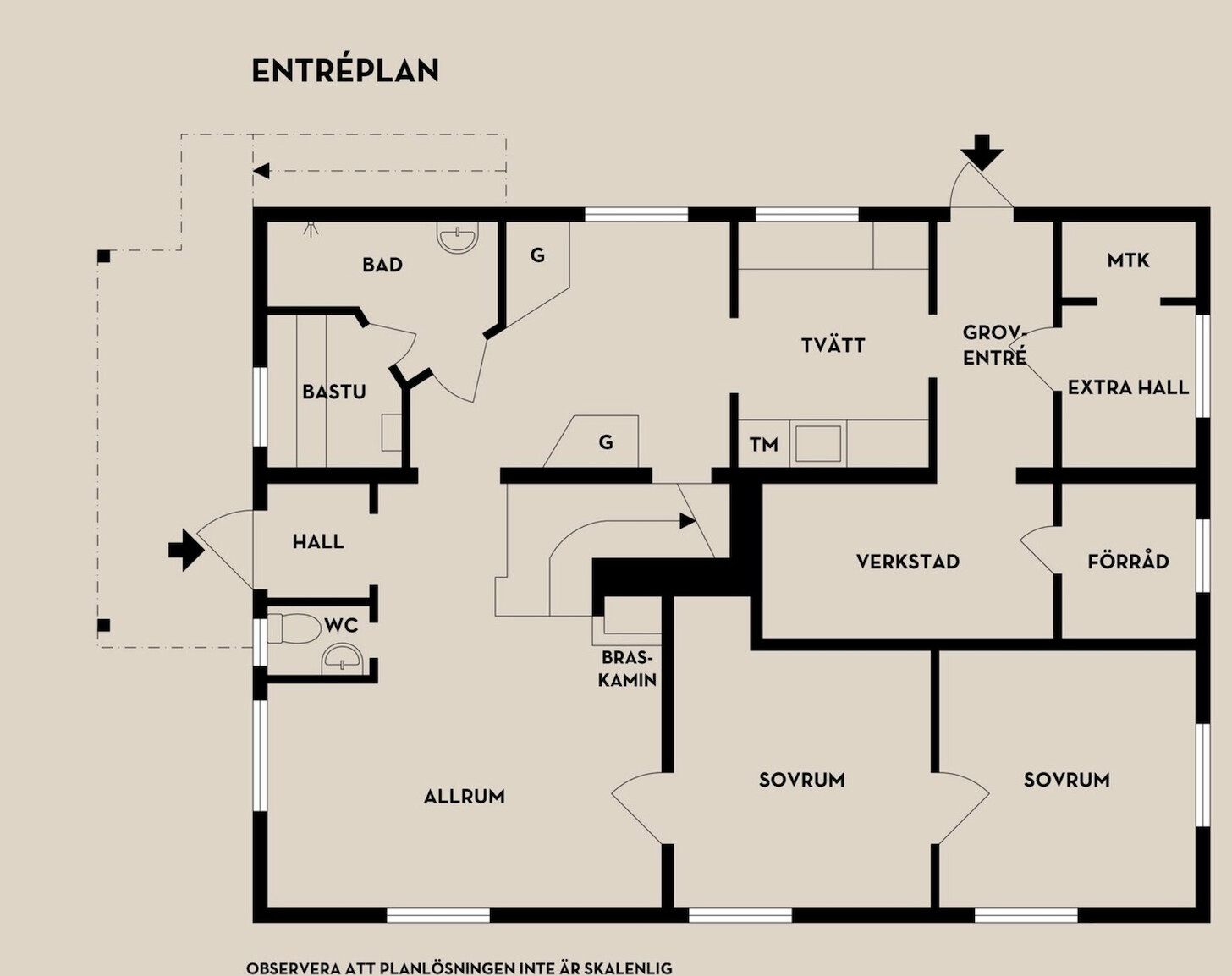
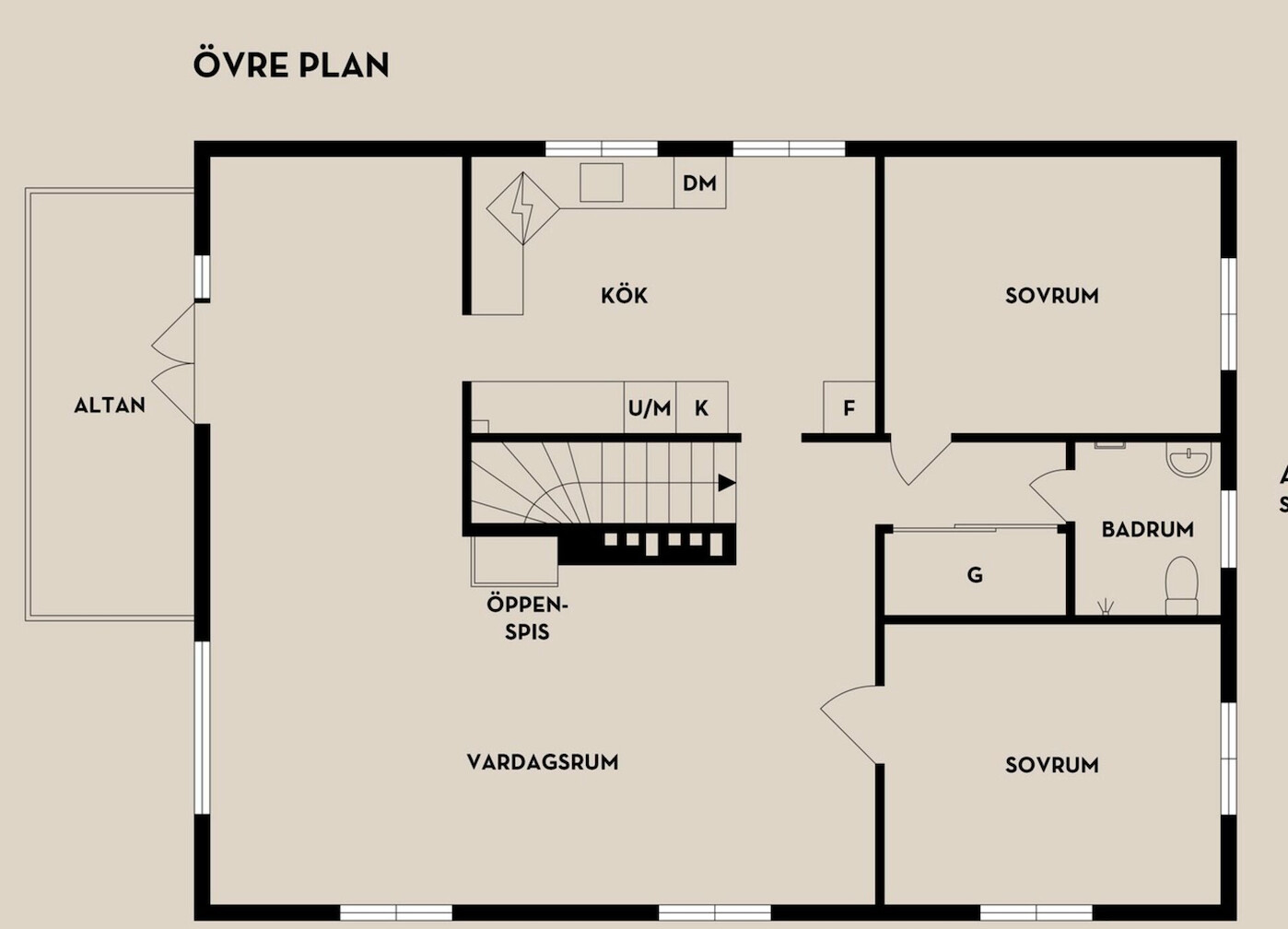
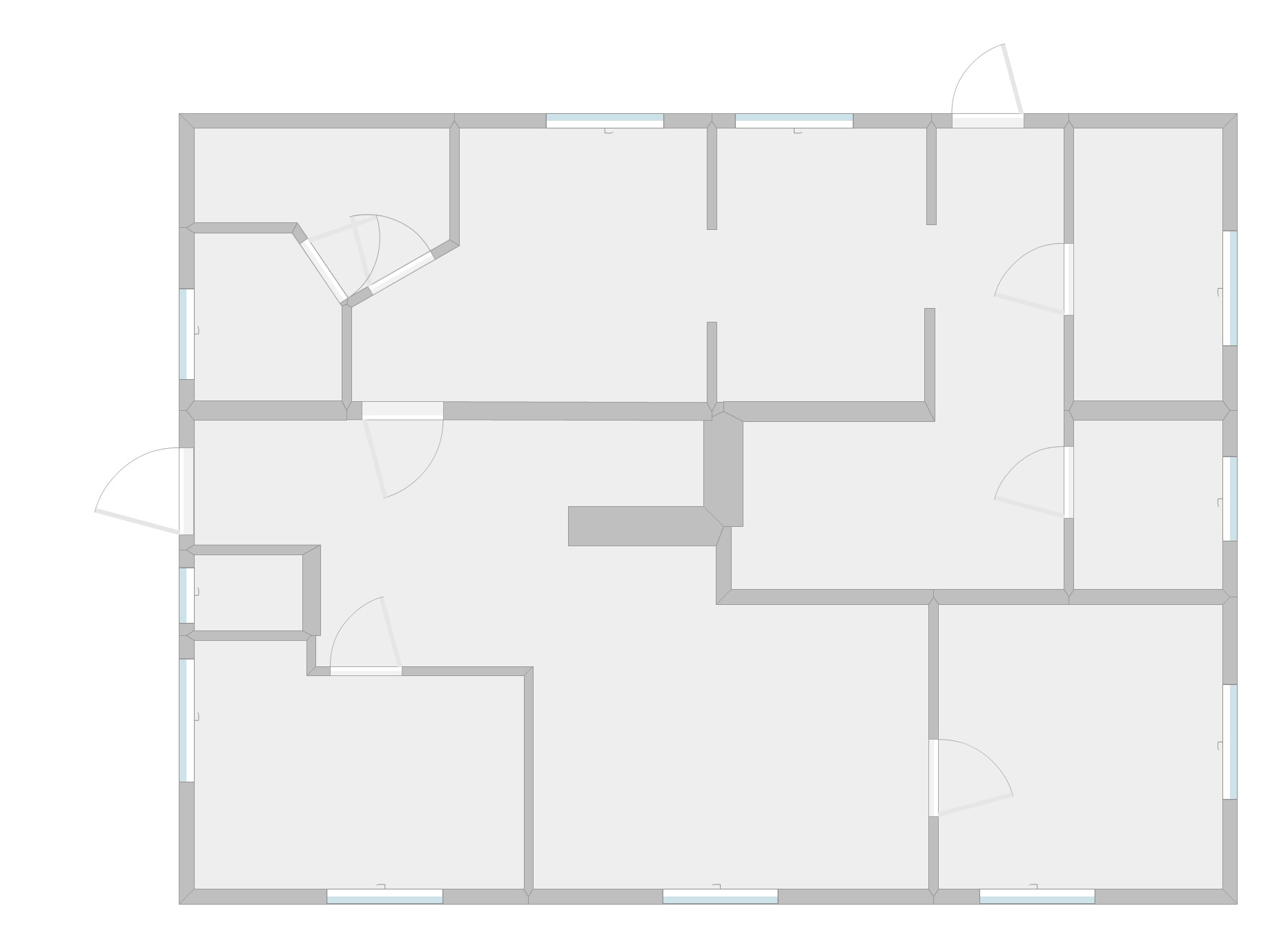
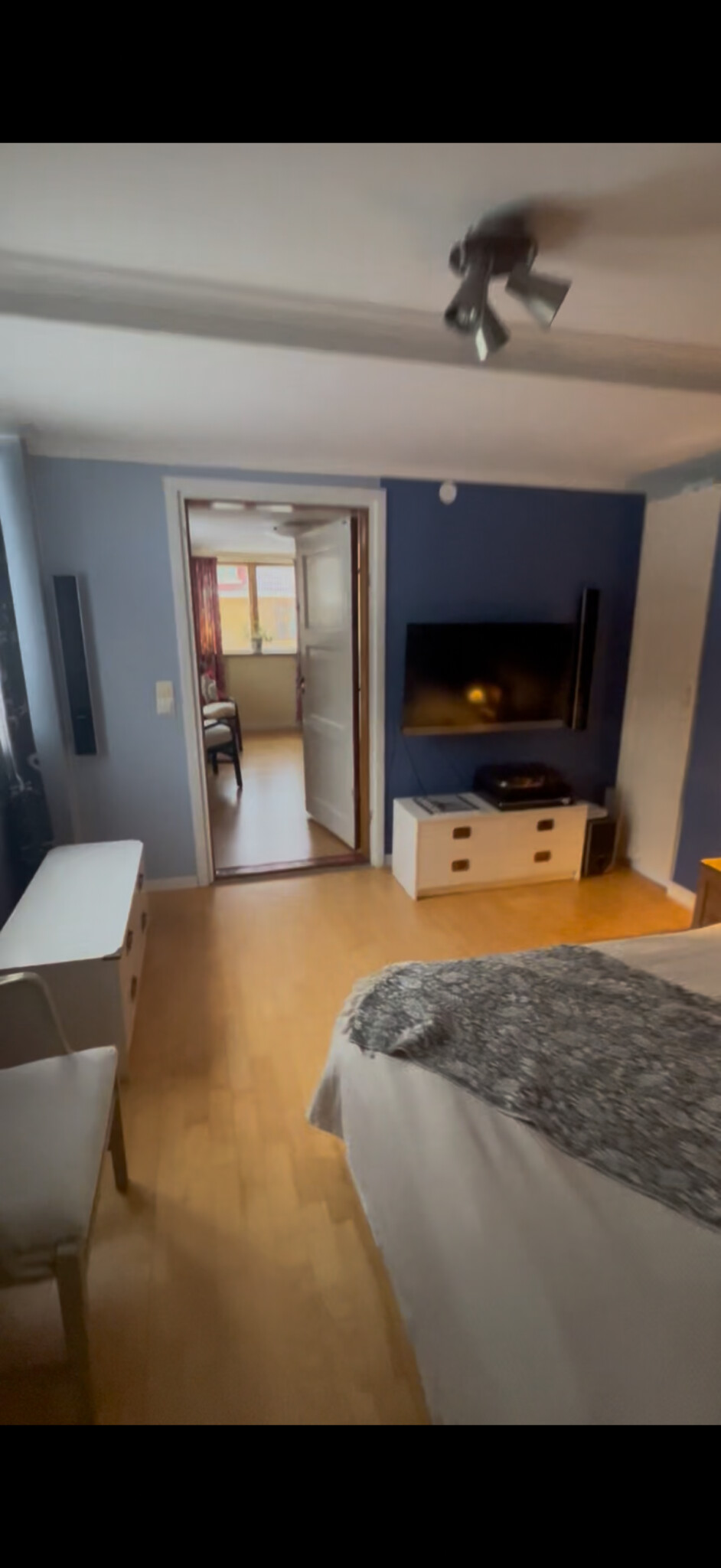
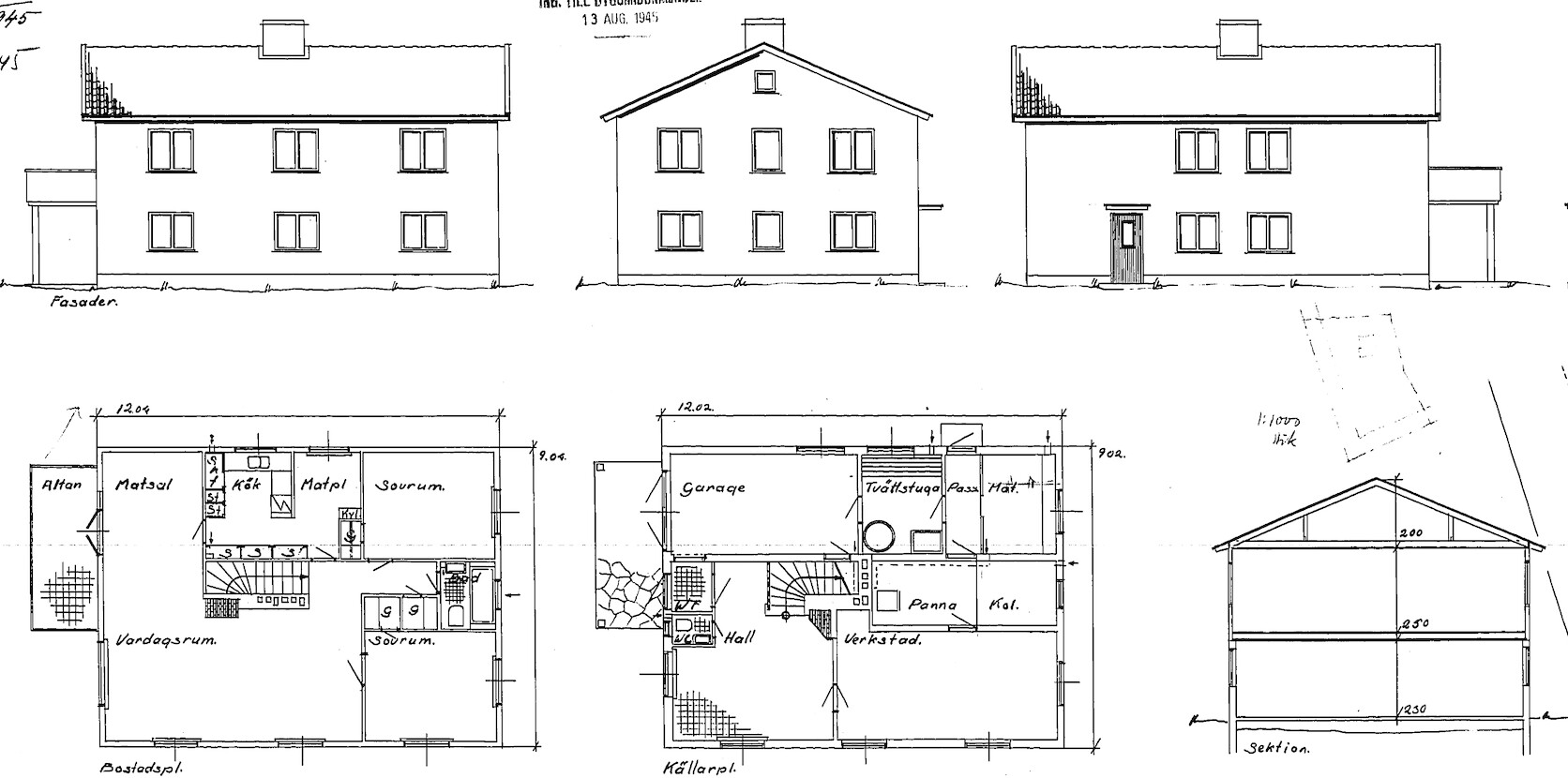
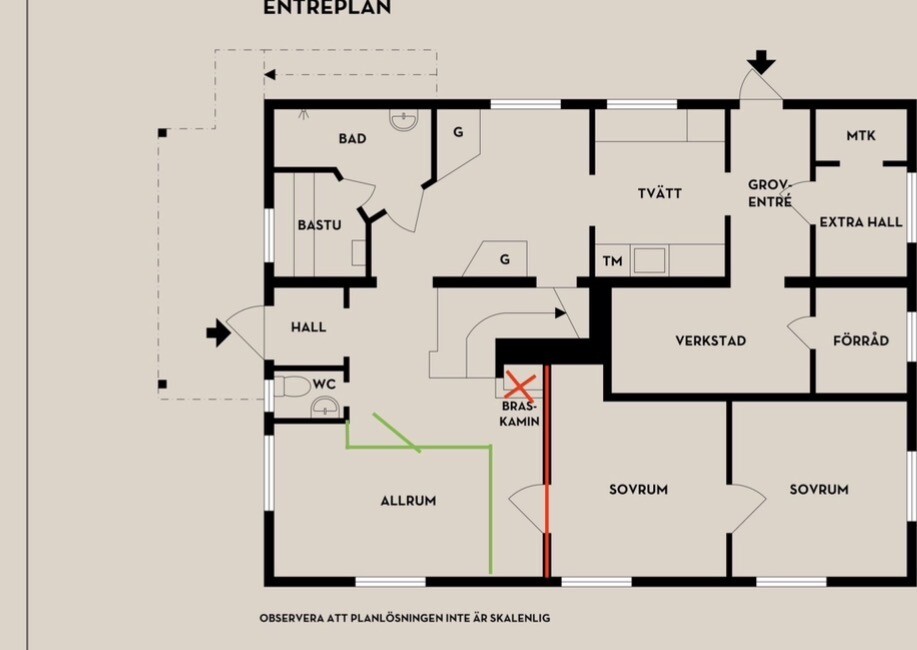

Now, one shouldn't really speak categorically, but the wall just above the stove in the picture doesn't appear to be load-bearing. The wall that is desired to be removed doesn't look load-bearing. However, in old houses, even a non-load-bearing wall can become one due to settling and bending in the joists.
A bit unnecessary to completely remove the stove? Backup heating in case of a power outage isn't a bad idea. Maybe a smaller stove instead of the masonry one? (My guess is that it is masonry)
A bit unnecessary to completely remove the stove? Backup heating in case of a power outage isn't a bad idea. Maybe a smaller stove instead of the masonry one? (My guess is that it is masonry)


Usually, it is the walls that run approximately under the ridge of the roof that are load-bearing, but houses from 1945 do not always follow this. Building materials were not as standardized at that time as they became later in the 50s. How it is in your house depends on how the joists between the two floors run; the walls on which the beams lie are load-bearing. Or is it a concrete vault instead of joists?
Is there soil against the exterior wall in the living room/bedroom?
Then a small piece of wall might be needed to ensure the soil does not push in the exterior wall.
Building engineers are the professionals trained to investigate which walls are load-bearing.
Is there soil against the exterior wall in the living room/bedroom?
Then a small piece of wall might be needed to ensure the soil does not push in the exterior wall.
Building engineers are the professionals trained to investigate which walls are load-bearing.
I will have a new stove 👍pacman42 said:
Now, one shouldn't really make categorical statements, but the wall just above the stove in the picture does not seem to be load-bearing. The wall that is desired to be removed does not look like it is load-bearing. But in old houses, even a load-bearing wall can become so due to settling and bending in the joists.
Is it a bit unnecessary to remove the stove completely? Having reserve heating in case of a power outage isn't entirely a bad idea. Maybe a smaller stove instead of the built-in one? (My guess is that it's built-in)
Click here to reply