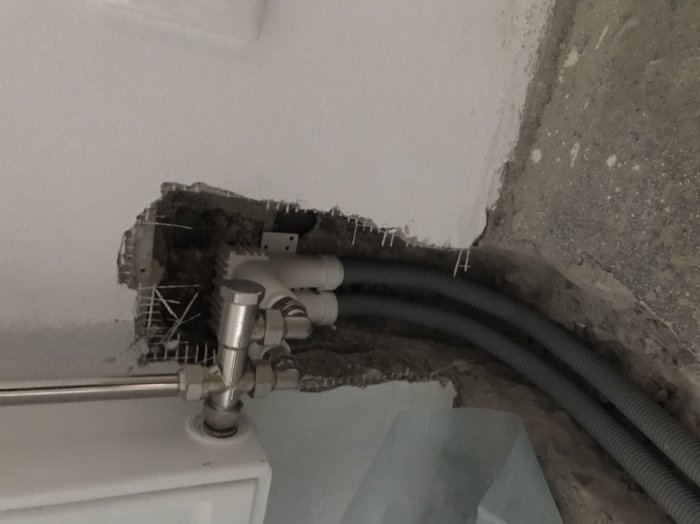
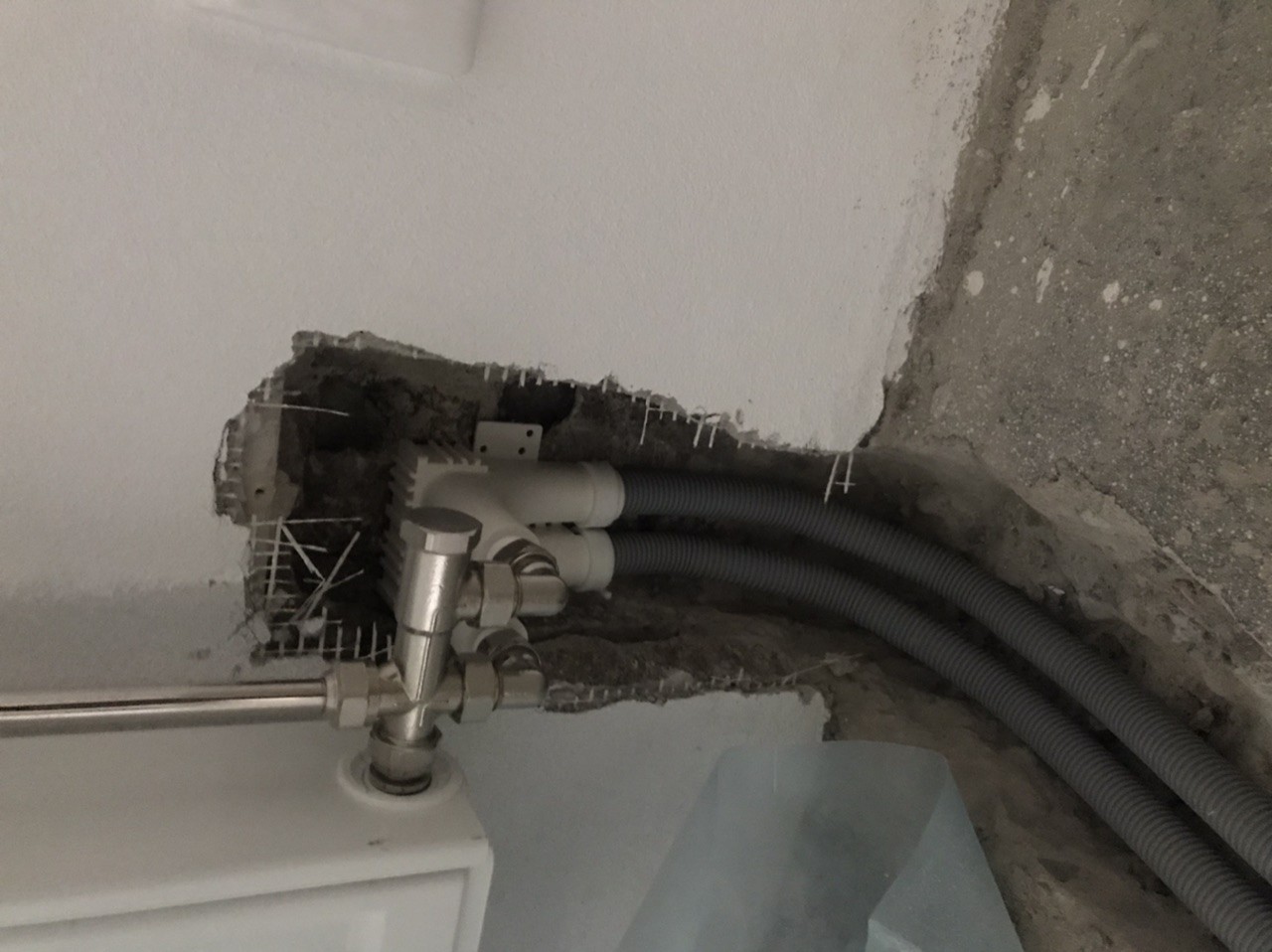
What applies to the type of connection you have in the wall. Or is it a support stand? Is it okay to embed it? Concrete works well, or are you going to do some form of masonry. The concrete can be a bit tricky to keep in place to get a nice surface. Maybe concrete first and then plaster on it?
More questions than answers, but thought you need to get the thread going
What applies to the type of connection you have in the wall. Or is it a bockstöd? Is it ok to cast it in?
Concrete works well, or are you planning to do some form of masonry? The concrete can be a bit tricky to get to stay so that you achieve a nice surface. Perhaps concrete first and then plaster on top of it?
More questions than answers, but I thought you need to get the thread going
Thanks for the help getting started and the answer!
It's just a support, so no joints are being cast in. Going for concrete then!
Yes, go with concrete. Mix in a little water so it doesn't become runny. I would save a few mm at the edge to fill with regular sand filler. That way, it will be easier to achieve a nice surface. Easier to spread the filler and also easy to sand.
Yes, go with concrete. Mix in a little water so it doesn't become runny. I would save a few mm at the outermost layer to fill with regular sand filler. It will be easier to get a smooth surface that way. Easier to spread and also easy to sand down.
Good tips, thanks!
Is it okay to use sand filler even if it's on a basement wall? It is drained though.
Is it okay with sand filler even if it's on a basement wall? Although drained.
Use for example Weber 318, which is a rotbrick that dries quickly. Then you can plaster 1-2 days after casting. Then plaster with lime mortar since it's a basement. Good luck!
@janwide & @ByggPlankan - Thanks for your responses. I talked to a neighbor who did the same thing. He mentioned that the builders used some kind of filler to fill his holes. However, he didn't know what kind. Is that something you’re familiar with?
/L


janwide said:
What applies to the type of connection you have in the wall. Or is it a bockstöd? Is it ok to cast it in?