
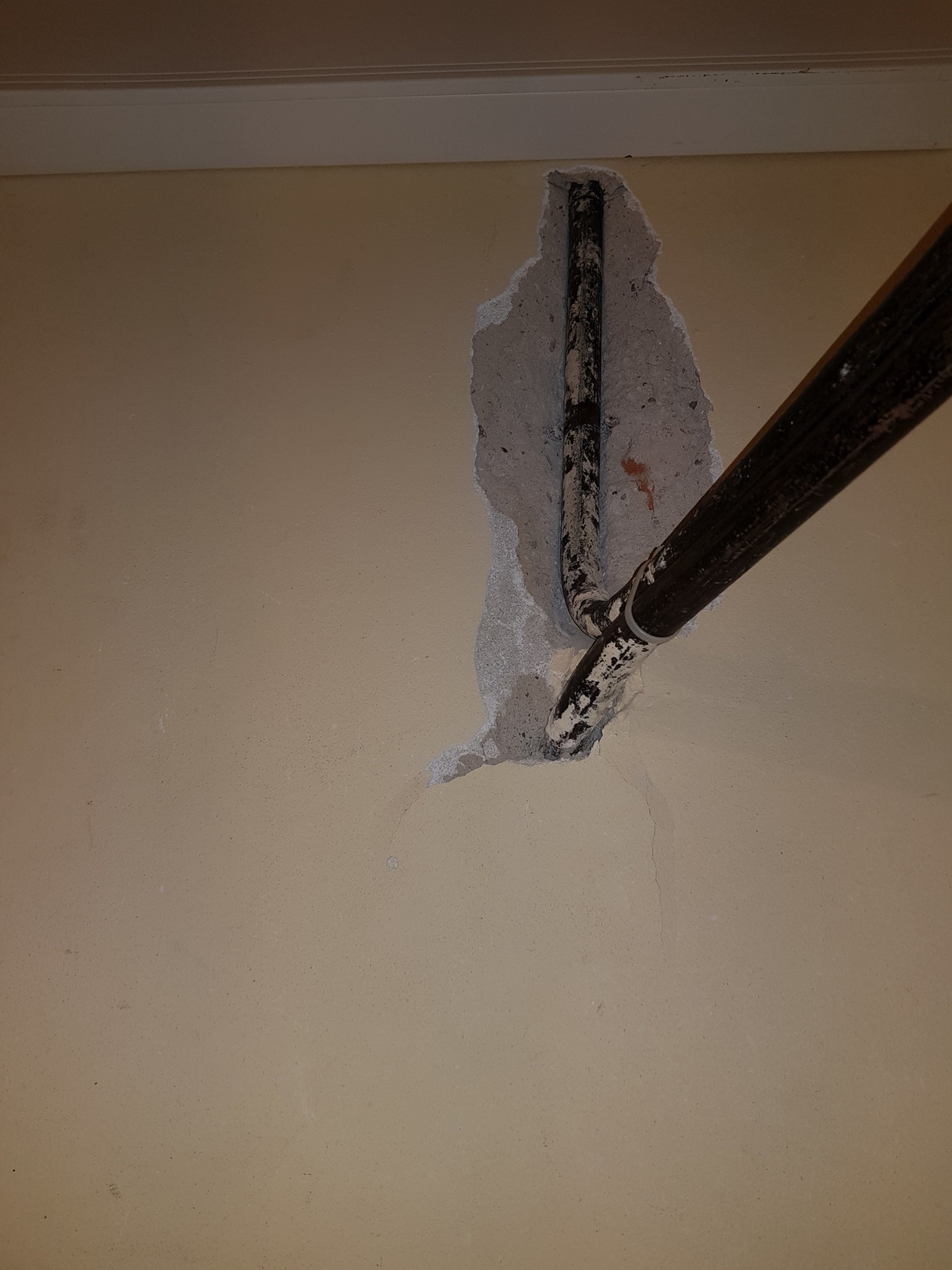
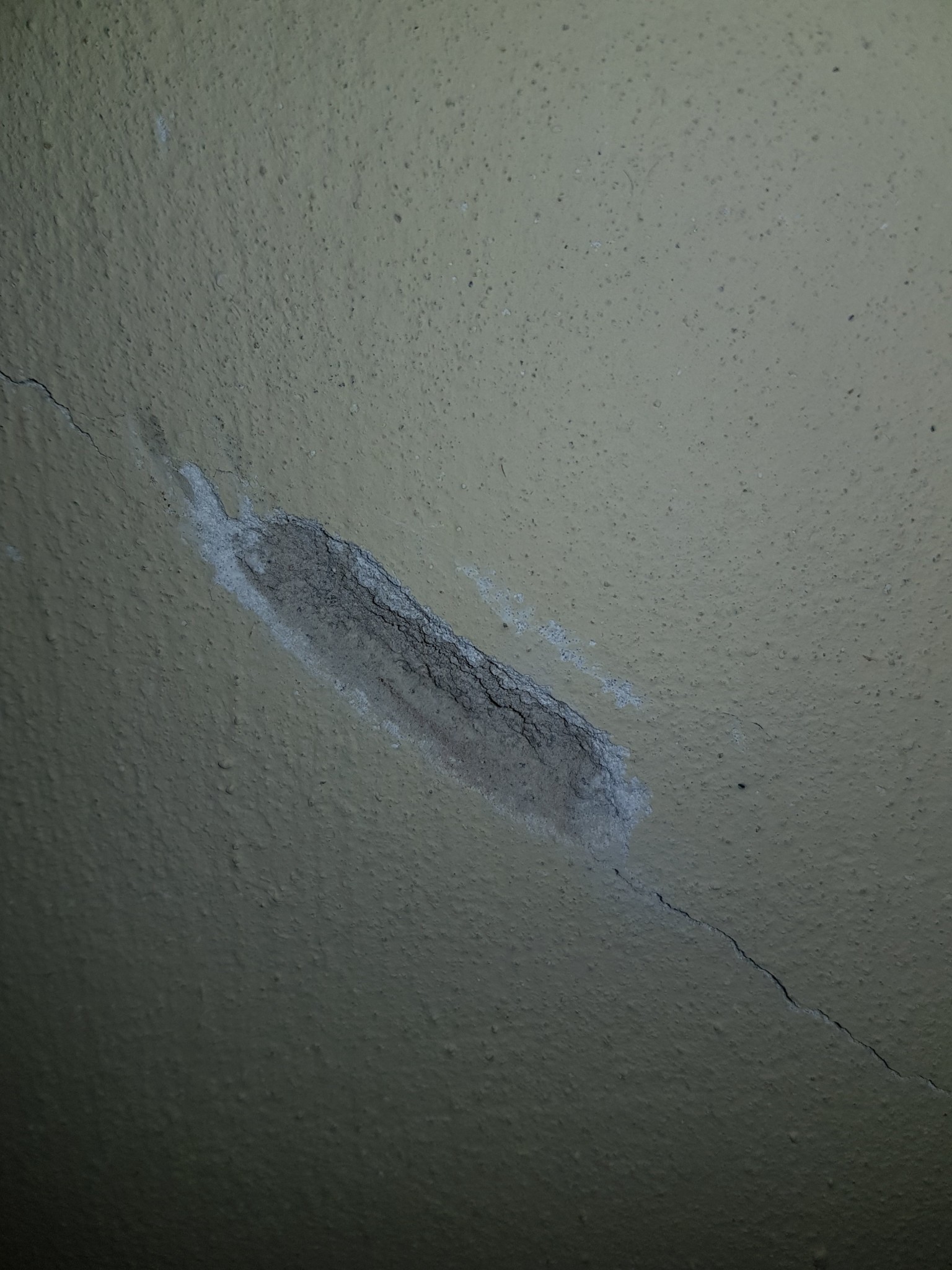
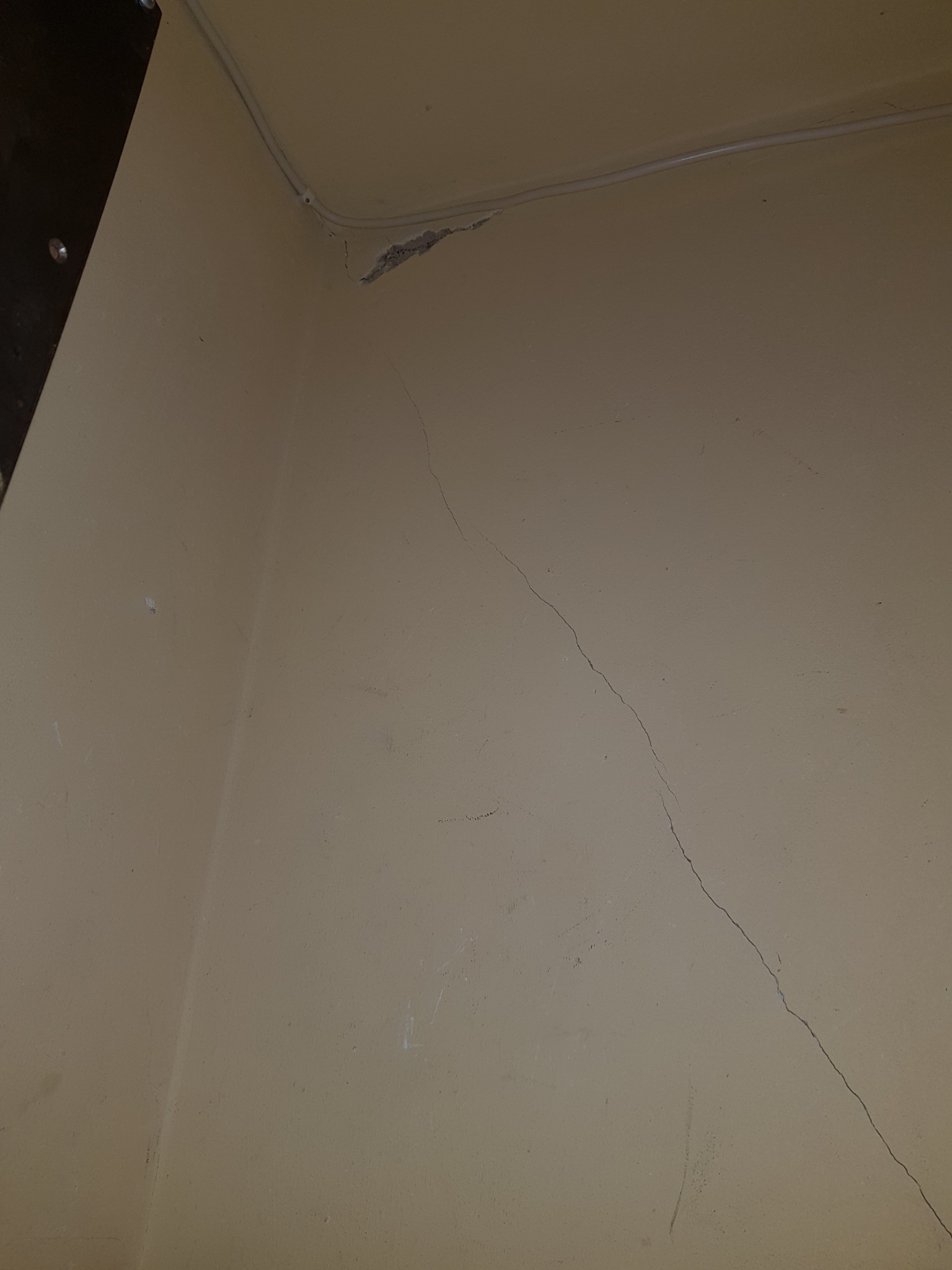
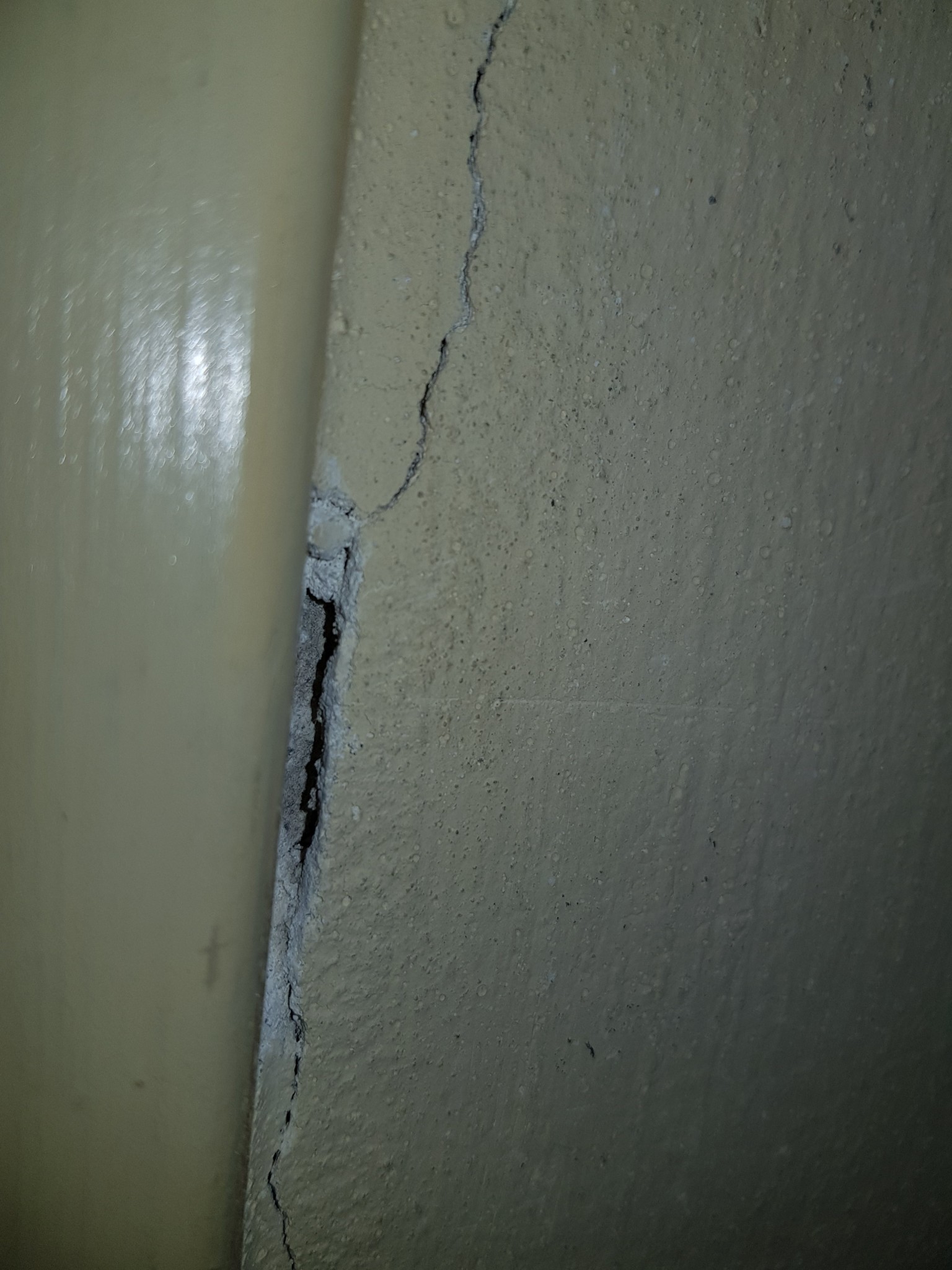
Hello, I have a question about something I haven't worked with before. I will try to repair an old plaster in a storage room that has broken and cracked in several places. I have filled small holes before but never worked with such a large area as this one.
Firstly, I'm wondering if anyone can identify what kind of wall it is based on my pictures and which mortar would be best/fastest to repair the walls?
Thank you very much in advance!
Firstly, I'm wondering if anyone can identify what kind of wall it is based on my pictures and which mortar would be best/fastest to repair the walls?
Thank you very much in advance!
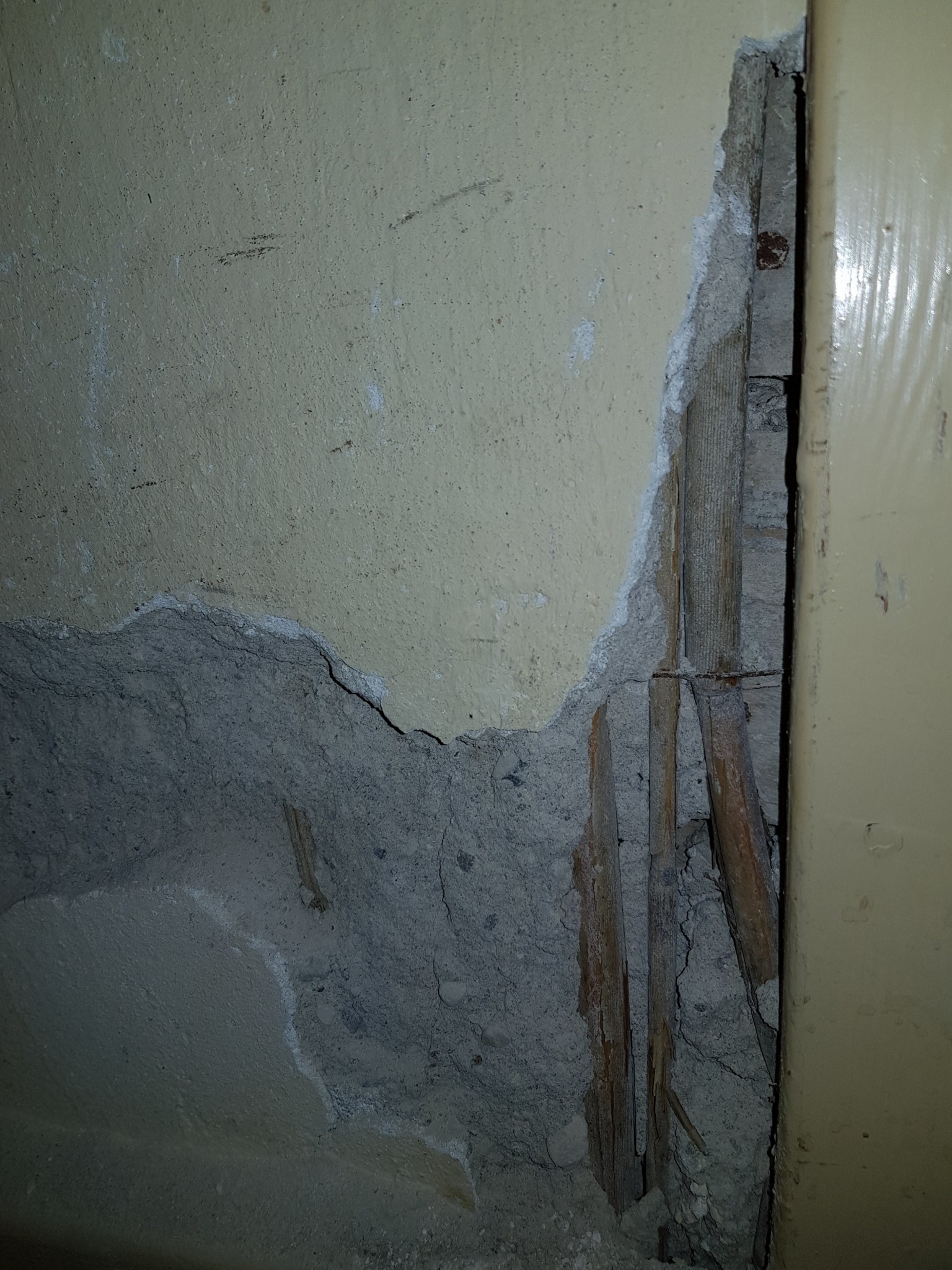
Last edited:
If the cracks are some form of settling in the house and you fill them, they will likely reappear. Clear out the small ones a bit, then use sand filler; for the larger ones, remove any loose material and then follow the instructions below. Use regular sand filler and mix in a little cement (fills well), as it sets without sinking. You shouldn't fill it completely (level with the wall), but let the surface be slightly below the finished wall. It becomes hard and almost impossible to sand, then use sand filler and sand it. You may want to slightly dampen it beforehand so it adheres better.
Okay great, thanks so much for the tip! Uploaded another picture with the biggest damage. Worth noting is that 2 out of a total of 4 walls in the storage are load-bearing. These have held up quite well. The other 2 are the ones with the most damage.L Liteavvarje said:Ordinary sandspackel and mix in a little cement (fills out well) then it sets without sinking, you should not fill fully (level with the wall) but let the surface lie slightly below the finished wall, becomes hard, difficult to sand, then sandspackel and sand, preferably moisten a little before so it sticks better
Even for the last image, you can use spackel and cement, the cement prevents it from settling and cures overnight. Otherwise, if you apply a thick layer of spackel, it may not dry for several weeks and sinks deeply. Are you still there? Don't mix more than you need for the moment, too much - overnight just to dump.
Best answer
do not use sand filler. gypsum filler or gypsum plaster and then seal smaller cracks. however, some cracks will come backJoakimhew said:
https://www.byggahus.se/forum/data/attachments/209/209833-801ee3a392d50a7a805b8f91931dc916.jpg
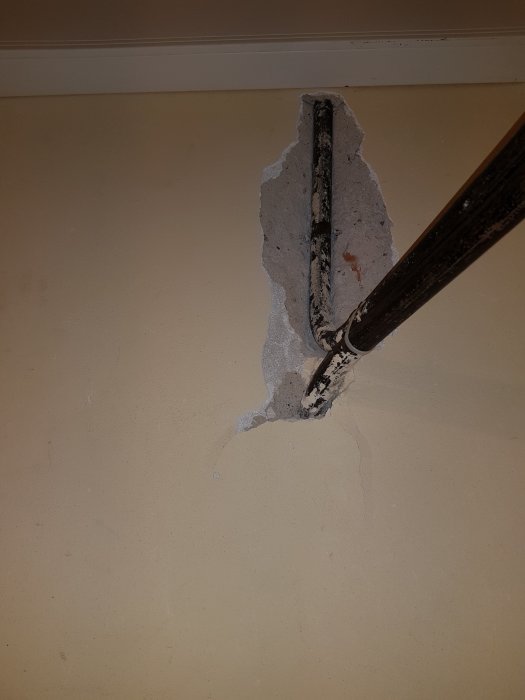
this pipe should be secured, preferably enclosed in some way (so that nothing hangs on the electrical conduit
this pipe should be secured, preferably enclosed in some way (so that nothing hangs on the electrical conduit
Gypsum mortar is also something I've looked into a bit, maybe considering knocking down the 2 worst walls and putting up drywall instead. Could that be a good idea? (See image)SBH said:
Regarding the electrical conduit. It's something I've also been thinking about, this is a condominium so I'm a bit unsure of what I'm allowed to do there. Thank you very much!
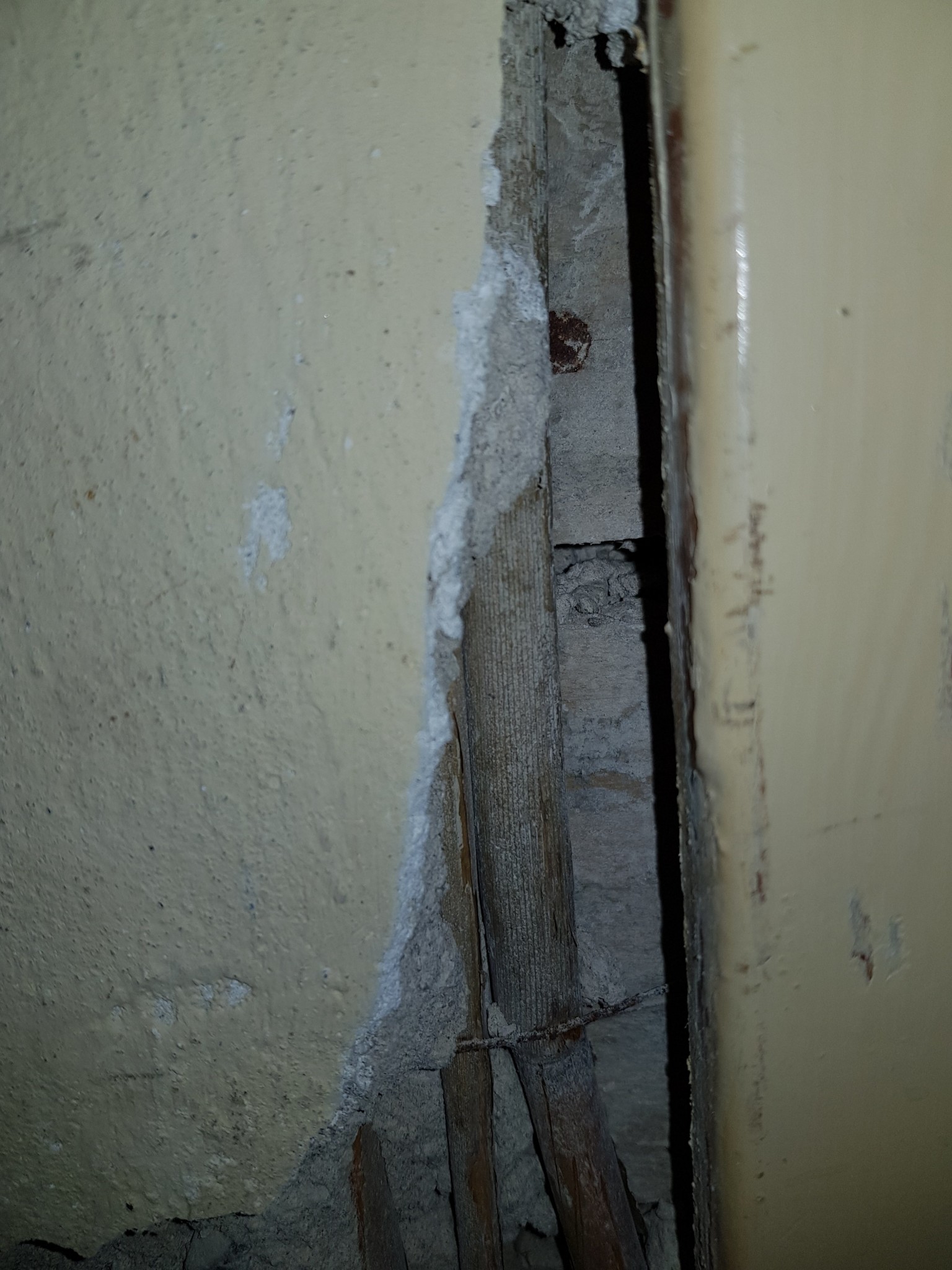
Last edited:
it will continue to move. it may be that the drywall cracks in the long run. it is just a storage though.
Go for long drywall screws. Measure the plaster thickness and add for drywall thickness, and the screw should go into the wood. You have horizontal "sparse paneling" (some screws will miss the wood as there is a gap) to put the screw into.SBH said:
Okay, thank you so much! Should I not knock down the existing plaster? Or did I misunderstand when you said "add for drywall thickness" hahaSBH said:
Okay, thanks again SBH! Regarding the electrical conduit, I've never worked with a metal conduit before, do you possibly know what these usually look like further down the wall? It might be difficult to conceal it on my own.SBH said:
no, no guess. can look like anything. spliced with a metal sleeve, boxes are made of metal.
Click here to reply