Hello.
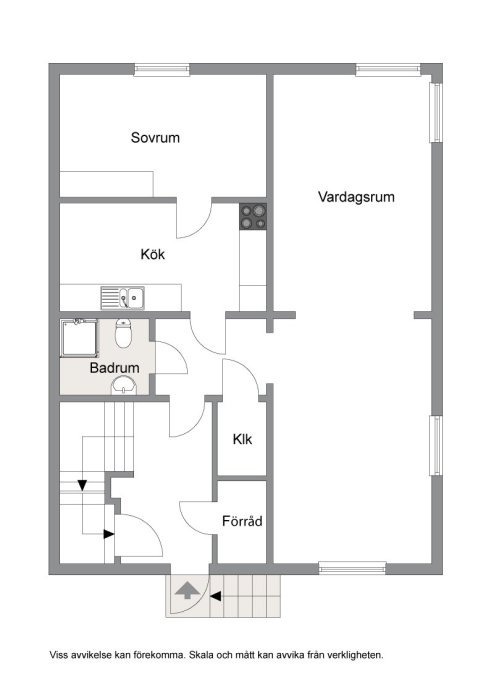
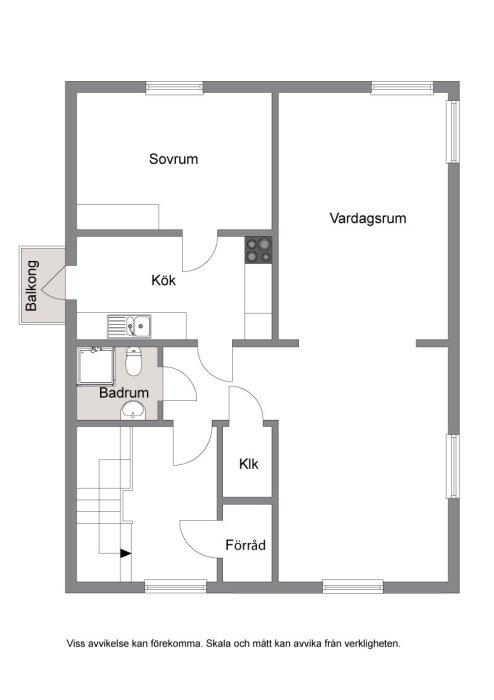
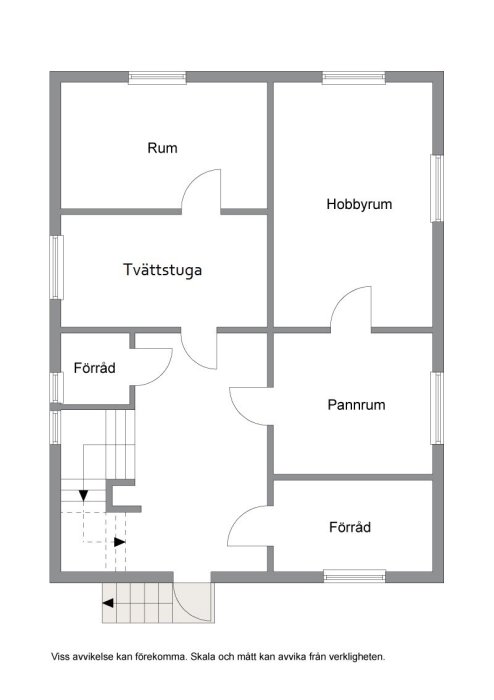
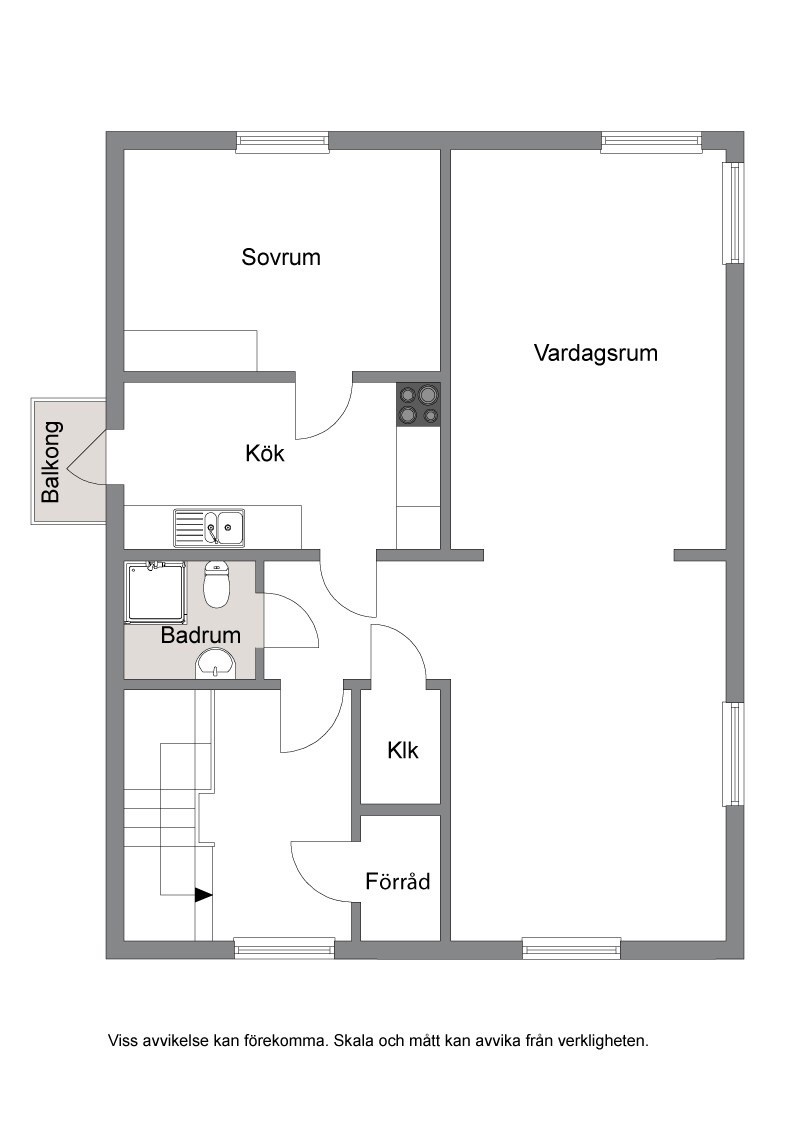
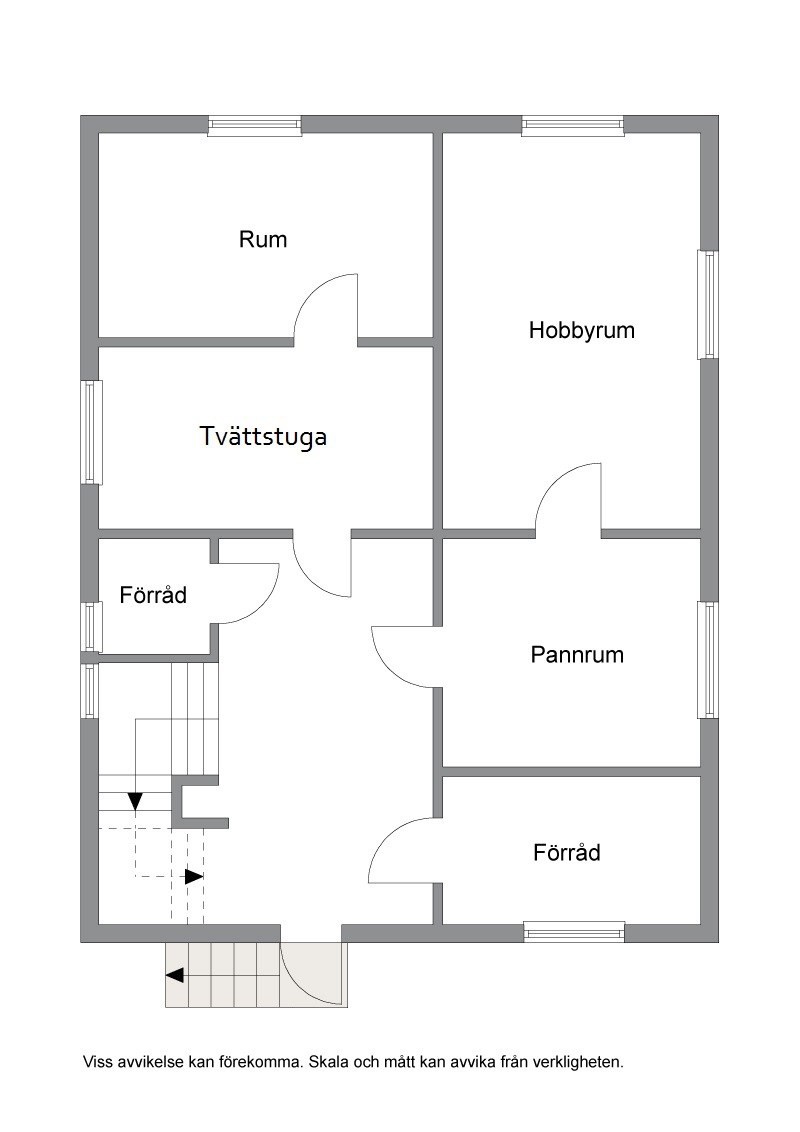
We are looking at a funkis house that has been two apartments. Since we want it as a house, we want to knock down some walls and put up some others.
I've attached the basement, entrance floor, and upstairs. We want to change quite a lot.
The core question is, is the cross running through the house load-bearing? From the little I've read, funkis houses have very little need for load-bearing walls. But I'm not a structural engineer, so I want to be sure.
The heart wall is usually load-bearing for the transverse trusses. Think ahead. The current floor plan (not usage, but where the walls are) is quite typical for functionalist houses. If you change it, you completely change the character of the house and risk the exterior not matching the interior. Especially the long living rooms are worth preserving as they are, possibly with a sliding door between the halves. Don't ruin the house.
Yes, I understand that. But we are a large family and expecting an addition, so that's why we're looking into this. We want an open floor plan in the kitchen and living room because that's how we want to live. I understand that funkis houses are not built that way.
For me, the floor plan does not determine the house type; I want it to be functional for my family. But thanks for the answer, Thomas
Hi, borrowing the thread a bit if that's okay. I have the same question about our funkishus from 1933. (Sorry Thomas!).
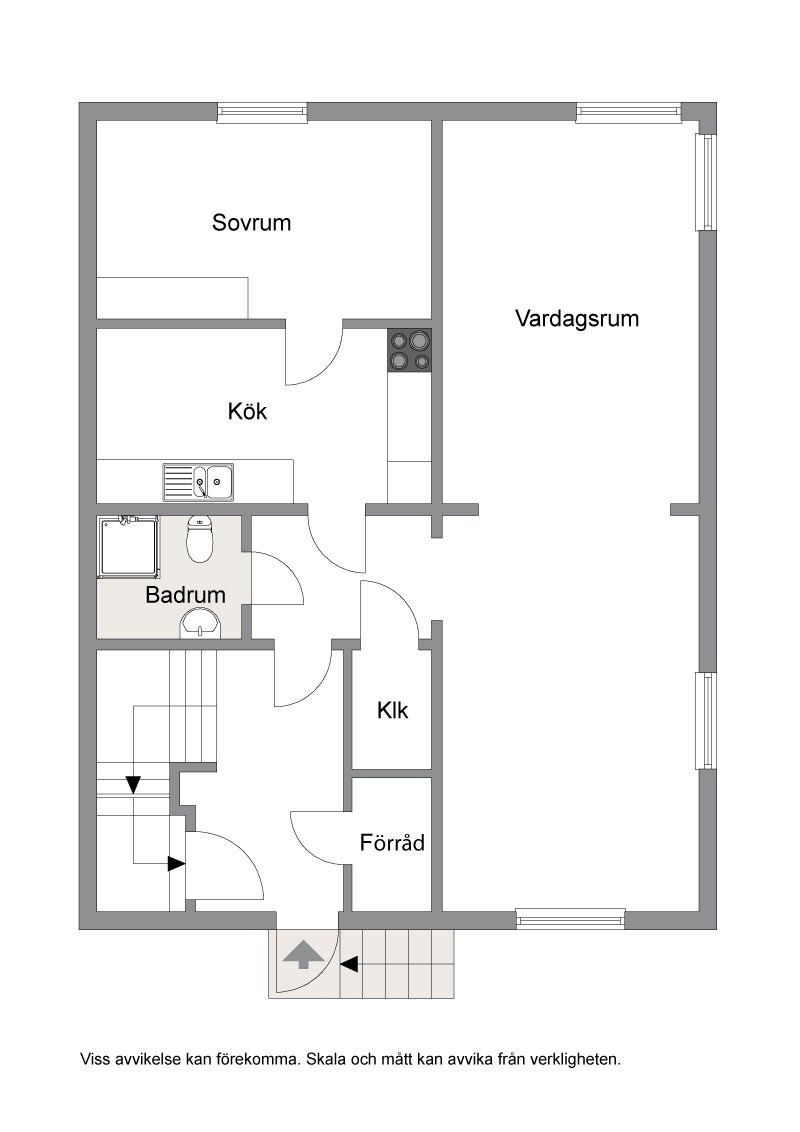
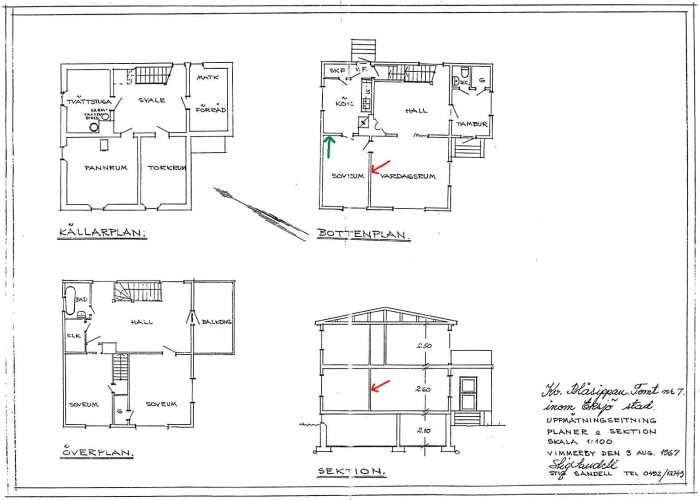
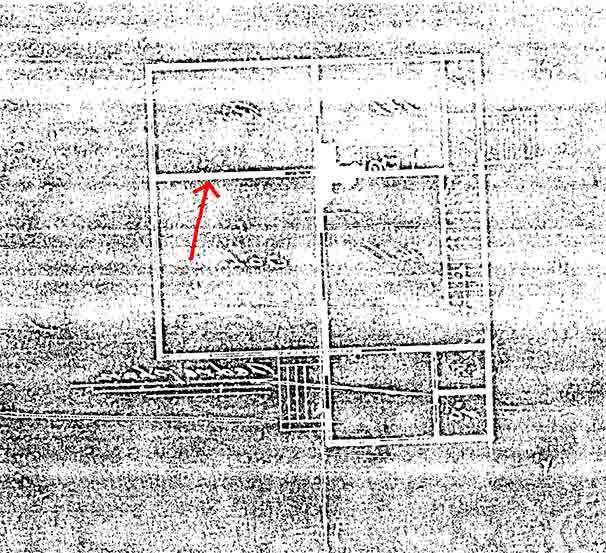
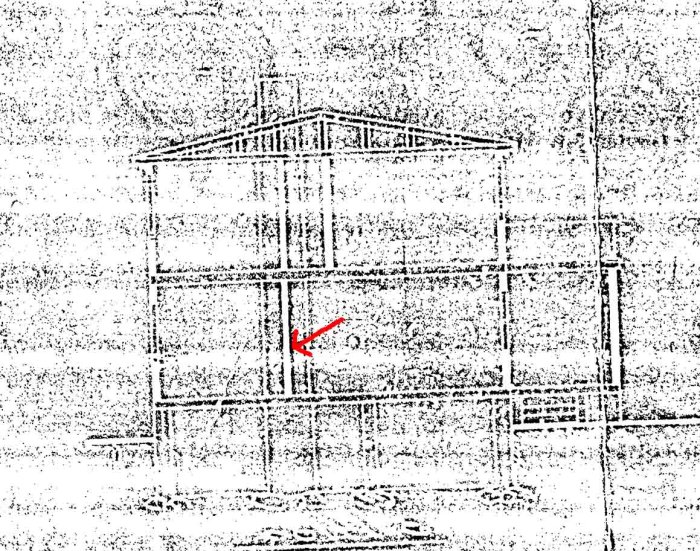
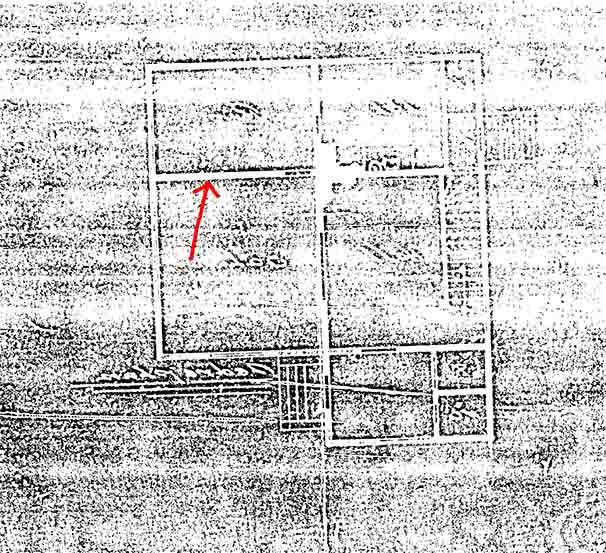
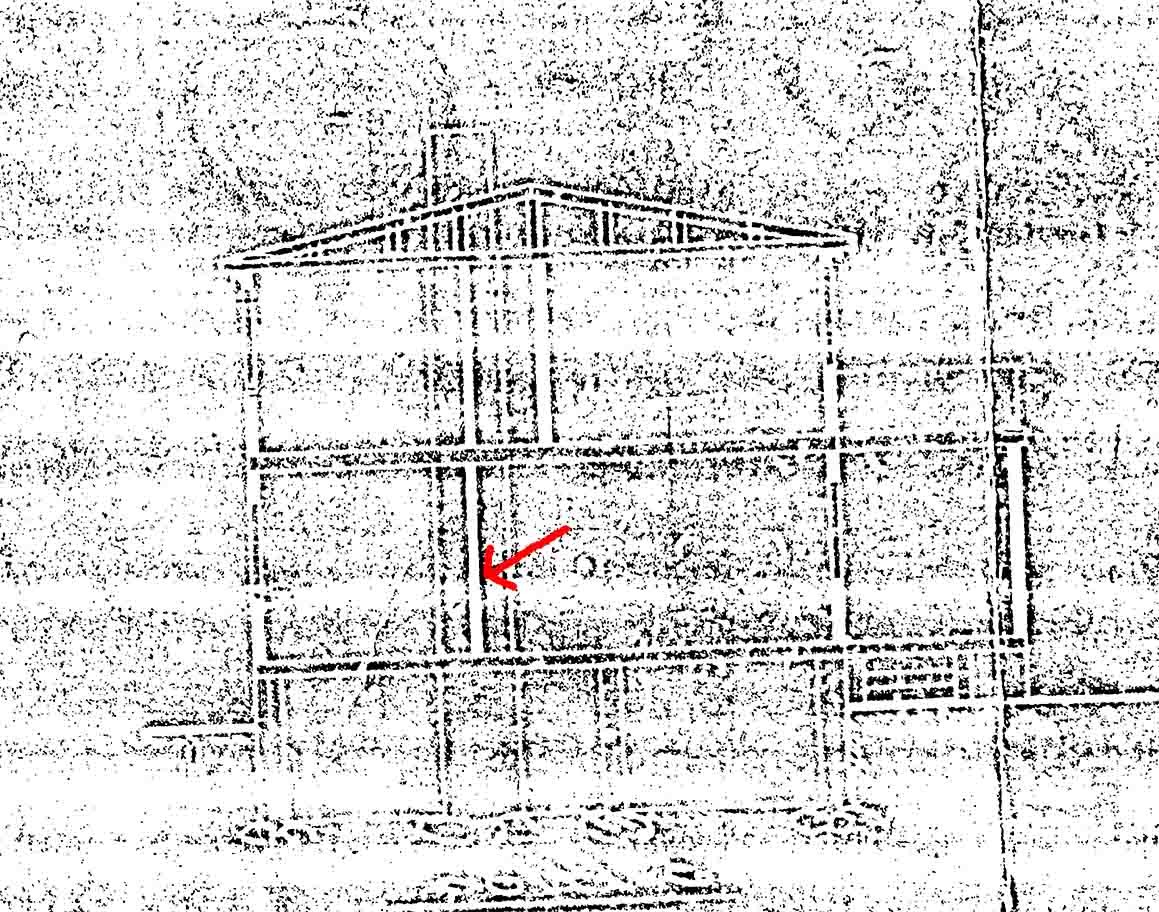
I am attaching very unclear original drawings and a measurement from 1967.
The wall we want to tear down is marked in red. The wall marked in green has already been opened but has been reinforced with a beam in the ceiling, which in turn rests on a vertical beam next to the chimney.
Which leads me to believe that it is the green-marked wall that is load-bearing.
All floors on the upper floor are at an angle with the red-marked wall, which in turn SHOULD be nailed into ceiling joists that run parallel to the red-marked wall. Can one then conclude that these ceiling joists rest on the transverse wall?
Gubbtjyv. The red-marked wall definitely appears to be load-bearing because there is a corresponding one on the upper floor that the roof trusses rest on.
Click here to reply
Vi vill skicka notiser för ämnen du bevakar och händelser som berör dig.