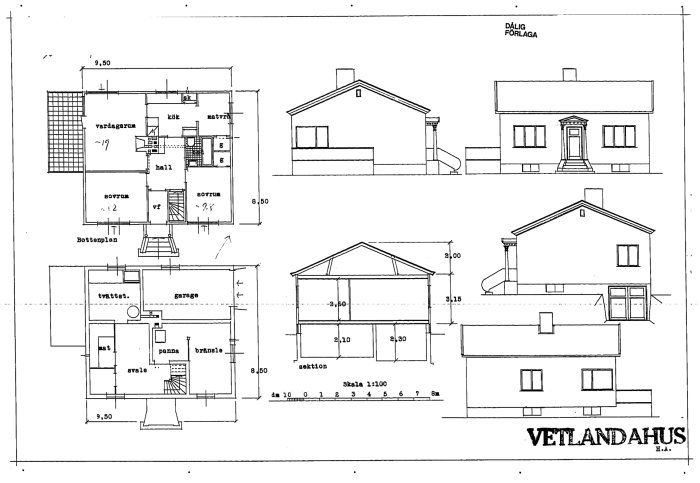
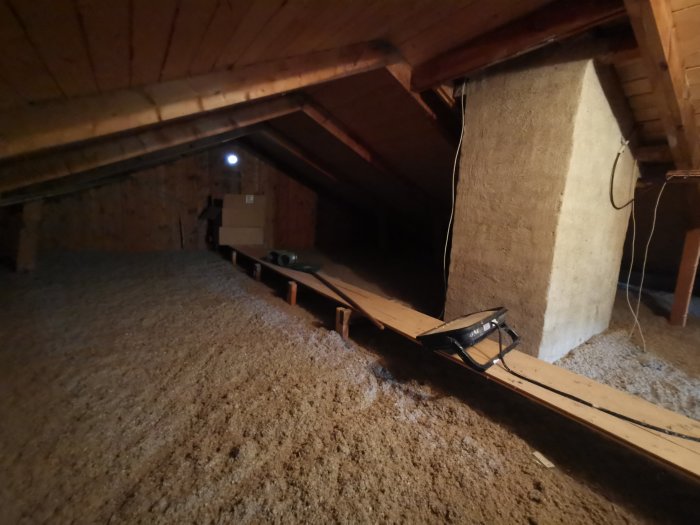
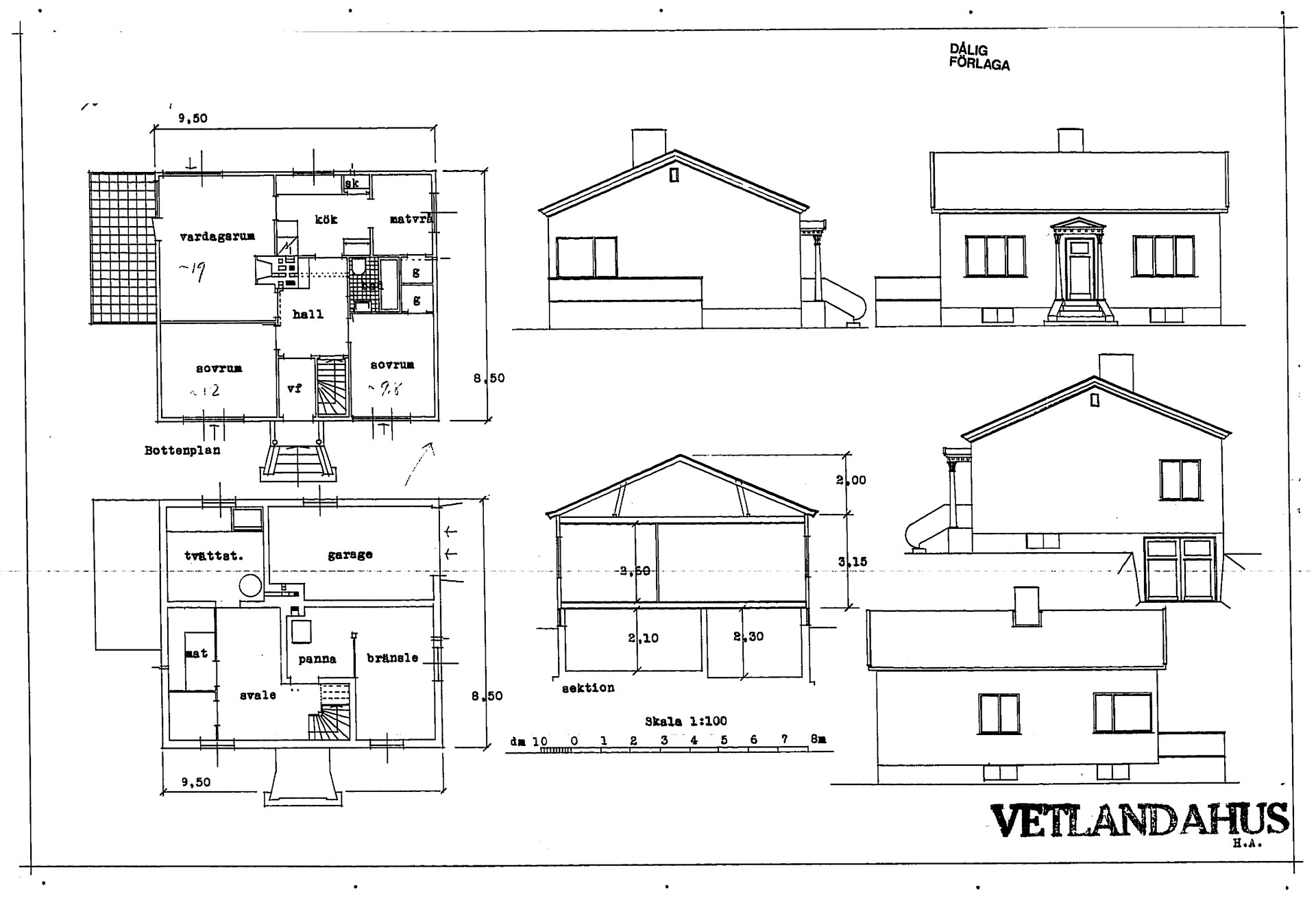
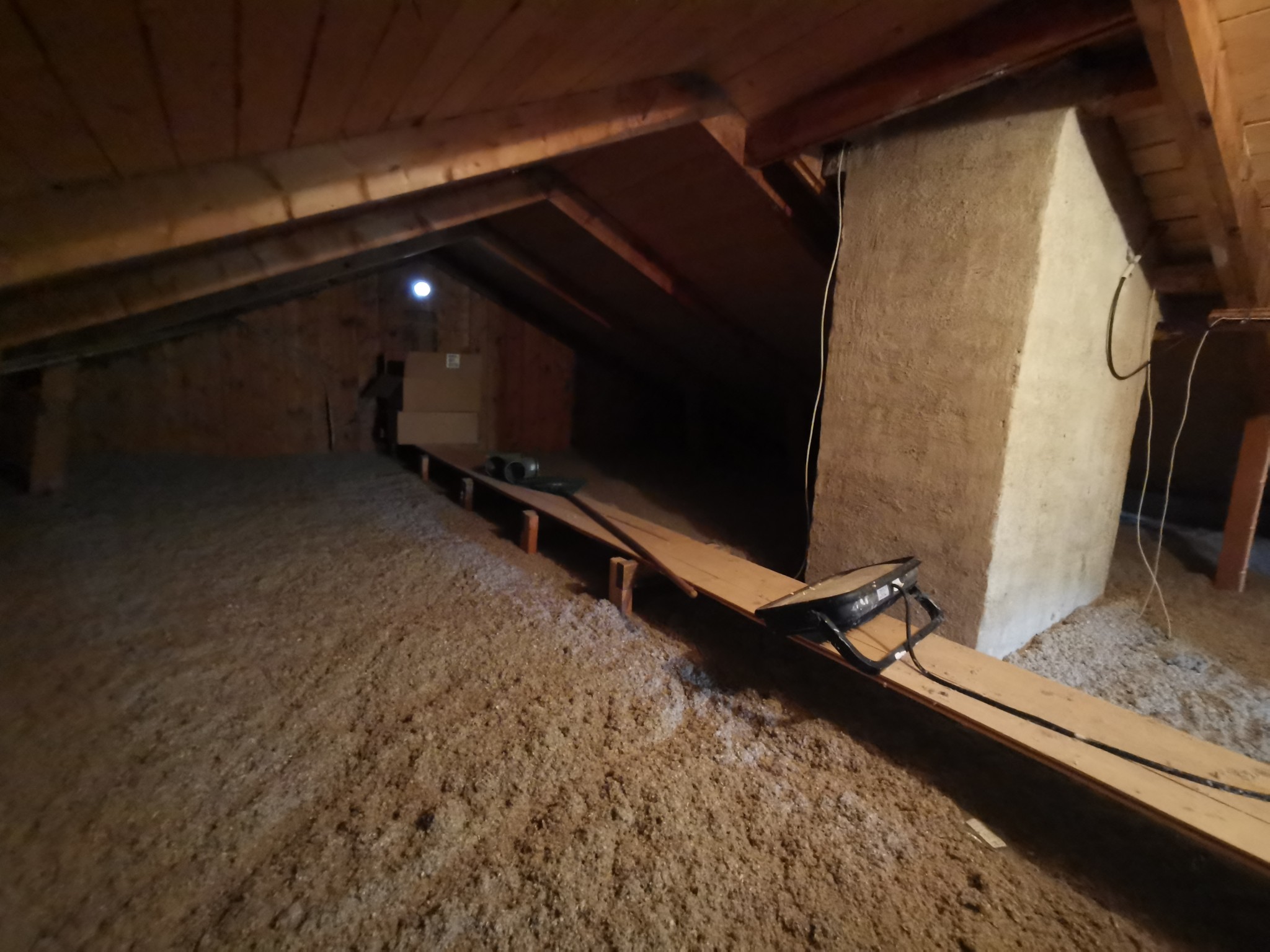
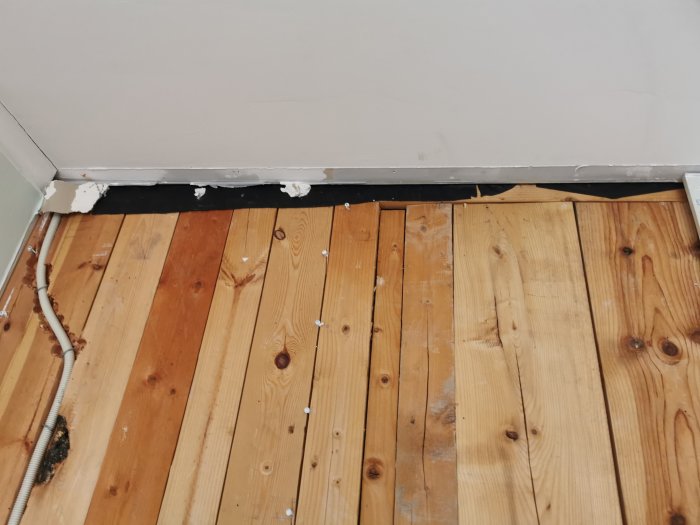
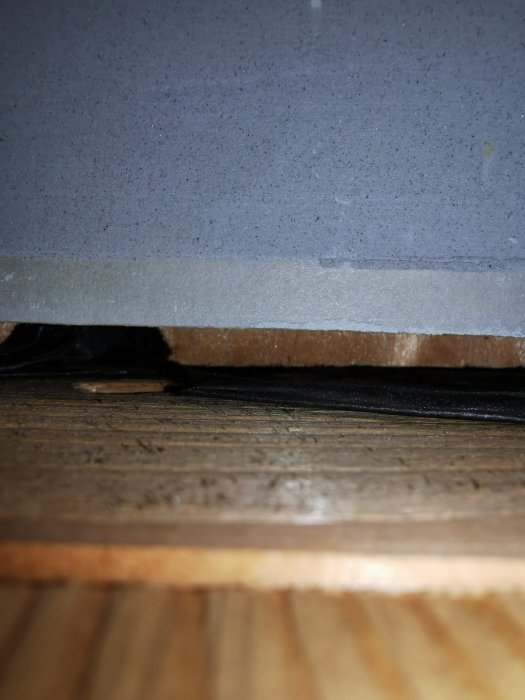
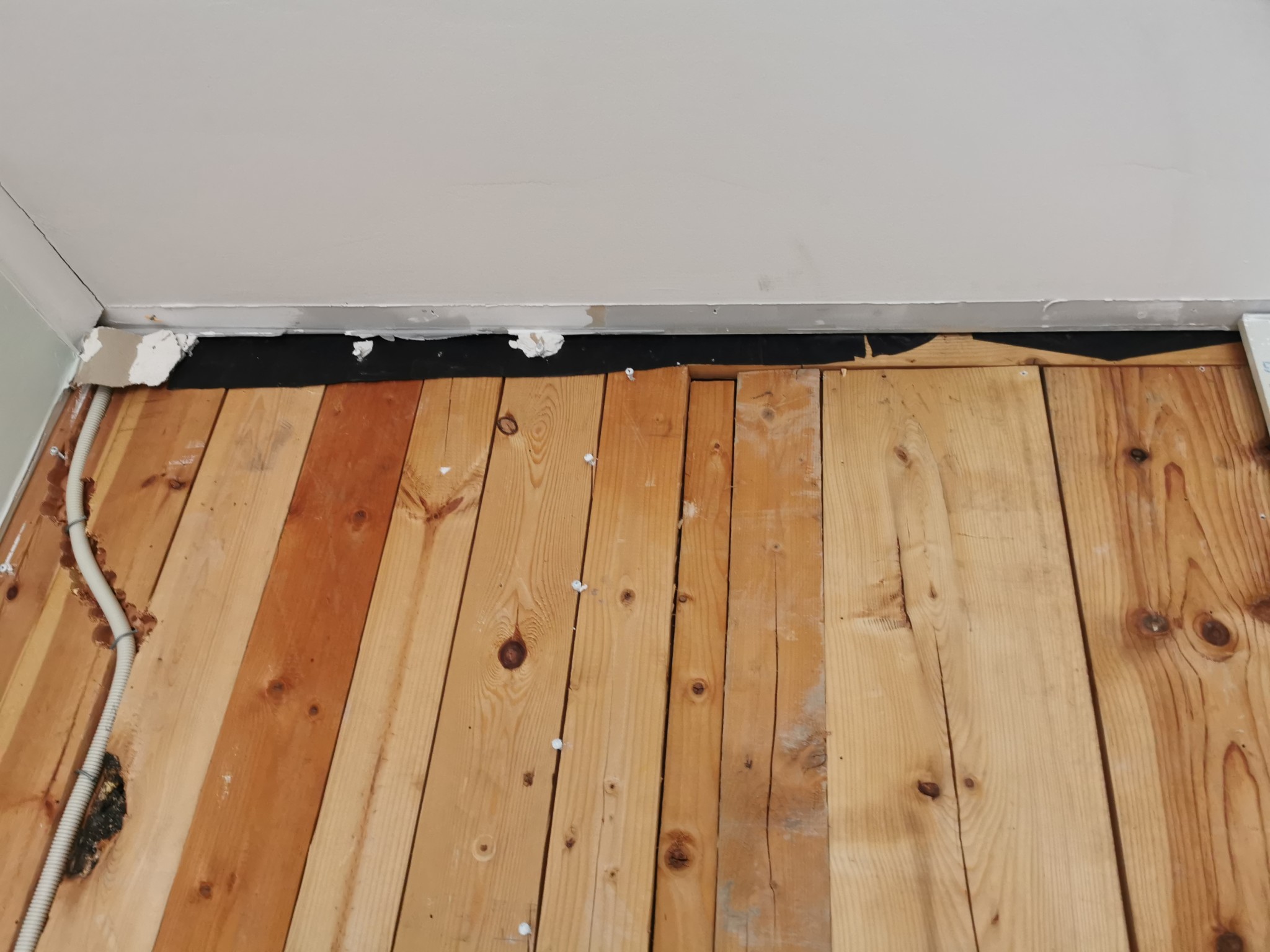
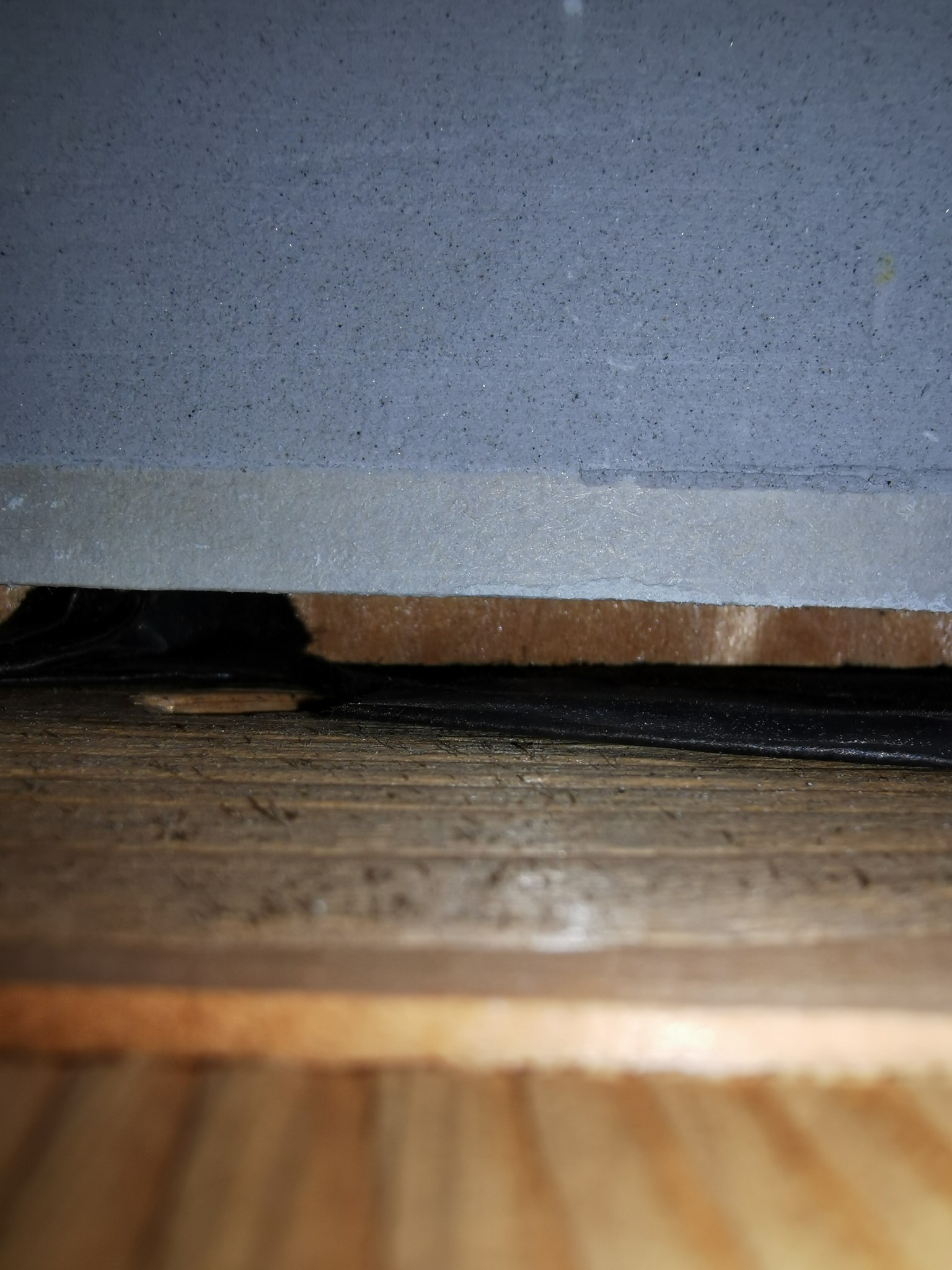
We want to tear down a wall in our house built in 1944, is there any risk that it is load-bearing/stabilizing? It's the wall between the living room and kitchen that is in question. Previously, the floor plan was modified so that the wall between the "nook" and kitchen was removed, and the kitchen is now where the nook used to be. When looking up in the attic, you can see that the rafters run next to the chimney—and thus the wall, I would assume, but I haven't measured it accurately yet.
Thank you for the response. Is there any way to determine whether it is stabilizing? Unfortunately, there is no space to leave a part of the wall as suggested in a guide here on the forum.
I don't think there should be any problem tearing down the wall. It's not load-bearing. It's a plank house with 11/2 stories that's only about 9 meters long, so its stabilizing function is quite limited.
Great! Thanks for the reply. From your answer, it sounds like there might still be room for minimal risk of problems. Should we further ensure by contacting a constructor or similar, or can simply no one give a 100% statement anyway? What do you theoretically risk if something goes wrong, some cracks in some corner, or worse?
Thanks for the response. I've started to take a look now. It's not possible to see much since the gap next to the ceiling gypsum is so narrow. There's some black paper/plastic coming down the wall. The battens/planks into which the ceiling gypsum is screwed seem to be sawed off and connected to the wall. Should I go up and dig in the loose insulation in the attic or alternatively remove a piece of ceiling gypsum to get a better look? Or should I dare to tear down the wall without more info?
You are right about that. It doesn't hurt to have a little reflection during the journey on such an important detail, I thought. But if I rephrase the question a bit, it looks like there will be a hole going straight up to the attic, does that match what was expected?
Click here to reply
Vi vill skicka notiser för ämnen du bevakar och händelser som berör dig.