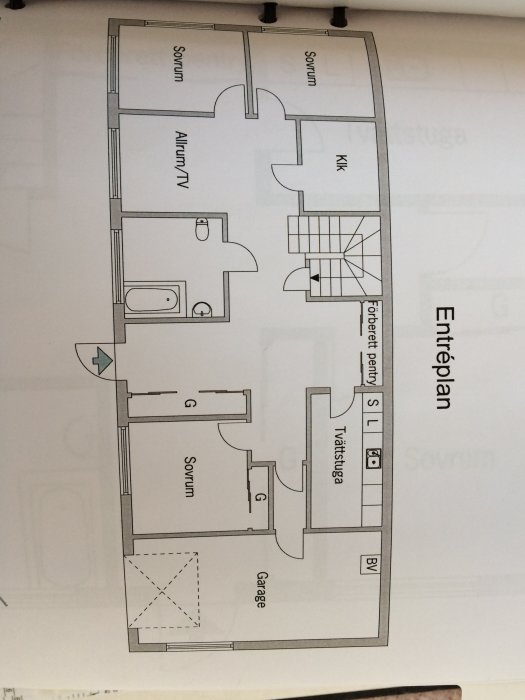
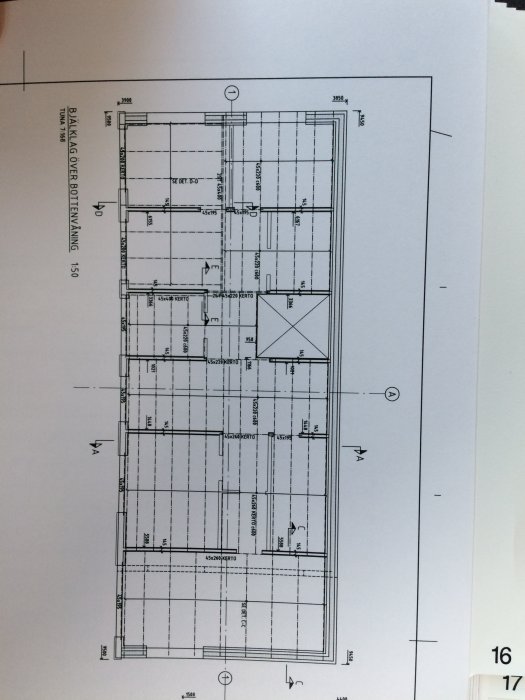
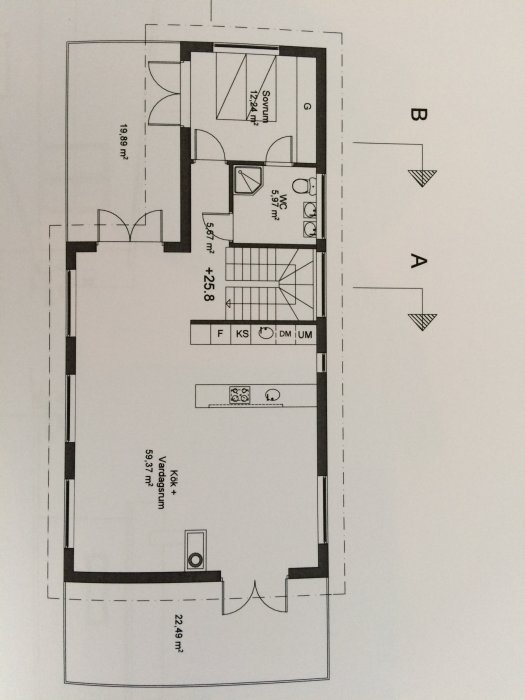
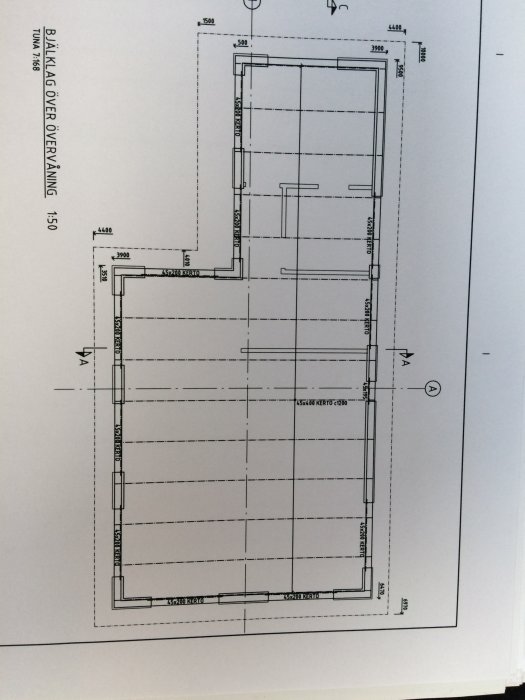
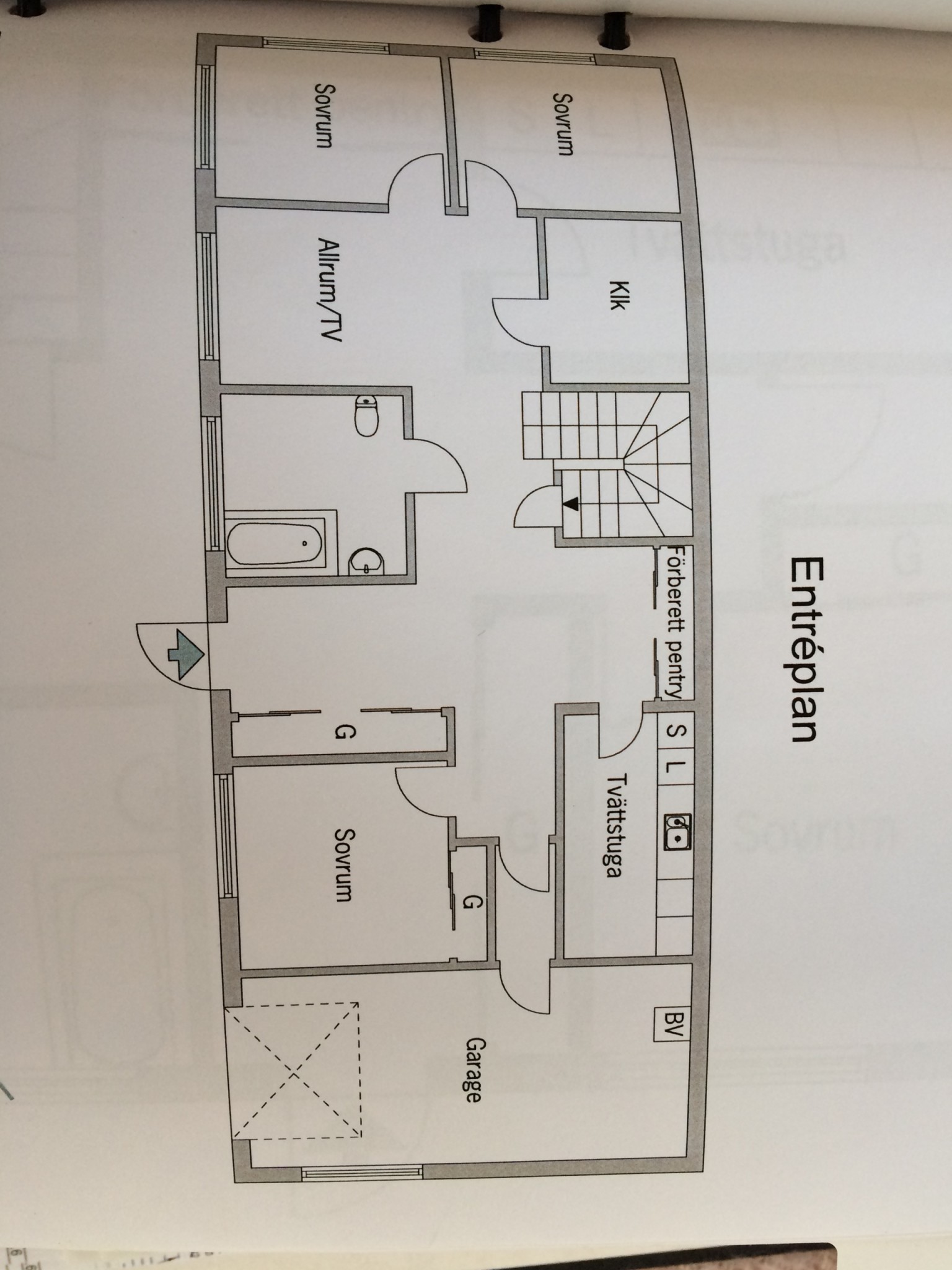
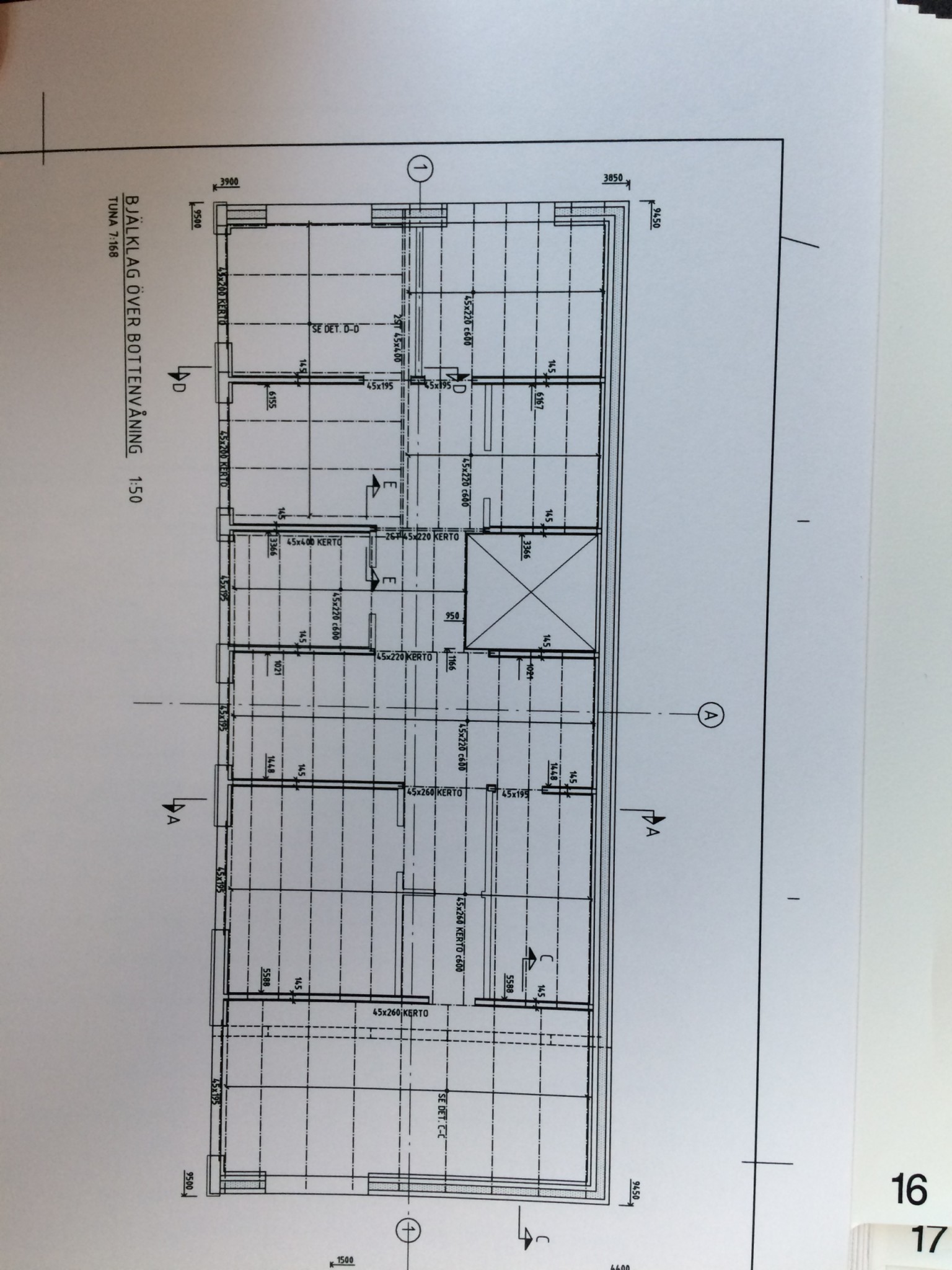
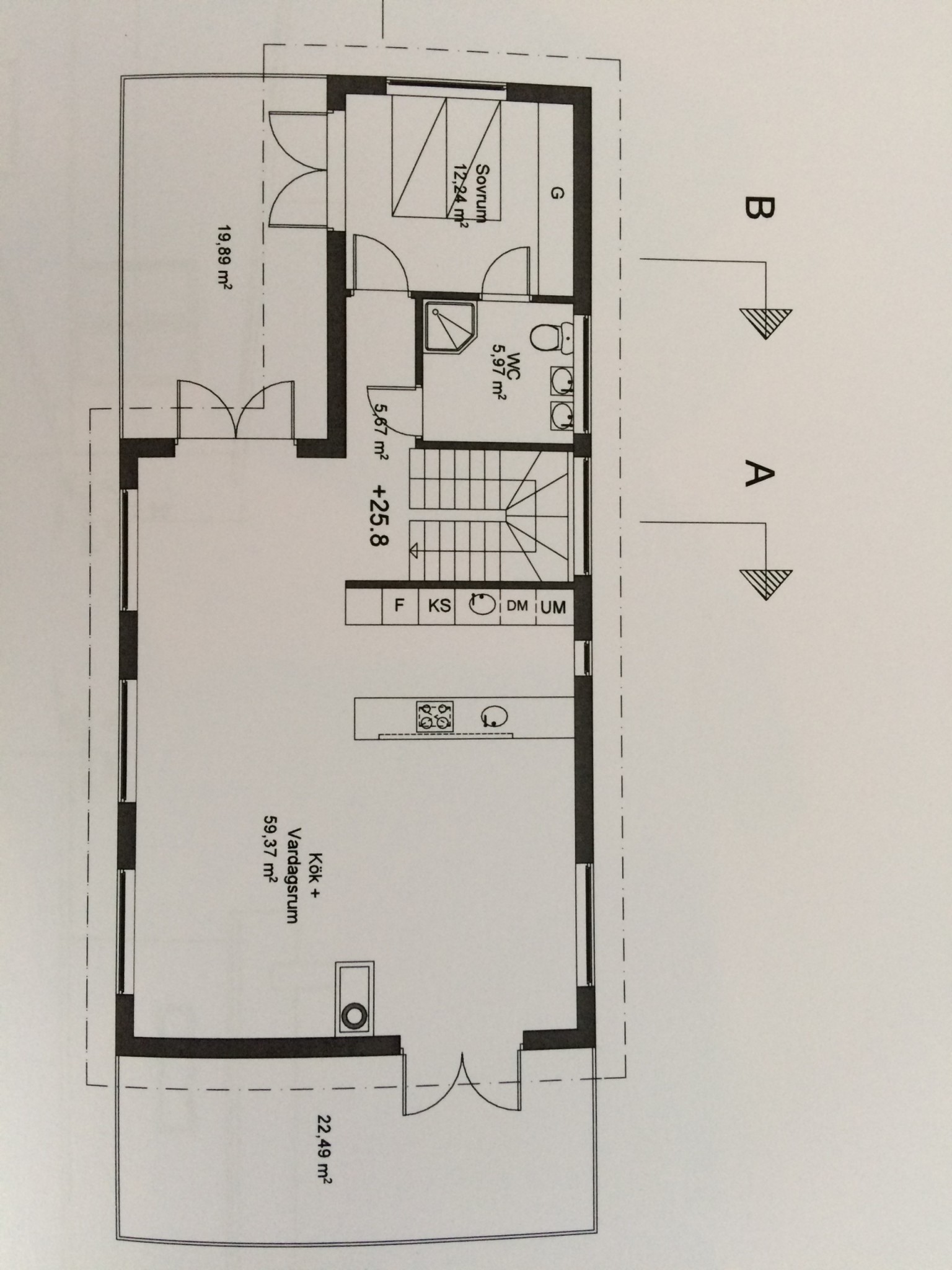
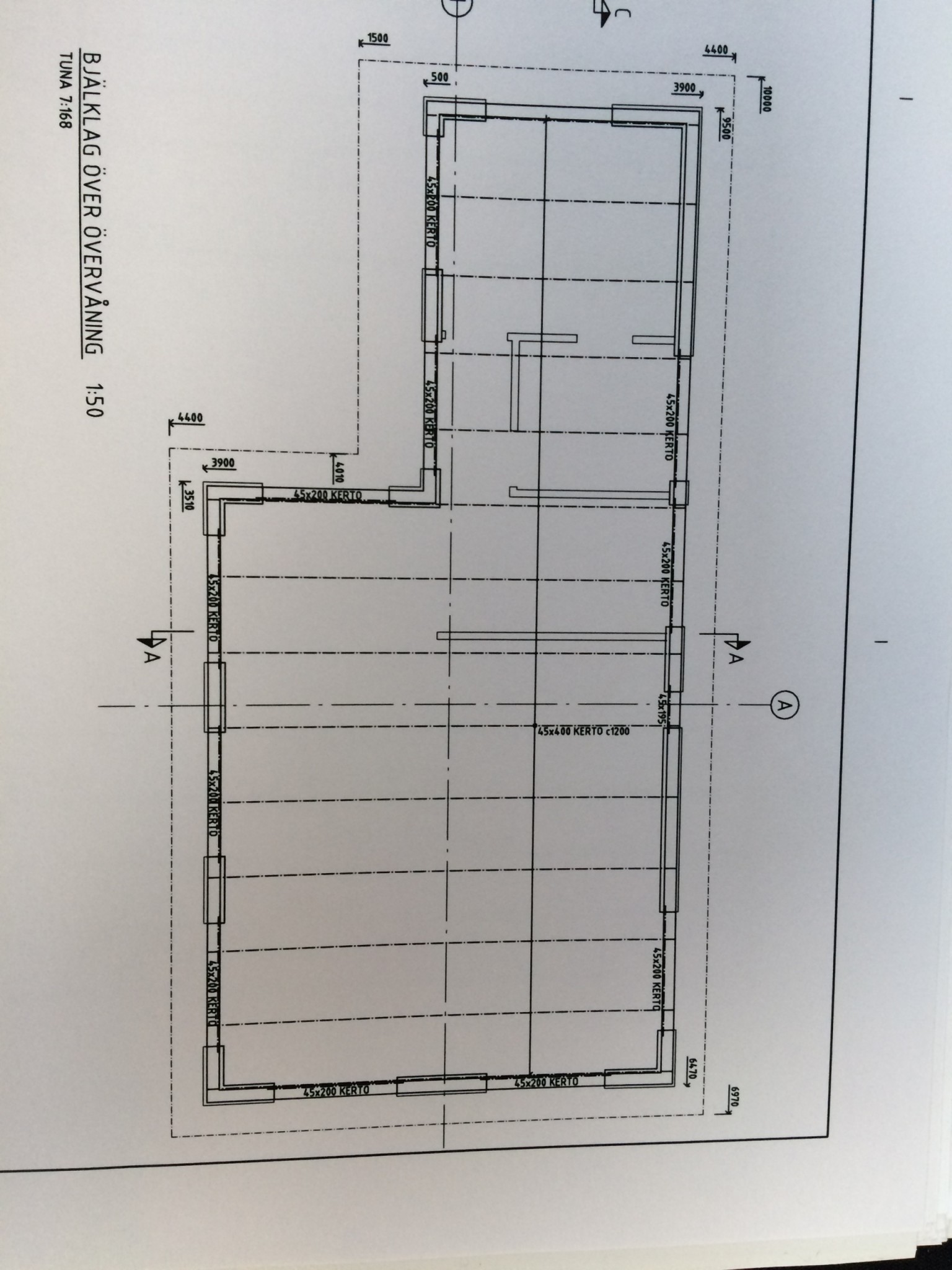
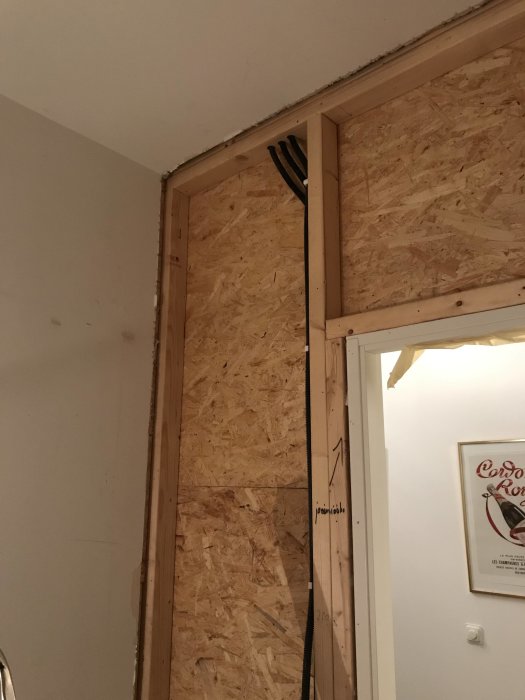
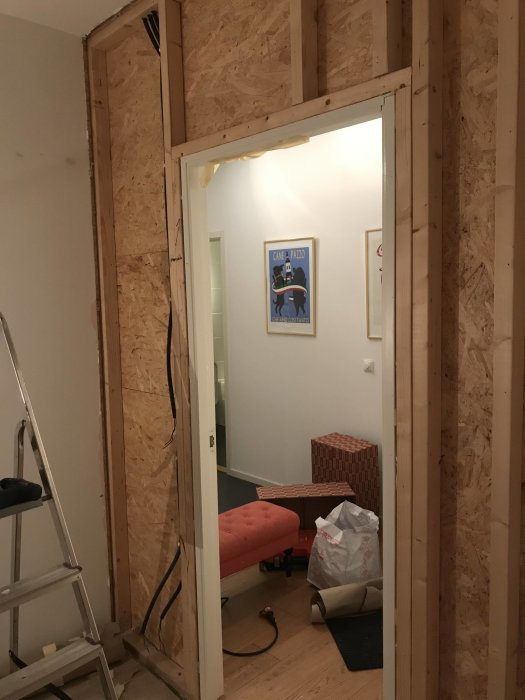
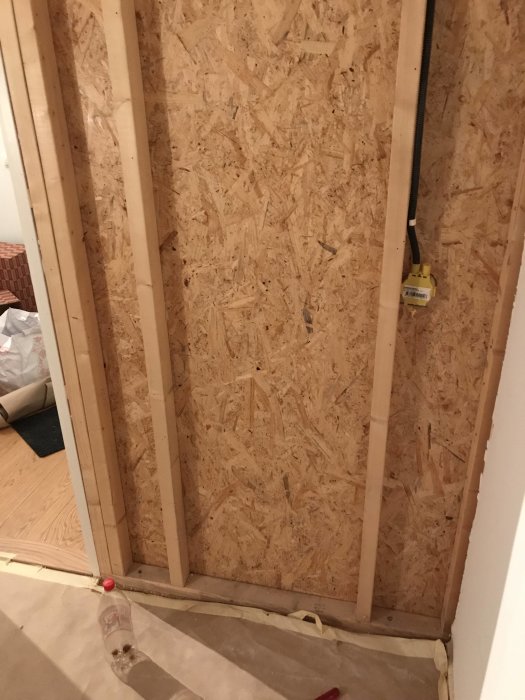
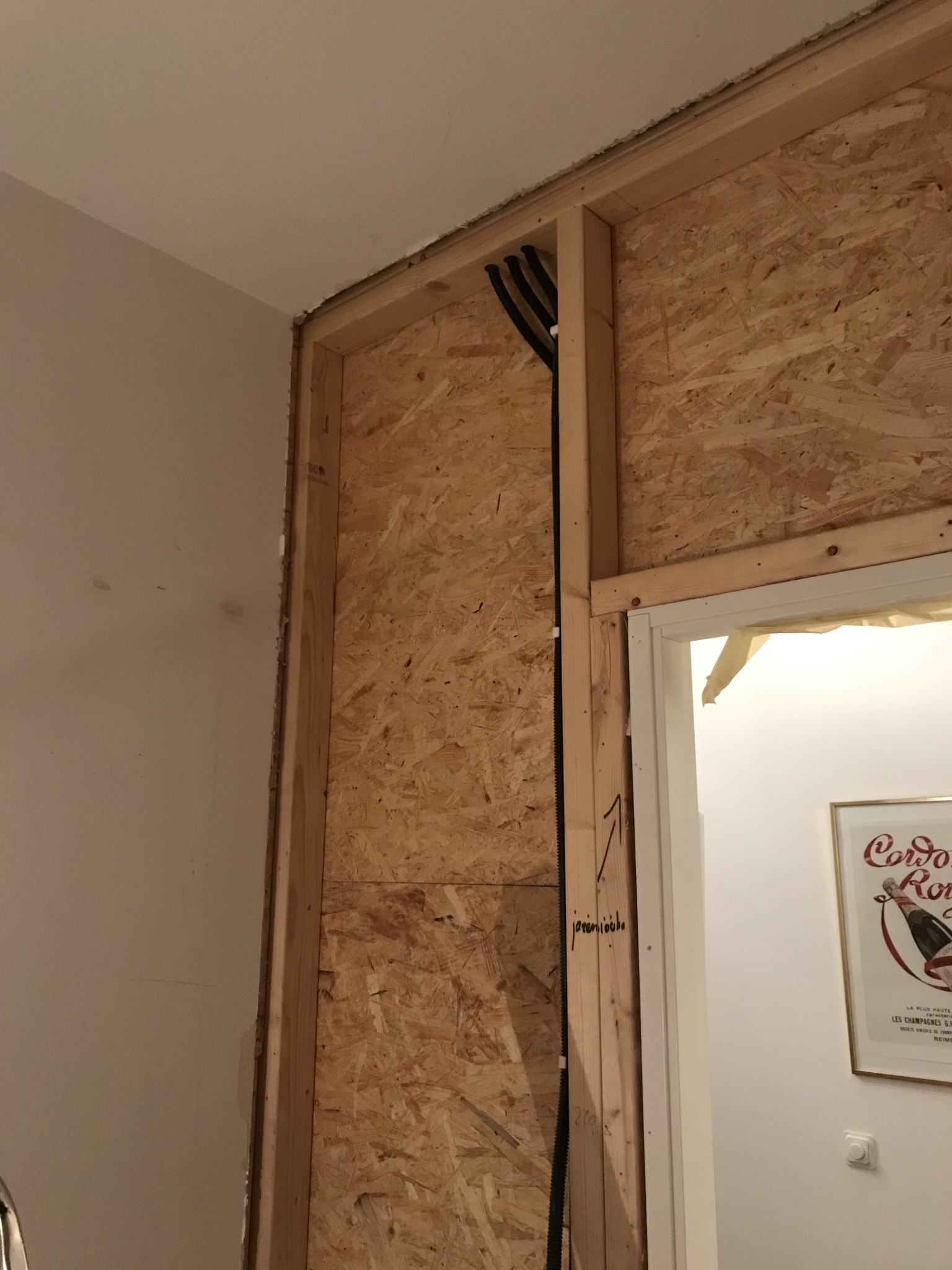
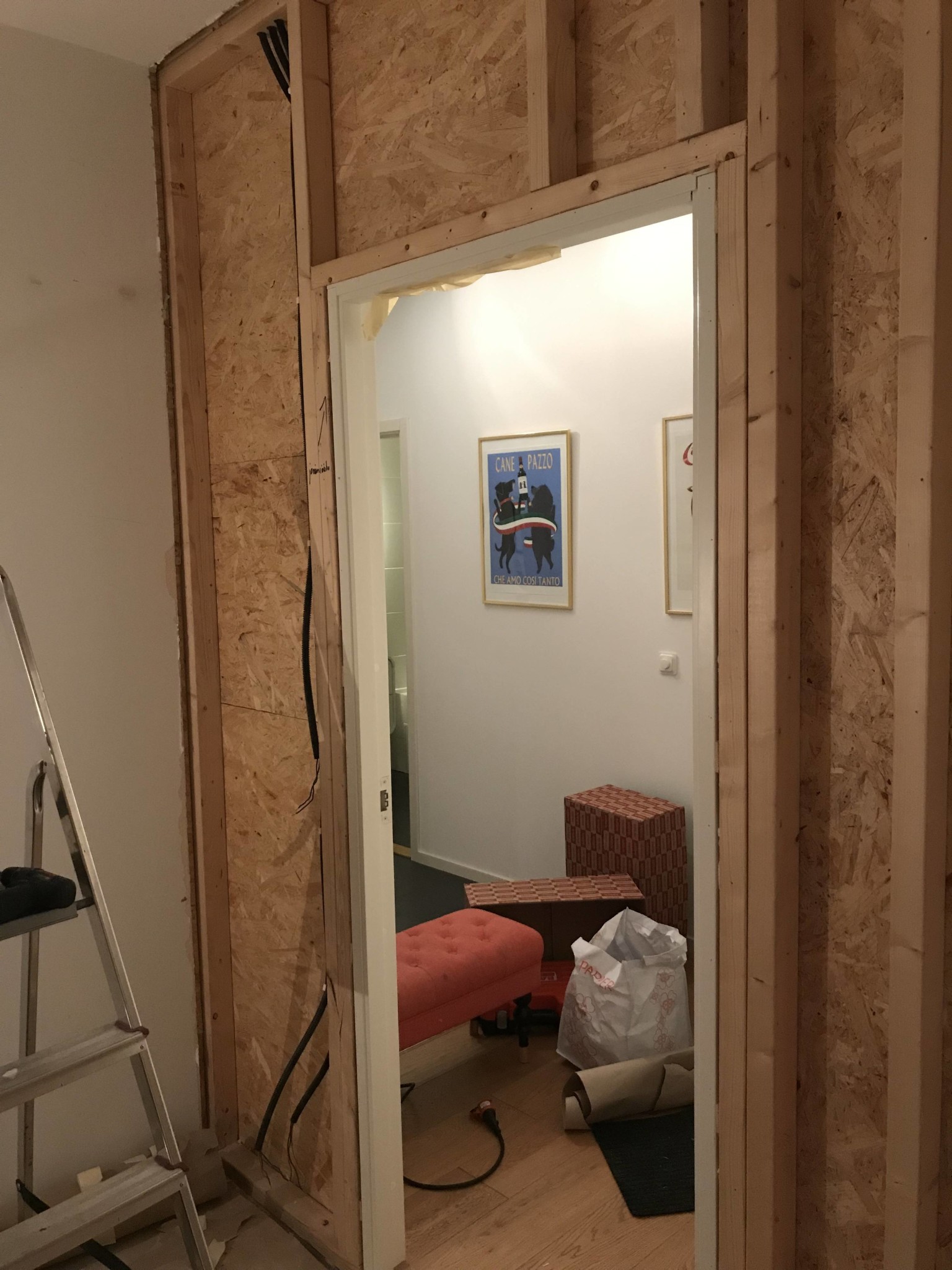
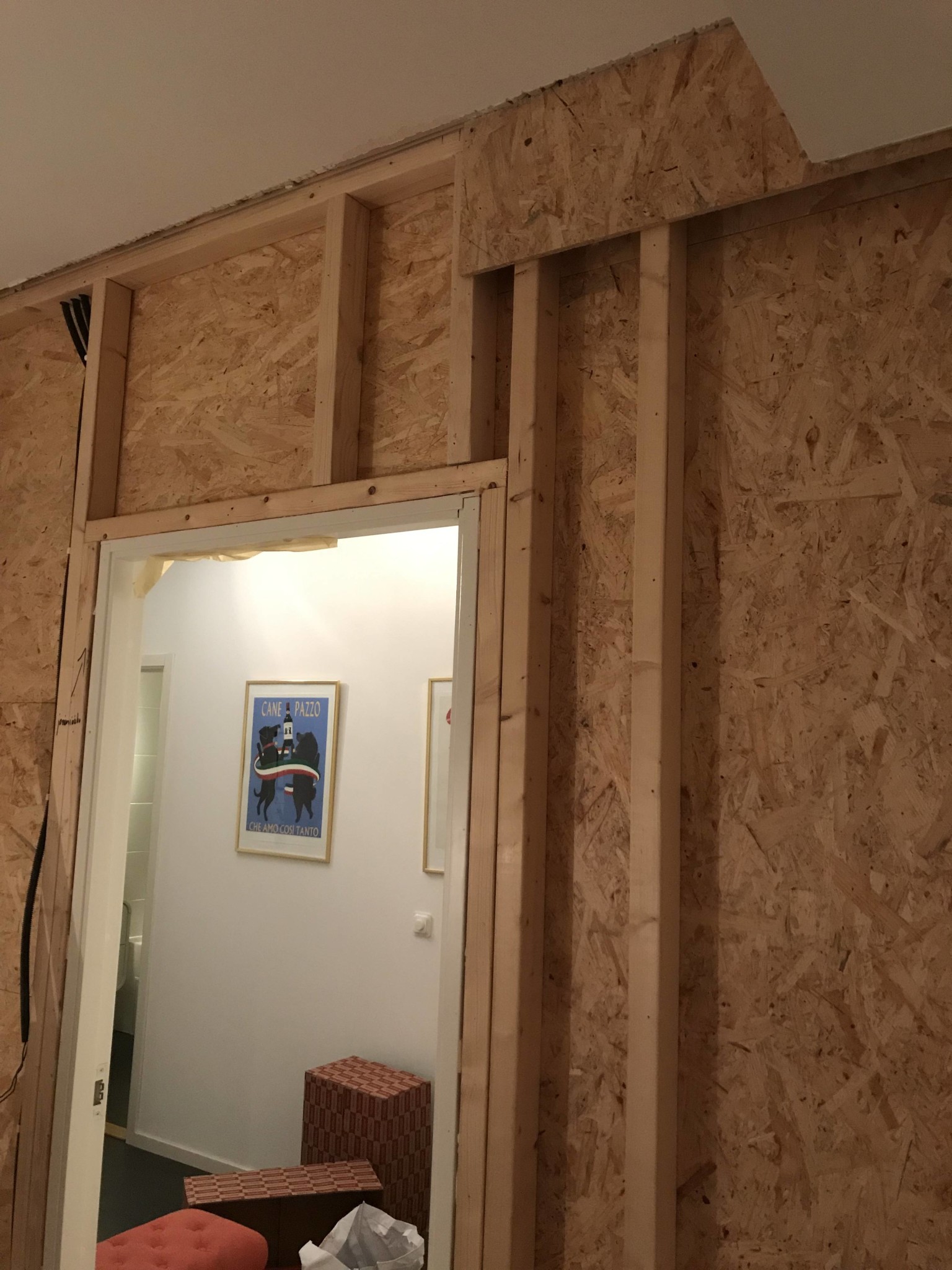
I would need confirmation from you that a wall I want to demolish is not load-bearing. It's the interior wall with a door leading to the closet (klk) on the entrance level that I'm considering. I want to demolish it to create a TV corner/lounge. The layout in the pictures is no longer accurate since the previous owner removed the former lounge to create a larger bathroom with a sauna.
Thanks for the response (and sorry for my late reply).
I'm in the middle of the demolition and just wanted to check if anyone else sees anything indicating that it's load-bearing?
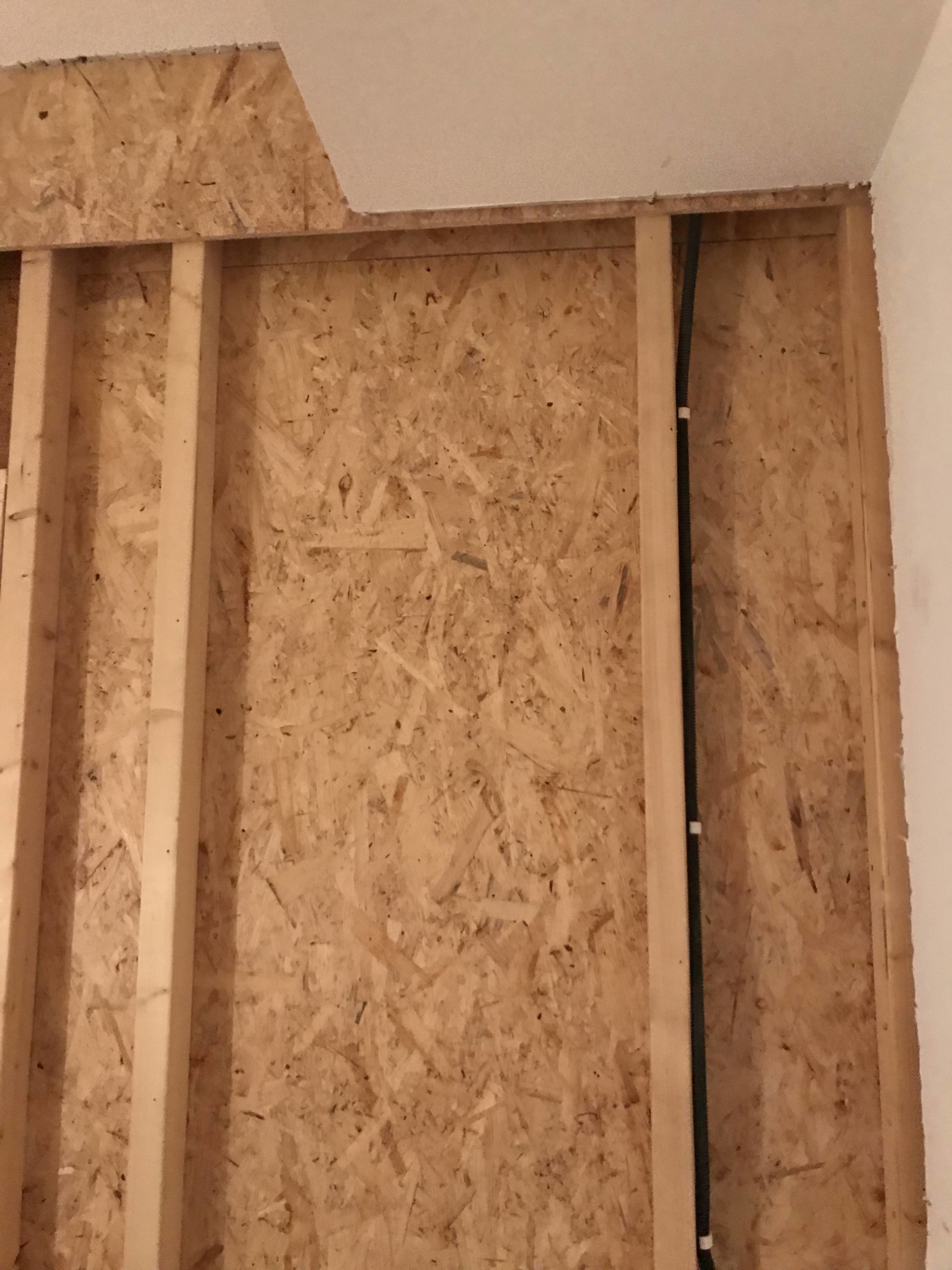
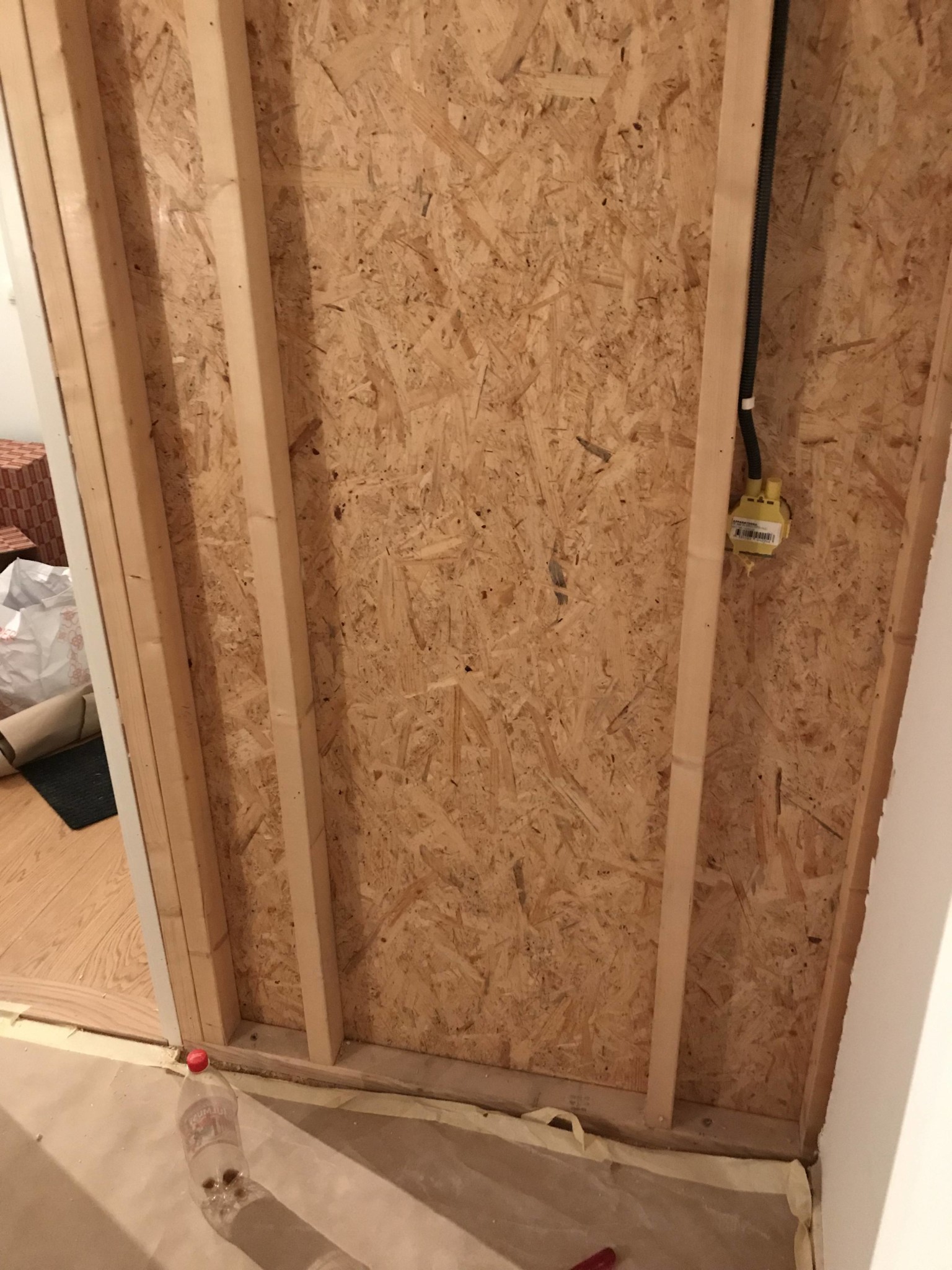
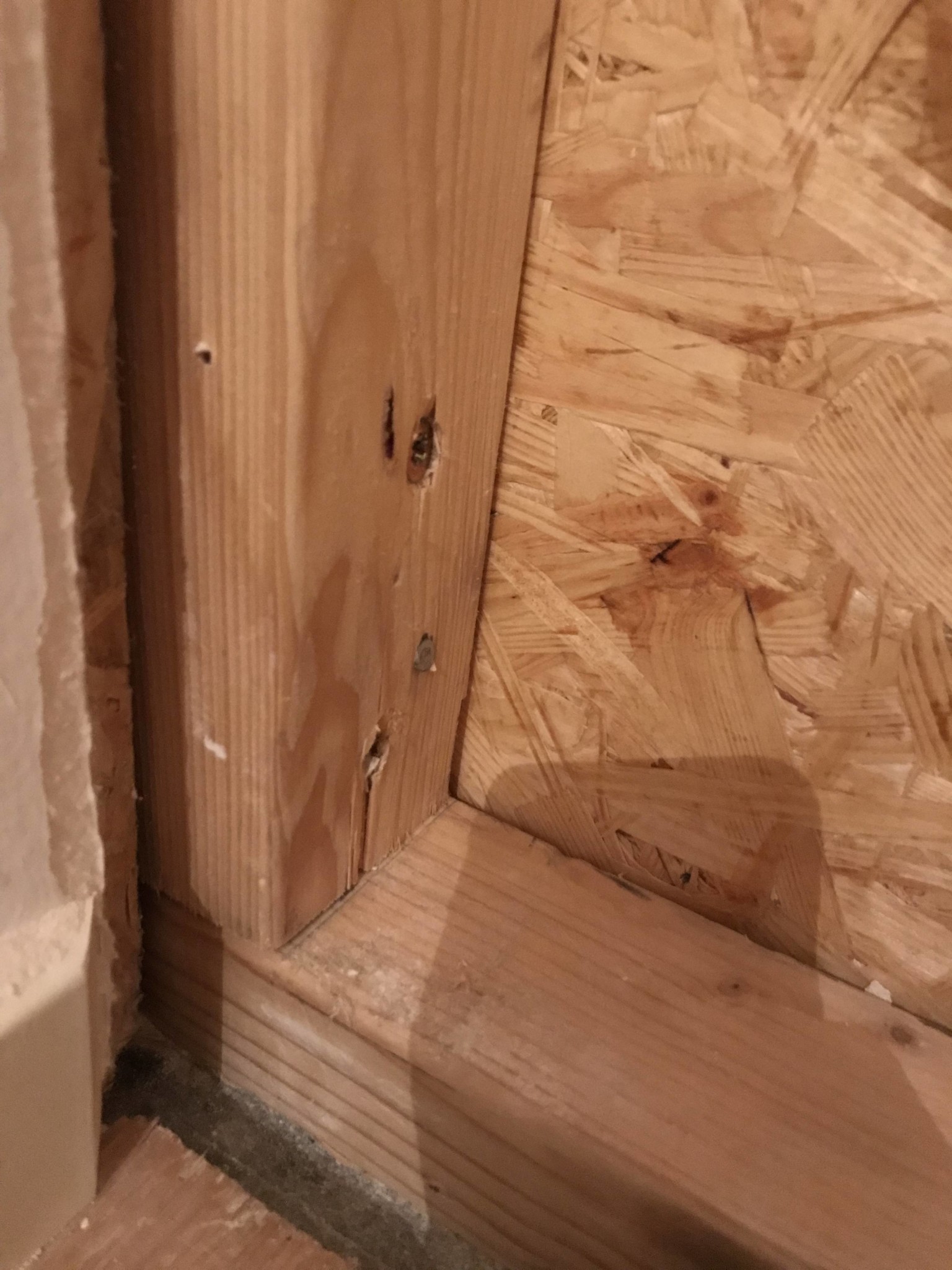
I'm wondering what to do with the "frame" of the wall. It sticks out a bit, so if I keep it, there will be a frame where the wall previously stood. I'm also not sure how to deal with the bottom plate that the vertical studs stand on. I sort of need a jigsaw to cut it, and it won't be easy since the parquet is in the way at the bottom (the wall stands on the slab).
By the way, I saw the tip about using magnets during drywall demolition - insanely good!!
What you call the frame is part of the structure of the wall, has no other function. No problem to demolish. The floor rule can probably be broken loose when the other rules are removed.
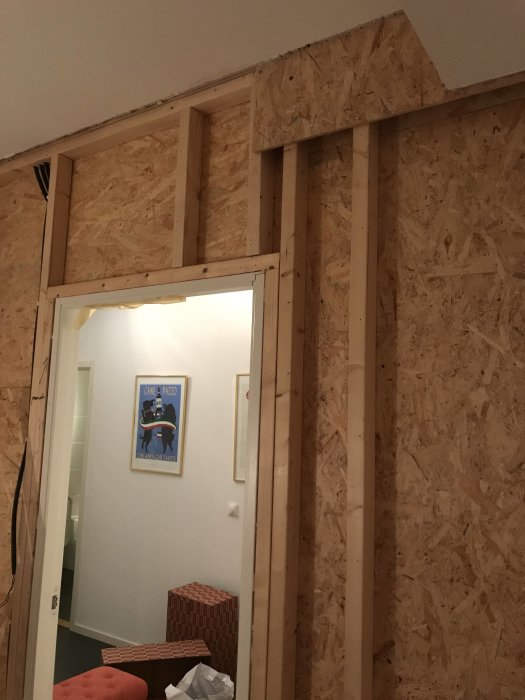
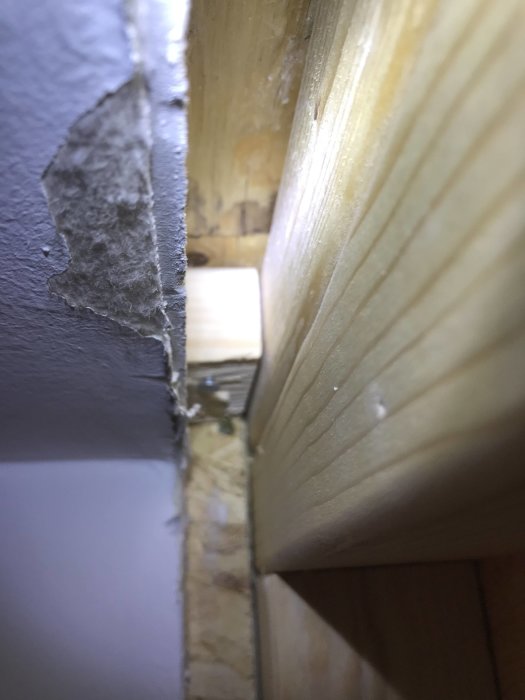
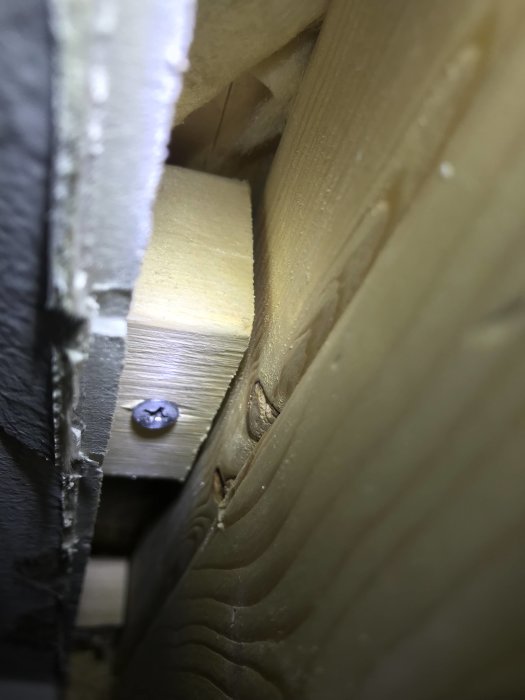
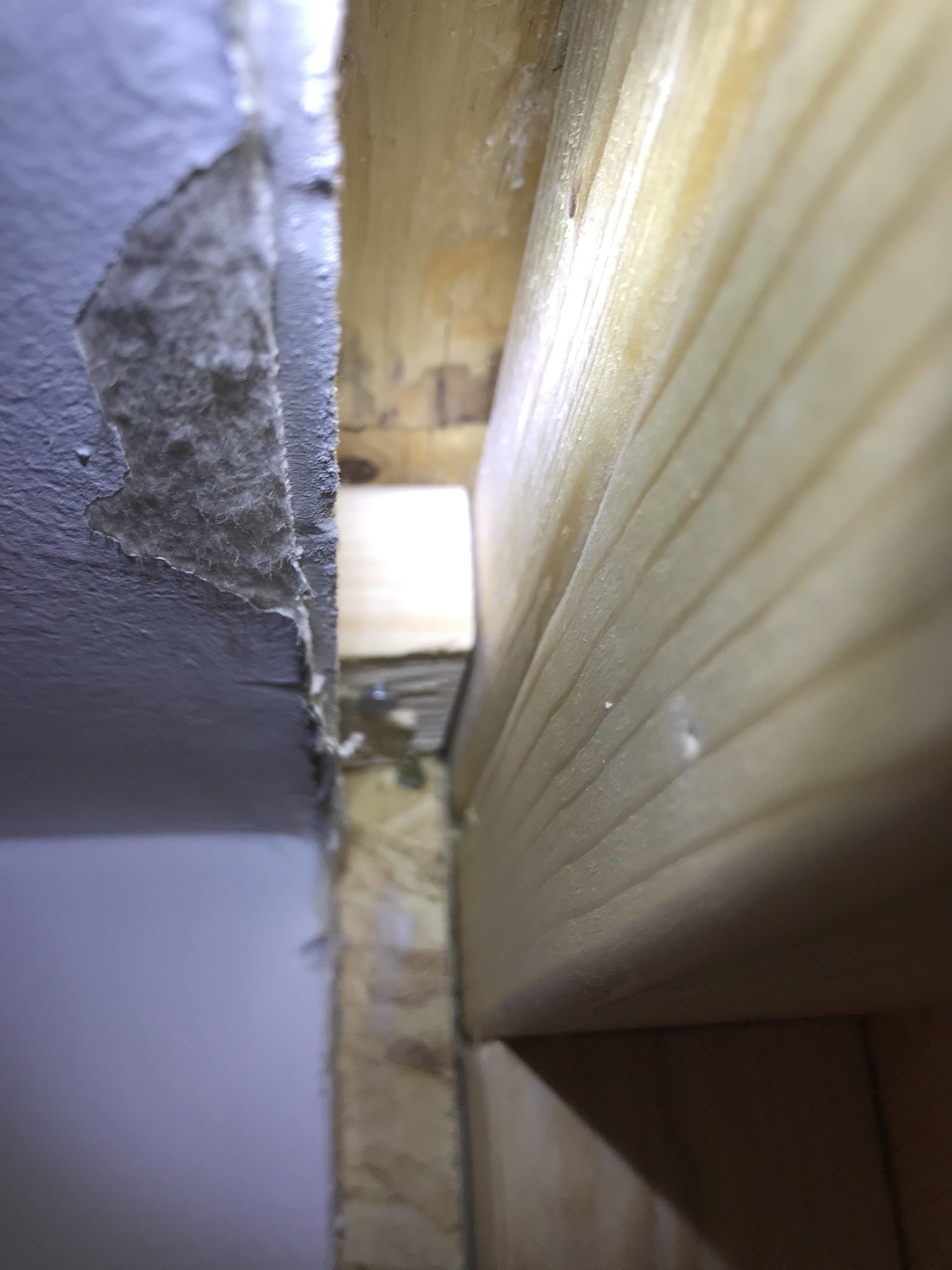
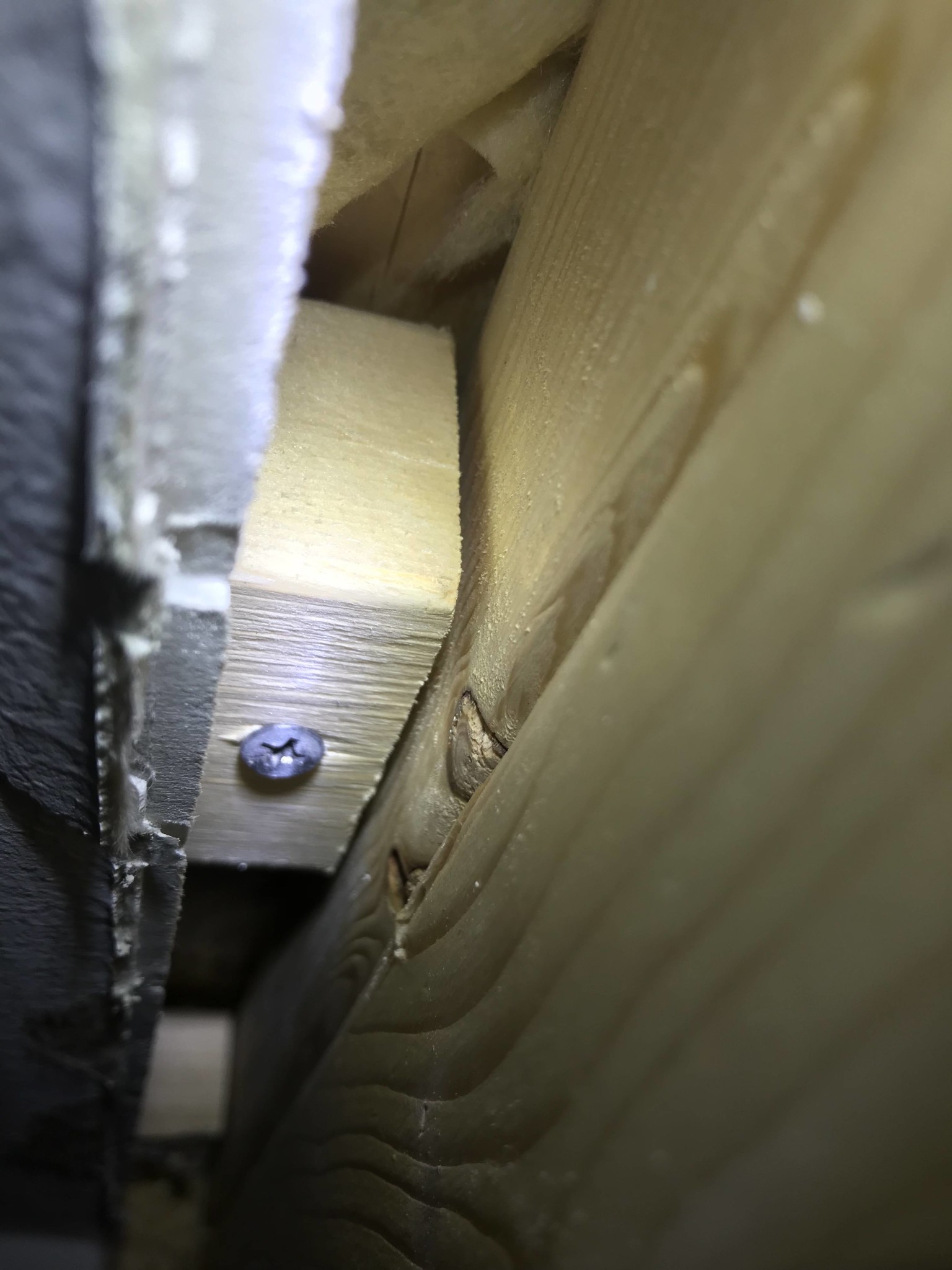
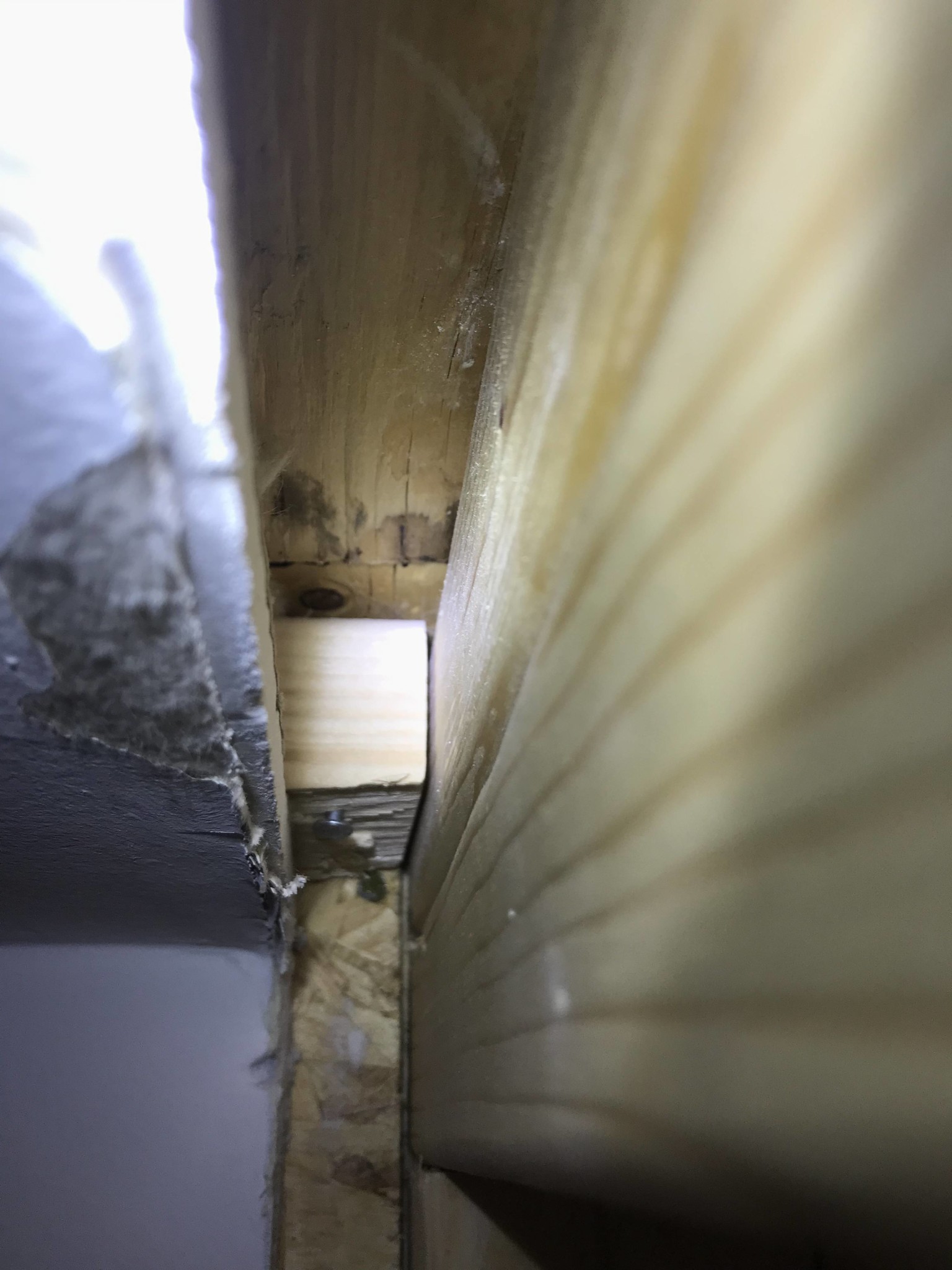
I'm still a little unsure about what happens when I loosen the standing studs. There are two studs on top of each other. Why there are two, I do not know, maybe it was needed to get up to the right height so the framework would fit, but I do not see where the lower stud is attached at all. There are no signs of screws or nails.
The screwed stud that protrudes from under the plasterboard, I interpret as where the plasterboards in the ceiling are screwed.
See nothing strange. The plaster in the ceiling is attached to the beam as you assume. I wouldn't hesitate to dismantle the vertical studs, then you have a better chance to see how the lower ceiling beam can be dismantled; it has no function without the wall. If you still can't see where it is attached (it might have been screwed together with the upper one when it was put up), you can saw off the lower ceiling beam and take it down in pieces. The upper ceiling beam should remain and become part of the base for the board you use to repair the ceiling.
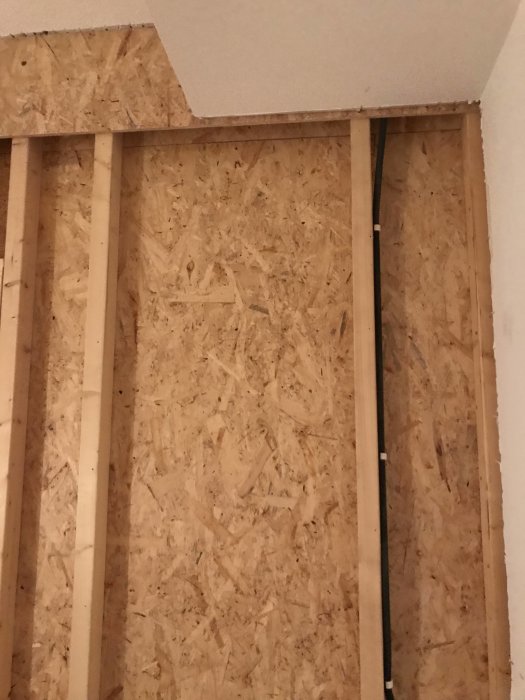
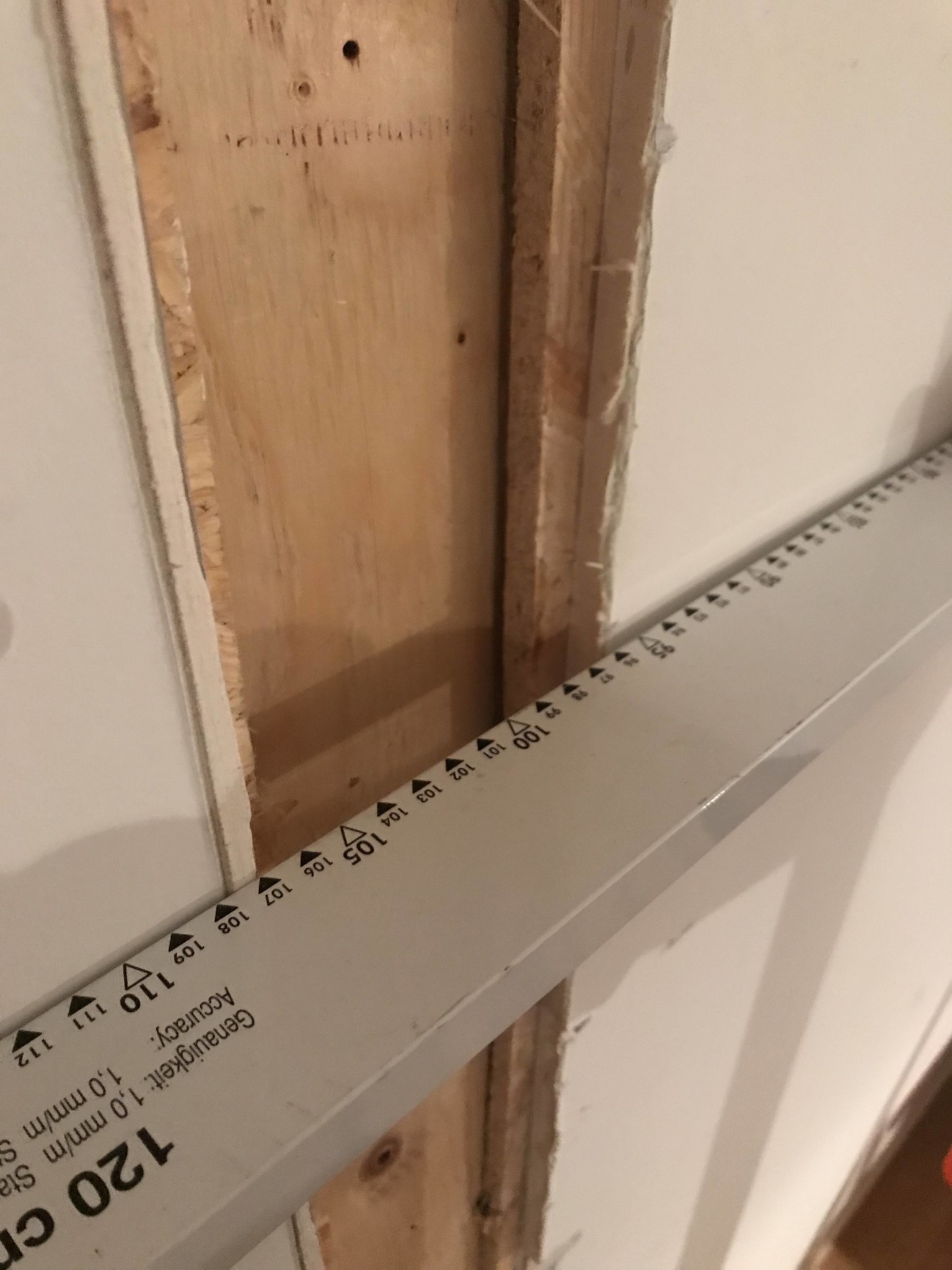
What do you think about this? Loose plywood sheets are behind the gypsum+plywood. The gypsum boards are not aligned with each other, differing in some places by 0.5cm
I think they have placed the plywood halfway against the studs to be able to attach the outer standing stud to the wall I demolished. Probably a "simple" solution since they had already framed the wall and put up the plywood when they realized that the wall I demolished also needed to go up and they didn't bother to set another stud. In some places, the plywood doesn’t flex, but in the middle, it's really loose and there's about a 0.5cm gap between the drywall sheets. Solution?
Those are the types of surprises you have to be prepared for (I've experienced worse).
It's a bit difficult to suggest measures just based on pictures, but if the rest of the wall is stable and won't be subjected to any major stresses, I would probably just put drywall in the "opening," possibly place a strip of plywood or OSB attached at the edges with sealant against the existing OSB under the drywall.
If the height difference is no more than 5 mm, I would apply a wide joint compound on the seam.
Click here to reply
Vi vill skicka notiser för ämnen du bevakar och händelser som berör dig.