We have a part of our interior wall that we're unsure is load-bearing or not.
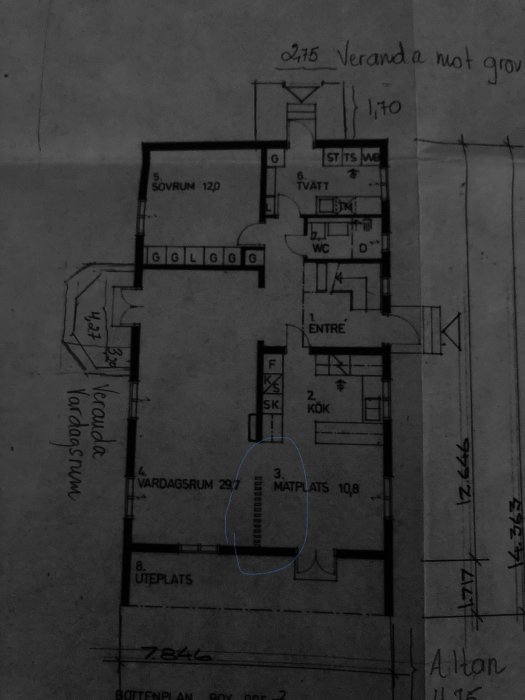
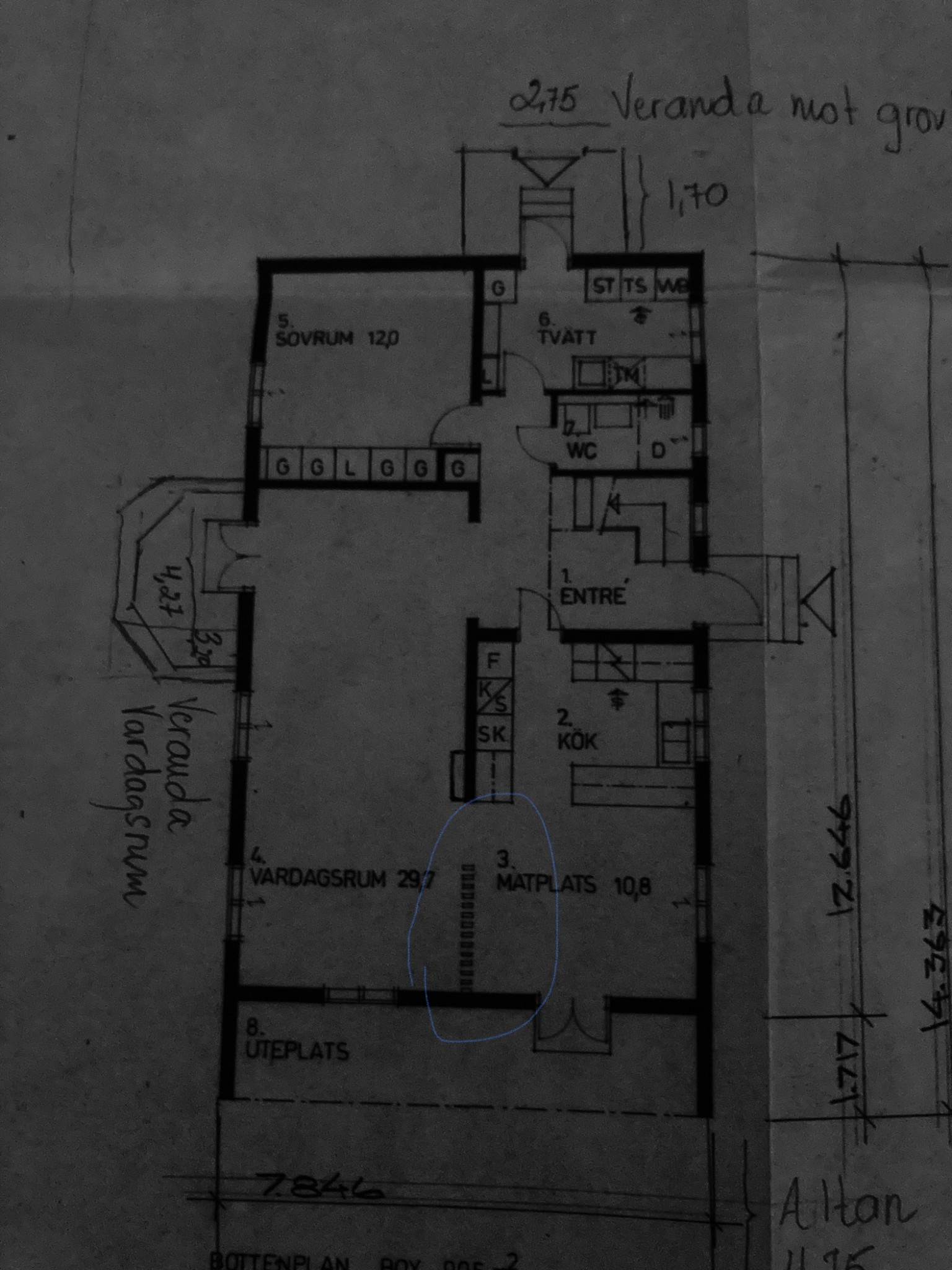
The house was built in '75. It is a core wall, so you would think it's load-bearing. BUT, blueprints show the wall as dashed instead of solid.
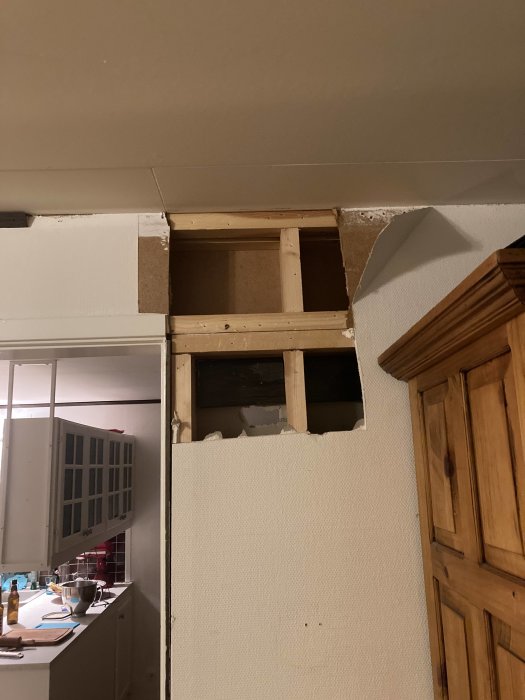
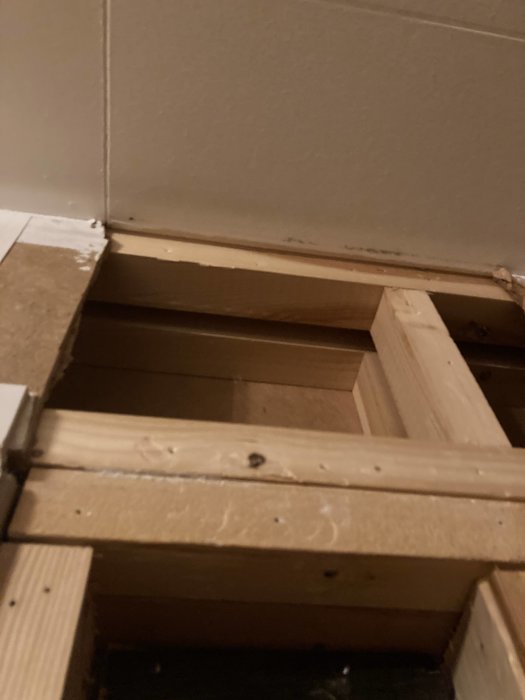
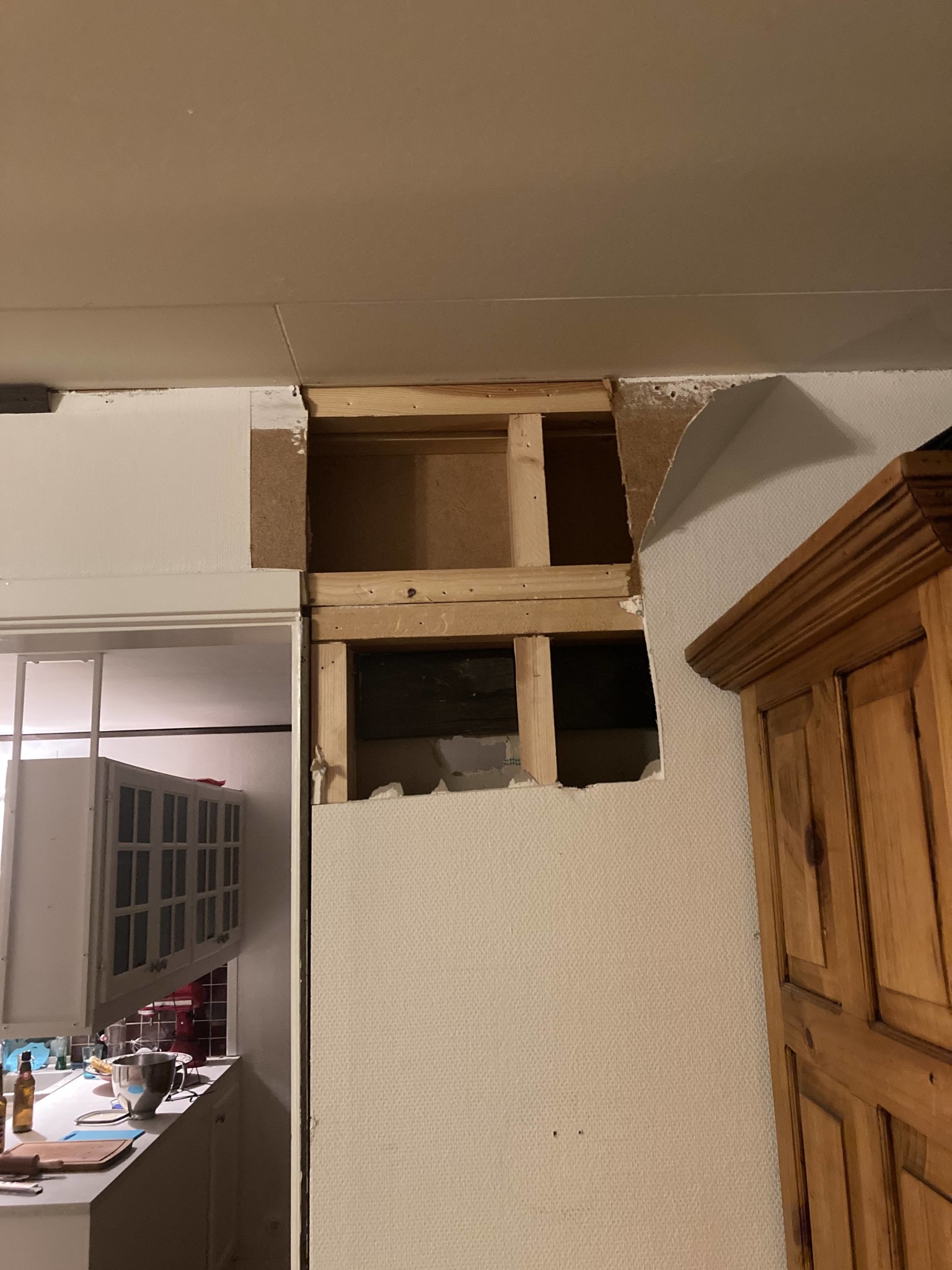
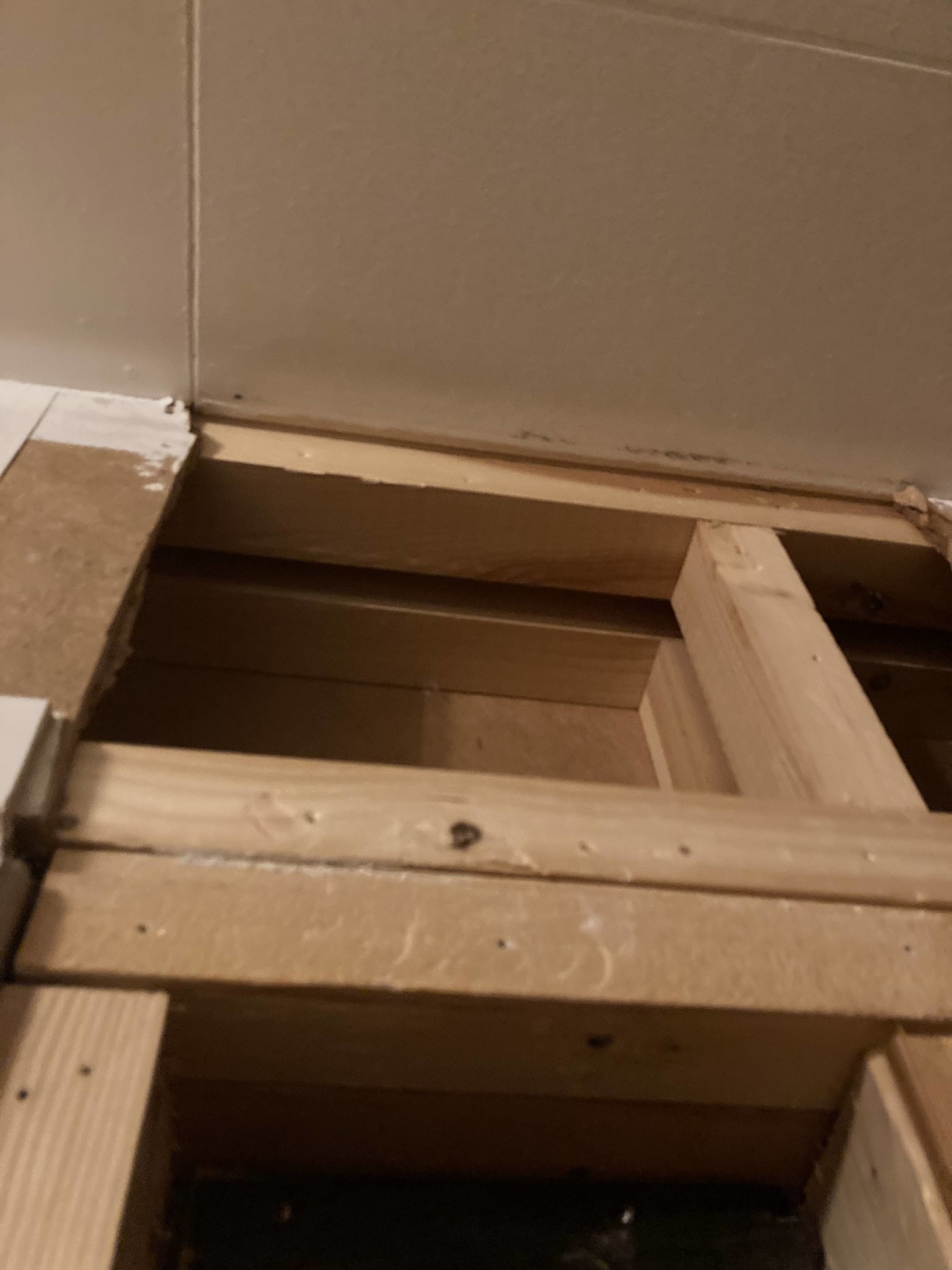
I have removed some of the drywall and wood paneling to get a look inside the wall. When you look up between the gaps at the top, you can see something directly on the ceiling drywall. It's very strange to me.
With such limited info, can one know if the wall is load-bearing or not?
It looks like some kind of homemade box beam, whose load-bearing capacity has probably been reduced by tearing off the board on one side. The lines mark a planned room divider in the form of a trellis. If the dimensions of the box beam are known, it is possible to calculate how it stands in relation to a glulam beam and in relation to the loads that are relevant.
hi, that's actually what we had in mind. I agree that I have compromised the beam (if it actually is a beam) however there is still a wall underneath it. In this hypothetical situation, the wall is non-load-bearing but it definitely carries weight for now. I will fix it anyway.
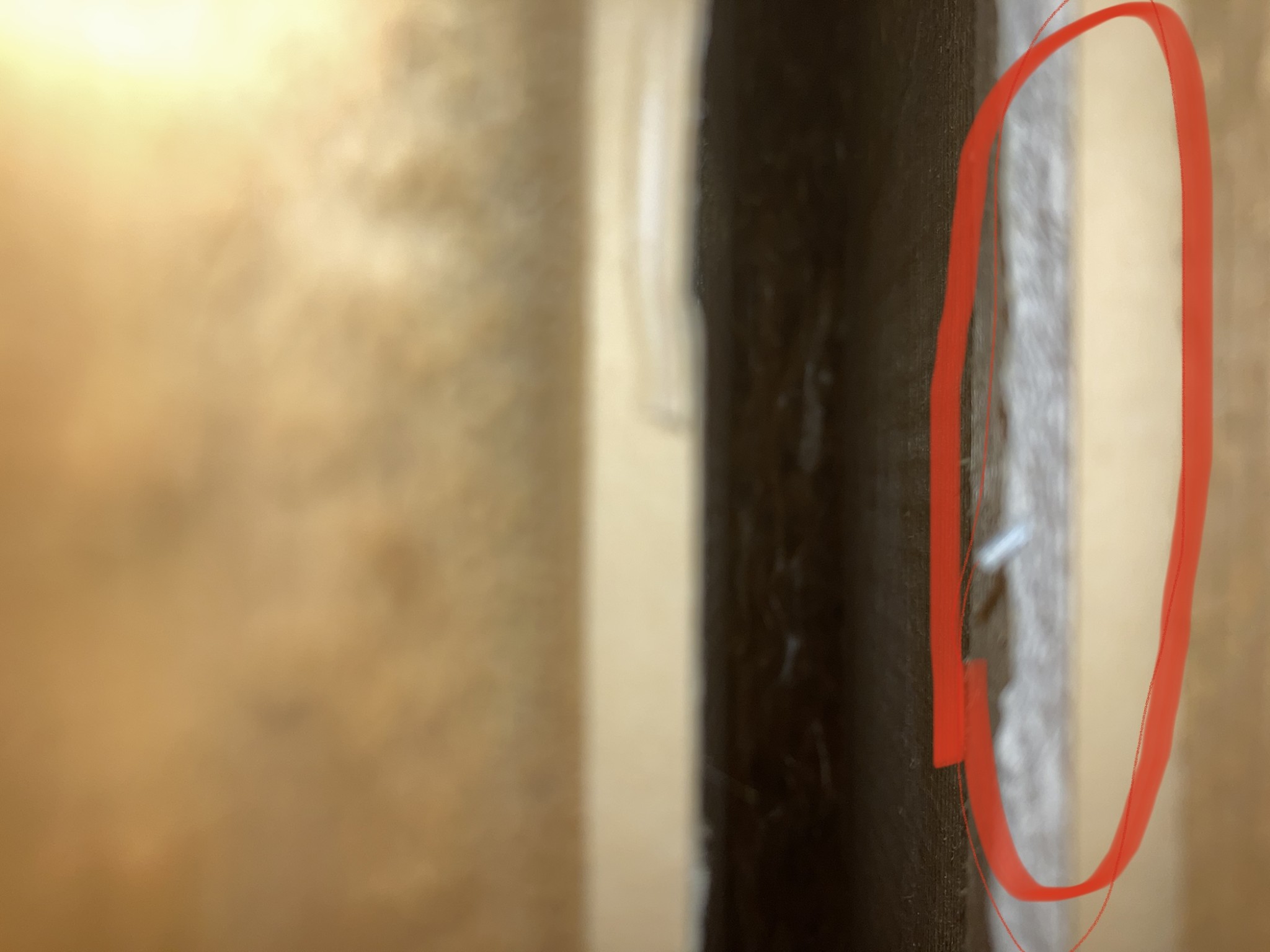
If it is a beam, what confuses me is that layer of plaster sitting above. Can one rely on plaster in that way?
The question is also whether the beam can be trusted enough to remove the wall underneath.
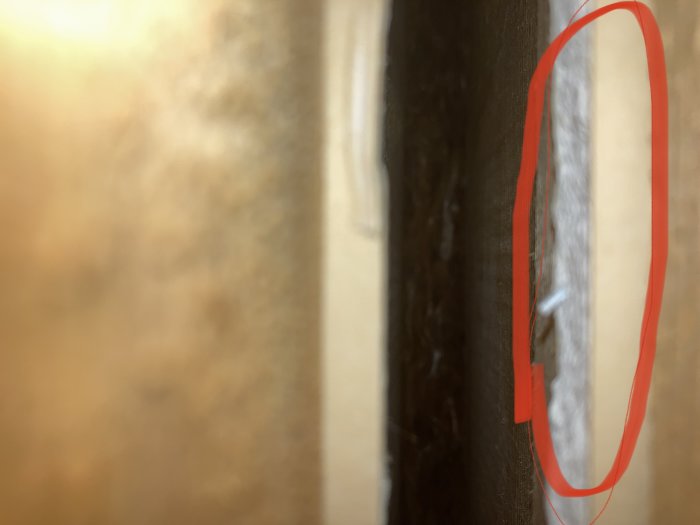
Yes, I know that. It's just that this wall is built a bit strangely. My last picture has been taken when looking up between the gaps at the 'beam'. There you can see that the ceiling panels (in plaster) are lying on top of the 'beam'. I'm not a professional but have never seen plaster support like that.
Click here to reply
Vi vill skicka notiser för ämnen du bevakar och händelser som berör dig.