
1,956 views ·
10 replies
2k views
10 replies
Large and wide holes in kitchen wall .. how do I fill them? CRISIS....

Hello!
I'm renovating the kitchen myself and as usual, when I finally got rid of all the old furniture, there were unpleasant surprises. The apartment is from the 50s and not of the highest quality, I must say.
Behind the corner furniture, there were 2 quite wide and deep holes where an old wall shows itself.
I don't have the possibility to call any company both time-wise and due to my low budget.
I'm wondering if it would work to apply regular filler or if I need to use mortar instead.
I am not an expert, or rather I'm an amateur and have never used mortar, but it doesn't look too difficult since it's quite a small area.
I am attaching two photos and really hope someone can help me with this. Thanks in advance!
Davide
I'm renovating the kitchen myself and as usual, when I finally got rid of all the old furniture, there were unpleasant surprises. The apartment is from the 50s and not of the highest quality, I must say.
Behind the corner furniture, there were 2 quite wide and deep holes where an old wall shows itself.
I don't have the possibility to call any company both time-wise and due to my low budget.
I'm wondering if it would work to apply regular filler or if I need to use mortar instead.
I am not an expert, or rather I'm an amateur and have never used mortar, but it doesn't look too difficult since it's quite a small area.
I am attaching two photos and really hope someone can help me with this. Thanks in advance!
Davide
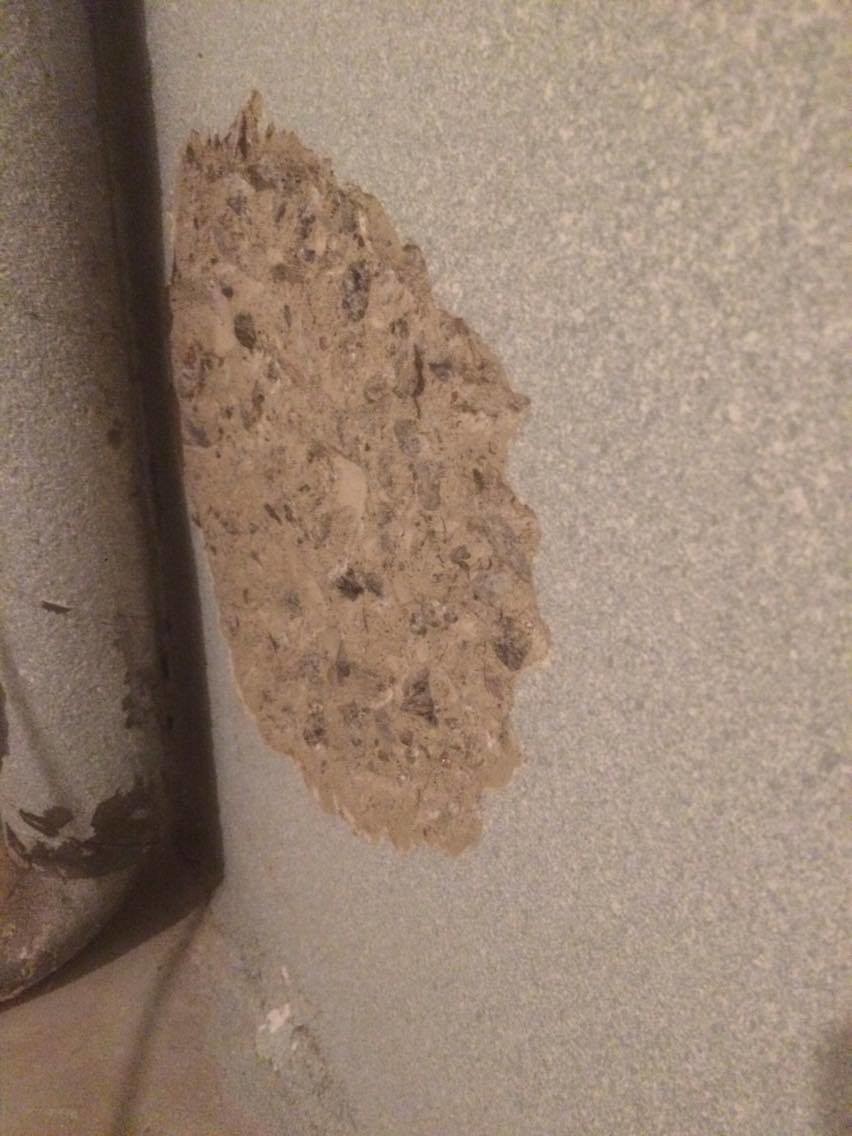
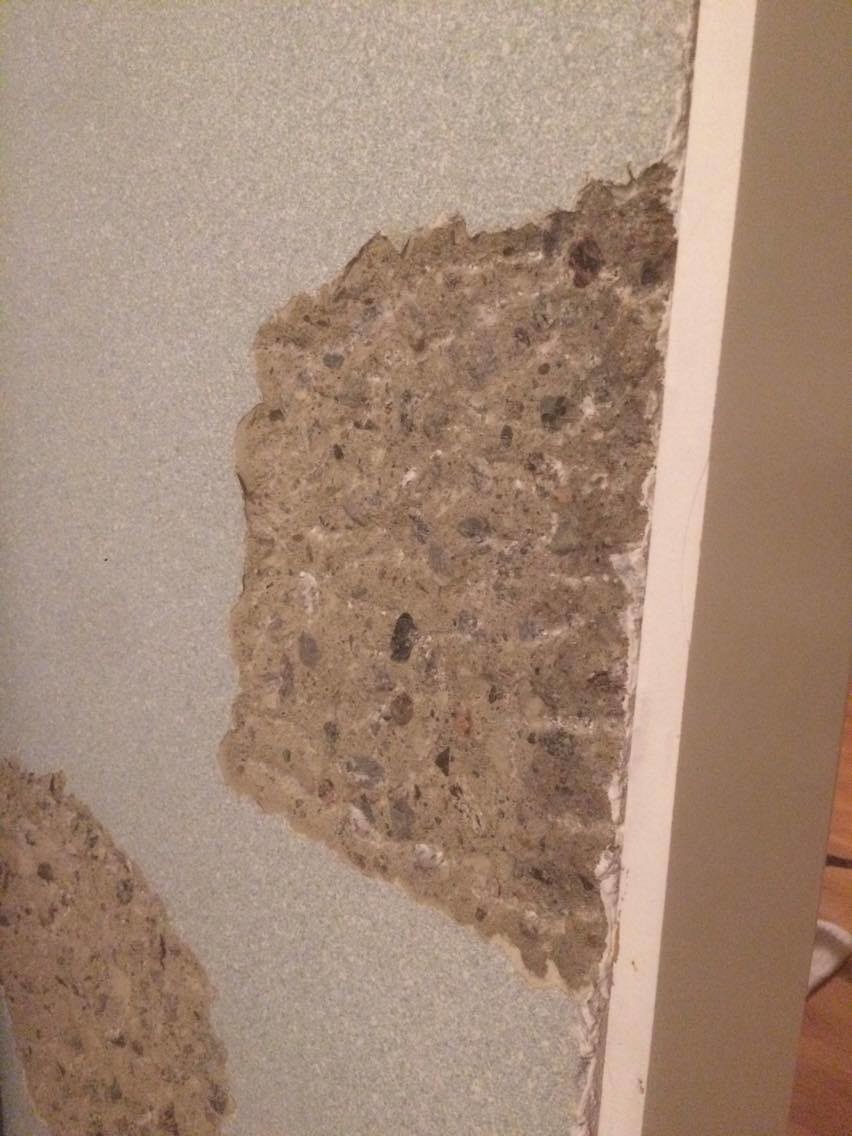

What kind of surface is it? Feel free to take an overview picture. What are you planning to put there later? Cabinets? Tiles?
Without an overview, I would say it's plaster that has come loose from the concrete the house is built with.
Without an overview, I would say it's plaster that has come loose from the concrete the house is built with.

Looks like some form of chipboard. Fine filler mentioned in #2 is definitely an option. If you're going to paint/wallpaper, you can advantageously use recover fabric/filler on a roll to further level out.
I think it looks more like the plaster has come off the concrete, as #3 wrote. I would recommend using plaster mortar. Lightly dampen the surface before application, then throw on the mortar with a trowel, and then smooth it out with a putty knife. Let it set for an hour and then go over it again and "polish" with a float. If it's going to be hidden by a cabinet or something, I would leave it as is.
Good luck!
Good luck!
Hello!
Thank you for all the answers and help!
I am glad to read that I can use easy spackle, it makes the work much easier!
I will just paint on the wall afterwards, but as Doozer says, I should think about some furniture as protection later on.
Another question I have is whether I should use the easy spackle that I bought pre-mixed as it is or if I should add a little water to make it less thick?
I also bought fiberglass tape, do you think it can help to hold the spackle in place?
Thank you and have a nice day!
Thank you for all the answers and help!
I am glad to read that I can use easy spackle, it makes the work much easier!
I will just paint on the wall afterwards, but as Doozer says, I should think about some furniture as protection later on.
Another question I have is whether I should use the easy spackle that I bought pre-mixed as it is or if I should add a little water to make it less thick?
I also bought fiberglass tape, do you think it can help to hold the spackle in place?
Thank you and have a nice day!


Putty should not be diluted. Brush thoroughly before applying putty to remove all loose material.
Do not apply too thick each time and let it dry properly between layers. It's possible that a little fiberglass fabric before the last layer reduces the risk of cracks, but otherwise it's not necessary.
Do not apply too thick each time and let it dry properly between layers. It's possible that a little fiberglass fabric before the last layer reduces the risk of cracks, but otherwise it's not necessary.
Plaster is not the same as pre-mixed light putty, I assume?D -Doozer- said:I think it looks more like the plaster has released from the concrete, as #3 wrote. I would recommend plaster. Lightly dampen the surface before application, then throw on the plaster with a trowel, and then smooth it with a spatula. Let it set for an hour then go over it again and "polish" with a plastering trowel. If it's going to be hidden by a cabinet or something, I would leave it as is.
Good luck!
Can it be bought pre-mixed or do you have to mix it yourself?
Thanks!
You can use plaster otherwise. It's a bit nicer to work with than cement mortar. Both cement mortar and plaster can be applied thicker than filler without it sinking in or taking a super long time to dry. I would use plaster for building up and then filler on the outermost layer.
Render is purchased in bags, unblended. But I don't think you can find it in less than 20kg bags, unfortunately. As Useless wrote, tile adhesive also works well. Another suitable product that is available is Husfix, and it comes in 2kg packaging. I wouldn't recommend regular lightweight filler. If so, you have to apply several 1mm layers until everything is covered, many layers = long time. If you apply too thick a layer, it will sink and crack, resulting in a poor final outcome. However, if you use tile adhesive or Husfix, you can apply it all at once.
Good luck with the project, it will surely be great when everything is finished
Good luck with the project, it will surely be great when everything is finished
Click here to reply