

Hi
Maybe a slightly pointed formulation but I am a bit worried.
I bought a wooden house in January and now 2-3 months later, significant cracks have developed between the ceiling and the wall in the staircase leading up to the upper floor. Also in the room adjacent to the staircase.
A 90*90 wooden beam was installed on 2019-06 in the upper floor joists down through the ground floor into the bedrock because the upper floor had started to sag.
I have installed an air heat pump that blows towards the support, could it shrink because of this?
Is it just a matter of filling it with putty and looking happy, or is this a hidden defect
Maybe a slightly pointed formulation but I am a bit worried.
I bought a wooden house in January and now 2-3 months later, significant cracks have developed between the ceiling and the wall in the staircase leading up to the upper floor. Also in the room adjacent to the staircase.
A 90*90 wooden beam was installed on 2019-06 in the upper floor joists down through the ground floor into the bedrock because the upper floor had started to sag.
I have installed an air heat pump that blows towards the support, could it shrink because of this?
Is it just a matter of filling it with putty and looking happy, or is this a hidden defect
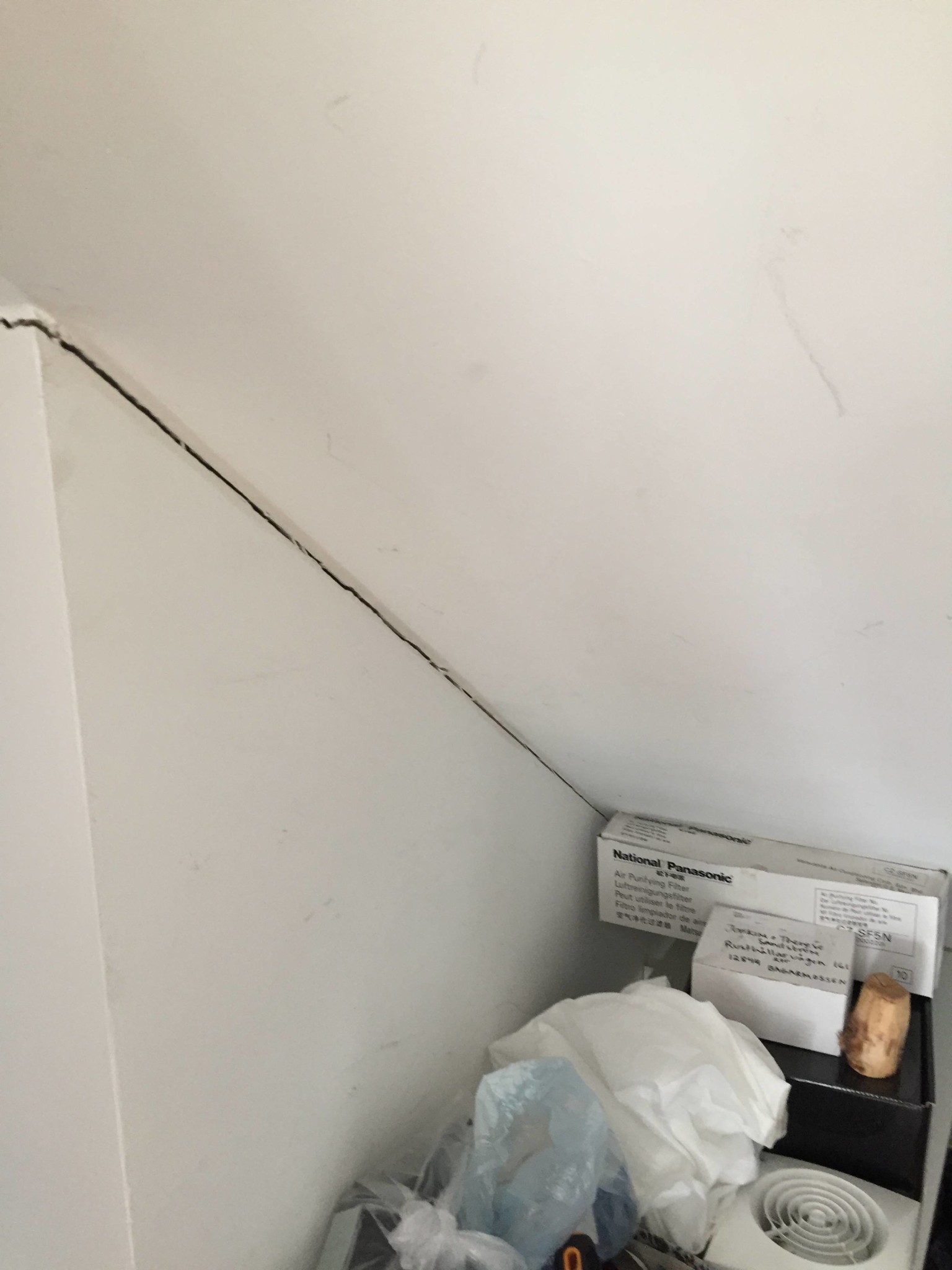
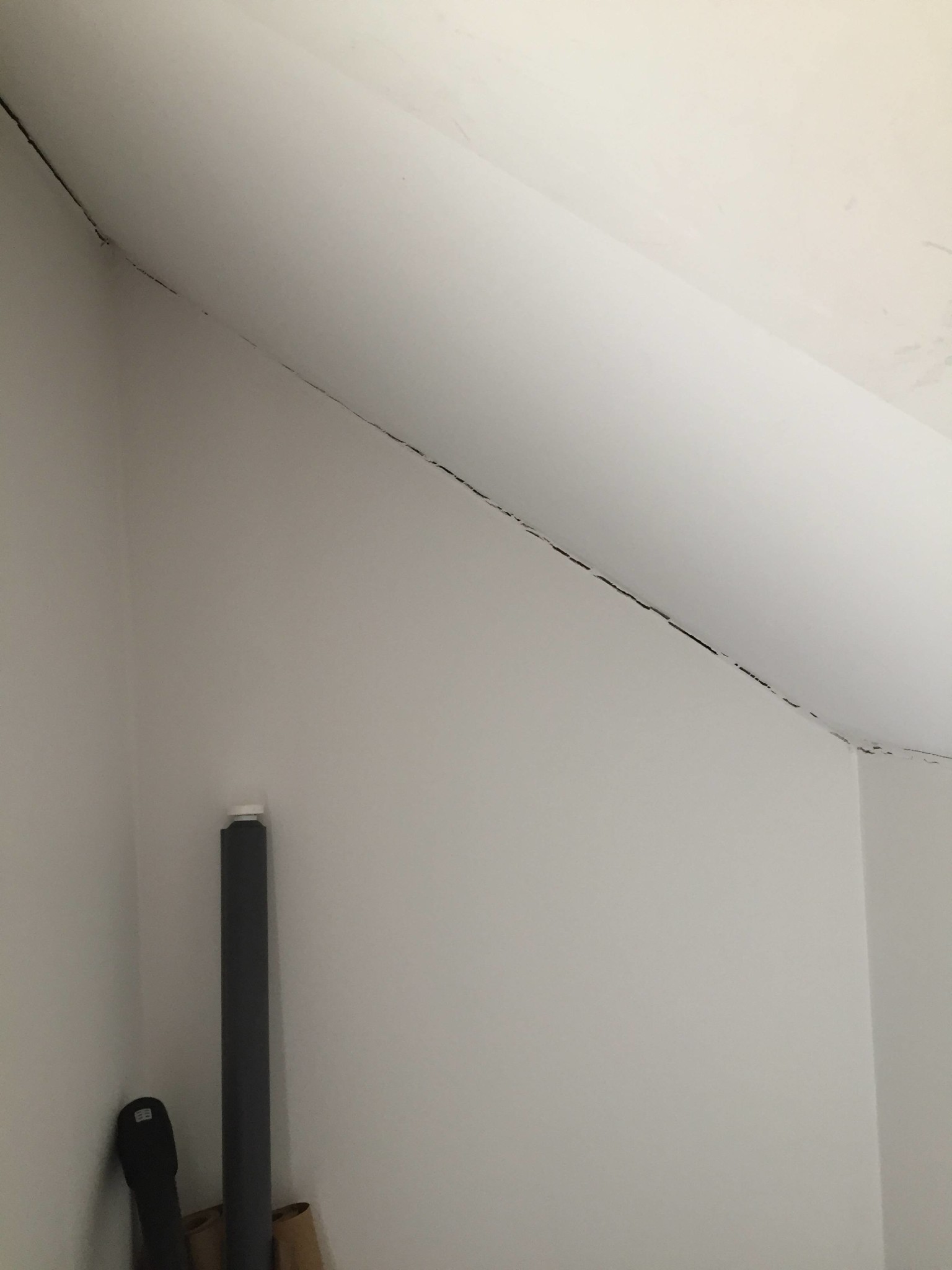
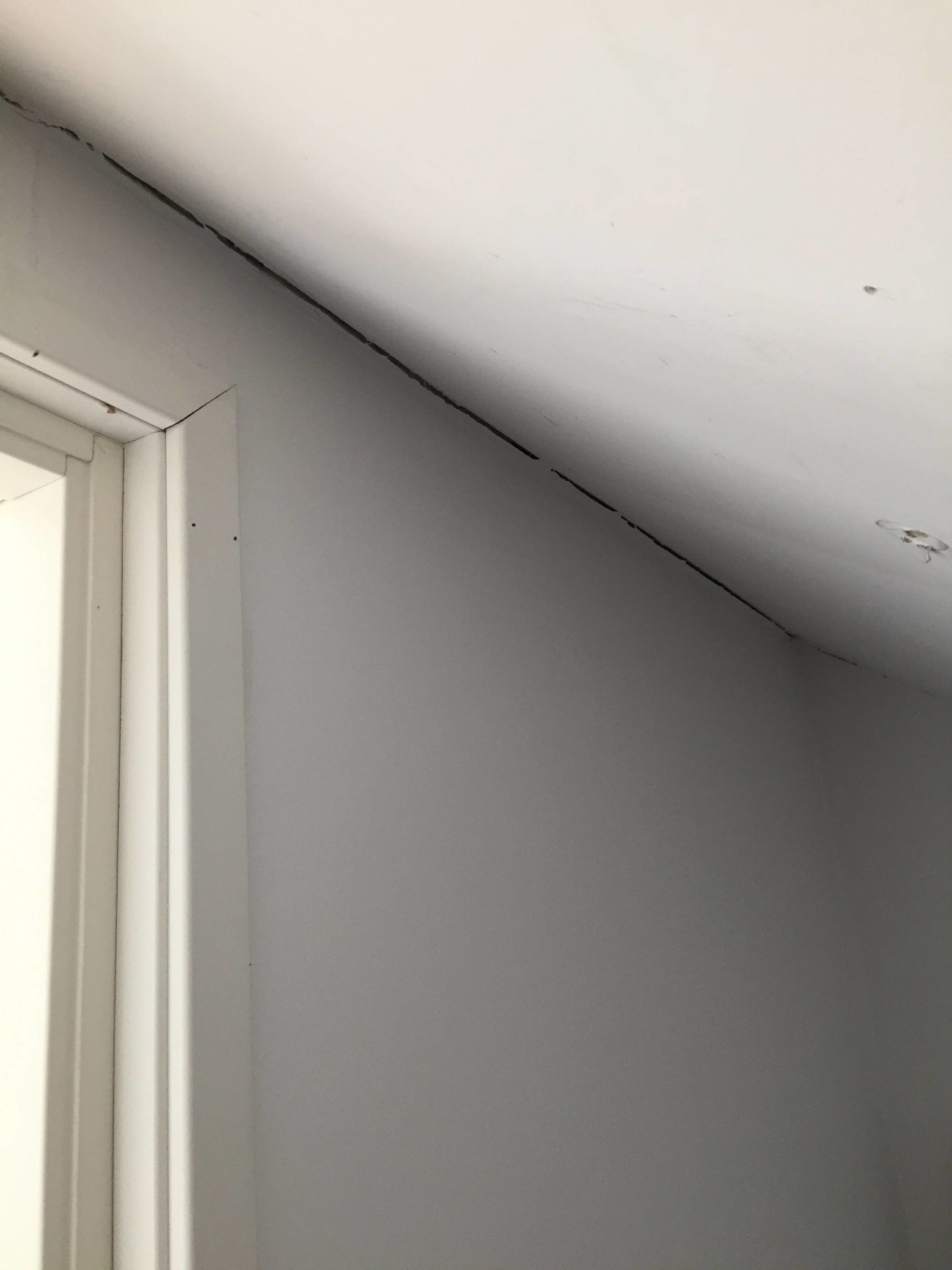
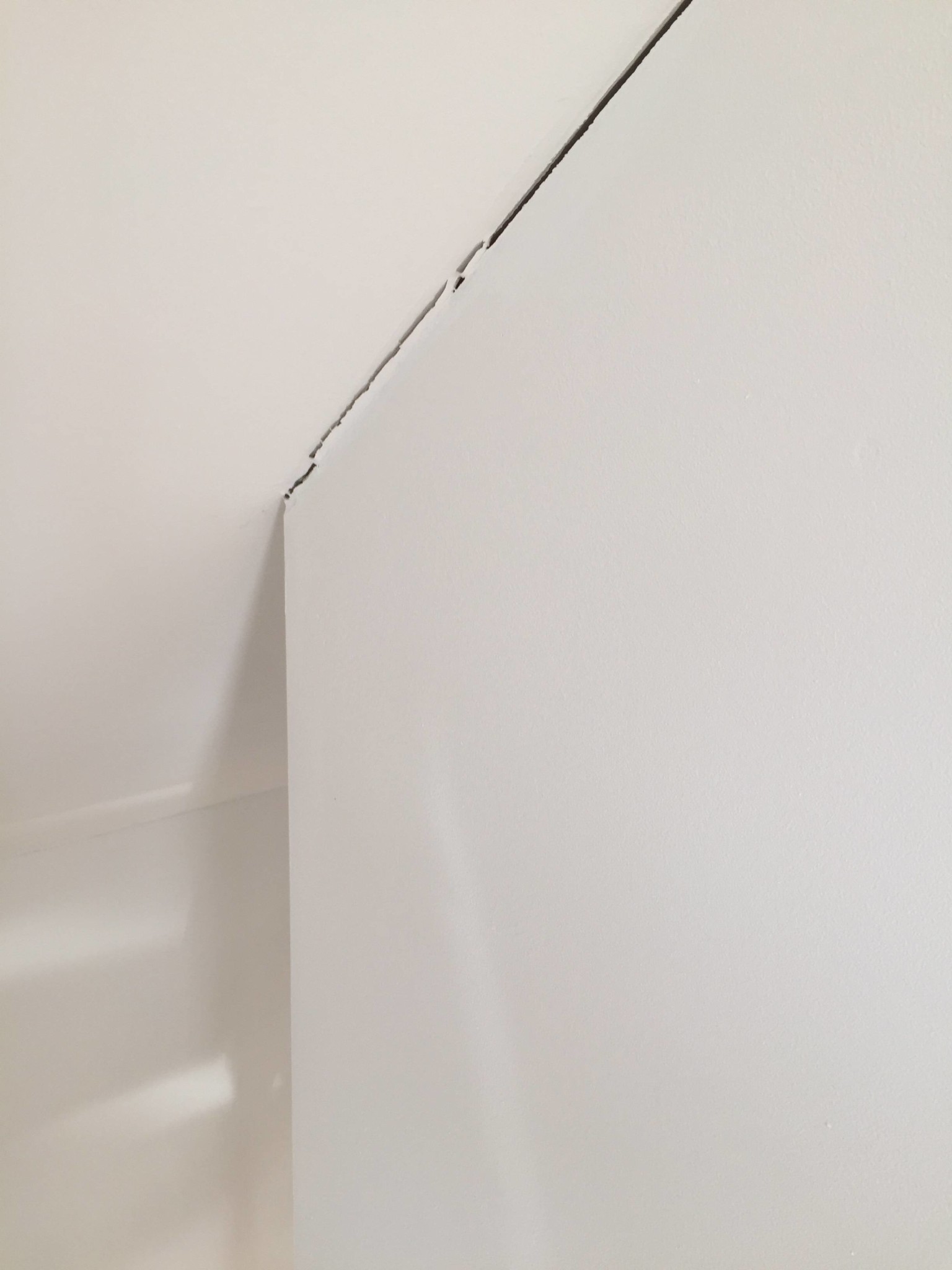
Impossible to determine the underlying cause from this without on-site inspection.
But generally, wooden houses move a lot, it is common for there to be a difference between winter and summer, and it is typical for there to be cracks in joints and seams.
But generally, wooden houses move a lot, it is common for there to be a difference between winter and summer, and it is typical for there to be cracks in joints and seams.

A glulam post has minimal shrinkage in the longitudinal direction, so you can probably exclude the post itself. Cracks can occur due to hidden defects, but the crack itself is hardly that.
Click here to reply