
1,560 views ·
14 replies
2k views
14 replies
Is the balcony railing load-bearing?
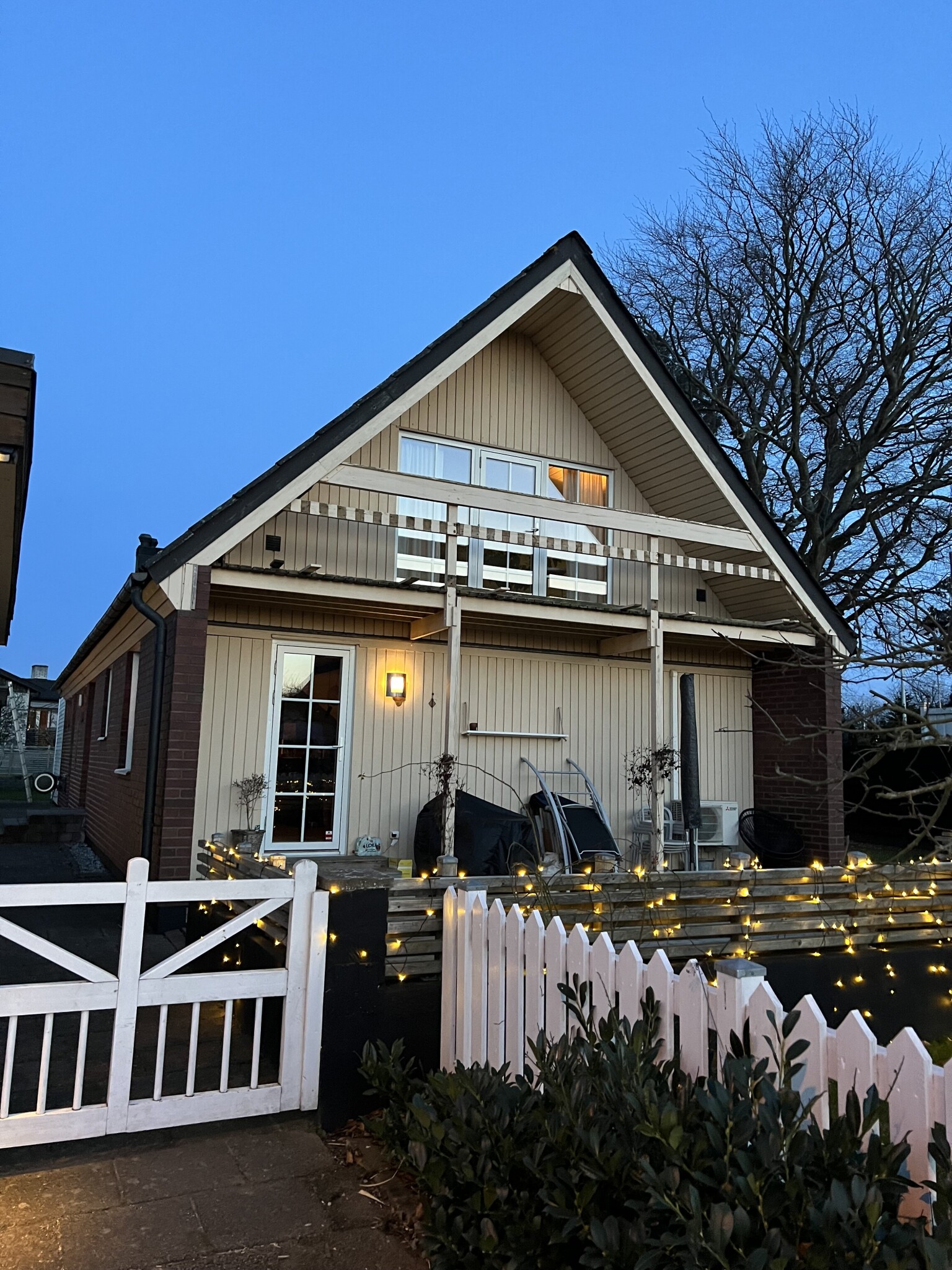
I have a yodel balcony/alpine balcony that I now want to replace the balcony railing with a glass railing to increase light entry, improve the view, and refresh the impression of the facade.
I will most likely need to install some form of beam aligned with the balcony's floor slab and the roof truss to mount the glass railing against.
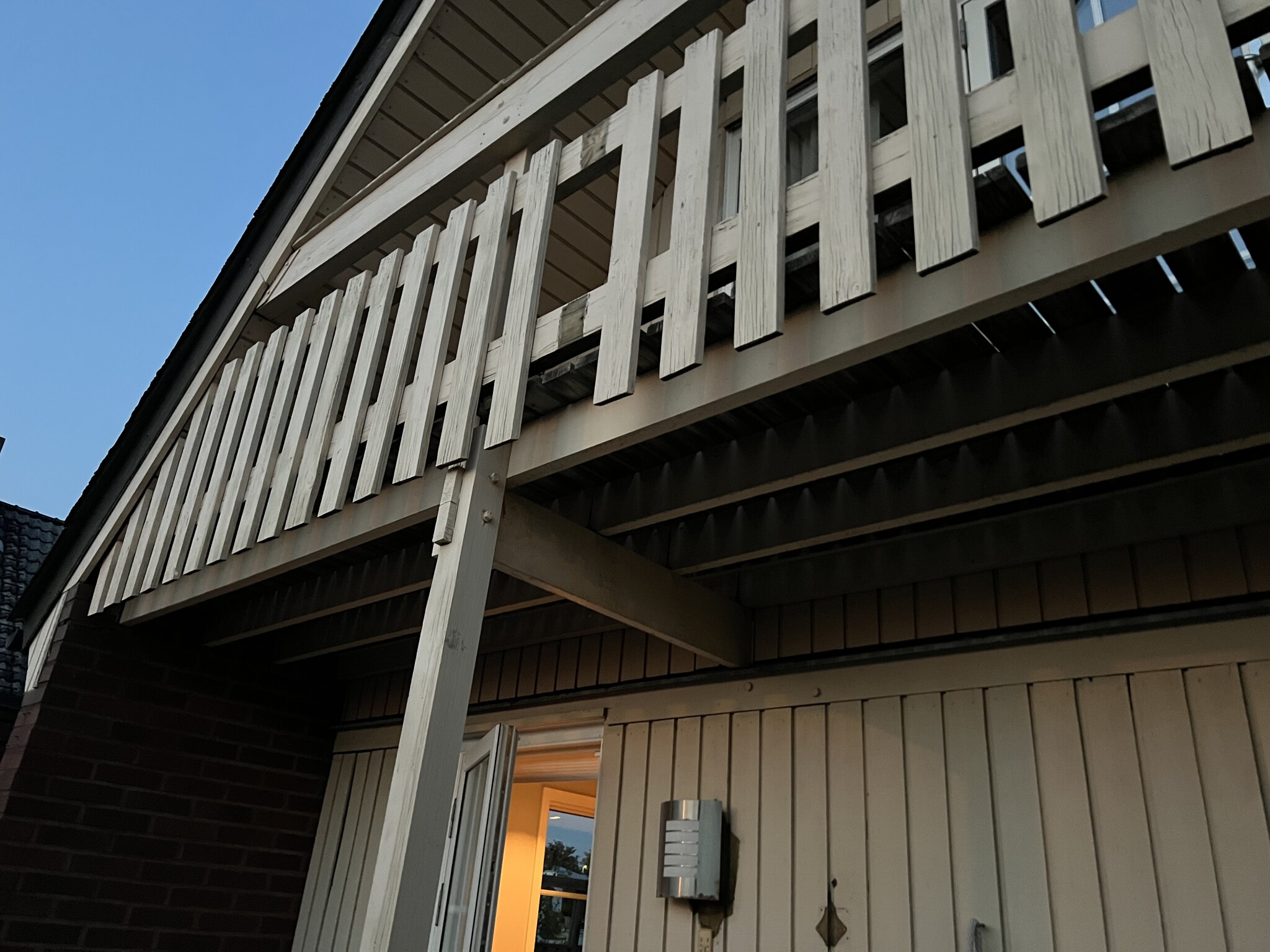
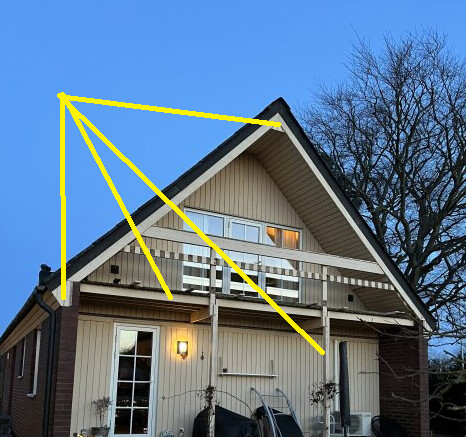
I have removed what is obviously not part of the structure. However, I am uncertain about the thick top rail (200x70) that is at the top of the railing and also connects to posts. The top rail is fastened against the inner panel with a joist hanger with internal fastening. Presumably with a lag screw through the panel, battens, masonite, roof truss.
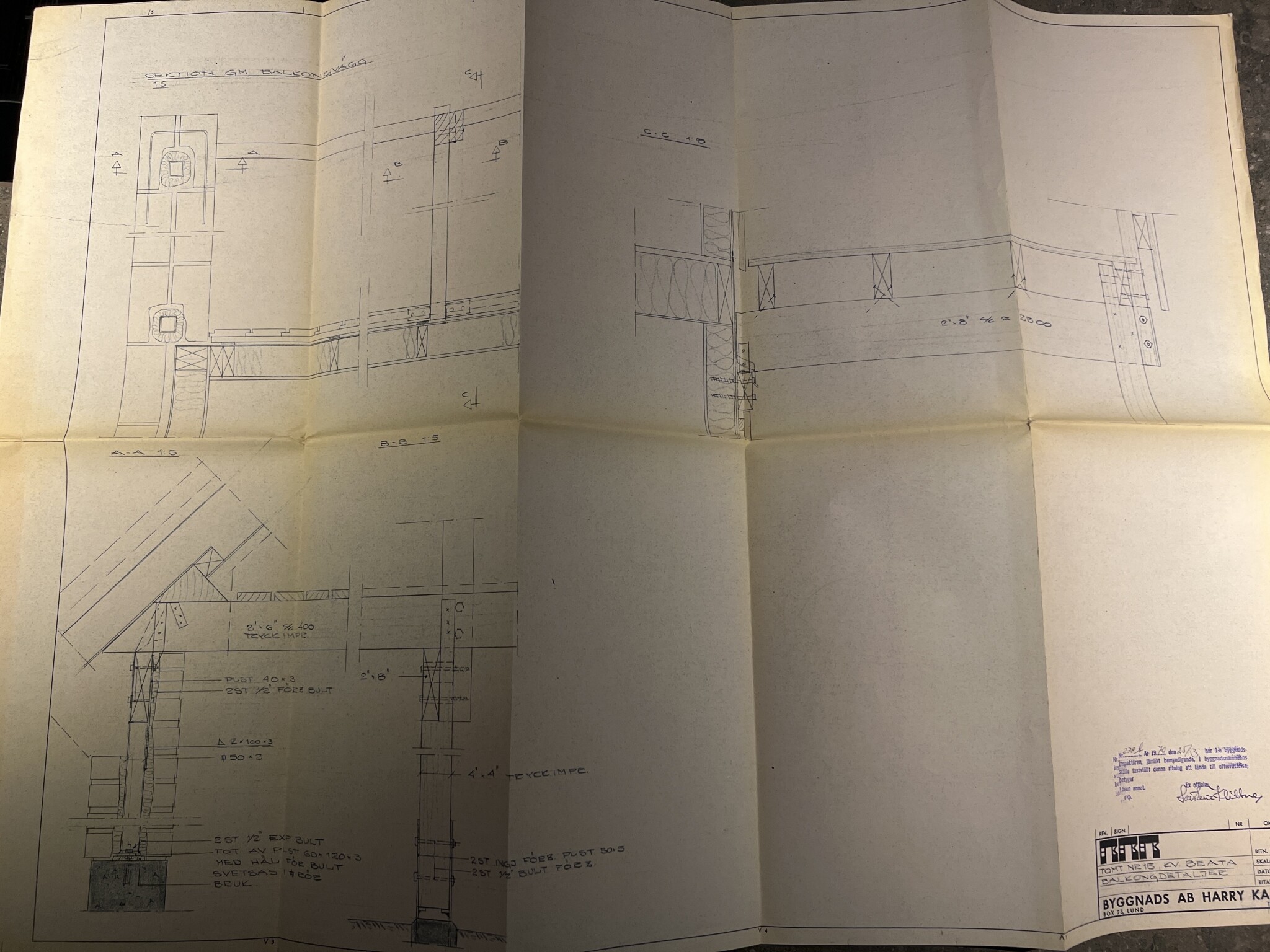
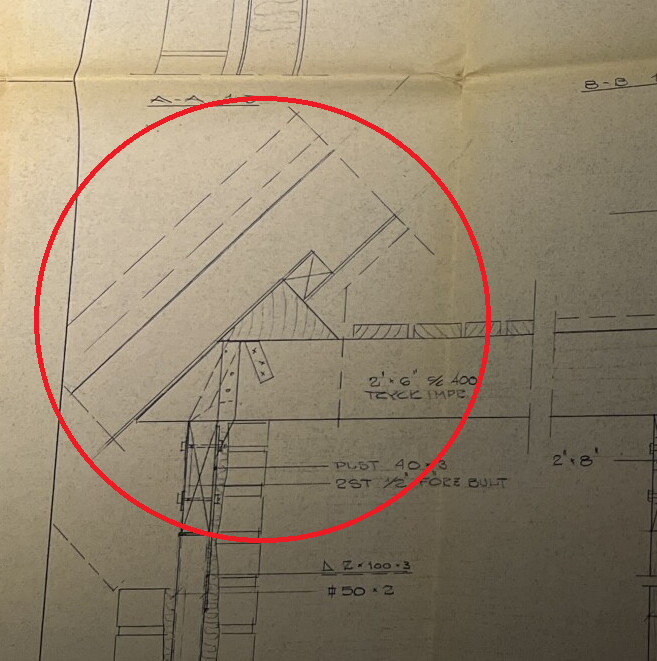
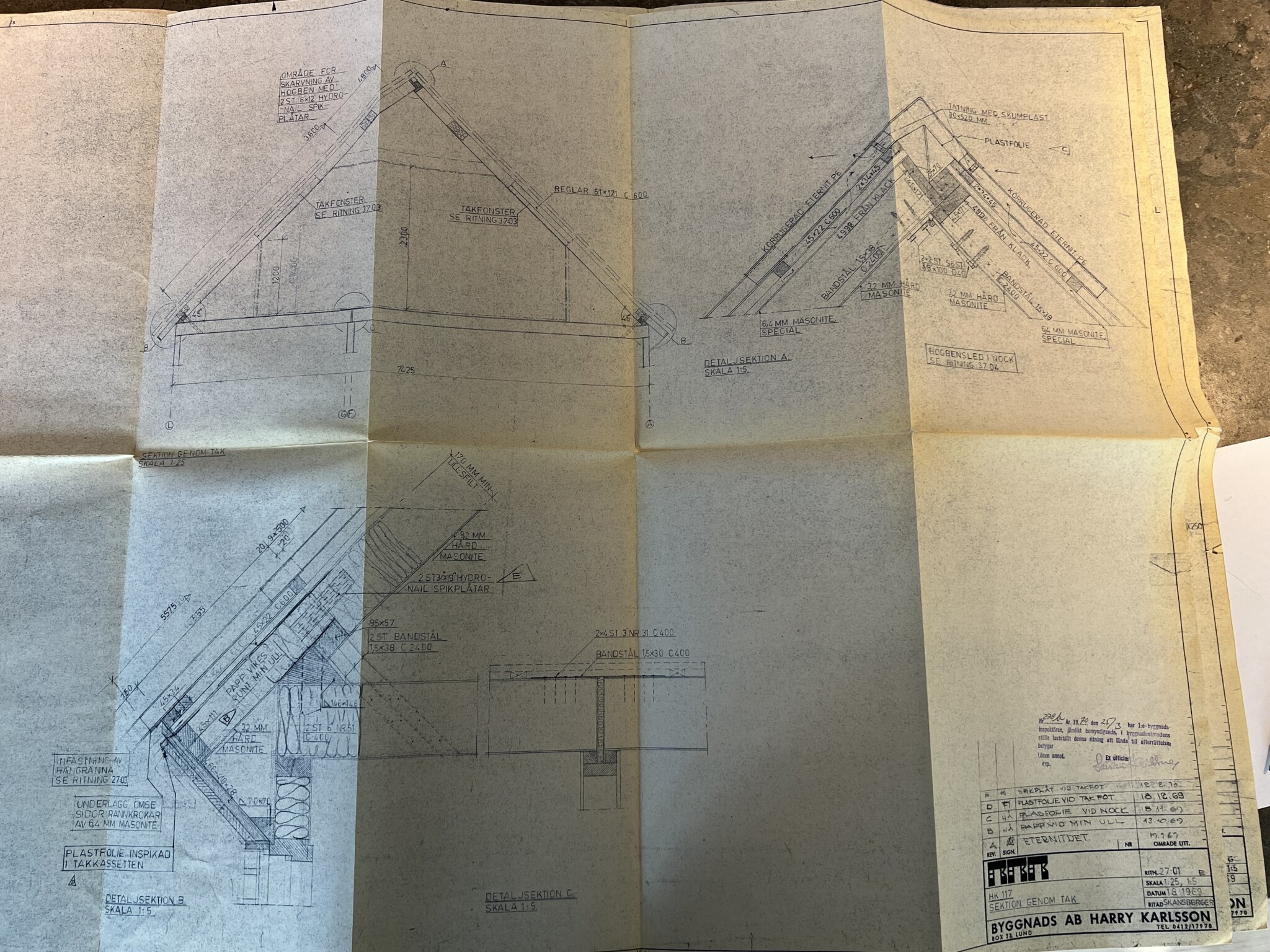
The house has no internal tie beams and is constructed with articulated (prefab?) high legs resting on the attic floor via wedge joints. The high legs are connected to the attic floor with strap steel. The wedge also extends over the balcony, but no strap steel is found. My opinion is that the strap steel counteracts tension between the high legs and thereby replaces the tie beam.
The bearing beams in the balcony's floor rest partly on supports between the post and wall and partly on supports in the masonry wall. The support in the masonry wall also rests on posts in square steel.
There is also a catwalk inside, but it is doubtful that it is part of the supporting structure (like a framework post) given that it is framed with 45x45 cc 40, which I think seems a bit too weak for a supporting structure.
What do you think? Does the top rail serve a load-bearing function for the roof?
For tension or vertical load or both?
If the railing needs to be replaced, how do I do it most appropriately?
I could consider putting a glulam beam at the edge of the balcony resting on the posts.
I could also put a tie beam about 2.40 above the balcony floor.
I will most likely need to install some form of beam aligned with the balcony's floor slab and the roof truss to mount the glass railing against.
I have removed what is obviously not part of the structure. However, I am uncertain about the thick top rail (200x70) that is at the top of the railing and also connects to posts. The top rail is fastened against the inner panel with a joist hanger with internal fastening. Presumably with a lag screw through the panel, battens, masonite, roof truss.
The house has no internal tie beams and is constructed with articulated (prefab?) high legs resting on the attic floor via wedge joints. The high legs are connected to the attic floor with strap steel. The wedge also extends over the balcony, but no strap steel is found. My opinion is that the strap steel counteracts tension between the high legs and thereby replaces the tie beam.
The bearing beams in the balcony's floor rest partly on supports between the post and wall and partly on supports in the masonry wall. The support in the masonry wall also rests on posts in square steel.
There is also a catwalk inside, but it is doubtful that it is part of the supporting structure (like a framework post) given that it is framed with 45x45 cc 40, which I think seems a bit too weak for a supporting structure.
What do you think? Does the top rail serve a load-bearing function for the roof?
For tension or vertical load or both?
If the railing needs to be replaced, how do I do it most appropriately?
I could consider putting a glulam beam at the edge of the balcony resting on the posts.
I could also put a tie beam about 2.40 above the balcony floor.
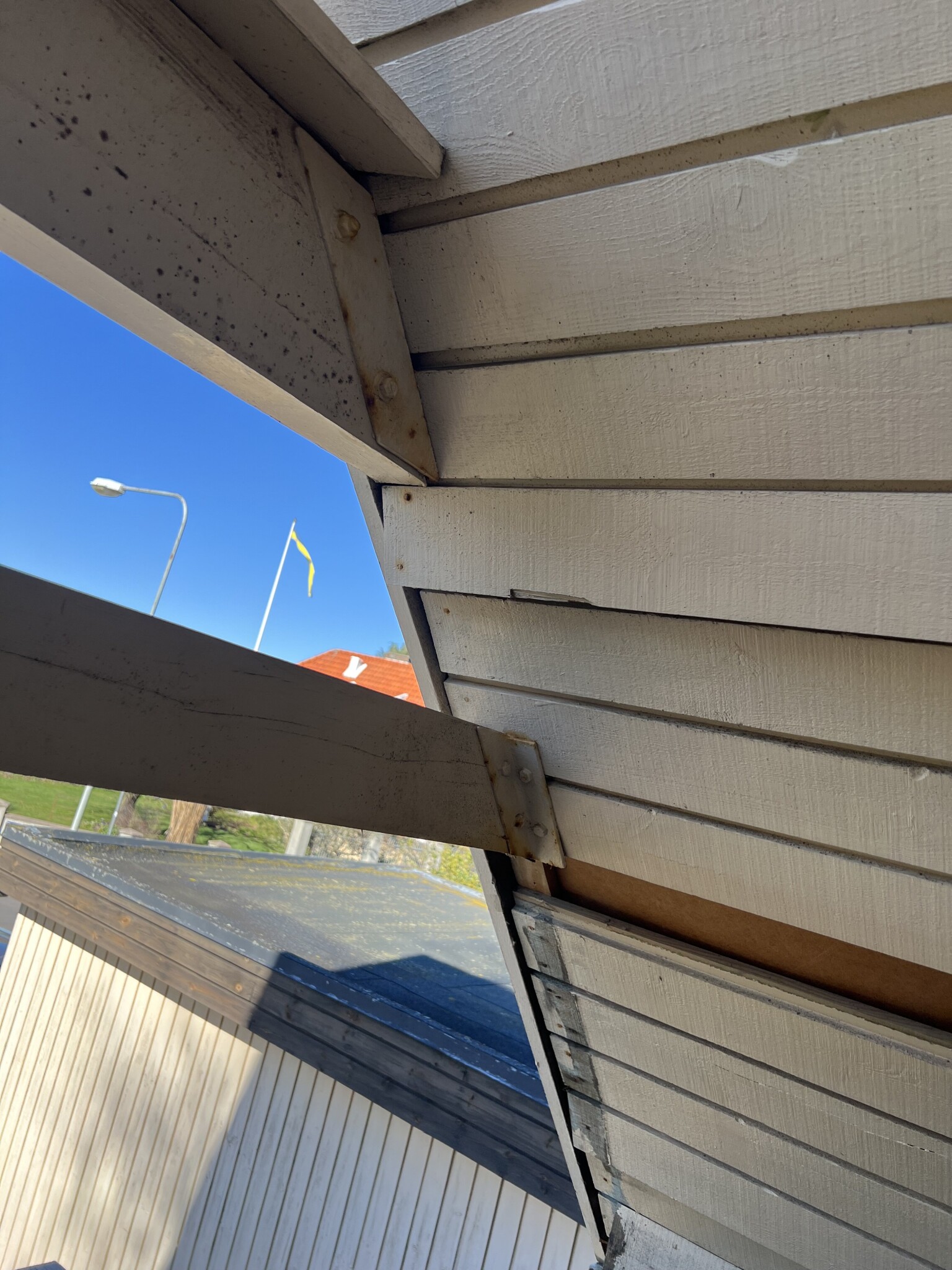
"Couple of small screws" are not visible in the picture. One could reasonably assume there are 2-3 French screws from the inside of the beam shoe into the upper leg.T Testarn said:
"Flimsy board" is not what I would call a 200x70 beam. What would you call a reasonable dimension to hold the upper arm together?
What holds the upper arm together in this construction? Without an answer to that question, it seems quite uncertain to remove it, in my opinion.
The
The roof does not have a top beam supporting the roof in the ridge. It is hinged in the top (attaching picture in next post). The balcony joists are three separate beams jointed down into the heavier beams with nails, so they are not connected for horizontal pulling force.S sturnus said:
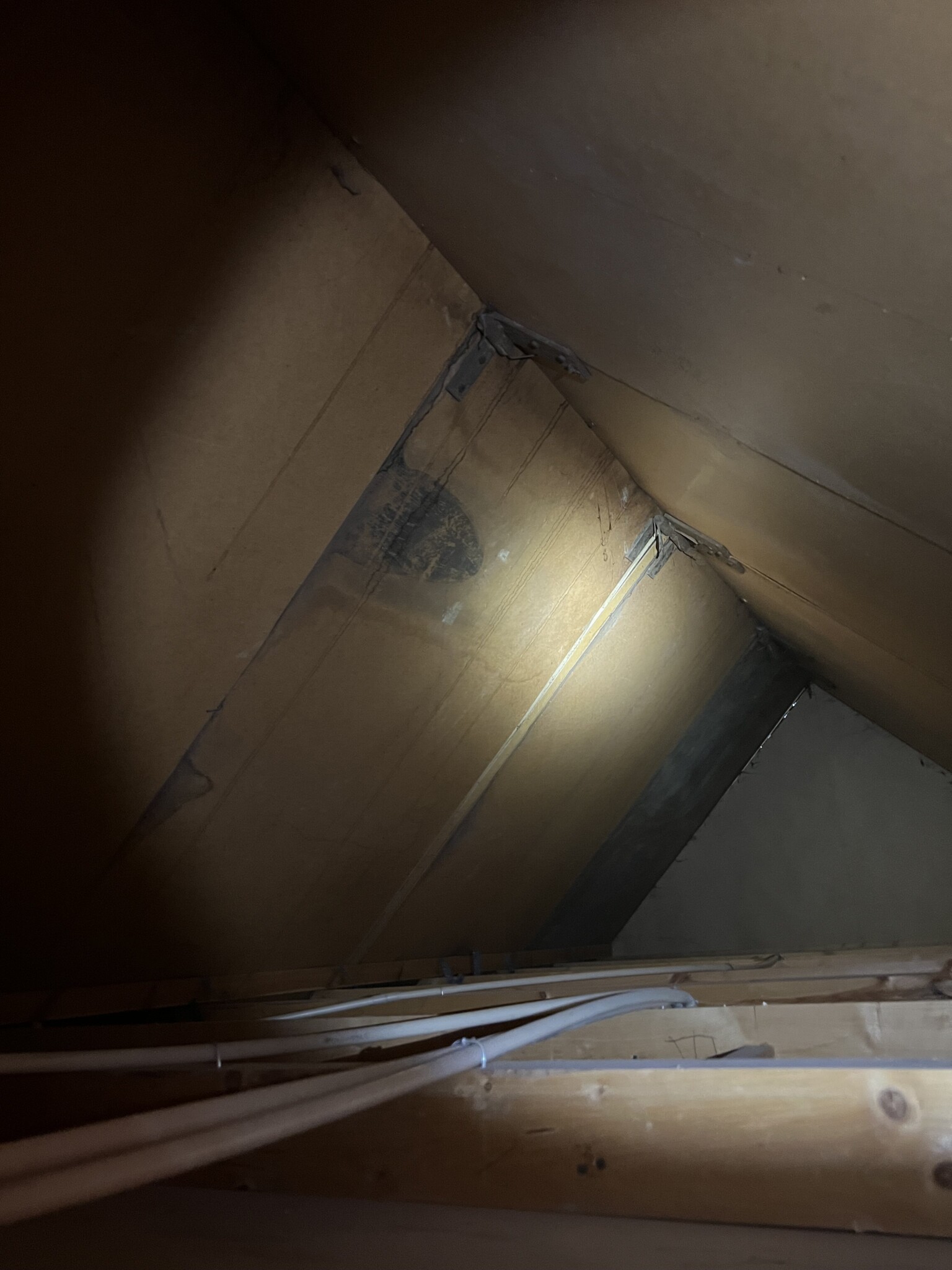
Hmm.. I read too poorly... I retract that statement. 200x70 is quite a hefty dimension, and when you examine the pictures more closely, the beam bracket does look more substantial than just a small angle iron attached to the panel.Jaegermeister said:
"Pairs of small screws" are not visible in the picture. One could reasonably assume that there are 2-3 French screws from the inside of the beam bracket into the high leg.
"I wouldn't call a 200x70 beam a flimsy board. What would you consider a reasonable dimension to hold the upper arm together?
What holds the upper arm together in this construction? Without an answer to that question, it seems quite uncertain to remove it, in my opinion.
Regarding what holds the upper frame together, it's the lower frame and the top joint. The beam you have might possibly hold out/up the upper frame so that it doesn't bend down, especially when seeing how it's supported by a couple of posts.
Given that, it might be good to take a closer look at the fastening and verify that it's actually stronger than it appears at first glance.
It's not! Now I opened the photos in full resolution and... WHY ARE THESE SHORT SIDE WALLS ON THE GROUND FLOOR??? They are the ones that support both the balcony and the roof! But since TS knows better...T Testarn said:
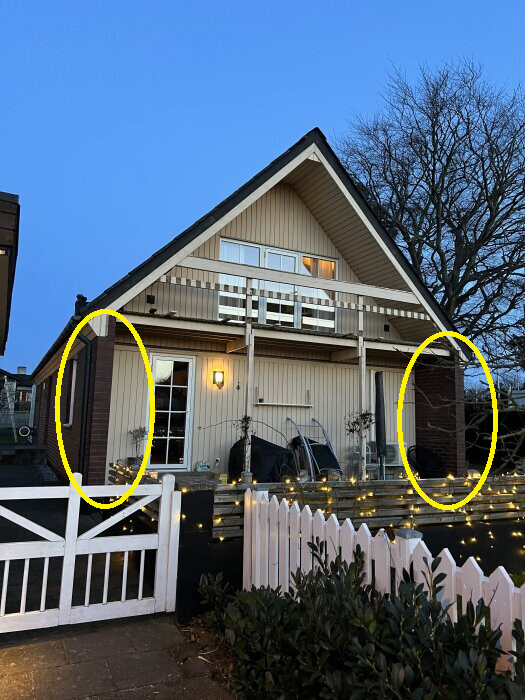

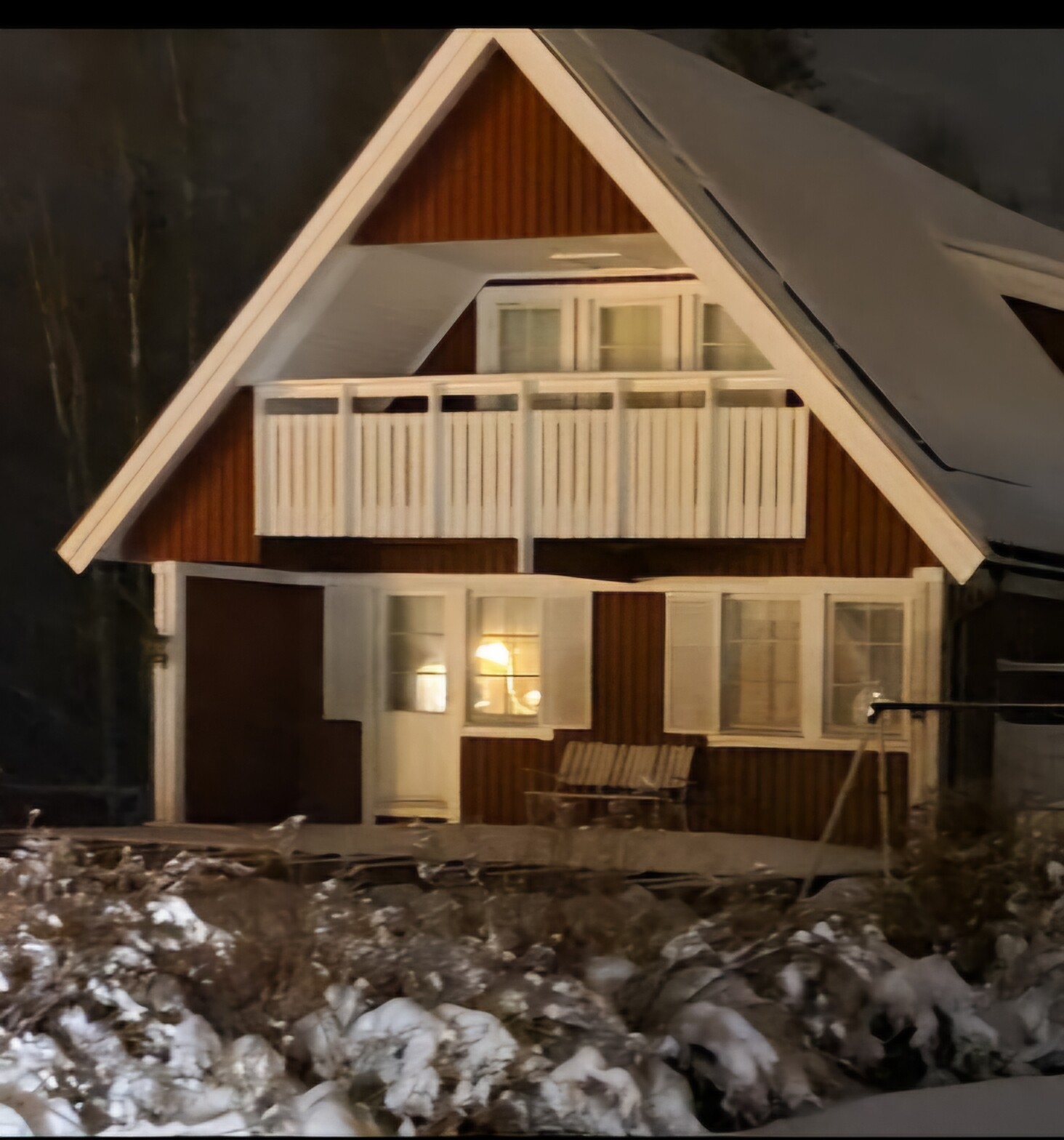
Try doing your last suggestion, i.e., a tie beam a bit higher up. Once it's in place, you can start cutting into the lower beam and feel if it binds or not. I have a friend whose balcony is similar to yours but with an attic space with an accompanying tie beam above the balcony (see picture below). However, the tie beam is hidden by the panel.I have a joddlarbalkong/alp balcony that I now want to replace the balcony railing with a glass railing to increase light intake, improve the view, and freshen up the facade's appearance.
I will most likely need to mount some form of beam in line with the balcony's decking and with the roof truss to mount the glass railing against.
I have removed what is obviously not part of the construction. However, I am uncertain about the coarse top rail (200x70) that is at the top of the railing and also connects to posts. The top rail is fastened to the inner panel with a joist hanger with internal fastening. Presumably with a lag screw through the panel, strapping, masonite, roof truss.
The house has no internal tie beams and is constructed with articulated (prefab?) high legs resting on the attic floor through a wedge joint. The high legs are connected to the attic floor with band steel. The wedge also extends over the balcony, but no band steel is found.
My impression is that the band steel counteracts tension between the high legs and thus replaces the tie beam.
The support beams in the balcony floor rest partly on a support between posts and wall and partly on a support in a brick wall. The support in the brick wall also rests on posts in square steel.
There is also an interior crawl space, but it is doubtful that it is part of the load-bearing construction (like a framework post) given that it is framed with 45x45 cc 40, which I think seems a bit weak for a load-bearing construction.
What do you think? Does the top rail serve a load-bearing function for the roof?
For tension or vertical load or both?
If the railing needs to be reinforced. How do I do it most suitably?
I could consider putting a glulam beam on the outer edge of the balcony resting on the posts.
Could also place a tie beam about 2.40 above the balcony floor.
You’re absolutely right. They are well dimensioned for taking the downwards force, but the horizontal? Not so obvious to me.S sturnus said:
Click here to reply