3,173 views ·
15 replies
3k views
15 replies
Interior Walls New Workshop

Hello!
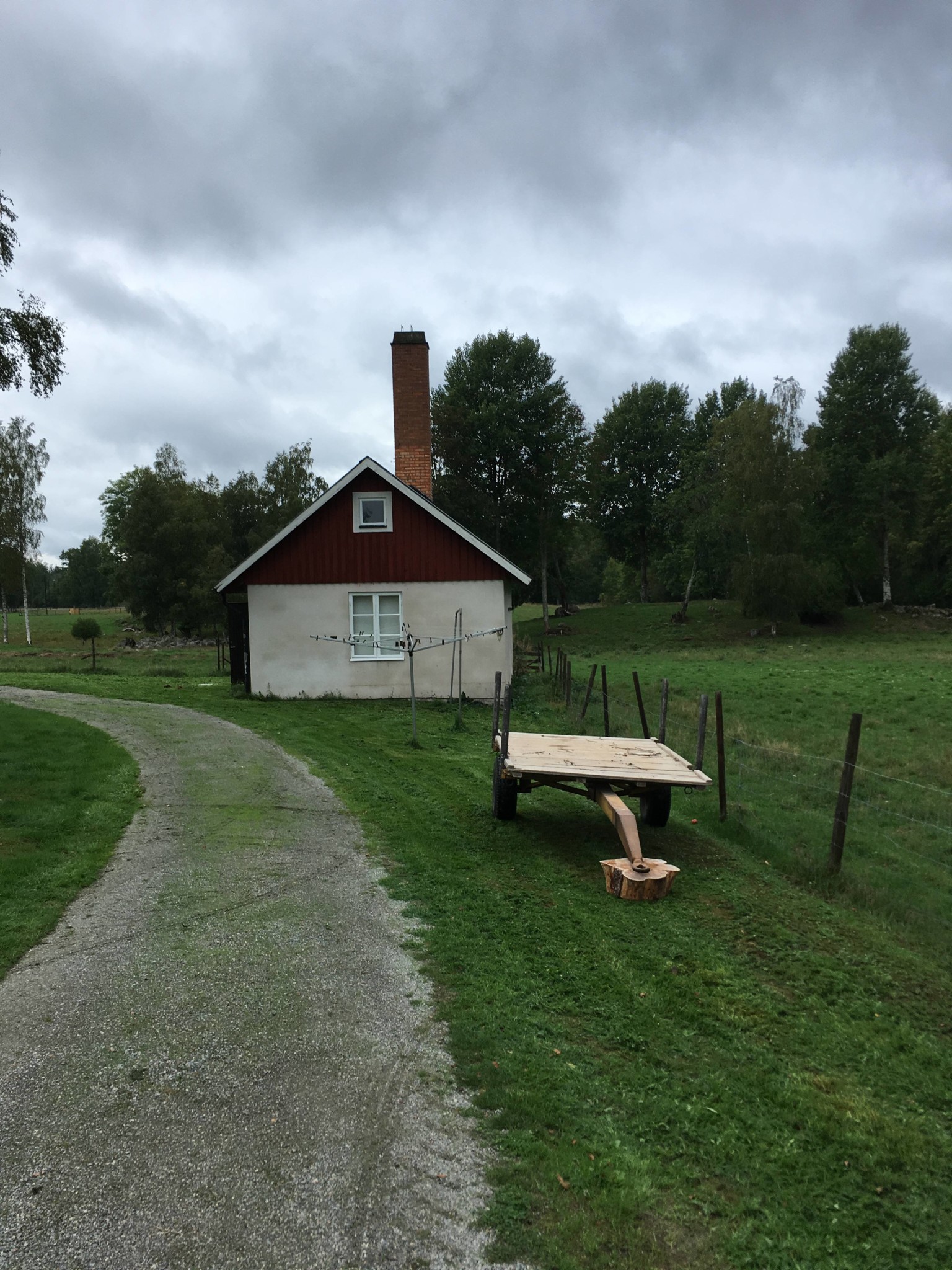
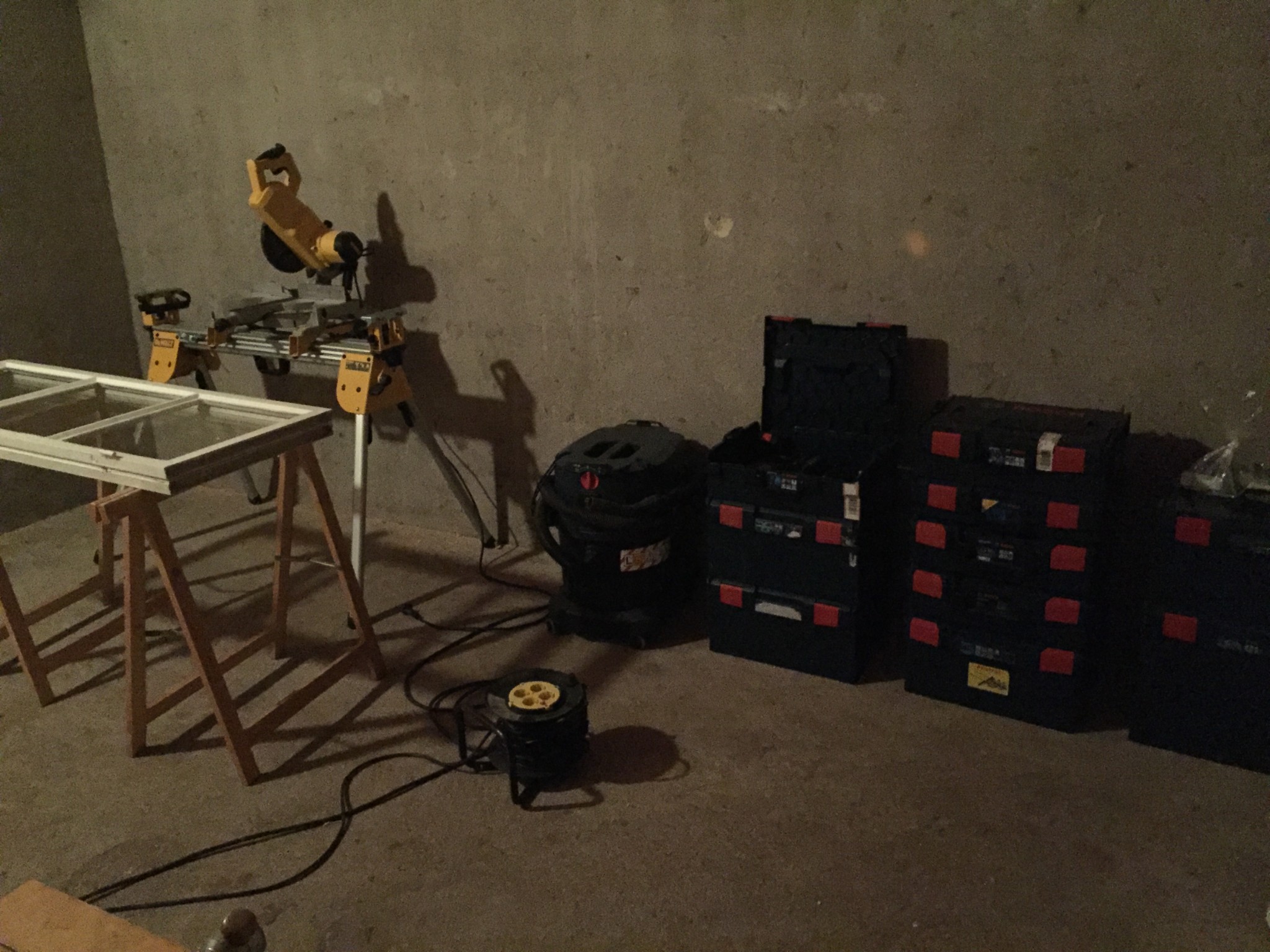
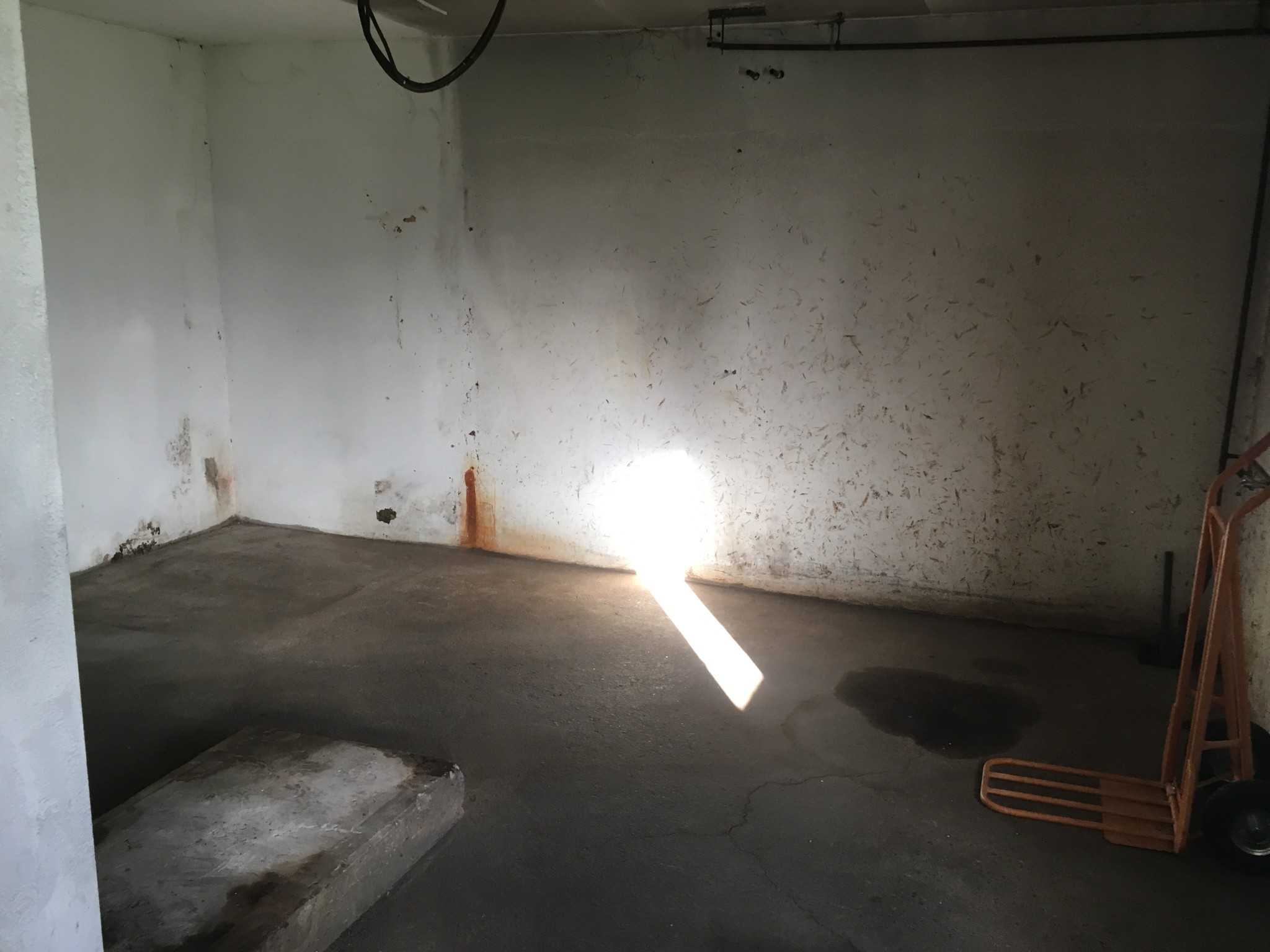
I have been emptying two rooms in a boiler house from the 70s that will become a workshop. The house is built with lightweight concrete blocks and a concrete slab on the ground. Now I want to frame the walls. My main concern is how the sill (for the interior walls) should be laid against the concrete slab (sill paper?). If you want to insulate the interior wall (against the exterior concrete wall), should there be some plastic or similar between the concrete wall and the studs? I'm going to run electricity inside the walls, if that matters.
Here are some pictures that might explain more. Thanks in advance!
I have been emptying two rooms in a boiler house from the 70s that will become a workshop. The house is built with lightweight concrete blocks and a concrete slab on the ground. Now I want to frame the walls. My main concern is how the sill (for the interior walls) should be laid against the concrete slab (sill paper?). If you want to insulate the interior wall (against the exterior concrete wall), should there be some plastic or similar between the concrete wall and the studs? I'm going to run electricity inside the walls, if that matters.
Here are some pictures that might explain more. Thanks in advance!

Joining the discussion because I have similar thoughts  From what I understand, you should use metal studs to avoid mold. This way, no sill is needed either. I guess nail plugs are the easiest way to attach the studs.
From what I understand, you should use metal studs to avoid mold. This way, no sill is needed either. I guess nail plugs are the easiest way to attach the studs.I have learned that rule 1 is to never insulate on the inside, but if you must, rule 2 is no organic materials. Simply use aluminum-steel studs and then mineral wool and a moisture-resistant drywall. Alternatively, as I have decided, Träullit with plaster and silicate paint. Due to my construction on the outside and the nature of the ground, I am worried about moisture and want it completely diffusion open.
Thanks for the response! I don't necessarily need to insulate. I'm mostly interested in getting inner walls that I can run electrical wires through and use for mounting things (tool panels, etc.). Given this, could one use wooden studs with some capillary-breaking layer against the concrete slab?J jurkeller said:I've learned that rule 1 is to never insulate on the inside, but if you have to, rule 2 is no organic materials. Simply use aluminum-steel studs and then mineral wool and a moisture-resistant plasterboard. Alternatively, as I've personally decided, Träullit with plaster and silicate paint. Due to my construction on the outside and the nature of the ground, I'm worried about moisture and want it to be completely diffusion open.

If the concrete slab lacks underlying insulation, you absolutely must use sill paper under wooden sills. I would also place it under steel studs.
But do you think that's enough? Or will there be immediate problems? One of the rooms in this house has wooden studs and there have been no problems there.J justusandersson said:
I'm talking about the sill of the wall. But maybe there is insulation underneath? When exactly was the house built?
No, there's no insulation. Yes, exactly: sillpappa against the concrete slab. I just want to heat the space in winter so that it doesn't drop below 5 plus, so I can store paint, etc., there.J justusandersson said:
The house was built in 1978. It has never been a residential house, only a workshop, boiler room, and wood storage. When the boiler was in use it was heated except when the boiler was not in use.J justusandersson said:
A low indoor temperature in winter is a good way to avoid condensation on floors and walls.