
6,993 views ·
28 replies
7k views
28 replies
I'm apparently stupid so help!
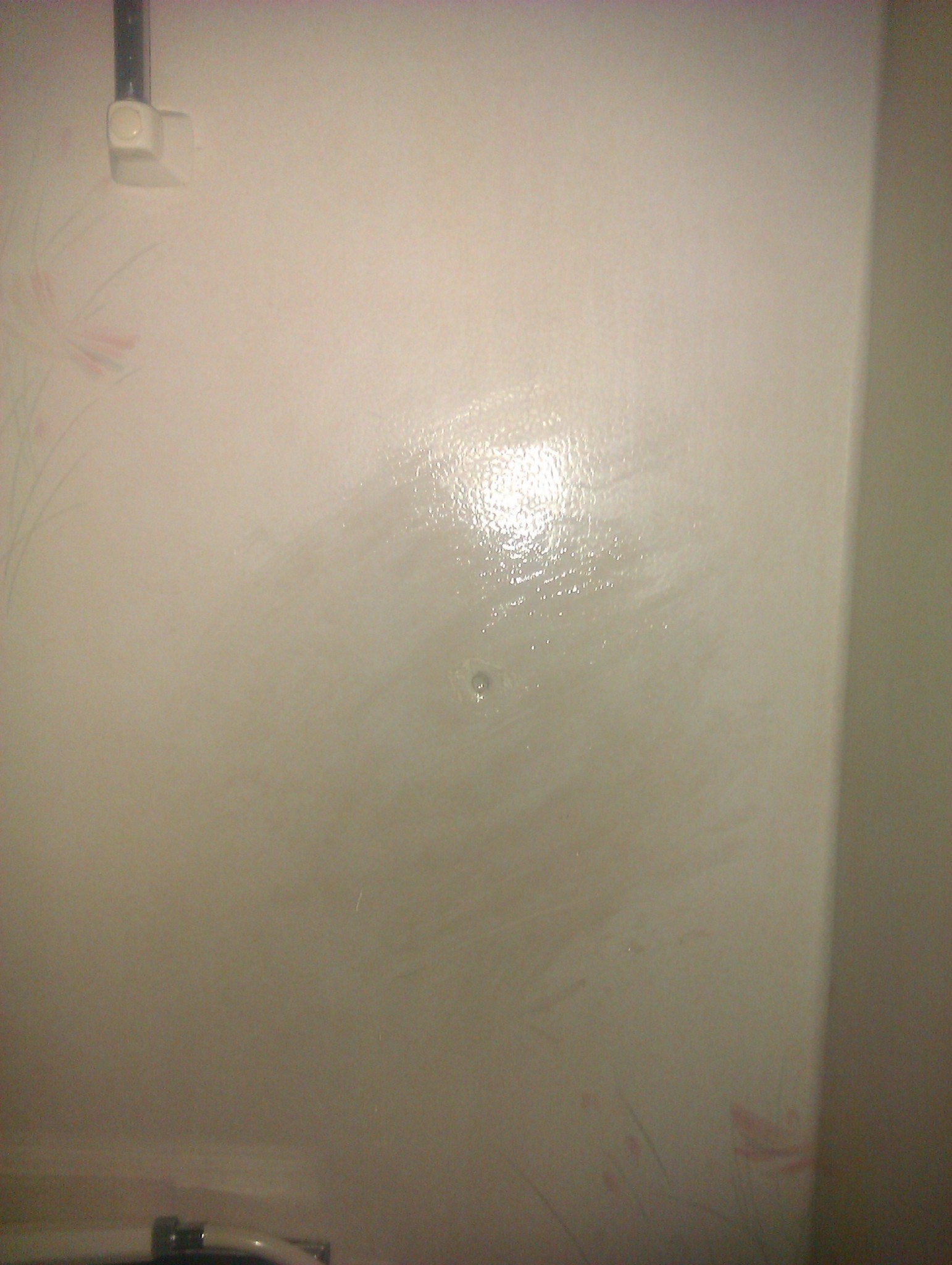
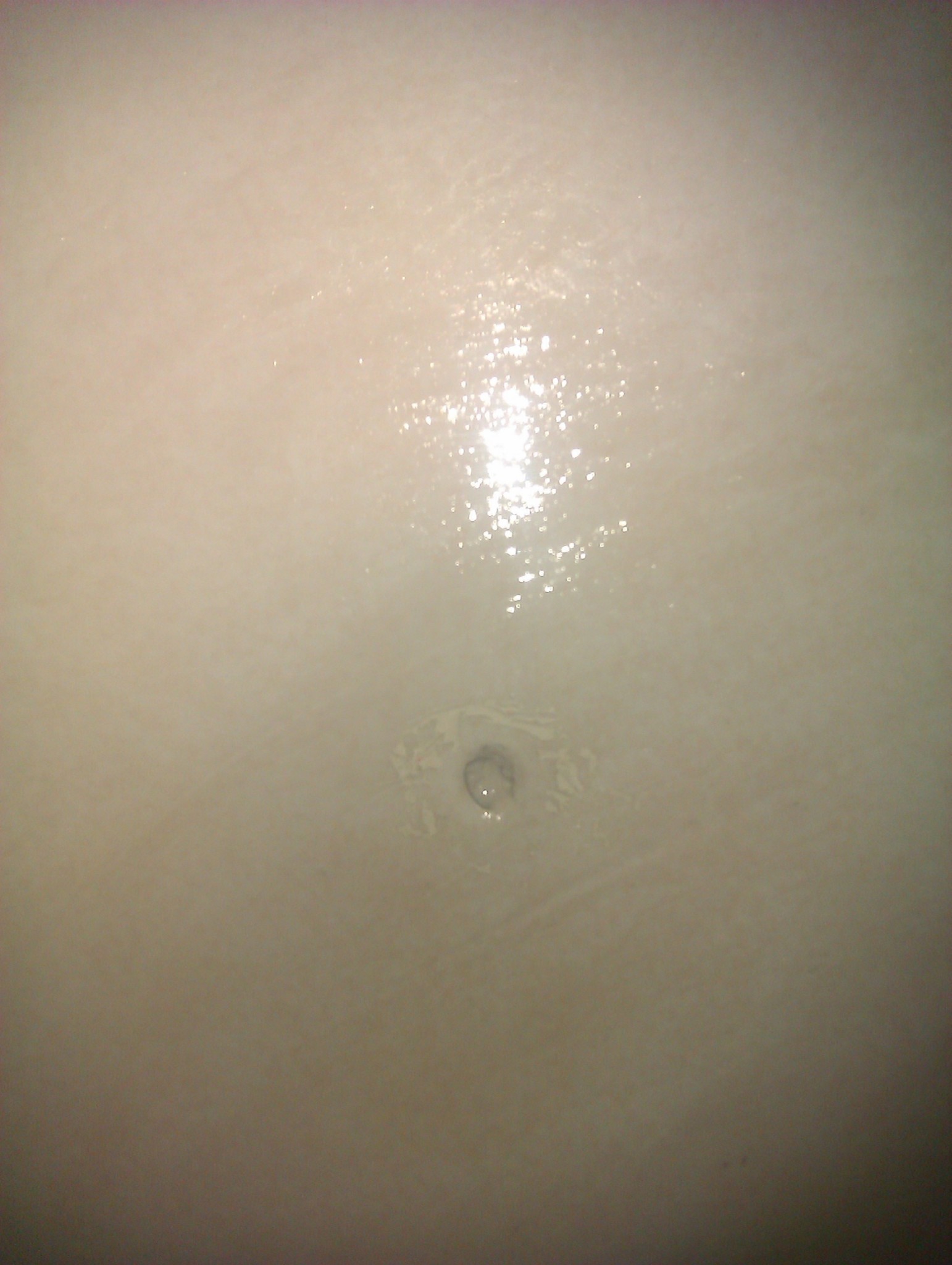
But wait here - you filled a hole with an entire tube of latex sealant right in the shower area?
This is a bigger problem than the two possible mold spots you found behind the wardrobe in the other thread, unless they are related, of course.
It's not so good from a moisture safety standpoint, you should really get help, as an emergency solution post on the forum, but preferably before such a "measure" is carried out. It would be good to find out why there is a "draft" from these holes you found in the house.
/A
This is a bigger problem than the two possible mold spots you found behind the wardrobe in the other thread, unless they are related, of course.
It's not so good from a moisture safety standpoint, you should really get help, as an emergency solution post on the forum, but preferably before such a "measure" is carried out. It would be good to find out why there is a "draft" from these holes you found in the house.
/A
As mentioned, to fix this properly I would have to tear down the wall and install a new particle board, which would mean a new bathroom that I cannot afford. I have control over this issue as an inspector has looked at it, and there was a "yellow" moisture indication right after showering; the shower has been off and empty for four weeks, and now that moisture indication is gone. Looking at the house plans, there is an exhaust for radon behind that wall, probably why there is a draft. I asked a moisture expert via email about this and was told that since there is no moisture indication, an emergency solution would be to fill the hole with wet room silicone to prevent new moisture from coming in.


I wanted it to be tight, and since it's probably a hole that goes straight through the chipboard, a lot of silicone has likely run down behind the board before it actually started to stick in the hole. Silicone is not dangerous; it won't damage the chipboard.mlkjhr said:
I'm more puzzled over how the previous owner thought, because if you look at the drawings and what junk he left in the storage, there has been a shower cabin mounted there, the bracket for it fits exactly into that hole, so how did they think, yeah we'll remove the shower cabin, leave a hole in the wall that we shower in, and let water run into the wall, that's perfectly fine!
And the previous owner was an alcoholic and addict, so he might not think, but the shower cabin was removed before he bought the house last year, so the owners who removed it are the ones who wallpapered the entire apartment, so I'm wondering how did they think? That's a disaster solution if anything...
What you could do according to a moisture expert and a bathroom firm I have consulted is either fill it with silicone or weld a small piece of plastic mat over it, both methods were equally bad except welding costs a bit more. Sealing the hole would be completely fine as long as you don't get a moisture indication, if there's no moisture indication, the wall is dry and you're not trapping any moisture. Moisture measurement was done before the hole was sealed.
A correct repair is to replace the chipboard, but then I break the moisture barrier at the joints, and then I have to lay a new moisture barrier, and you can't have two different moisture barriers in the bathroom, so then the whole bathroom has to be done, and I can't change the moisture barrier without replacing the floor drains to the current standard. Which costs about 100,000 currency I definitely don't have now as a student, but which can be saved up fairly easily in 2 years when I have a job.

You could have inserted a small plug before applying the silicone. Then you would have avoided half a liter (?) of silicone in the middle of the wall. But on the other hand, it doesn't do any harm there either.

Filling a hole when there's nothing behind it can be a bit tricky. Here's a tip:
Get a small piece of wood, a piece of molding or so, that just fits through the hole. Tie a string in the middle of the wooden piece, apply glue and push it through the hole so it hangs by the string on the inside. Then pull on the string to press against the inside of the wall. Keep the pressure until the glue has dried.
Now you have a base in the hole, which you can apply silicone against.
Get a small piece of wood, a piece of molding or so, that just fits through the hole. Tie a string in the middle of the wooden piece, apply glue and push it through the hole so it hangs by the string on the inside. Then pull on the string to press against the inside of the wall. Keep the pressure until the glue has dried.
Now you have a base in the hole, which you can apply silicone against.
Click here to reply