4,420 views ·
29 replies
4k views
29 replies
I can't get the wall down with the chainsaw - help!

Going to take down some walls in the new house. Tonight I told the hubby to take care of the kids so I could go and start. Since they are timber/plank walls, I thought a chainsaw would work...
Boy, was I wrong! Tried both the electric saw and the regular one, it was like driving the blades into rock. Or, well, almost. Got a little scratch on one plank. Realized immediately that this isn't going to work.
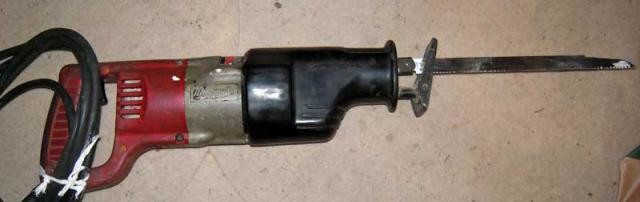
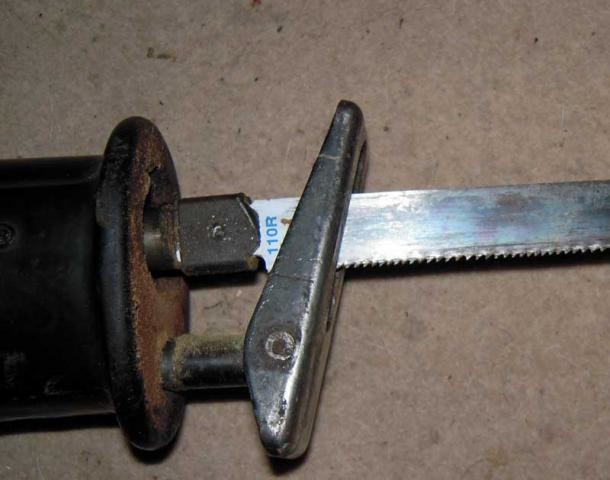
What to do? Reciprocating saw?! Went home again, searched through the shed and found something called Milwaukee Sawzall and it weighs a ton! Anyone think it can handle the walls? Never used a reciprocating saw before, some handling tips would be welcome! How do I even know if the blade is for wood?
Anyone have another idea on how to take down the walls? Just don’t say crowbar because I've tried that, and I don't want to test dynamite.
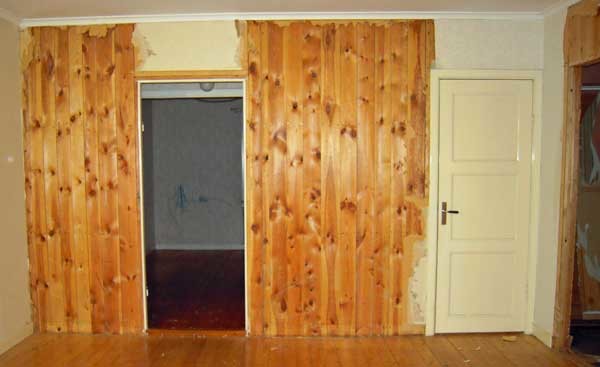
A little picture of the tough wall is attached!
Boy, was I wrong! Tried both the electric saw and the regular one, it was like driving the blades into rock. Or, well, almost. Got a little scratch on one plank. Realized immediately that this isn't going to work.
What to do?
Reciprocating saw?! Went home again, searched through the shed and found something called Milwaukee Sawzall and it weighs a ton! Anyone think it can handle the walls? Never used a reciprocating saw before, some handling tips would be welcome! How do I even know if the blade is for wood?Anyone have another idea on how to take down the walls? Just don’t say crowbar because I've tried that, and I don't want to test dynamite.
A little picture of the tough wall is attached!
Nix, have sharpened all chains recently....
Ah, you might have thought I was using a circular saw.... That was an idea!

Hope you are sure that it is not a load-bearing wall, it's usually the first step to worry if the saw `Jams´
I'm completely certain, I've had the builder there TWICE to really make sure they are not load-bearing.
Well if the chainsaw doesn't work at all, then the tiger likely won't either, but I can't quite understand how the chainsaw might not work? Steel sheet piles instead of wood maybe? hehe
Time to resort to violence with crowbars and sledgehammers
Tossegubben: I don't get it either. Maybe I was just too cowardly? I was thinking about potential kickback and spark generation when I tried, so I was a bit cautious. But I found a substantial knot hole where I started, and even though I applied pressure, it went incredibly slowly... But maybe it's supposed to take a week to take down a wall....
I thought the reciprocating saw could both get into the knot hole and be a bit safer to handle... I won't be standing on any ladder wobbling with the chainsaw now that I know how awful it was!
I thought the reciprocating saw could both get into the knot hole and be a bit safer to handle... I won't be standing on any ladder wobbling with the chainsaw now that I know how awful it was!

Watched as a carpenter did this with a circular saw with a fairly dull blade (he didn't want to sacrifice new fine blades on possible nails and electrical wires), went perfectly well for him to take down the wall!
Hermansson82: You can forget about the crowbar! I removed 3 planks with the help of the crowbar this weekend, and I worked like a lit-up badger. I was almost invalid by the evening. And I can add that I have plenty of weight/strength/muscles... so it's not lacking there.
Do old 1930s houses have to be so darn well-built?!
Do old 1930s houses have to be so darn well-built?!
Alright, out to the boa and look for the circular saw then....
And you can't saw with the wood, so from top to bottom you'll just get a hole, so it'll probably be easier then good luck
It must work with a reciprocating saw!!! But sure, it would have worked with a chainsaw too if you weren't chickening out, I would think.
But for my part, it feels safer with a reciprocating saw. There's a greater risk of injury with a chainsaw.
A tip for getting through the wall, if you don't have a knot hole to start in or drill a hole, is to set the saw parallel with the wall and then start the machine, gently pressing the tip into the wall, which usually gives way.
A blade for wood has larger and wider teeth than a metal blade. There are also blades that can handle wood but also a nail or two, which is good when cutting into walls.
But for my part, it feels safer with a reciprocating saw. There's a greater risk of injury with a chainsaw.
A tip for getting through the wall, if you don't have a knot hole to start in or drill a hole, is to set the saw parallel with the wall and then start the machine, gently pressing the tip into the wall, which usually gives way.
A blade for wood has larger and wider teeth than a metal blade. There are also blades that can handle wood but also a nail or two, which is good when cutting into walls.