
12,459 views ·
72 replies
12k views
72 replies
How should I plaster the walls best?
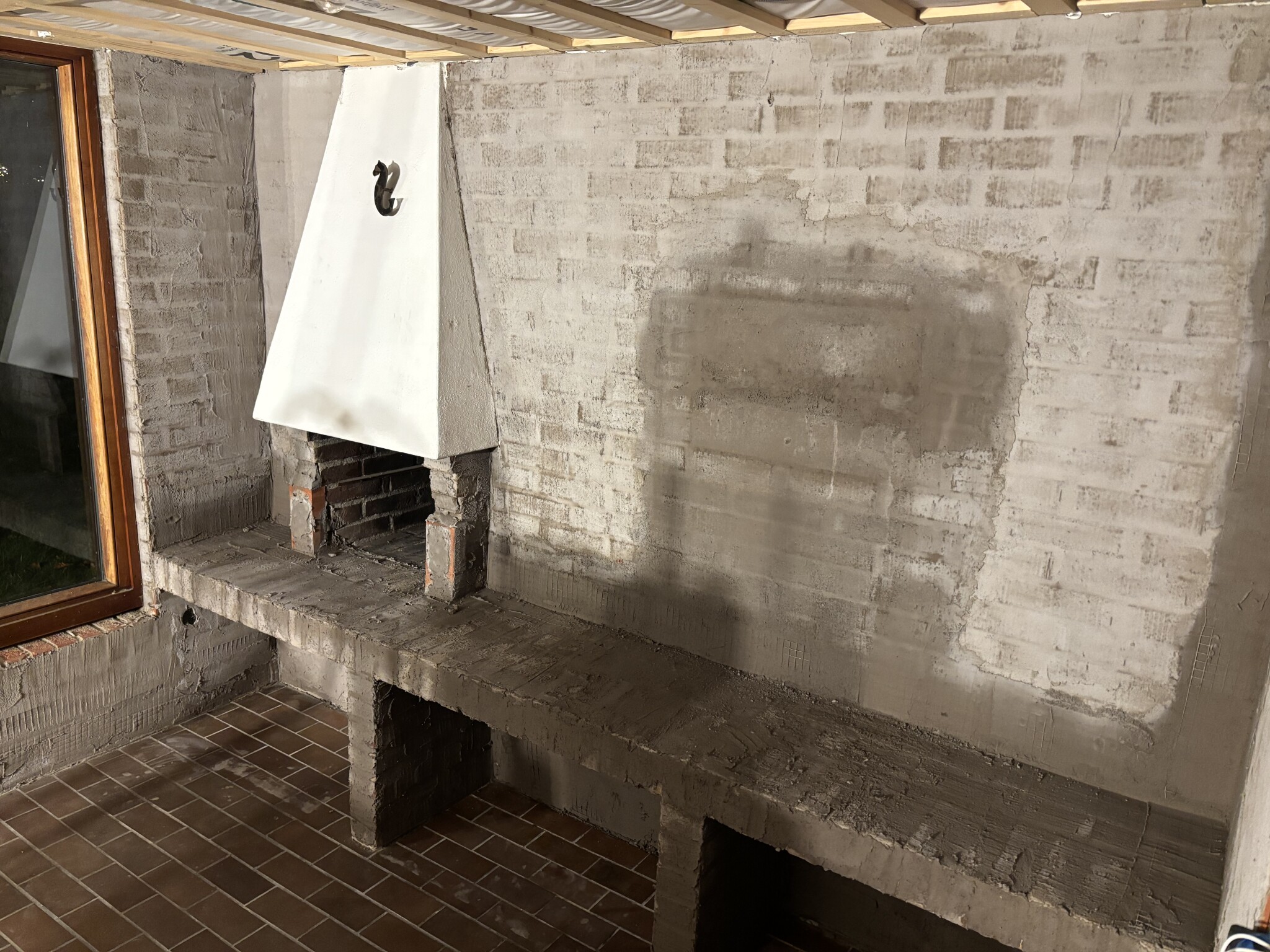
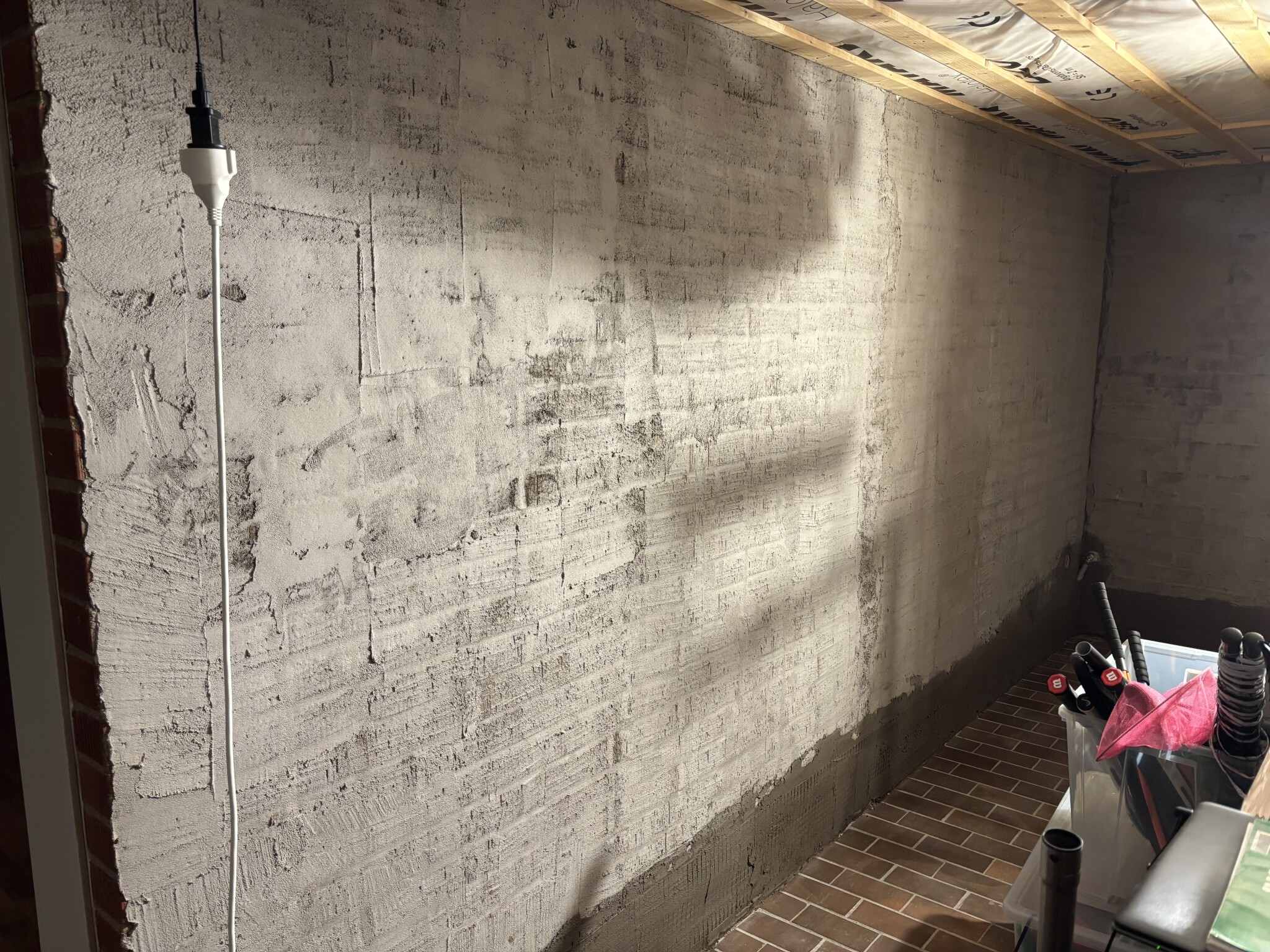
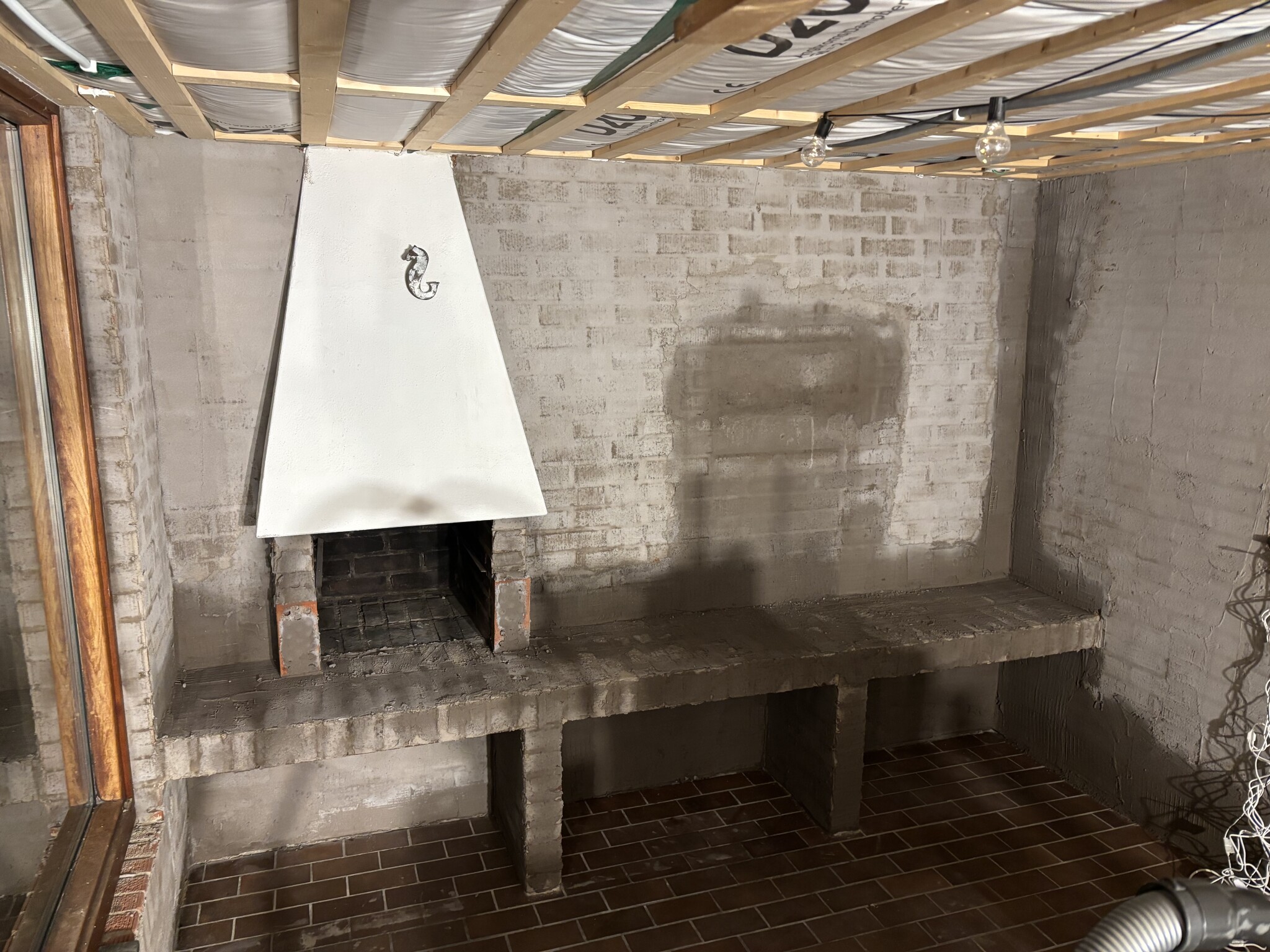
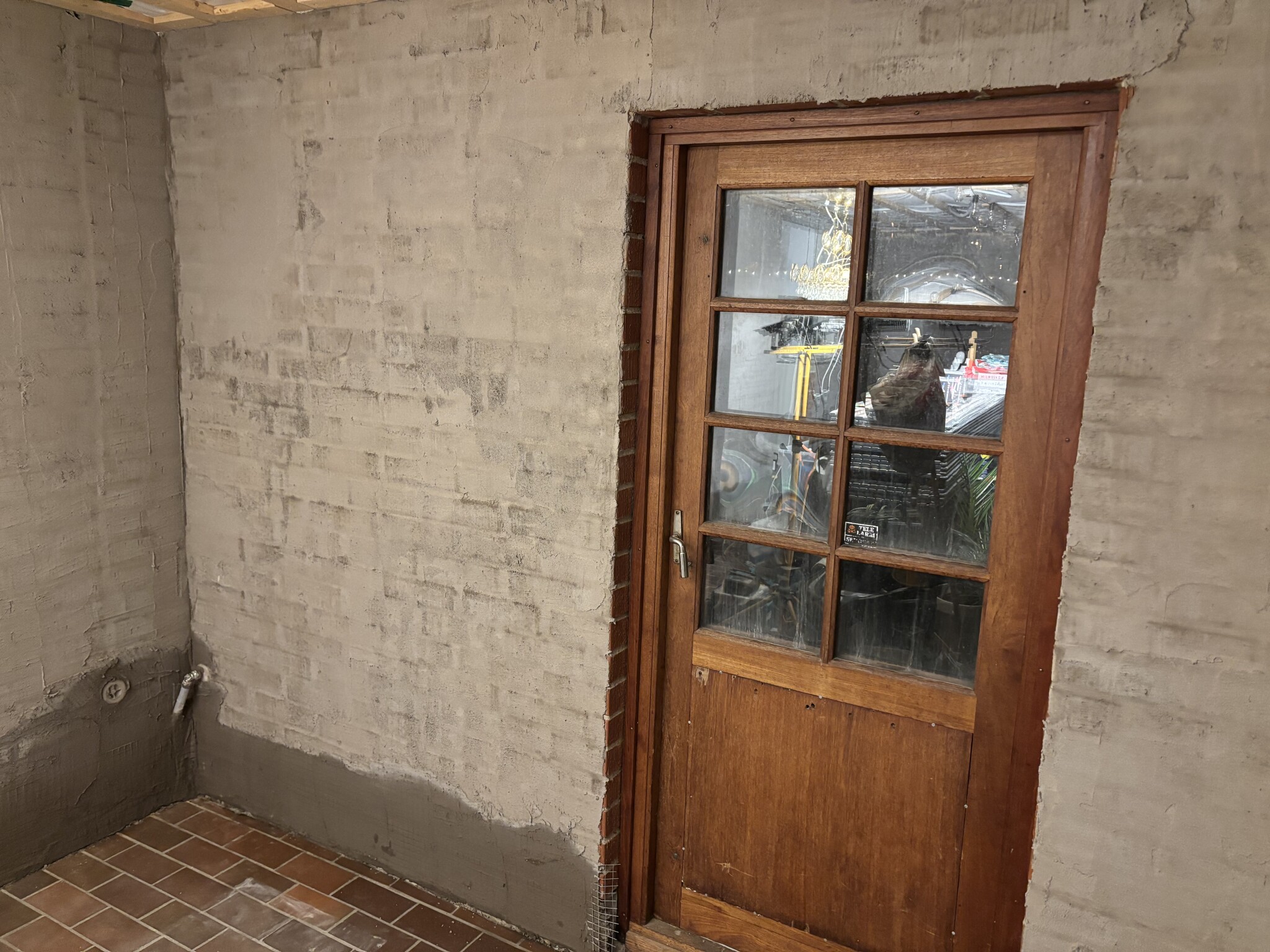
I have applied base coat A now and it's time to start thinking about the plastering.
I was thinking of just applying it as it doesn't have to be perfectly straight walls. But now I realize that it might not turn out well at all. Is setting battens and marking out the best approach?
If so, that's what it will be. I thought it would be extra work, but maybe it's worth it?
I was thinking of just applying it as it doesn't have to be perfectly straight walls. But now I realize that it might not turn out well at all. Is setting battens and marking out the best approach?
If so, that's what it will be. I thought it would be extra work, but maybe it's worth it?
Hobby carpenter
· Västra Götaland
· 1 496 posts
It will definitely be smoother with läkt. Then you can work with the large board that applies more bruk faster.
Thank you. Yep, that's probably the way to go.
When it comes to inner corners, I assume you have to make a wall all the way in and then skip the next one and do the one opposite instead. The only way to get straight, nice corners, I think. So you can't do an entire room on the same day?
When it comes to inner corners, I assume you have to make a wall all the way in and then skip the next one and do the one opposite instead. The only way to get straight, nice corners, I think. So you can't do an entire room on the same day?
There are metal polishing tracks (screeding track) that are intended to remain in use. I usually use them and it's very convenient. If you're inexperienced, it might be good to limit the width to, for example, 60 cm per track...
Ok. Do you have a tip on such? I haven't seen anything like that.anders07 said:
https://www.hornbach.se/p/avdragsbana-finja-forzinkad-6x21x2500-mm/6046209/Dr Benz said:
Like those...
What type of mortar were you planning to use for plastering then?
For outer corners, you should put up a straight 22*95 outer panel plank, as a suggestion.
With 2 plaster anchors in the joint, you might need to pre-drill with a 6 mm drill.
And not hammer it too violently.
In the "brick bench," you need to drill a larger hole in the plank,
to have the anchor in the middle of the brick and for adjustment allowance in level.
https://www.swedol.se/putshake-fyrkantig-1-565001-7400064443.html
For outer corners, you should put up a straight 22*95 outer panel plank, as a suggestion.
With 2 plaster anchors in the joint, you might need to pre-drill with a 6 mm drill.
And not hammer it too violently.
In the "brick bench," you need to drill a larger hole in the plank,
to have the anchor in the middle of the brick and for adjustment allowance in level.
https://www.swedol.se/putshake-fyrkantig-1-565001-7400064443.html
Great. That was pretty much what I had in mind. However, I had forgotten the hooks, which must be extremely convenient to use.N neo11 said:What type of mortar were you planning to use then?
For the outer corners, you attach a straight 22*95 outer panel plank, preferably.
With 2 putshooks in the joint, you might need to pre-drill with a 6 mm drill.
And don't hammer it in too forcefully.
In the "brick bench," you need to drill a larger hole in the plank,
to have the hook centered on the brick and for adjustment space in level.
[link]
I was planning to use Putsbruk C from Finja.
I have some cracks in the walls along the corners. They could very well be old and have settled a long time ago, but I think C is a bit more forgiving if, by any chance, there is still some movement?
Yes, the hooks are good as they can be adjusted horizontally/vertically afterward, and easy to set up. C mortar is good, you absolutely shouldn't use harder mortar. You could have primed with C mortar as well, but it doesn't matter now. But you should probably also buy some 1mm mortar, to patch holes after the plaster hooks. And to fix corners after you remove the rods, etc. Since the metal strip is so shallow, I would have removed it once it got a bit hard. Plastered and patched it with 1mm mortar. If you're going to remove the plaster, a wooden Kanitz is a good choice. What color are you going to paint with later then?
What is the difference between plaster mortar C with and without KC?
Masonry and plaster mortar are coarser, so I don't want that?
Why do people remove the plaster?
I want a typical facade roughness on the plaster.
How do you remove the metal strips when they look like a T? It should take too much of the plaster with it?
Masonry and plaster mortar are coarser, so I don't want that?
Why do people remove the plaster?
I want a typical facade roughness on the plaster.
How do you remove the metal strips when they look like a T? It should take too much of the plaster with it?


Render C is usually a mixture of sand and a small portion of Portland cement mixed with limestone flour. The limestone flour allows the Portland cement to set more controlled than if it were not included. It also makes the render a bit stickier/smoother. It sets as the Portland cement cures, which happens quickly.
Render KC is a lime-cement render. It is a mixture of sand, slaked lime, and Portland cement. It is stickier/smoother than the render above due to the high content of slaked lime. It sets in two stages; first, the Portland cement cures, which happens quickly, and then over several weeks/months/years, the slaked lime sets through carbonation.
Render KC is a lime-cement render. It is a mixture of sand, slaked lime, and Portland cement. It is stickier/smoother than the render above due to the high content of slaked lime. It sets in two stages; first, the Portland cement cures, which happens quickly, and then over several weeks/months/years, the slaked lime sets through carbonation.