
Working on fixing a wall. Initially intended only to remove wallpaper, but some plaster was loose under the wallpaper and fell off. Planning to install new flooring in a week and need to handle the rough renovation of the wall before then.
There are four problems.
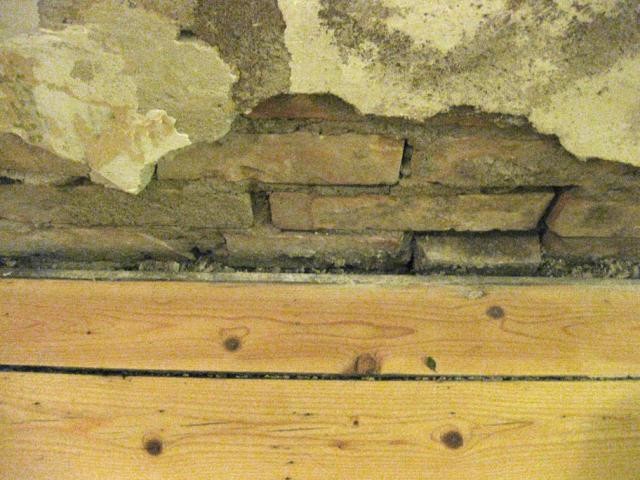
1. What material should I use to repair the damage in images 1 and 2?
2. I can go about 1 cm below floor level, should I try to apply new plaster as deeply as possible?
3. In image 3, you can see the remnants of what I guess are old shelves. Wooden pieces embedded in the wall. The plaster around these is in poor condition. How should I handle the plaster and wooden pieces at these points?
4. How should I prepare for the moldings? When I removed them, they were fastened with wooden pieces embedded about 8-10 cm into the brick. Maybe not optimal to do again. Plaster over, attach a bracket to the plaster to nail the molding, or how should I handle that part?
Grateful for an answer, really running late with the floor contractor in a week, baby in 3-4 weeks, and job interview on Tuesday morning
There are four problems.
1. What material should I use to repair the damage in images 1 and 2?
2. I can go about 1 cm below floor level, should I try to apply new plaster as deeply as possible?
3. In image 3, you can see the remnants of what I guess are old shelves. Wooden pieces embedded in the wall. The plaster around these is in poor condition. How should I handle the plaster and wooden pieces at these points?
4. How should I prepare for the moldings? When I removed them, they were fastened with wooden pieces embedded about 8-10 cm into the brick. Maybe not optimal to do again. Plaster over, attach a bracket to the plaster to nail the molding, or how should I handle that part?
Grateful for an answer, really running late with the floor contractor in a week, baby in 3-4 weeks, and job interview on Tuesday morning
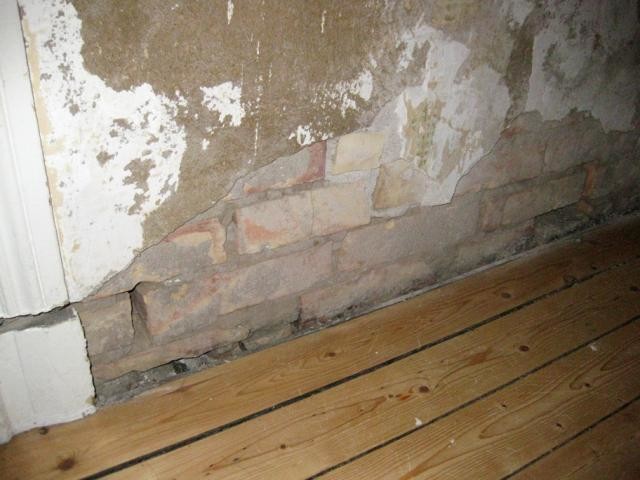
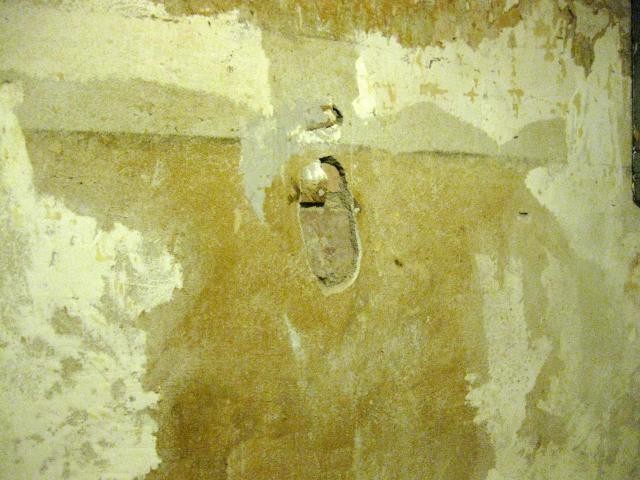
The wood served as a plug.
Cover the floor. All loose plaster must be removed. It looks like lime plaster (use the same type of plaster when you repair the plaster). Moisten the wall (like with a spray bottle) and let it sit while you mix the mortar, moisten again where you will repair. Fill all joints with mortar first. Let it set. Apply a skim coat on the wall (base). Let it dry. Then plaster the wall.
Cover the floor. All loose plaster must be removed. It looks like lime plaster (use the same type of plaster when you repair the plaster). Moisten the wall (like with a spray bottle) and let it sit while you mix the mortar, moisten again where you will repair. Fill all joints with mortar first. Let it set. Apply a skim coat on the wall (base). Let it dry. Then plaster the wall.
Thank you Henke. I took your tips to the hardware store and received roughly the same advice. However, I notice in hindsight that they were significantly more brief and less thorough. We'll see if it holds. In any case, I've bricked up the damage. It might crack since the guy in the store gave me surface plaster, but it's not the end of the world as it will mostly be covered with trim and wallpaper.
Last edited:

Click here to reply