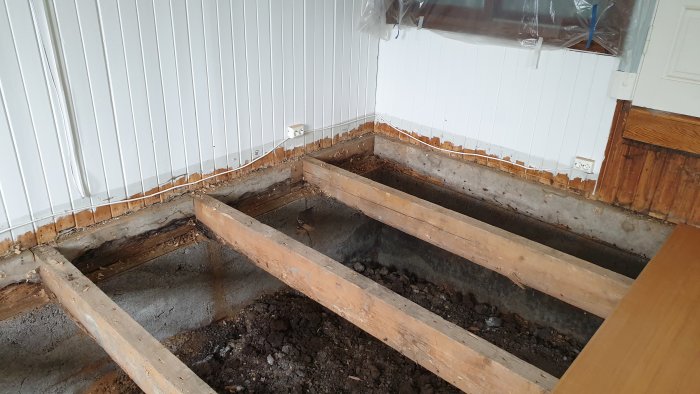
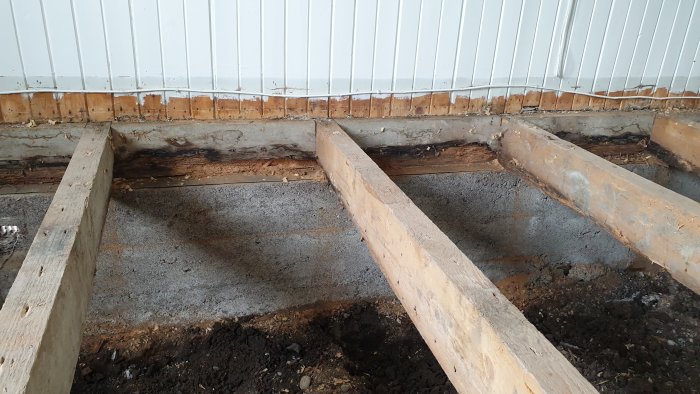
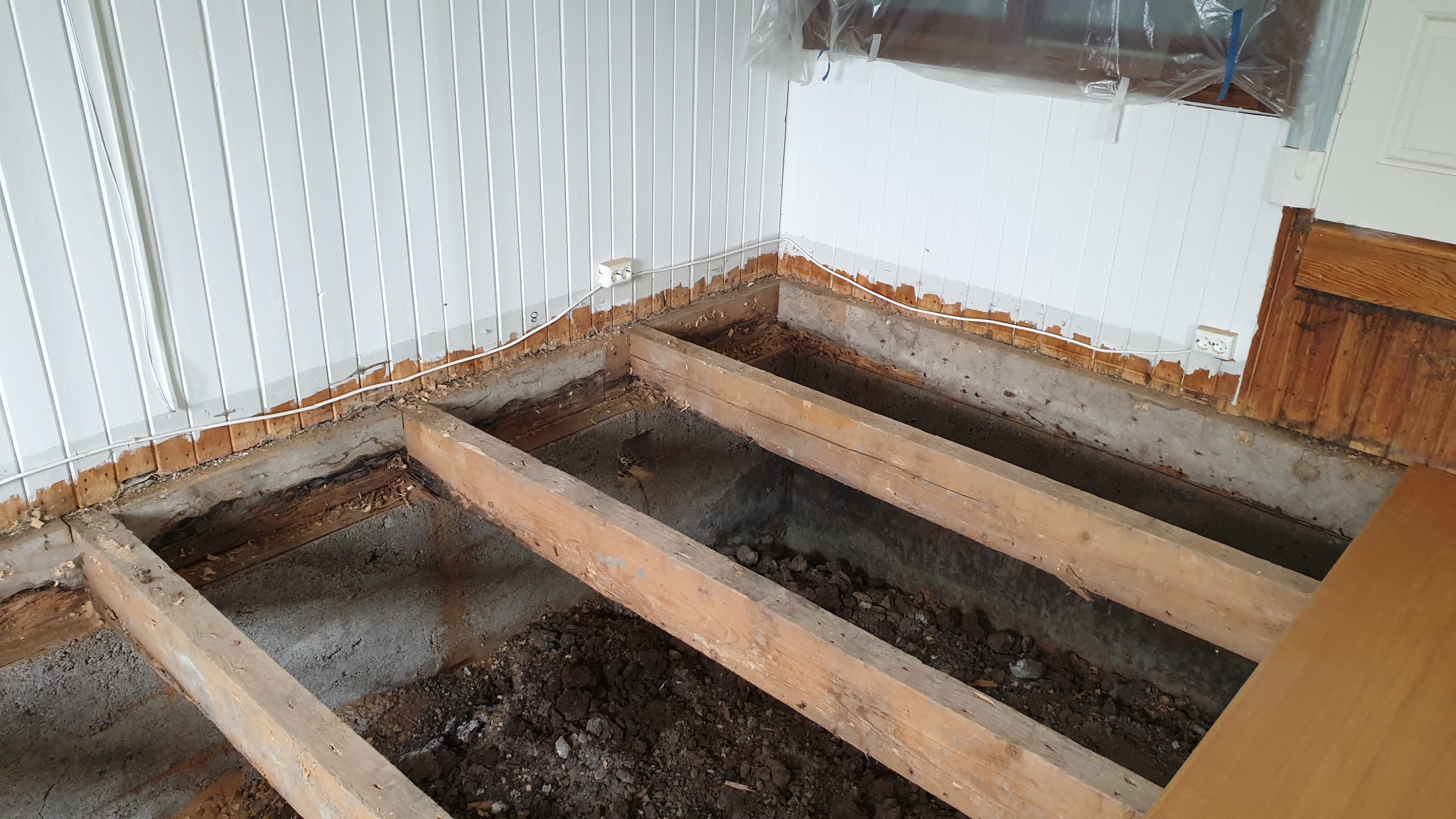
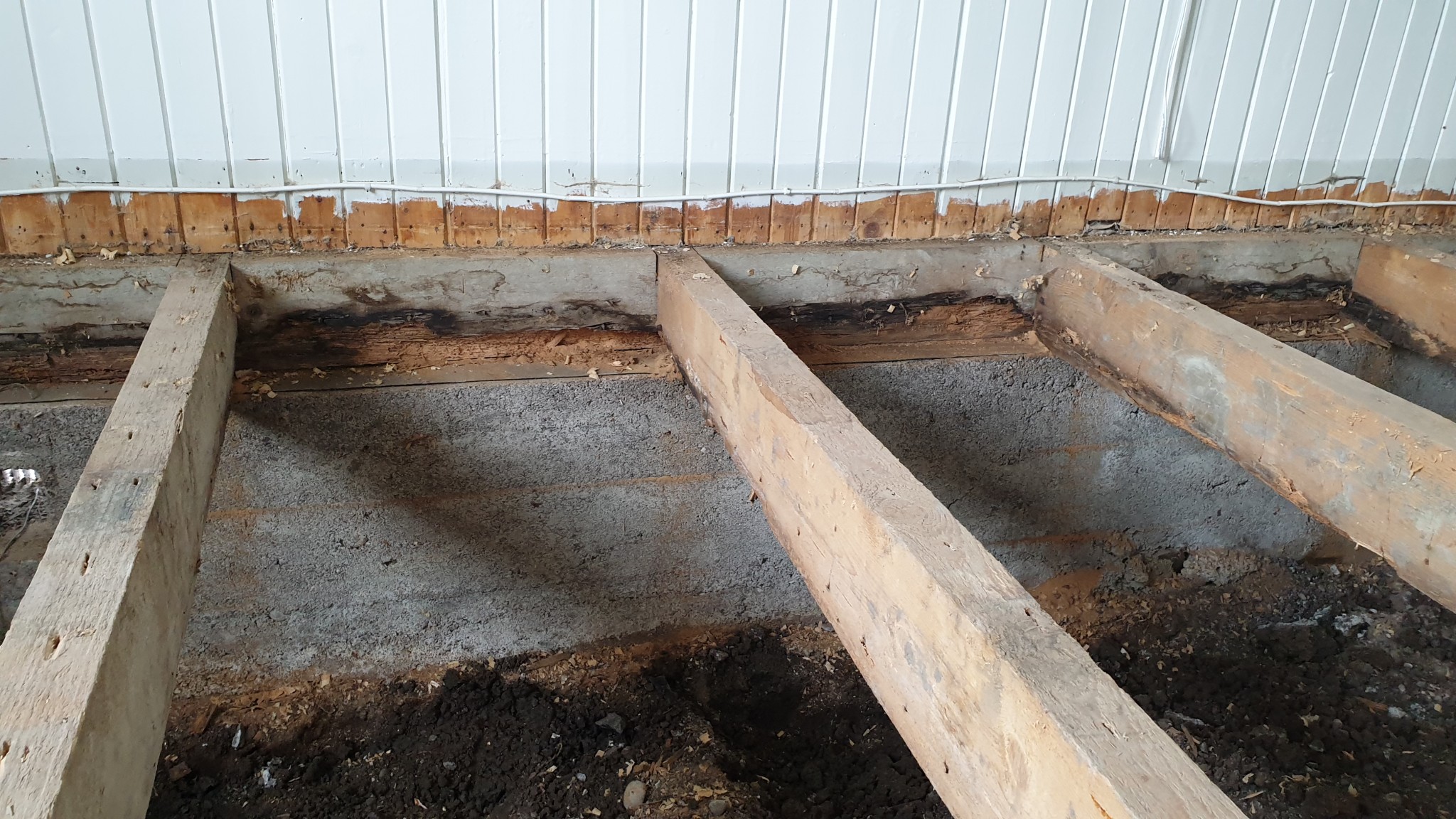
We are in the process of moisture/mold-remediating our crawl space and are struggling to remove the studs that lie on the crawl space wall.
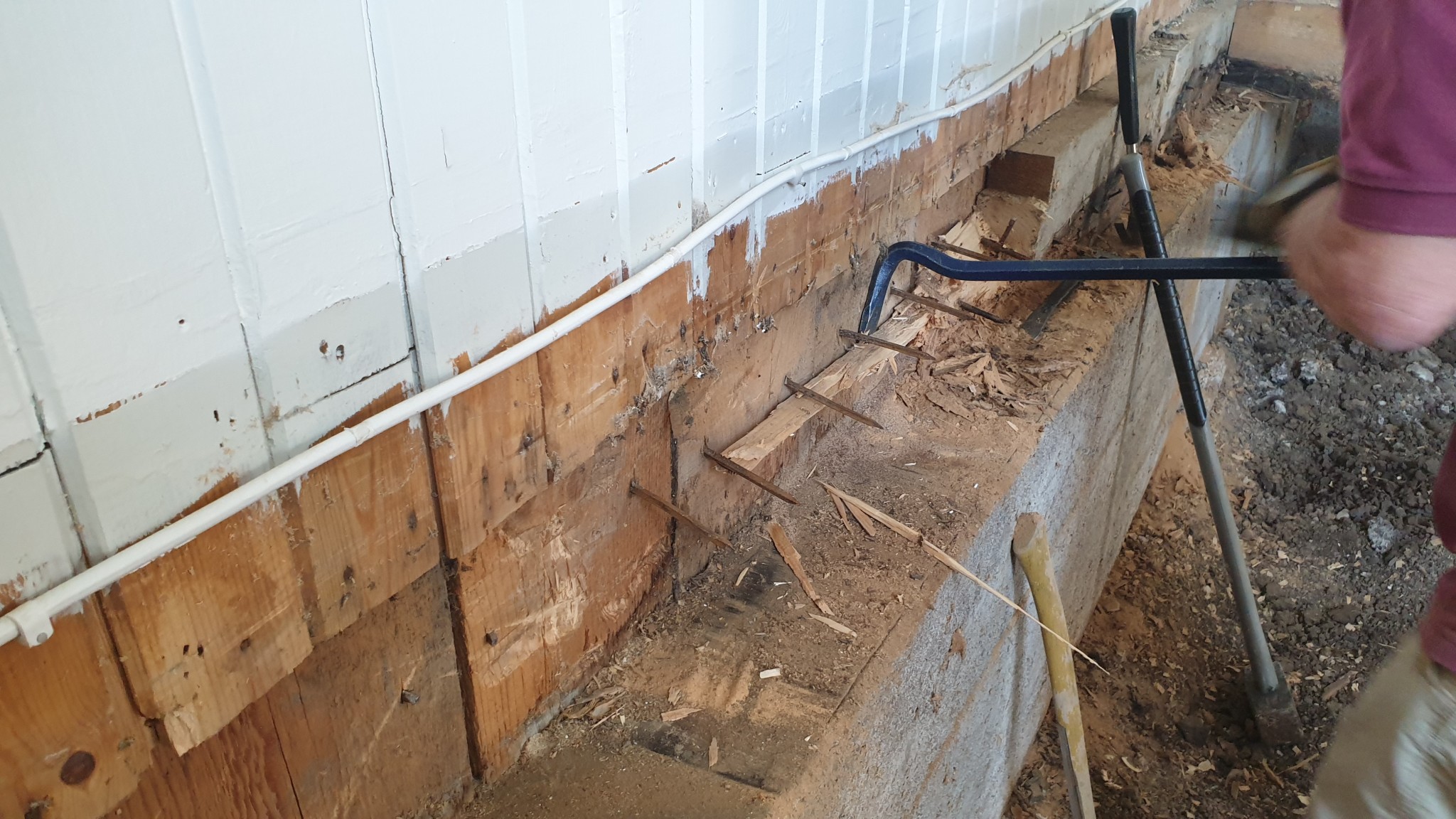
The house was built in 1928, so they used forged thick nails which are nailed from the outside.
Two nails per standing plank, which means a nail approximately every 10 cm. This, plus a "dowel" drilled 15 cm into the iron casting to secure the stud to the wall.
The studs are 195x80 heartwood - they made them properly back then...
Where the wood is bad, it's possible to split along the wood at the nails with an axe and sledgehammer and then remove the stud bit by bit from the nails with a crowbar and lots of swearing.
But where the wood is relatively healthy, we are stuck; we struggled for several hours yesterday and removed a piece a meter long. Additionally, the wall is extended inward there, so we can't really reach from above either - otherwise, we have cut the nails we could reach with a reciprocating saw from above when we've managed to move the stud a few cm.
Tips and tricks for removing the studs would be more than welcome!
When I had to repair our cabin due to water damage, the "beam" that was resting on the wall was like 120*120 core wood posts. Where it was intact, it was impossible, so I spliced instead. But it's probably just blood, sweat, and swearing that's needed
In the rough rule, the floor joists were fastened. I assume they also worked as fastening for the standing planks that make up the wall. A really sturdy and good frame to build the house on...
The chainsaw chain is likely to last 3s with all the nails there are.
Click here to reply
Vi vill skicka notiser för ämnen du bevakar och händelser som berör dig.