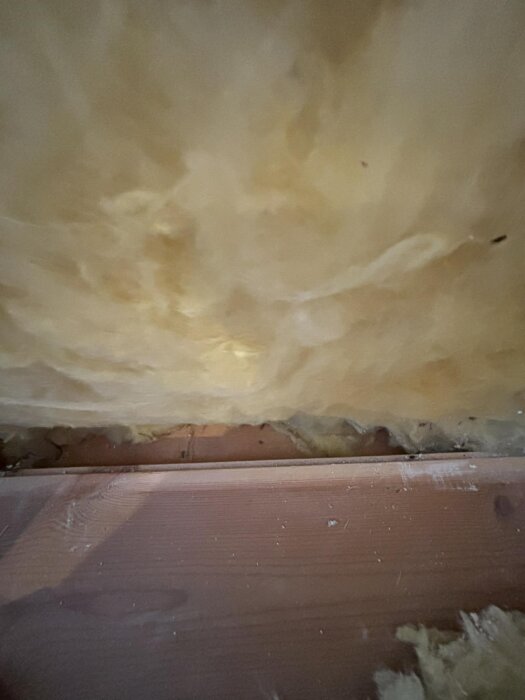
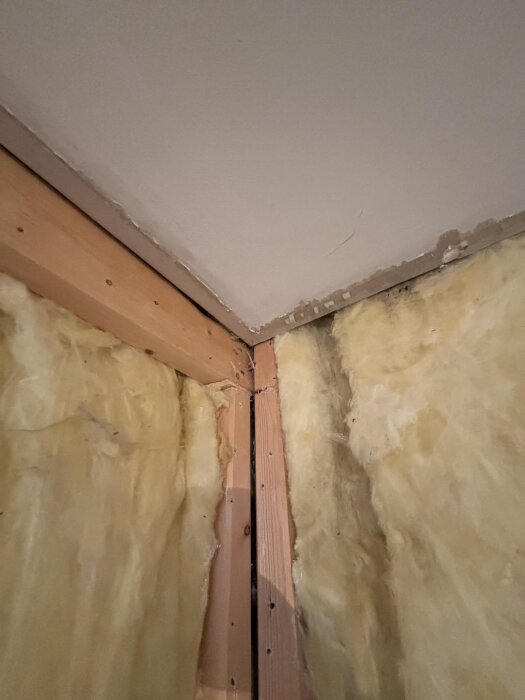
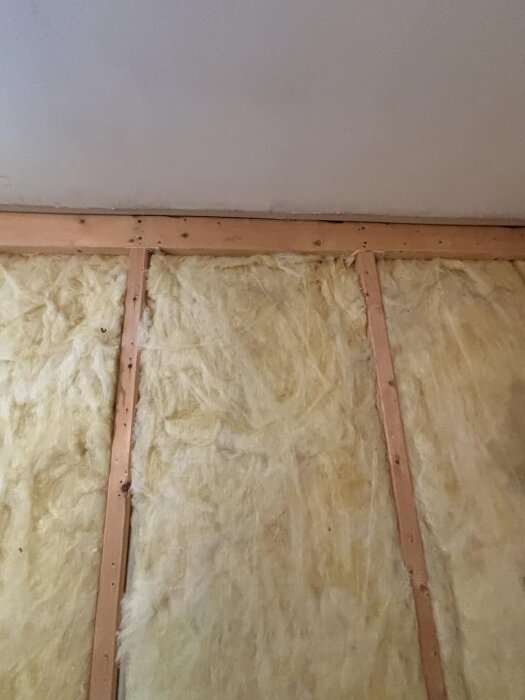
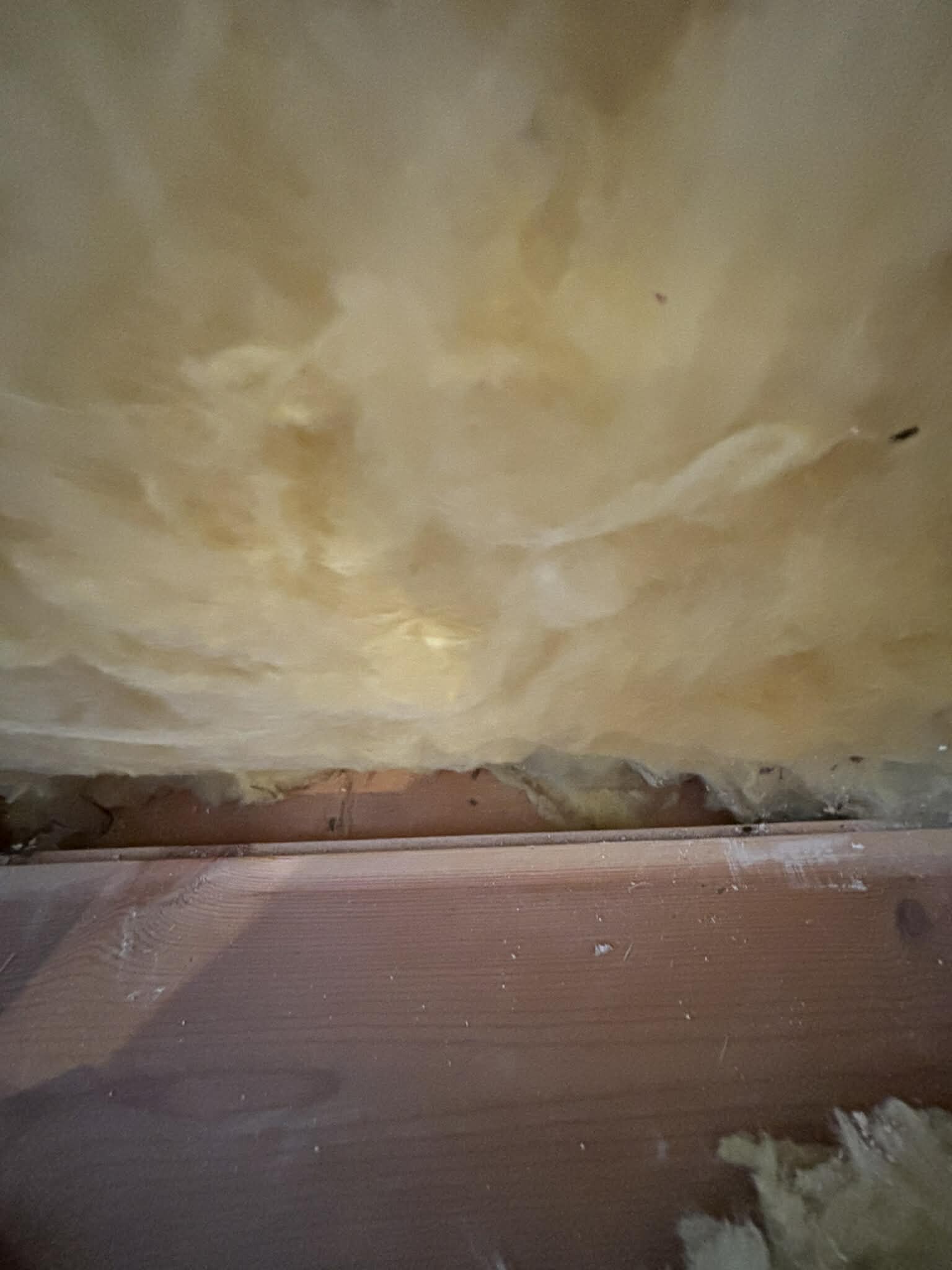
We are renovating the house we live in year-round. It was built as a vacation home in the early 2000s. The house lacks a vapor barrier (we suspect the intention was that it could be left unheated). The insulation in the walls is 190 mm.
Now that we're renovating, we're considering installing a vapor barrier since the house will be used differently than before. Additionally, we think that if one wants to add insulation when replacing the panel in the future, the vapor barrier will already be in place.
But how on earth do you make it tight at the floor and ceiling? Do you just staple it as best as you can to the studs and then tape it? It won't be tight between the floors then. We won't be lifting the floors or tearing down the ceilings.
Or should we simply give up on the vapor barrier project and hope for the best? We've only opened up one room, so we don't know what the other walls/ceiling look like. But the concern is that we will expose the house to higher moisture loads than the previous owners, hence the "it's worked well without a vapor barrier so far" might not hold.
The house is very drafty today, but we are working on sealing around all windows and doors. The ventilation is natural draft, with mechanical exhaust in the bathroom and laundry room, if that makes any difference.
But how on earth are you supposed to make it tight at the floor and ceiling? Is it just about stapling as best as you can to the studs and then taping? It won't be tight between the floors then. We are not going to take up the floors or tear down the ceilings.
Do you think anyone on the forum knows a magic spell to solve this problem? Seriously, you can skip the floors; moisture penetrates the walls and ceilings at the top. What can you do? Replace the ceilings as well, as they're where most of the vapor gets into the insulation. Maybe spread the project out over time. Half the house now (kitchen, bathroom), then the rest.
In old houses, ensure you have negative pressure ventilation, as you will never find all those leaks that allow moist indoor air to leak into the attic and roof, potentially causing moisture issues. With plastic, it will concentrate and direct airflow with moist indoor air to where the leaks are, and there may be even more moisture problems right where you don't want them—unless you have negative pressure ventilation...
If you want neutral and positive pressure ventilation, it only applies to houses that, fundamentally, have been equipped during construction with a vapor barrier and carefully taped all joints (including staples and others to attach the plastic) from floor to ceiling, sealing around window frames, etc., essentially so tight that one could turn the house upside down and fill it with water without it leaking (any more than at the intended places)—achieving such a seal in an already existing house with a retrofitted vapor barrier is impossible.
Moisture migration through the walls is almost not affected at all by whether there is overpressure or underpressure due to ventilation. It is the vapor pressure that governs.
That being said, I would probably install a vapor barrier between the floor and ceiling as best as possible. It will improve the situation. I would take it a little at a time. You don't have to do everything at once.
As previously mentioned in the thread, the best thing you can do is install a vapor barrier wherever possible. That it won't be comparable to a newly built house is not much that can be done about, unless you demolish the existing house and build a new one.
With insulation as thick as 190 mm, it is highly recommended to install a vapor barrier. The thicker the insulation, the longer it takes for condensation moisture to dry out, increasing the risk of mold and rot inside the wall. Without a vapor barrier, it is guaranteed that condensation will form inside the wall for a large part of the year.
Then I suspect, but do not know, that regular ceiling paint (=plastic paint) and wallpaper (even "paper wallpaper" is usually not 100% paper but also consists of plastic layers) probably slow down moisture quite effectively, but it's not something reliable unless you know exactly.

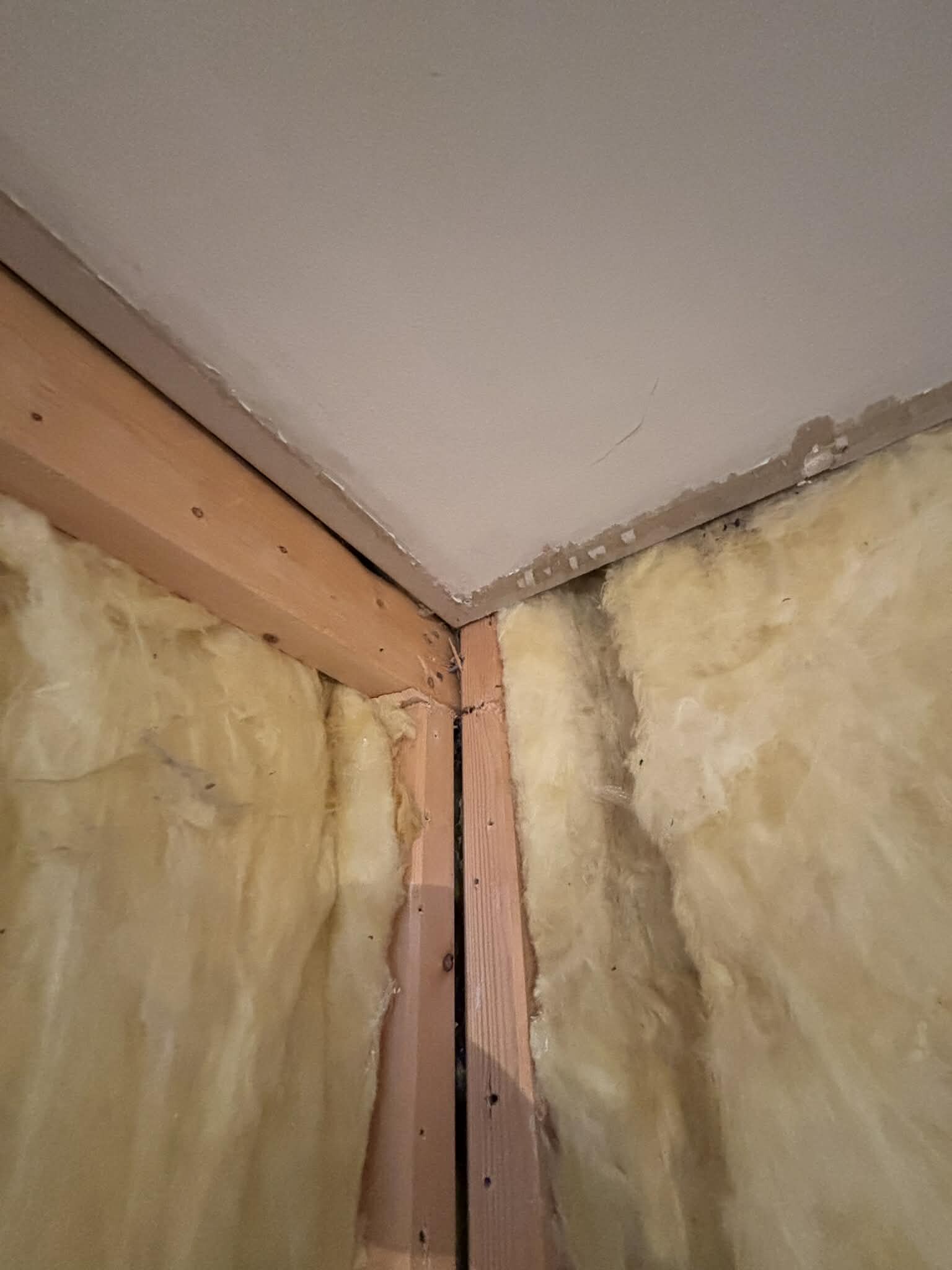
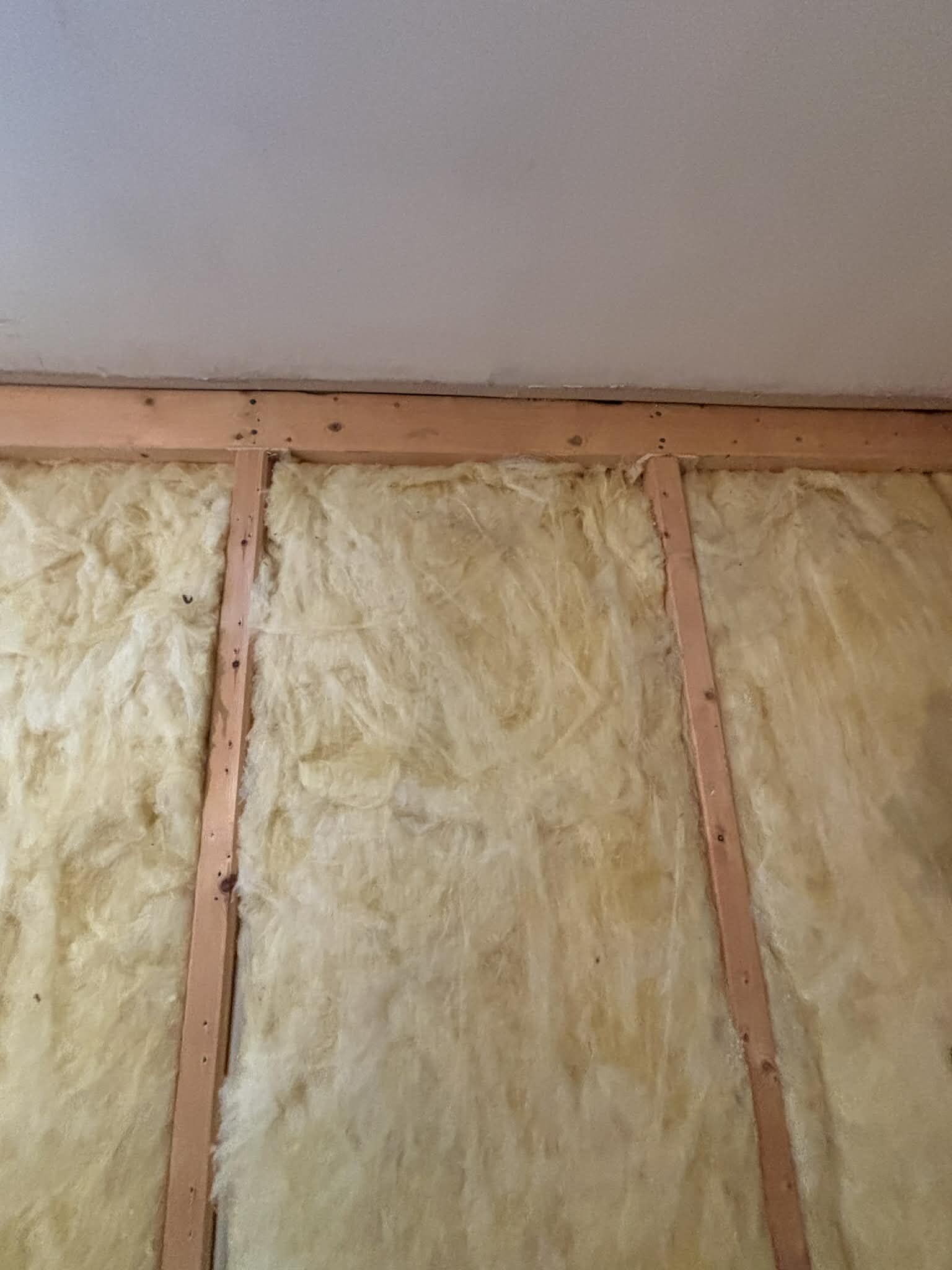

 We have decided to go ahead with the ångspärr and do the best we can and hope that we avoid moisture damage.