
At the far end of my garage, built directly on an asphalt driveway sometime in the '70s, there is a carpentry shop that is insulated. Recently, I undertook the task of tearing up the floor there because it had been alarmingly unstable for a long time. It turned out to be completely ruined as feared, and the joists were completely rotten. Directly on the asphalt lay yellow fiberglass insulation with plastic on top. The insulation was completely soaked (possibly condensation?) yet, oddly enough, the asphalt beneath was not wet. To my question: How do I do this well and cheaply?
Would it work to use pressure-treated joists, Platon mat (under the joists?), and then insulation (what kind? Foam? Rock wool?) and there shouldn't be plastic on it, right???
How would you do it?
Would it work to use pressure-treated joists, Platon mat (under the joists?), and then insulation (what kind? Foam? Rock wool?) and there shouldn't be plastic on it, right???
How would you do it?
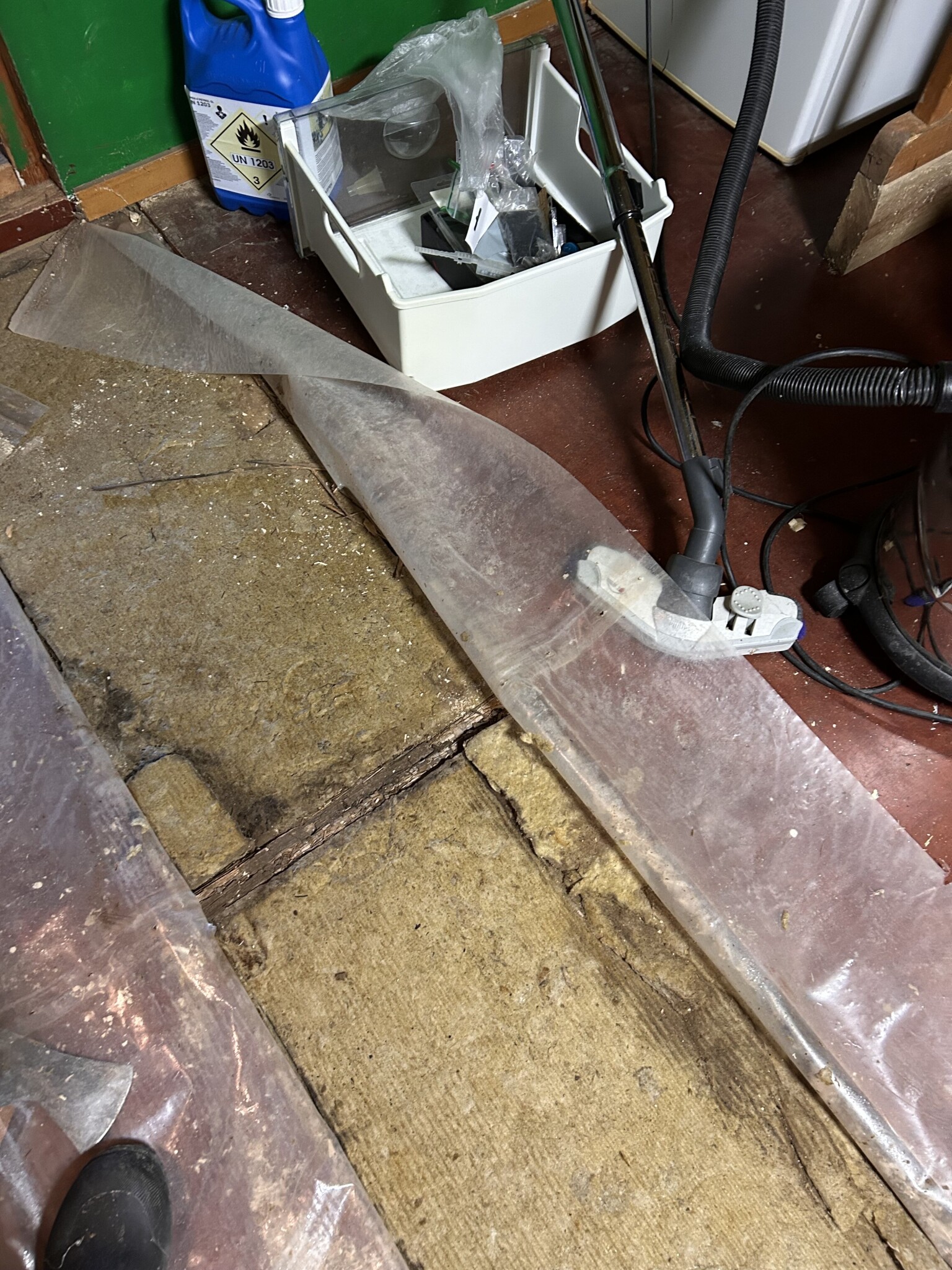

Replacing the foundation in an existing building is not a trivial task. Do you have more pictures of how it's constructed? The most important thing is that everything comes up from the asphalt. Is the floor built after the structure so that the walls stand on a stable foundation? Since there is flat asphalt underneath, maybe not much air is needed. Some paving stones might be enough. Then, use joists to attach slats to lay a joist floorboard on. After that, insulation and flooring. But if the asphalt is flat and everything is inside the garage so that water doesn't get in, you might be able to lay Platon mat and cell plastic on the asphalt and then chipboard.
A Avemo said:Replacing the foundation in an existing building is not a trivial task. Do you have more pictures of how it's constructed? The most important thing is that everything is raised from the asphalt. Is the floor built after the building so that the walls stand on a stable foundation? Since there's flat asphalt underneath, not much air might be needed. Some paving stones might suffice. Then use beams to attach strips to lay a subfloor panel on. After that, insulation and flooring. But if the asphalt is flat and everything is inside the garage so that no water gets in, maybe you can lay Platon sheets and foam plastic on the asphalt and then chipboard.
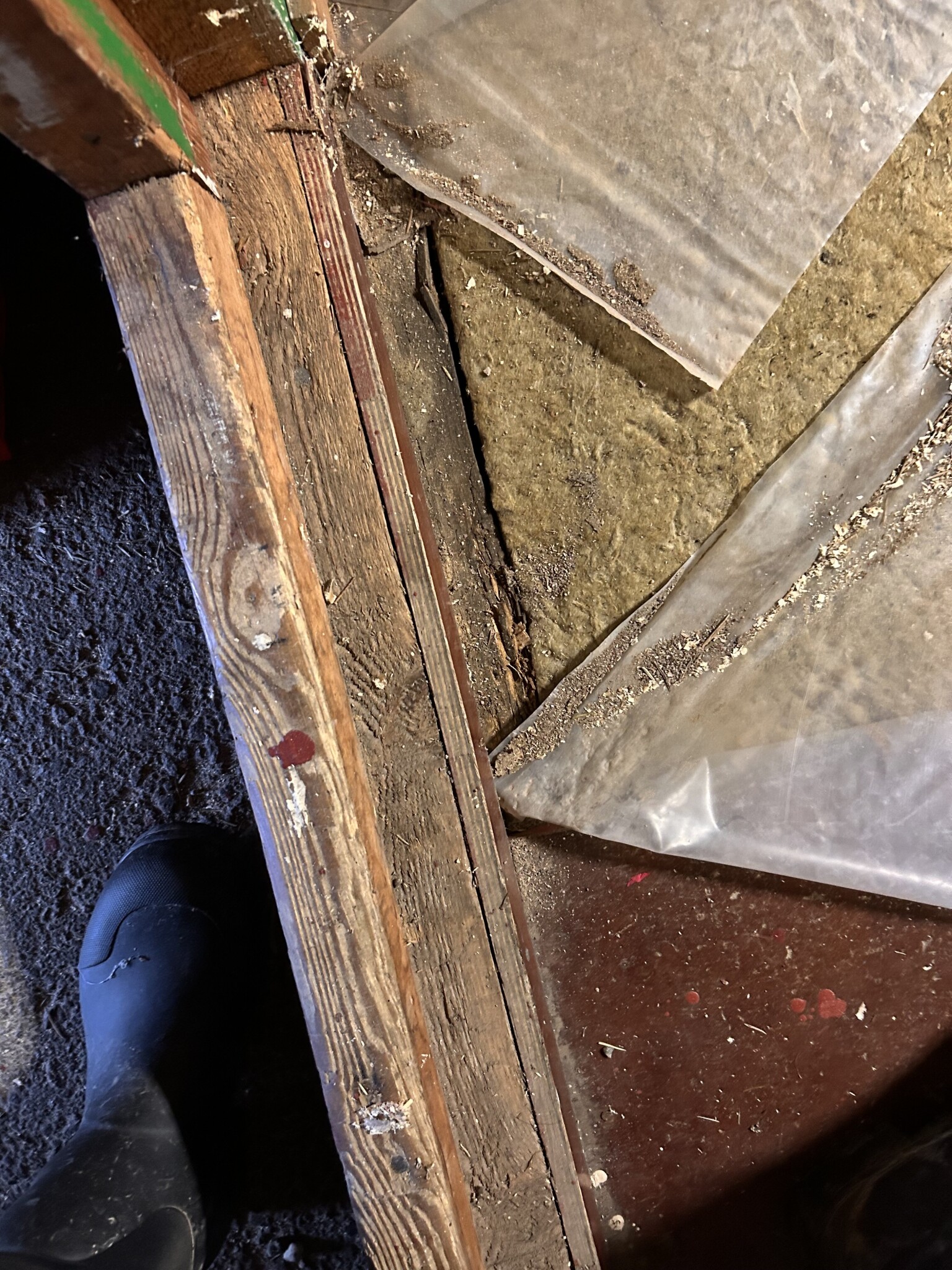
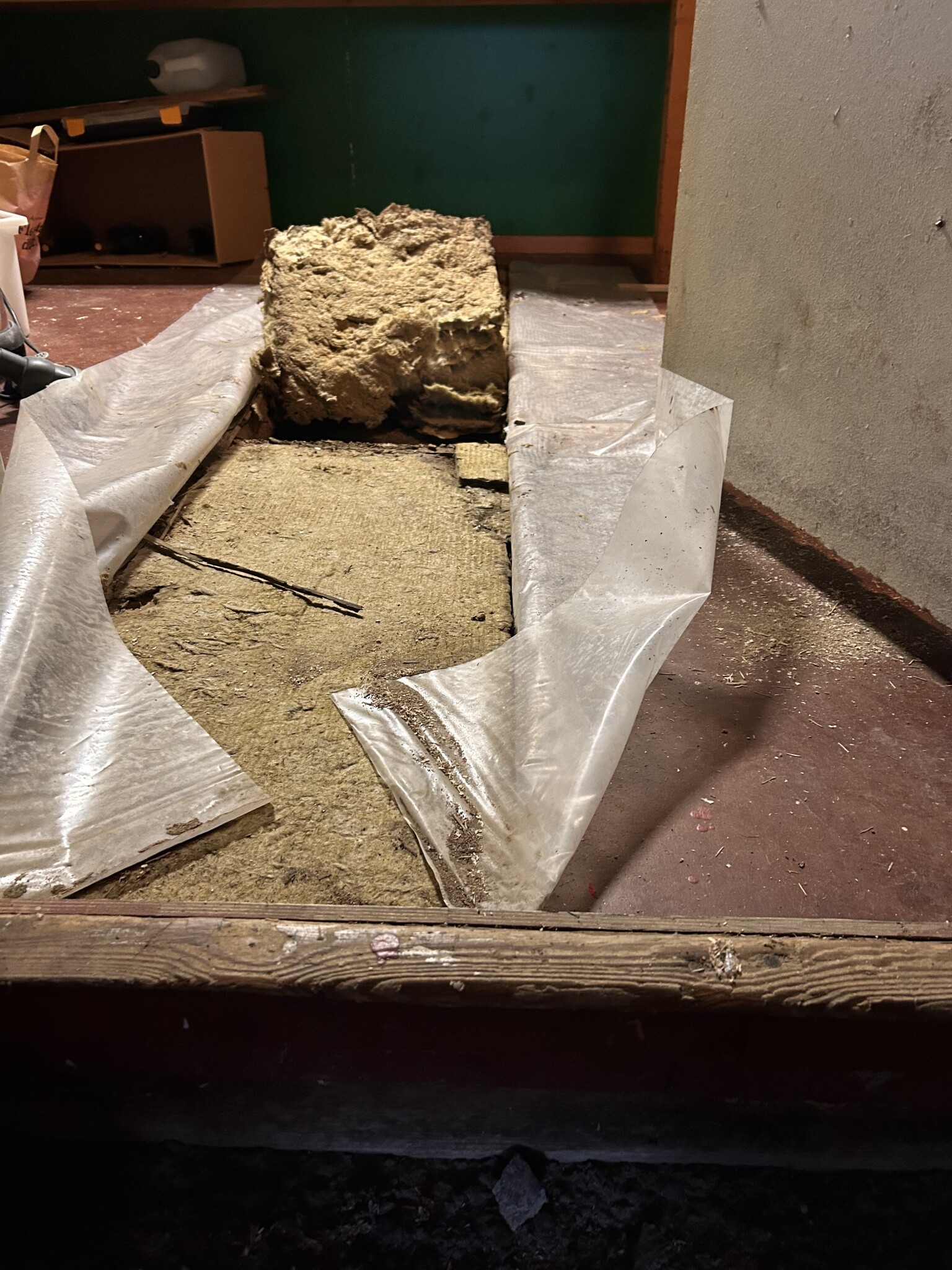
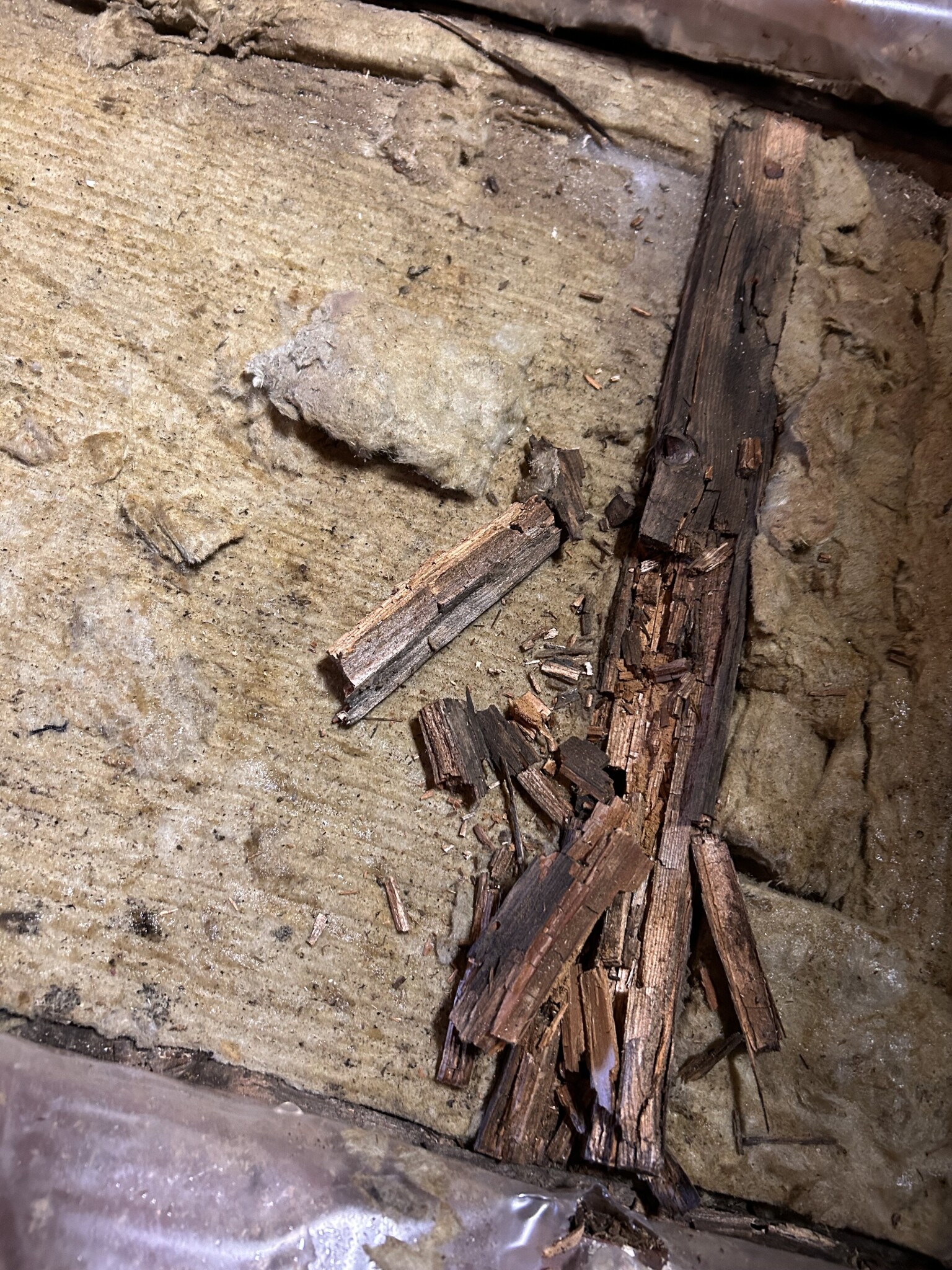
Building a frame and insulating on top of a concrete slab in a basement is generally considered a risky construction that should be avoided and removed when found. It is unlikely to improve just because there's asphalt in a garage. However, as decayed as it appears in the pictures, I find it hard to believe it's just condensation or moisture from the ground. Could water be seeping into the garage? Could snow melting off a car parked in the garage cause water to run under the room? It's also a bit unusual to have asphalt indoors.
Click here to reply