
Hello!
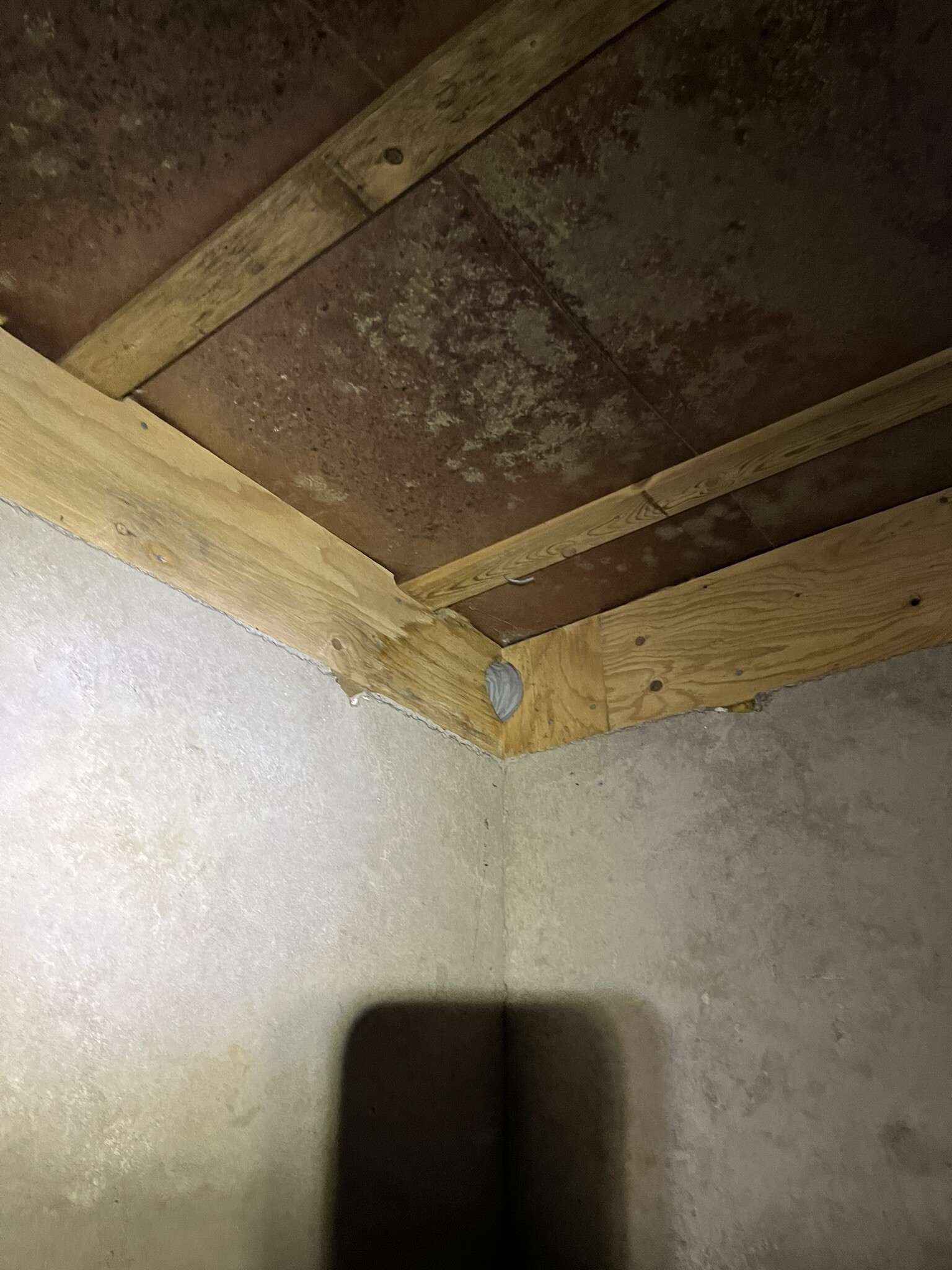
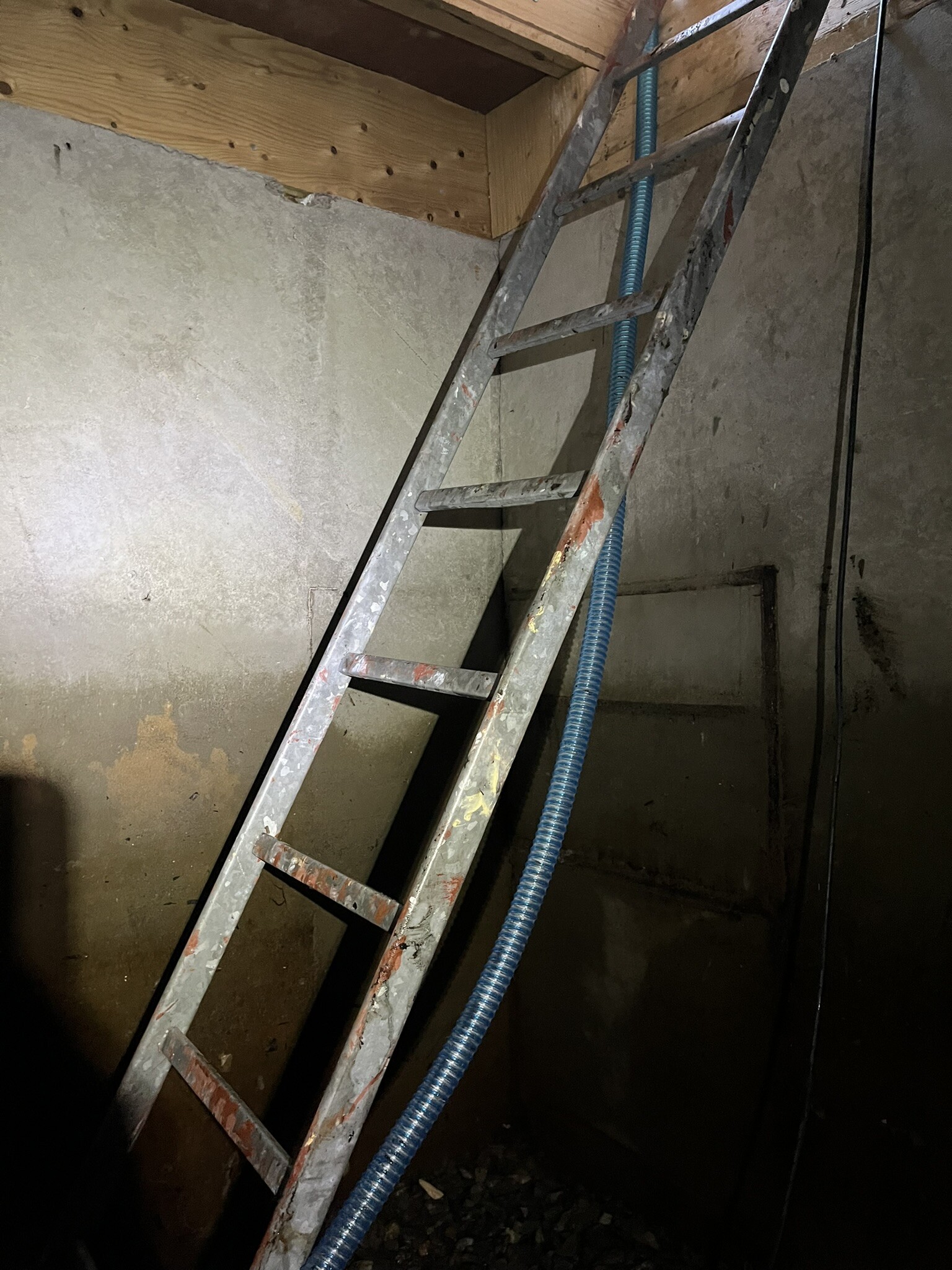
We have bought a house that has been uninhabited for about 10 years. It is an Älvsbyhus from 1992 with a crawl space. We will be installing a dehumidifier and moisture barrier. However, there is a root cellar that was filled with over a meter of water when we took possession. We have pumped out all the water and removed shelves and other wooden materials, but now the question is how best to fill it in?
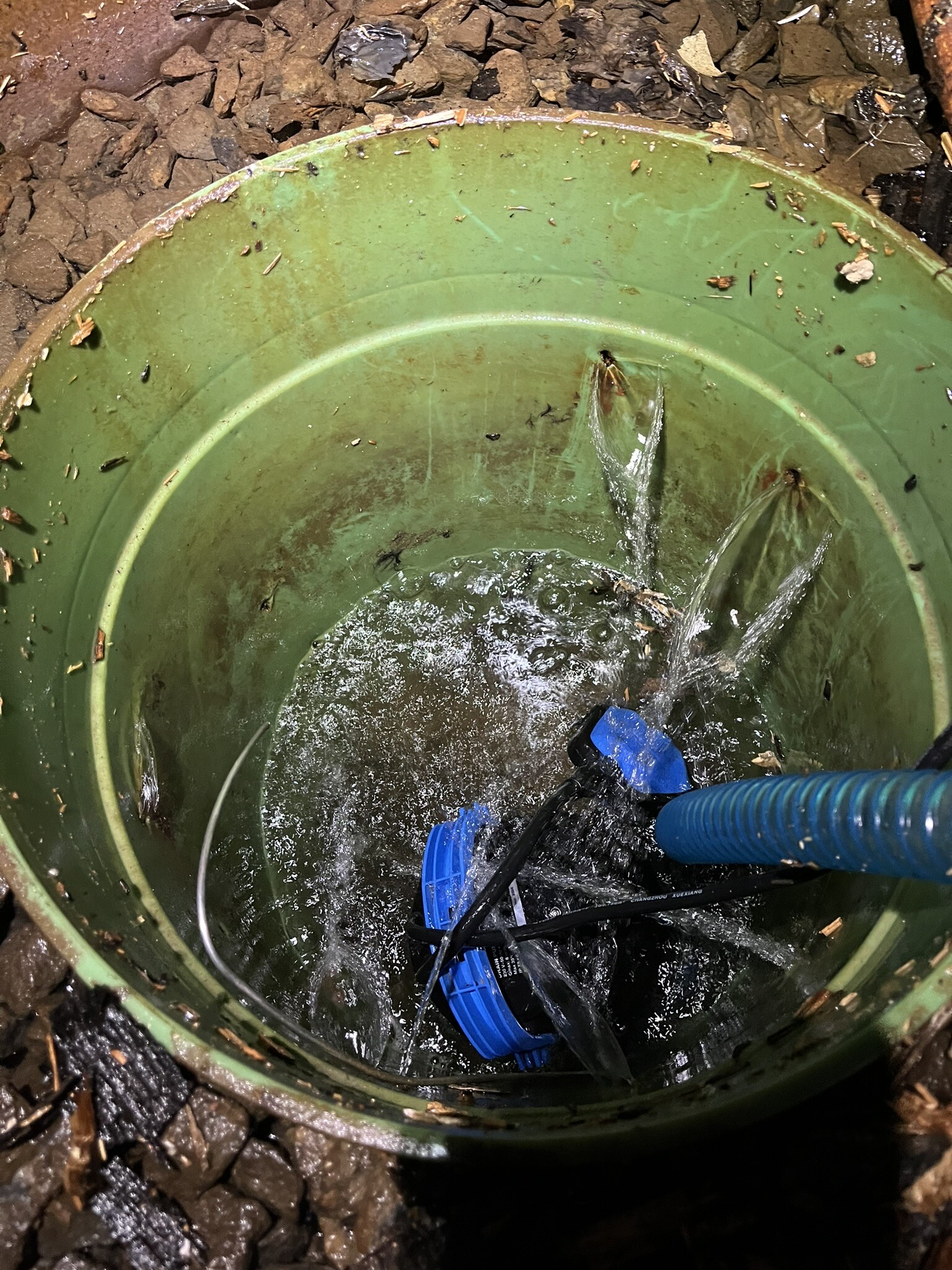
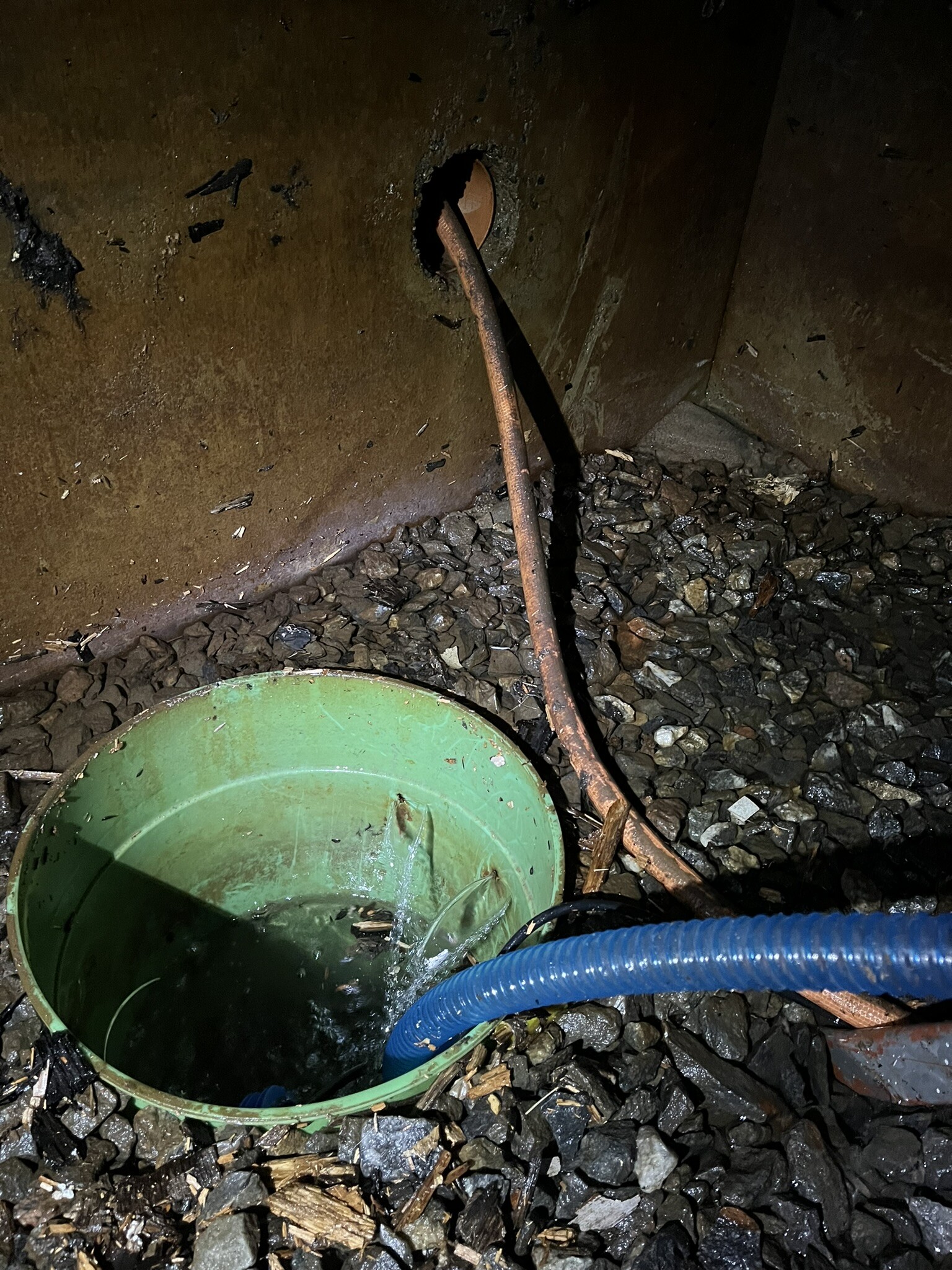
There is about a 50 cm pit at the bottom that has a metal cylinder where water enters through small holes (see image).
The plan is to use the cellar hatch for access to the crawl space later, but we are not planning to keep the root cellar. I would appreciate tips on how to restore it in the best way.
We have bought a house that has been uninhabited for about 10 years. It is an Älvsbyhus from 1992 with a crawl space. We will be installing a dehumidifier and moisture barrier. However, there is a root cellar that was filled with over a meter of water when we took possession. We have pumped out all the water and removed shelves and other wooden materials, but now the question is how best to fill it in?
There is about a 50 cm pit at the bottom that has a metal cylinder where water enters through small holes (see image).
The plan is to use the cellar hatch for access to the crawl space later, but we are not planning to keep the root cellar. I would appreciate tips on how to restore it in the best way.
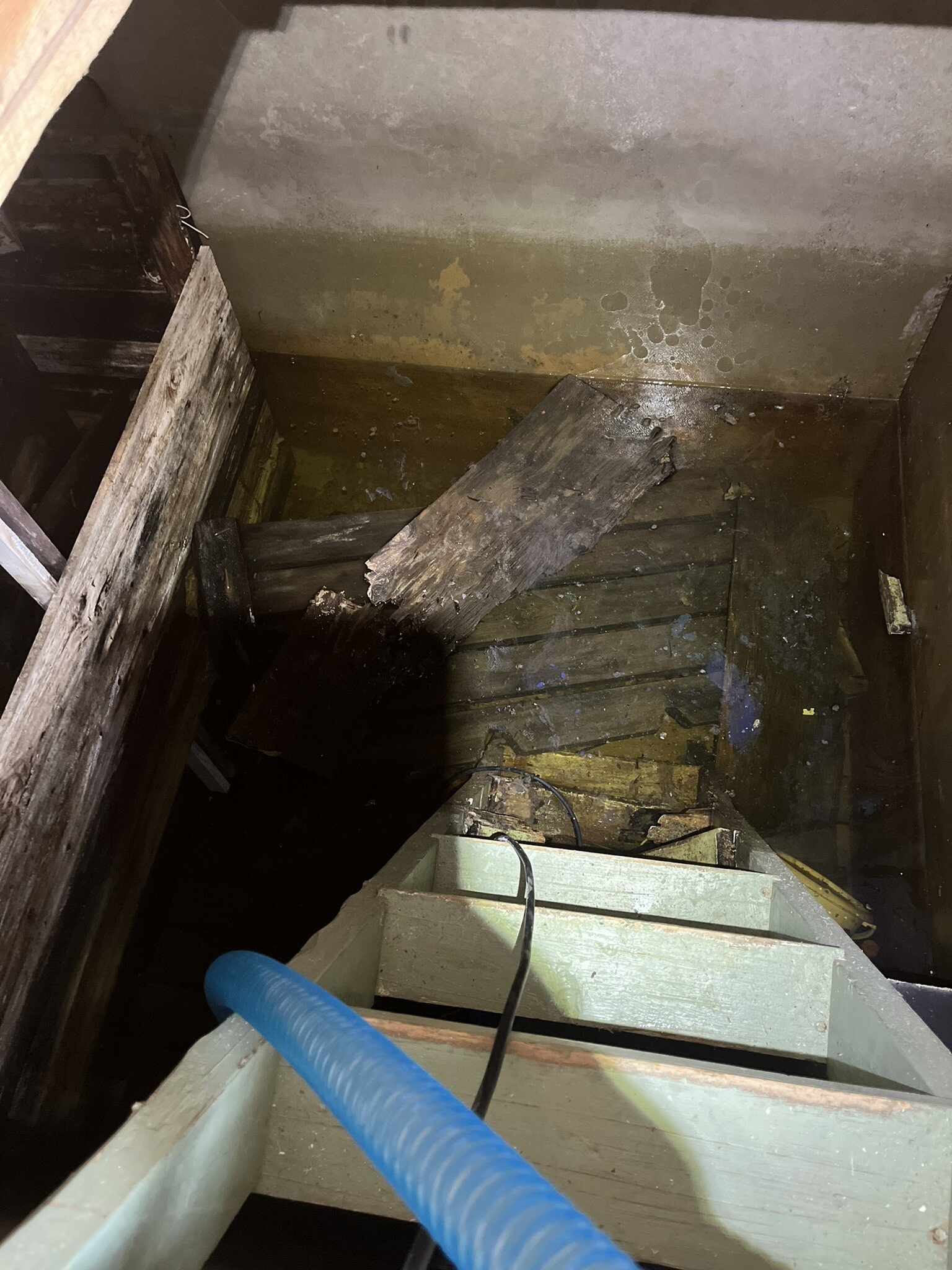
Isn't it a sump pit? No matter how you fill it in, the water won't magically disappear, so I would keep the hole as a sump pit; it must be much more efficient than extracting moisture from the air (even if one doesn't necessarily exclude the other).
Root cellar or not, I would be a bit worried about so much water running under the house. Is the groundwater level that high or is there poor drainage? A house without a basement usually doesn't require much drainage, especially not a house this "new."
Under a crawl space, there should be a certain thickness of non-organic well-drained materials. I have Lecakulor in mine and then plastic on top. How "high" do you need to fill? I would use 0-30 gravel or macadam first and then top it with 200mm Lecakulor.
Under a crawl space, there should be a certain thickness of non-organic well-drained materials. I have Lecakulor in mine and then plastic on top. How "high" do you need to fill? I would use 0-30 gravel or macadam first and then top it with 200mm Lecakulor.
What are the soil conditions around the area? Is there a lot of surface water?
How is the drainage around the house?
I wouldn't have filled in the hole but instead placed a barrier to prevent moisture from spreading to the crawl space. The water will always be there unless you lower the drainage to a level below, which is not necessary if there is no organic material present.
How is the drainage around the house?
I wouldn't have filled in the hole but instead placed a barrier to prevent moisture from spreading to the crawl space. The water will always be there unless you lower the drainage to a level below, which is not necessary if there is no organic material present.
Homeowner
· Skåne
· 1 688 posts
I would probably have installed a pump there permanently and tested how it works before filling it in. If you just have a pump that works, it won't get waterlogged.
A pantry (wine cellar?, beer cellar?) can be used for many things!
A pantry (wine cellar?, beer cellar?) can be used for many things!
Thanks for the response! Yes, you are probably right that it is intended as a sump pit.P pjkw said:
Thank you so much for the response! Yes, it's groundwater. The house is situated in a high position on the plot, and there are no major issues with moisture/mold under the rest of the subfloor. I think I'll just fill up the root cellar. Would you leave the walls, or should they be torn down as well? 0-30 and then Leca balls sounds good. Right now, there's sand under the rest of the foundation as the top layer, so I'll probably fill up with Leca or stone there as well before installing a new moisture barrier to do it properly.C Chokladmonster said:Root cellar or not, I would be a bit concerned about so much water running under the house. Is the groundwater level that shallow or is there poor drainage? A house without a basement usually doesn't require that much drainage, especially one as "new" as this.
Under a crawl space, there should be a certain thickness of non-organic well-drained material. I have Leca balls in mine and then plastic on top. How "high" do you need to fill? I would first use 0-30 or macadam and then top with 200mm Leca balls.
Thanks for the response! Well, it's fairly dry, I would say. I don't know about the drainage, but I don't think there are any problems with it considering the condition is quite ok under the house.P Petter Forsen said:How are the ground conditions around? A lot of water on the surface?
How is the drainage around the house?
I wouldn't fill in the hole but rather put a lid on so that the moisture doesn't spread to the crawl space; the water will always be there unless you lower the drainage to a level below, which isn't necessary if there's no organic material there.
Thanks for the response! No, I don't want to keep it 🙂F fredrik.johansson said:
Click here to reply