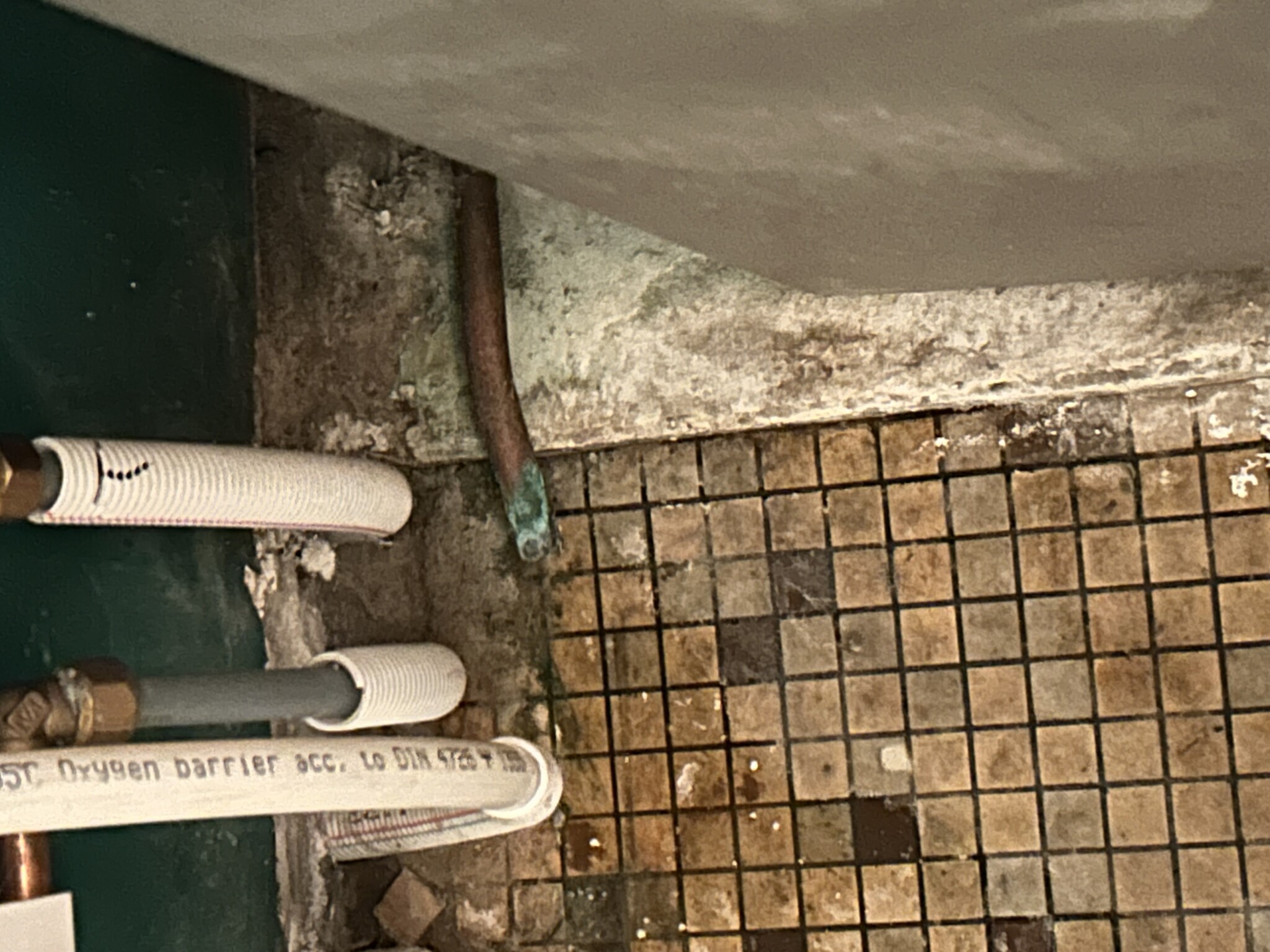
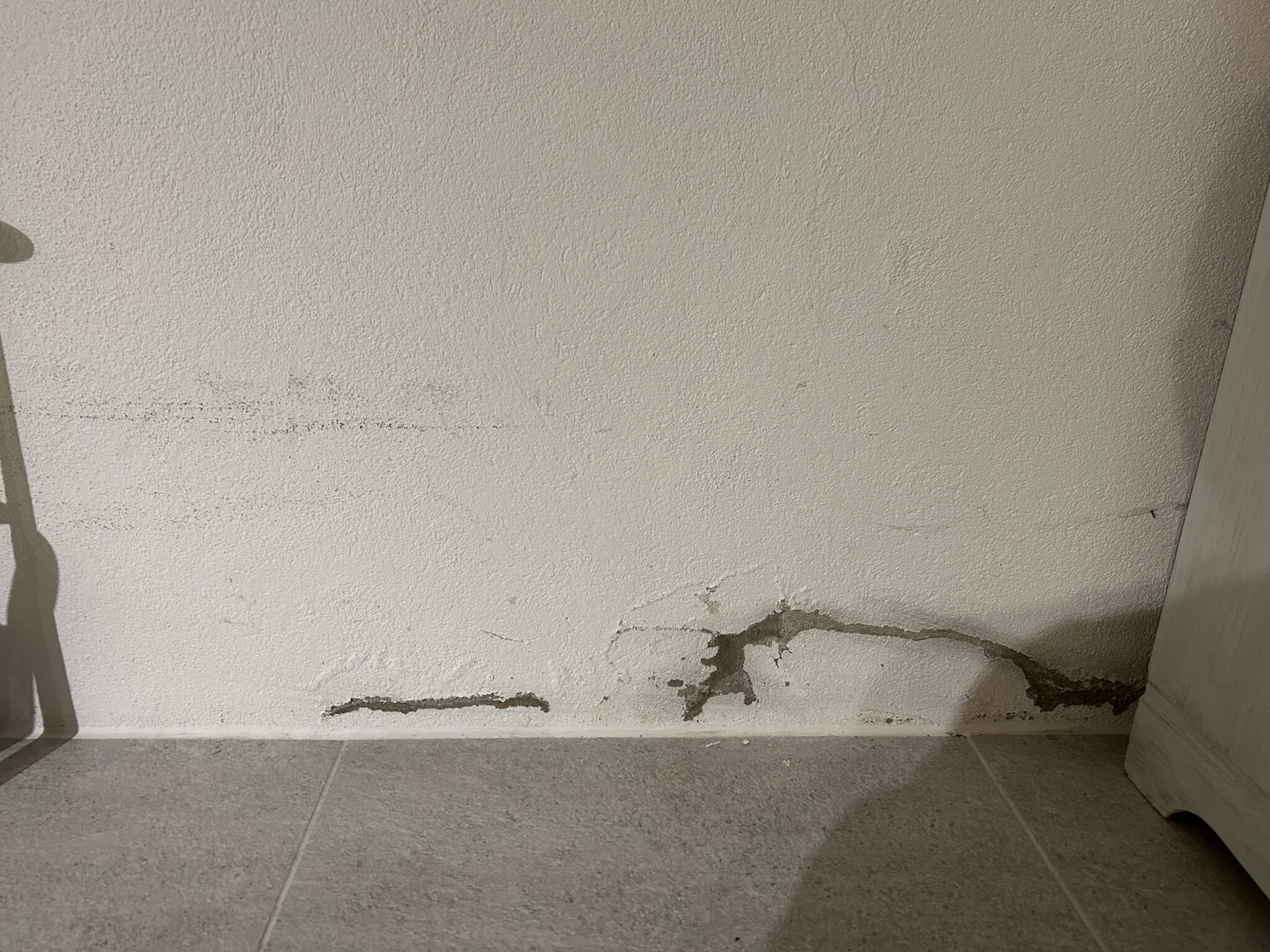
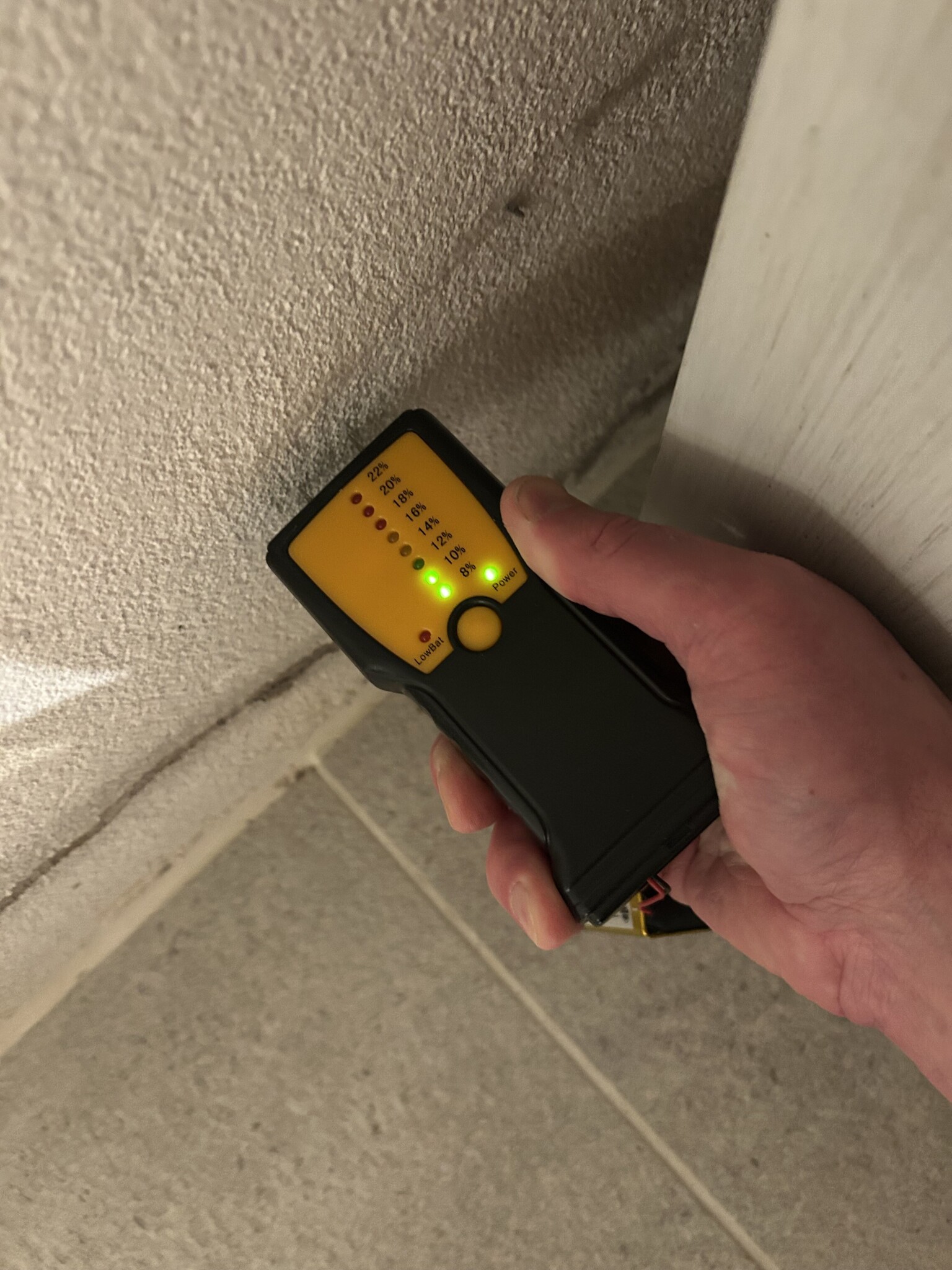
I have moisture in some aerated concrete blocks in an otherwise dry basement. The reason is that the telltale pipe from the boiler has mistakenly been against the wall. The environment is completely dry, I have scraped off the paint from the wall and used a heater in the boiler room BUT it won't dry out... it's been 18 months... what can I do...? I was advised to wait earlier but can it really take that long? And shouldn't it gradually get better?
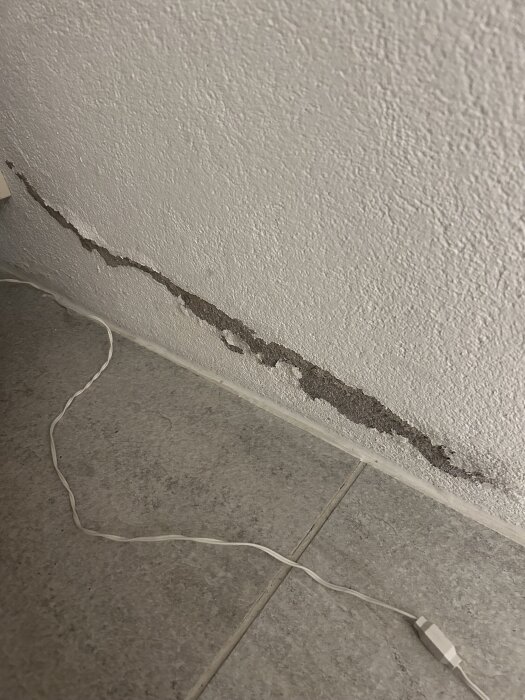
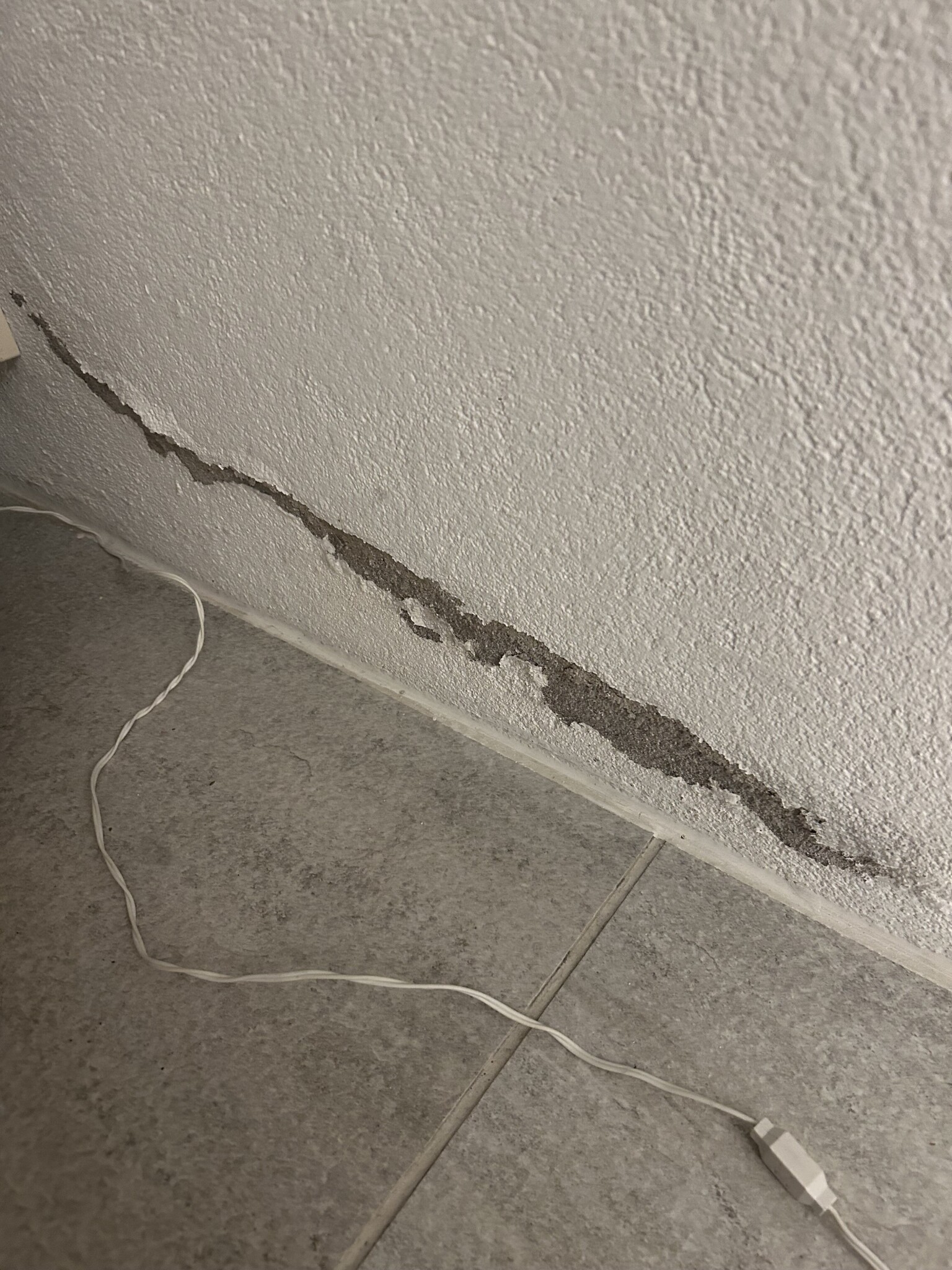
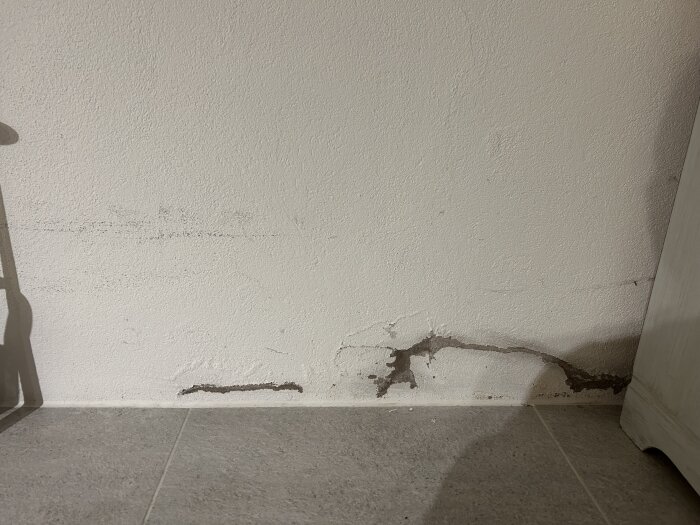
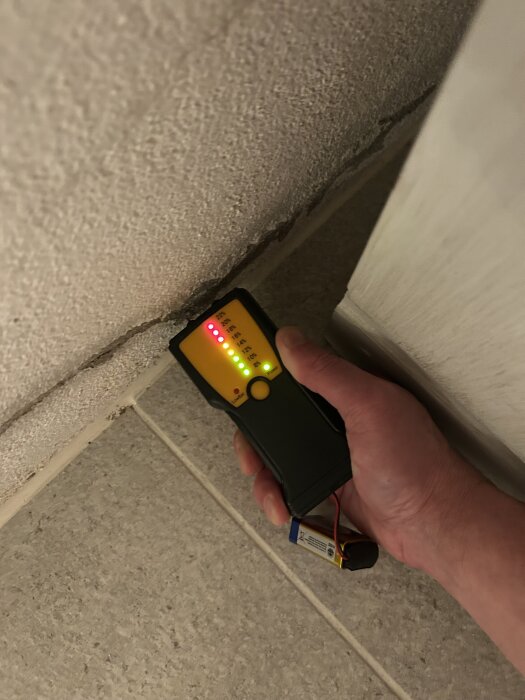
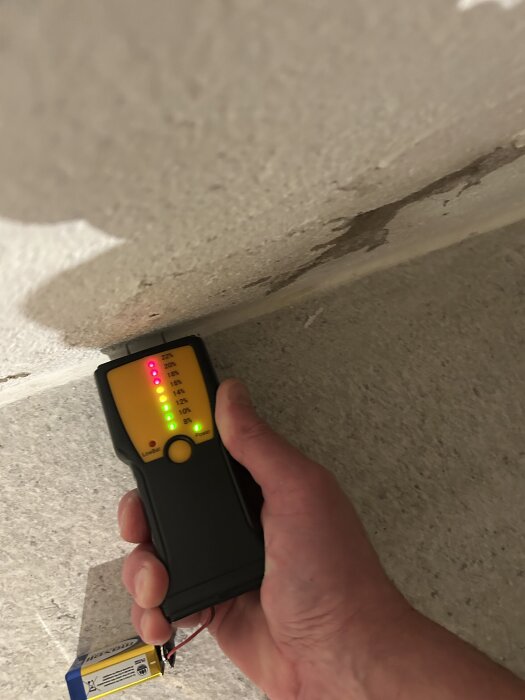
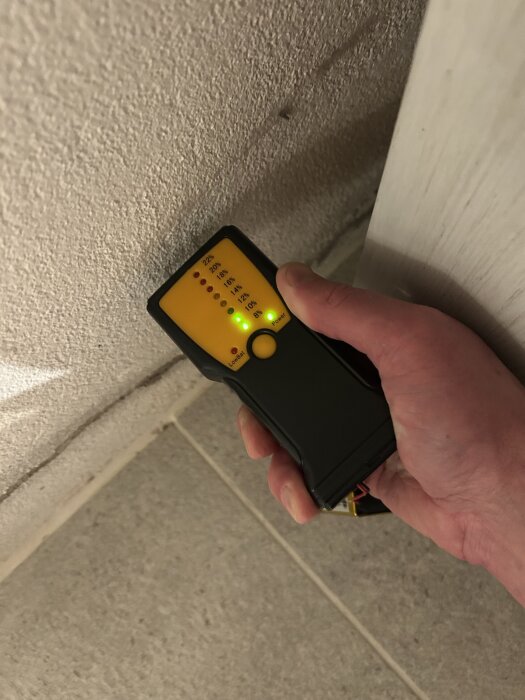
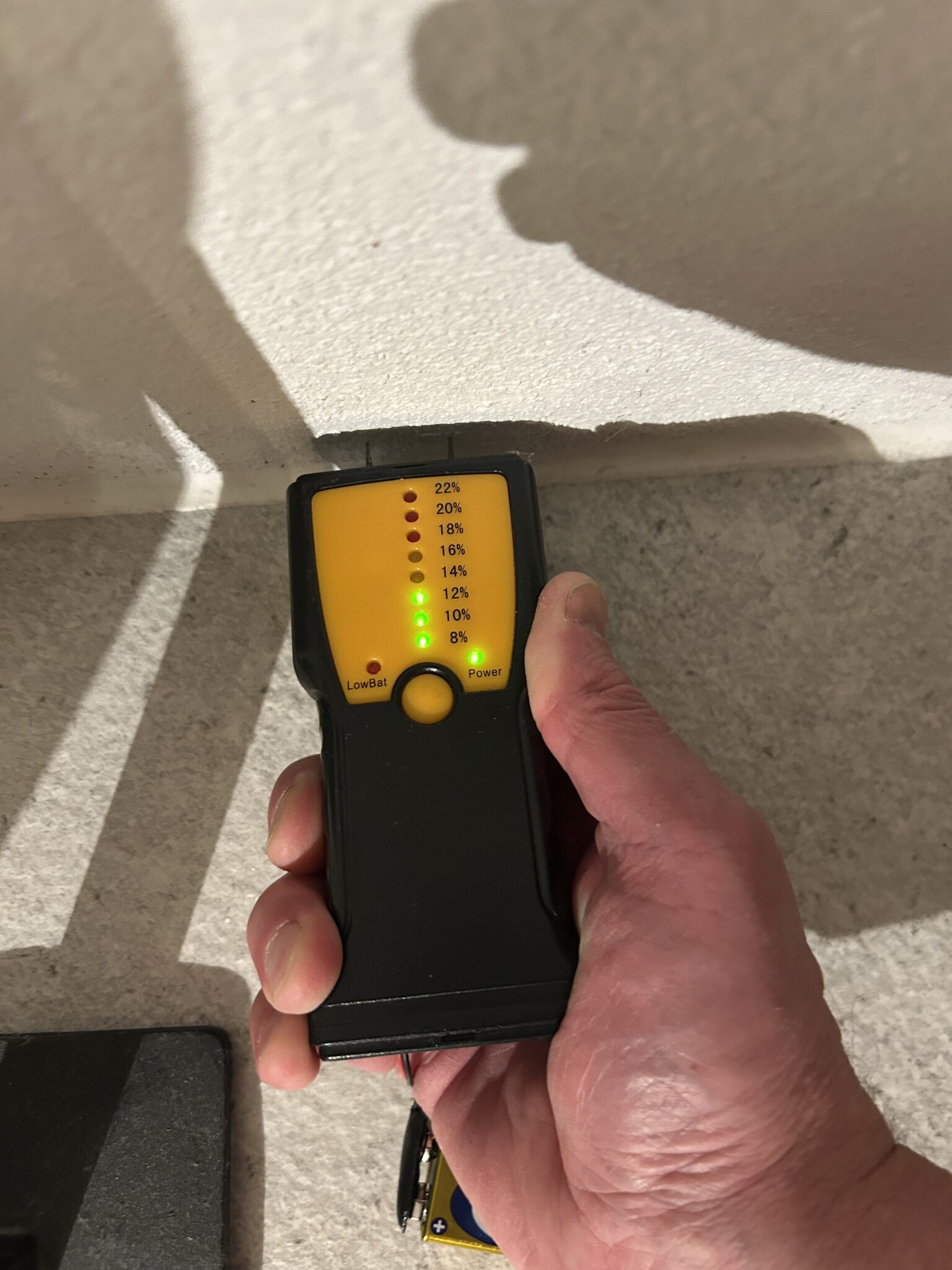
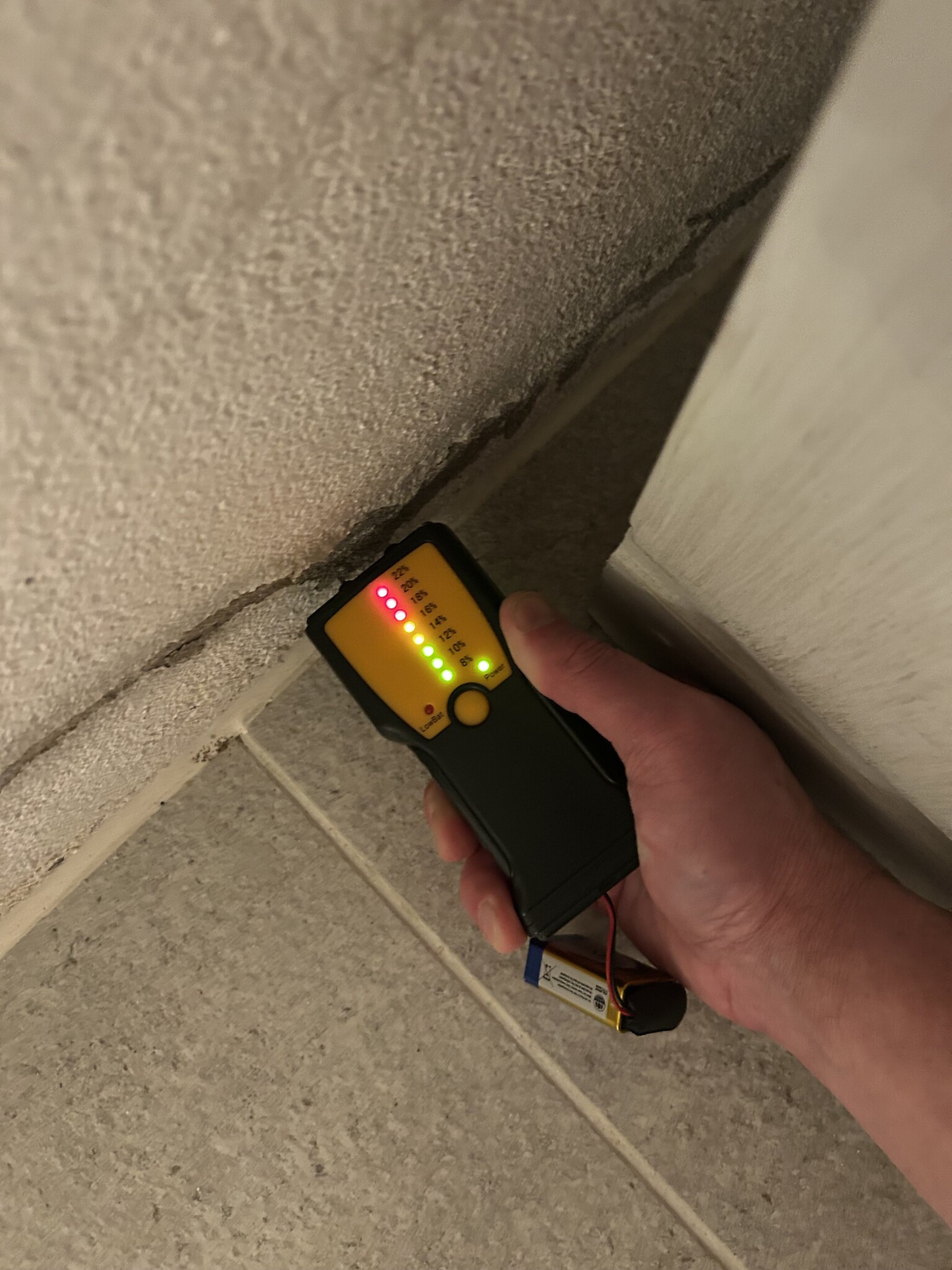
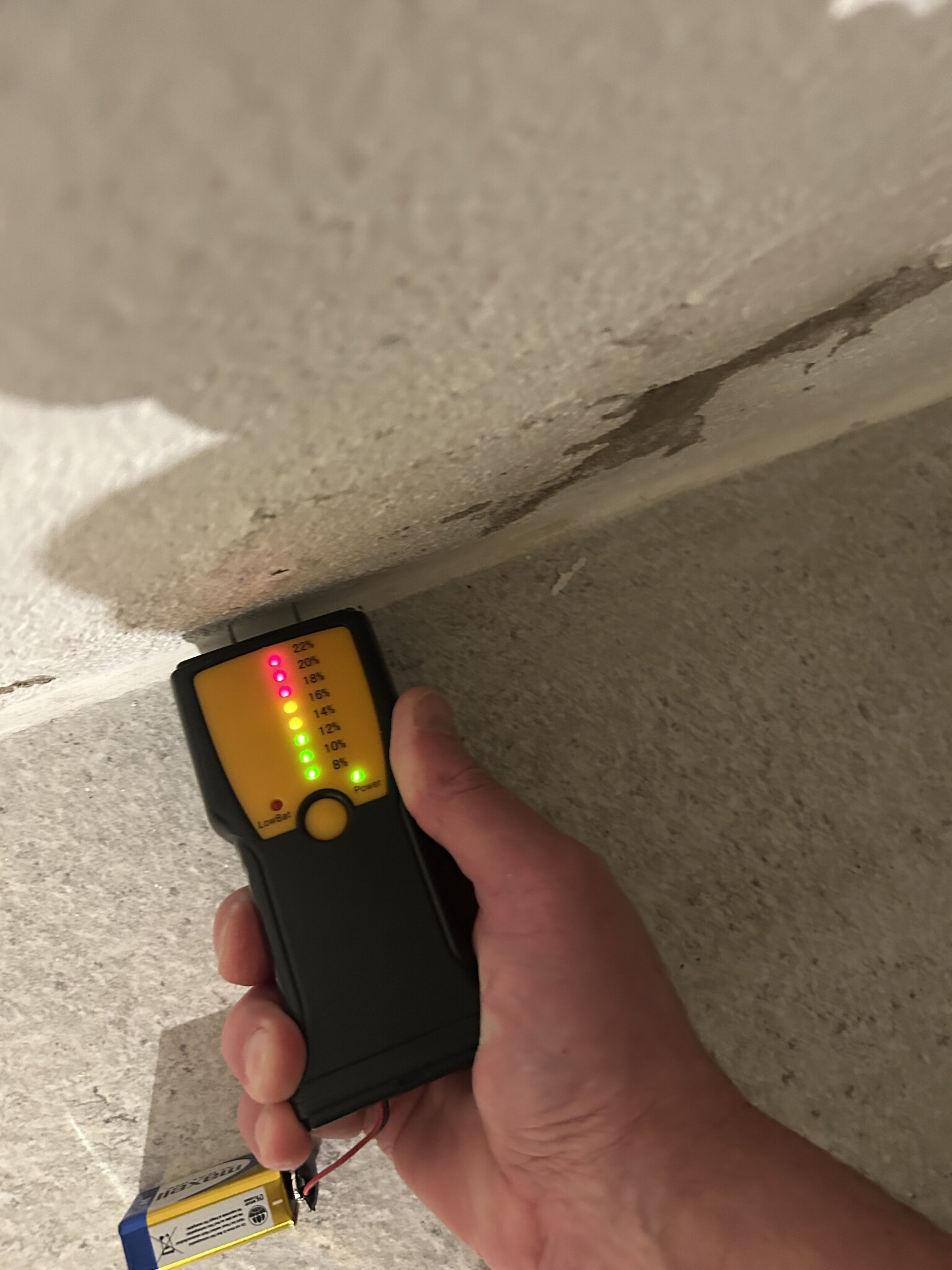
Ground moisture seems unlikely, but who knows. The wall is a masonry inner wall in siporex that has been plastered and painted with diffusion-open paint Liwa. There have never been issues until someone placed something on top of the skvaller pipe from the furnace, which caused it to twist towards the wall in the boiler room. It was first discovered during furnace maintenance, and it had probably been like that for a while... the moisture mark is very "localized" see pictures, and in the past year it hasn't gotten better or worse. I have also tried placing a heat fan in the boiler room, but that doesn't seem to help either, clearly there is a constant stream of water from the skvaller pipe, and it flows over the basement floor into a well, so it shouldn't be a problem. What I'm considering now is simply cutting out a piece of the wall, filling it in with new siporex, and re-plastering. Maybe that will help make it drier. I don't think it's coming from ground moisture. You could do that, but it seems unlikely given the full slab in the house. It has at least 5 cm of styrofoam, and it shouldn't be seeping up through that, especially not on a wall that's a masonry inner wall in the middle of the basement.
You must remove more paint preferably on both sides of the wall.
What is the moisture content and temperature in the room?
Drying of lättbetong is no easy task as it contains many pores that bind water.
Ground moisture seems unlikely, but who knows. The wall is a built interior wall in siporex that has been plastered and painted with diffusive open paint Liwa. There has never been a problem before someone placed something on top of the overflow pipe from the boiler so that it turned towards the wall in the boiler room. It was discovered only during service on the boiler and it had probably been like that for a long time... the moisture emergence is very "local" see pictures, and over the past year, it has neither gotten better nor worse. I have also tried placing a heater in the boiler room, but that doesn't seem to help either, of course, a constant part of the water from the overflow pipe and it runs over the basement floor down into a well, so it shouldn't be a problem. What I'm considering now is simply sawing out a piece of the wall, filling in with new siporex and replastering. Maybe it will help that it gets drier. I don't think it comes from ground moisture. You could do that, but it seems unlikely the whole plate in the house. Has at least 5 cm of styrofoam. And it shouldn't seep through it, especially not on a wall that's a built interior wall in the middle of the basement.
[image][image][image][image][image][image]
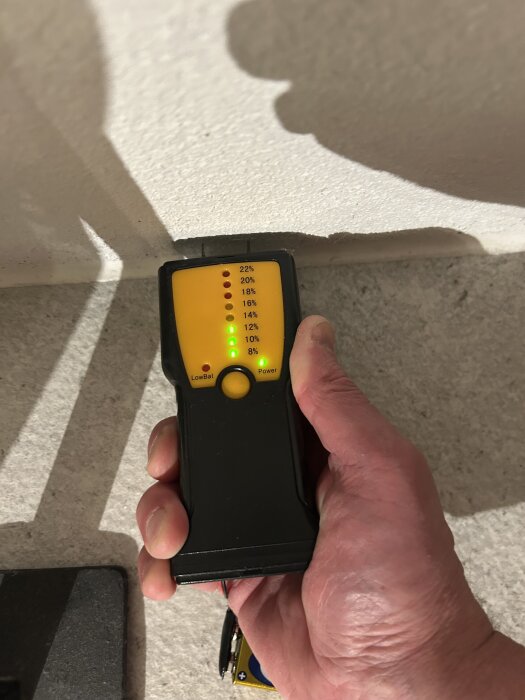
Is that a moisture meter for lightweight concrete, looks like a cheap one for wood?
You need to remove more paint, preferably on both sides of the wall.
What is the humidity and temperature in the room?
Drying out aerated concrete is no easy task as it contains many pores that hold water.
Temp in the boiler room about 25C on the other side about 21. Humidity about 30…



Matti_75 said: