
5,012 views ·
14 replies
5k views
14 replies
How many 100x3.4 nails should I nail in?
I've tried to read up but don't understand, became very uncertain.
Frame timber is 45x145mm, galvanized wire nails 100x3.4mm
When I need to nail together the sill & top plate with the standing studs: Should I use 2 or 3 nails? (Image 1)
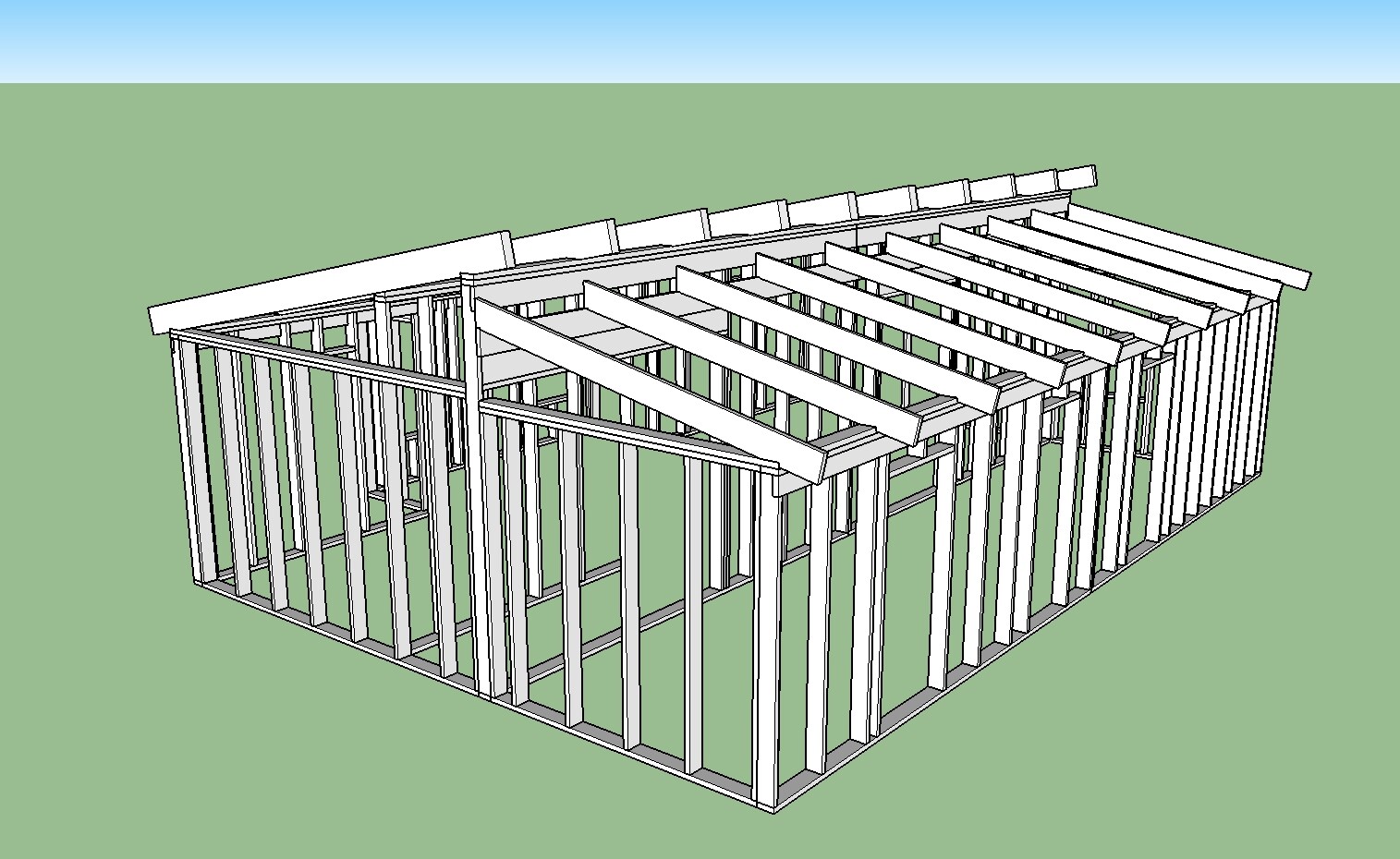
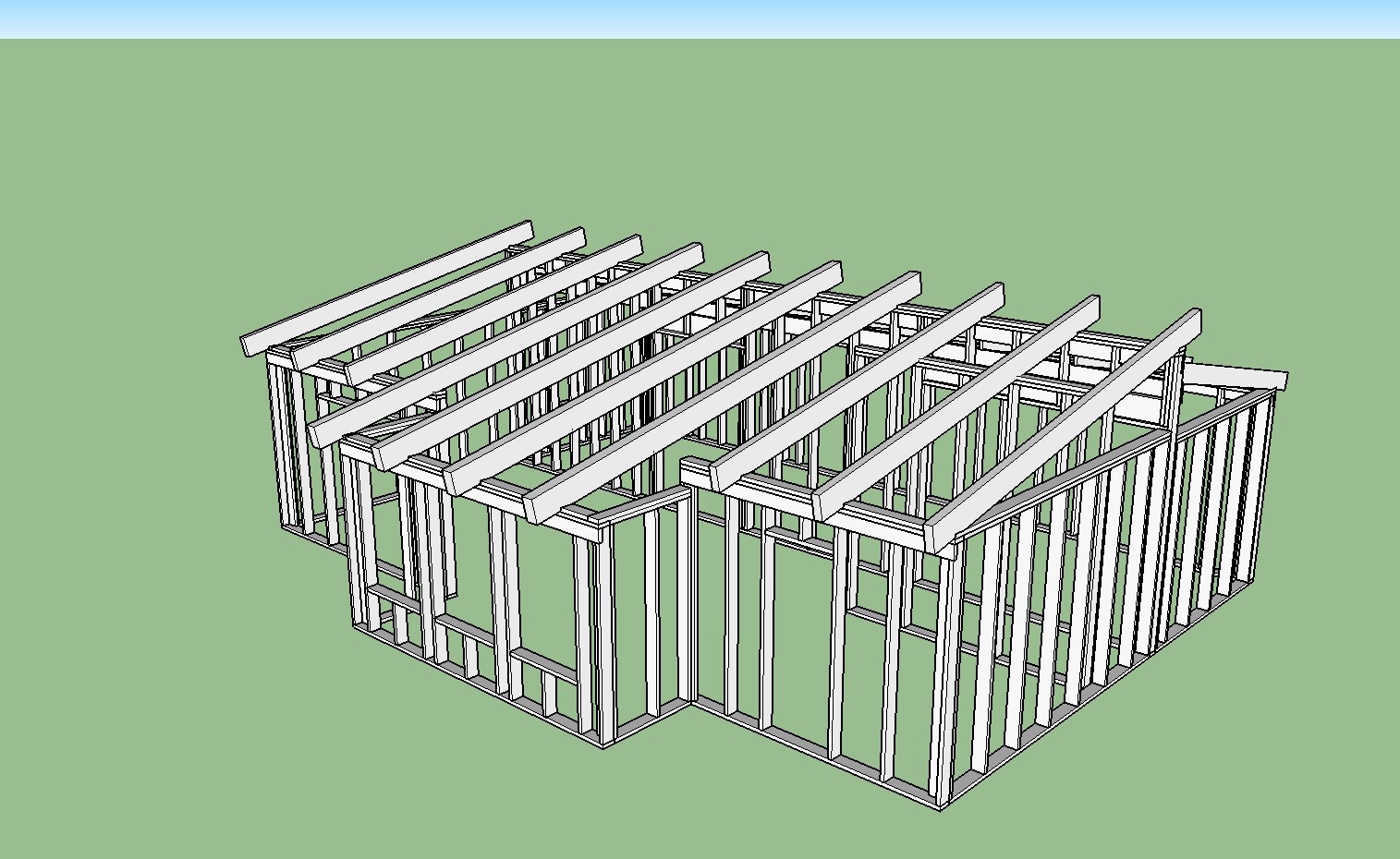
When attaching standing top plates, how many nails in each stud should I use? (Image 2)
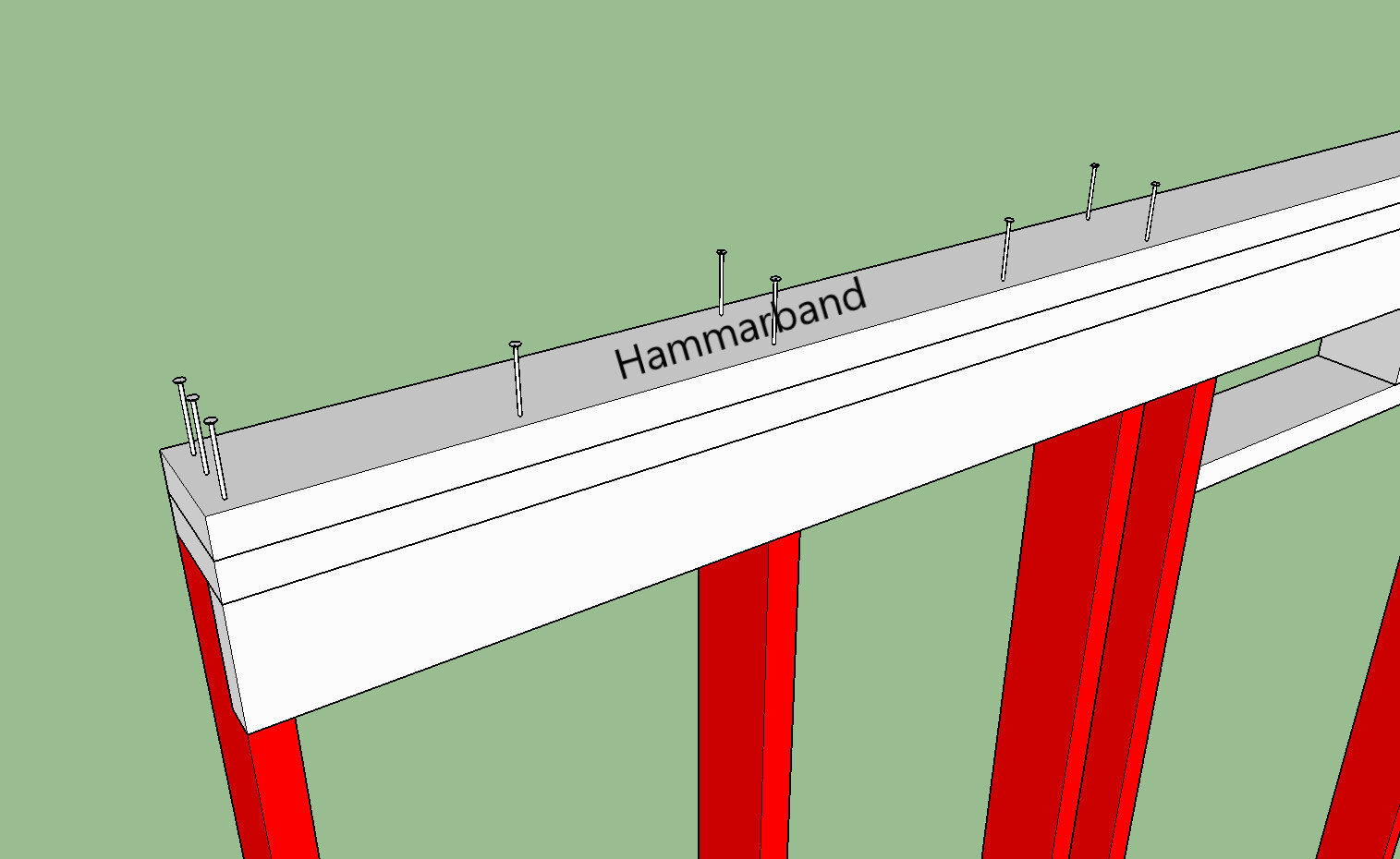
When attaching the top plate, how many nails/metre and where should I nail? (Image 3)
I accidentally bought the wrong nails, got a pack of 125x4.0 nails. But it doesn't matter if I use heavier nails here and there, right!?
Frame timber is 45x145mm, galvanized wire nails 100x3.4mm
When I need to nail together the sill & top plate with the standing studs: Should I use 2 or 3 nails? (Image 1)
When attaching standing top plates, how many nails in each stud should I use? (Image 2)
When attaching the top plate, how many nails/metre and where should I nail? (Image 3)
I accidentally bought the wrong nails, got a pack of 125x4.0 nails. But it doesn't matter if I use heavier nails here and there, right!?


Hi,A Almost0.5acres said:Have tried to read up on it but don't understand, got really unsure.
The timber is 45x145mm, galvanized wire nails 100x3.4mm
When I'm nailing together the sill & top plate with the standing studs: Should I use 2 or 3 nails? (Image 1)
When attaching standing beams, how many nails per stud should I use? (Image 2)
When attaching the beams how many nails/meter and where should I place them? (Image 3)
Accidentally bought the wrong nails, picked a package of 125x4.0 nails. But it doesn't matter if I use thicker nails here and there, right!?
We nail 3 through the beam into the post, the same applies to the sill here you can use your 125x4.0, for example one in the middle, the load-bearing beam 2-3 depending on how well it holds, it's not appropriate to use 125x4.0.
When you then nail on the double beam, it is recommended that you stagger the joints against the first beam. When nailing the second beam, nail between the posts so that the nail load at the posts doesn't become too large, risking unnecessary splitting. Here, it's also not suitable with 125x4.0.
Bärlina = as you call standing beams
Stolp = standing studs
Hope you understand, otherwise just get in touch again...
Thanks Rejäl for the answer. I'm only using the 100x3.4 nails. I'll use the 125s when I have an adult with me who can hammer them in for me.
You build with double because it becomes very weak with just one when building with loose timber, and it's more forgiving to use slightly bent studs as you can align them with the second layer of wall plates…F fribygg said:
Now, TS also has a standing wall plate, so double laying 45mm thick wall plates are probably completely unnecessary and contribute to unnecessarily high construction costs and high heat leakage.Rejäl said:
That's how most custom builders do it… you might think so, but the standing one takes the loads from the trusses and beams and doesn't have much to do with stability inward and outward.F fribygg said:
But you can build without it with more props and a larger selection of straighter studs...
That some build oversized and without regard for cost and energy efficiency is probably true, but hardly necessary and a bit silly in my opinion.Rejäl said:
It is a well-established method that has been used for a long time, almost everyone who builds in this way has multiple layers of insulation so the thermal bridge is not a significant factor... I would never build with a hammarband, as I have in my house now the south wall is about 9m without support so it provides quite good stability compared to a...F fribygg said:
I was told to have two top plates if the roof beams don't end up over a post (standing stud) and to overlap the upper top plate at the corners as extra security. I don't have bearing beams at the gables, only where the roof beams will rest. As @Rejäl writes, there will be 45mm insulation on both sides of the outer walls.F fribygg said:
By the way🫣.
How would you attach the wooden frame to the concrete slab?
Do you have rafters? Rafters that do not rest on the gables? Picture requested!A Almost0.5acres said:I have been told that you should have two wall plates if the rafters do not land over a post (standing stud) and that you lay the upper wall plate overlapped in the corners for extra security. I don't have bearer beams in the gables, only where the rafters will rest.
How would you attach the wooden frame to the concrete slab?
The standing wall plate is great if you don't have wall studs directly under the truss, but why two horizontal wall plates above the standing one?
With expansion nails, I think it's easy and convenient.
I mean (believe) that the roof ridges don't carry much weight, they support themselves on the gables.F fribygg said:
(Of course, I will reinforce up to the roof ridges on the gables)
Roof ridges made of 45x220 plank for the "small" roof and large heavy glulam beams on the larger roof.
Hi,A Almost0.5acres said:I've been told to use two wall plates if the rafters do not land over a post (upright stud) and that the upper wall plate is overlapped at the corners for extra security. I don't have beams in the gables, only where the rafters will rest.
As @Rejäl writes, there will be 45mm insulation on both sides of the exterior walls.
By the way🫣.
How would you attach the timber frame to the concrete slab?
We use 45x195 as the bearer, the one standing on edge and taking the weight of the trusses. It works up to 1200mm in opening but if you want to use double 45x145, that works too.
Wider openings need a calculation for which glue-laminated timber would be suitable, this is usually provided by either the truss manufacturer or a structural engineer...
If you follow the pictures, I would have had full posts in the gables which you nail directly to the truss/upright because there's no reason to use short posts that are then extended from the wall plate up in the gables..
We use concrete screws or concrete anchors for fastening to the slab, starting with 1 at the end then about 5-600mm centers as fits well, typically one between each section.
Remember the sill gasket between the sill and the concrete slab...
Attaching a picture of a good concrete screw, the brand doesn't matter much.
For more questions or explanations just shout😉

Hello
Thanks for the good answers and tips. I will keep this in mind.
Thanks for the good answers and tips. I will keep this in mind.
Click here to reply