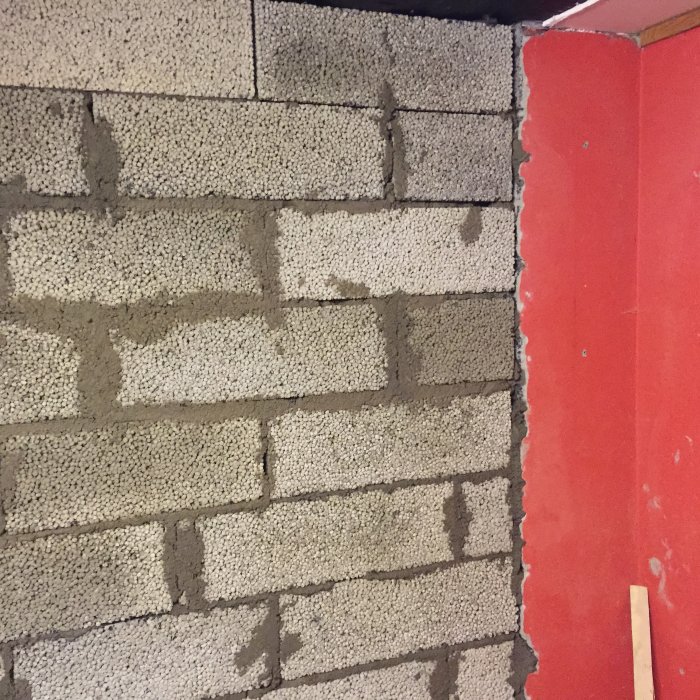
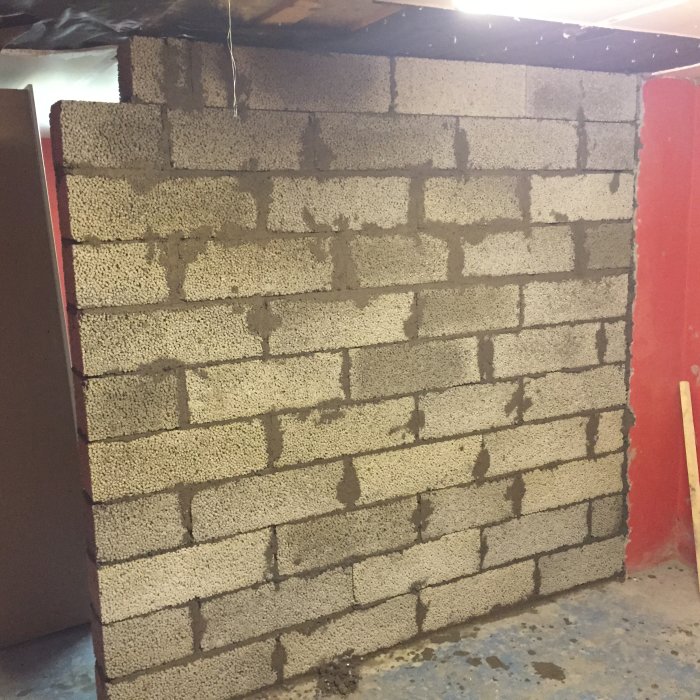
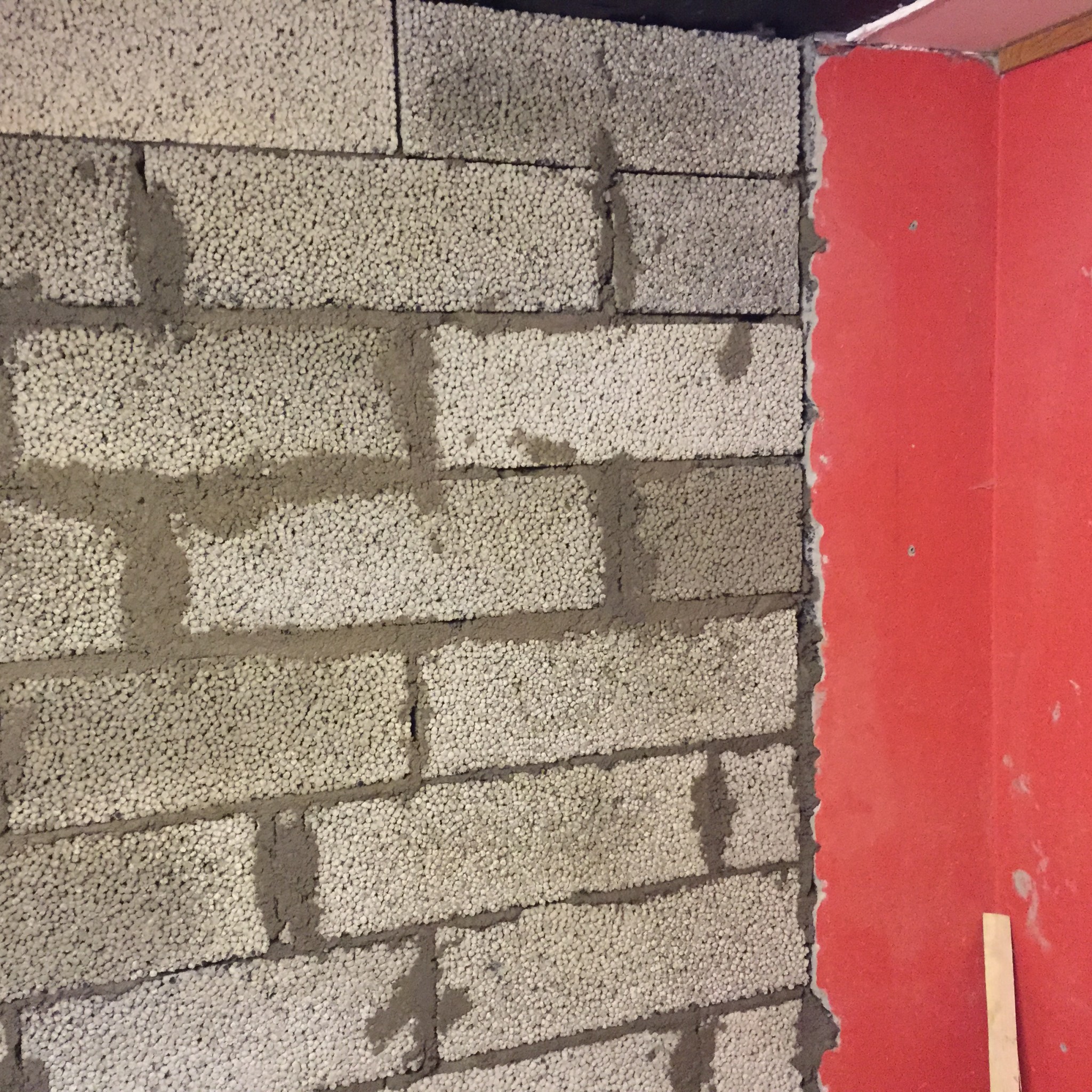
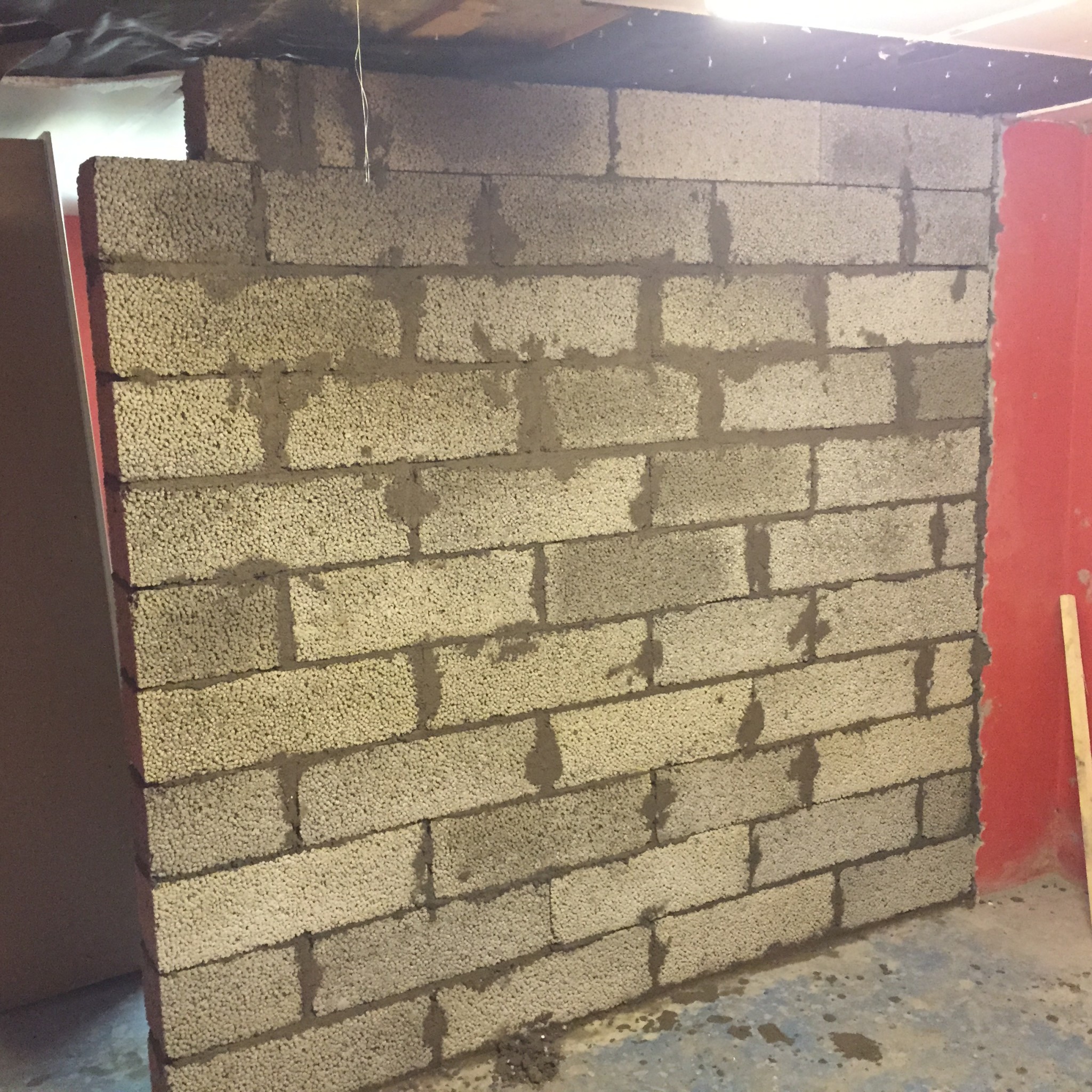
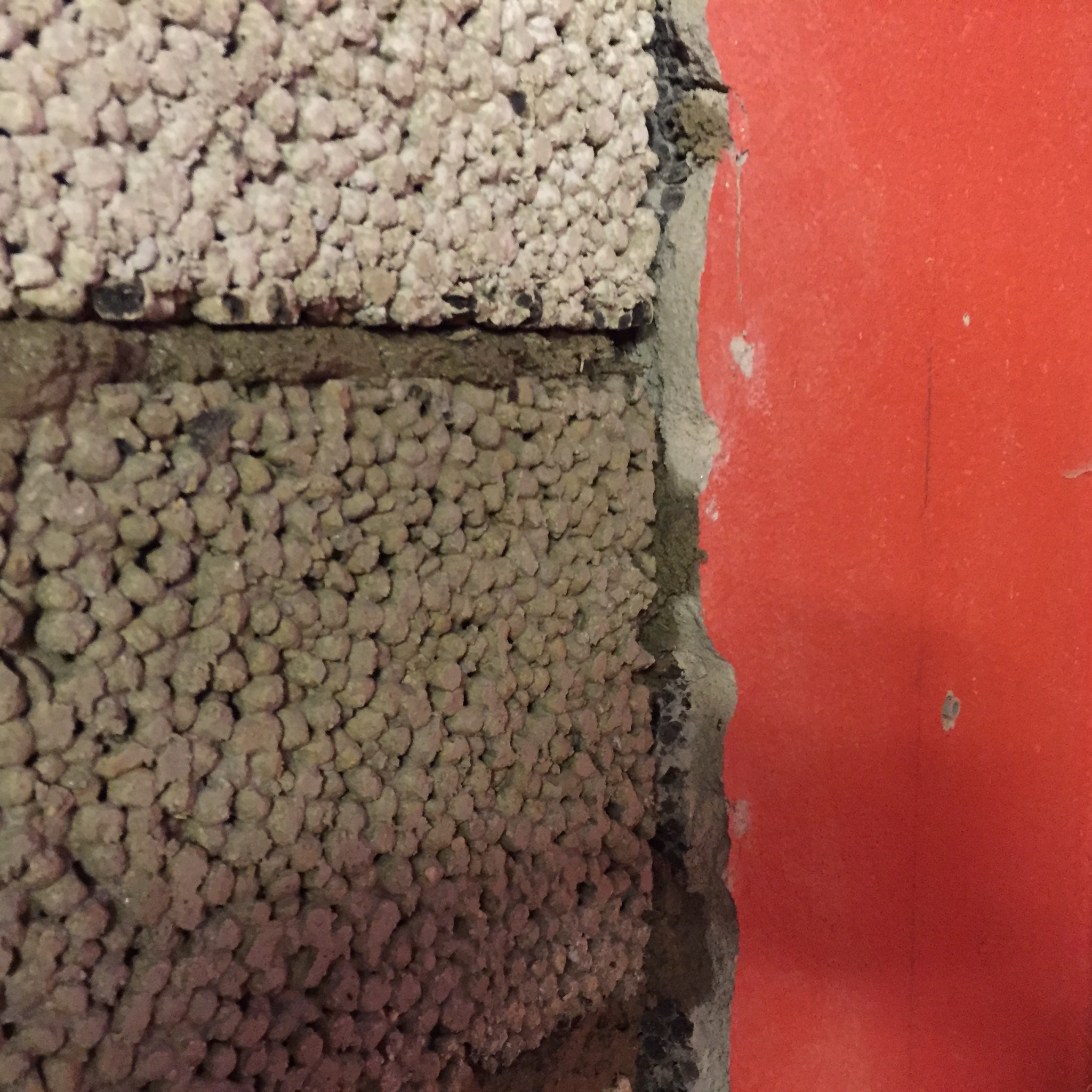
I have constructed a wall as an extension of an existing wall and am wondering how to resolve the plastering of the new wall section. Do I need to remove all the plaster from the old wall and plaster the whole wall as a whole, or is it enough to plaster the new part at the same level as the old one? I'm unsure what will happen where the new plaster meets the old.
A second question is what type of plaster you think would be most similar to the old wall after painting. It's probably very difficult to answer from the pictures, but perhaps there was a standard solution for basements plastered around 1976?
So... if I use plaster mix b and just plaster the new part and meet the old one... what do you think might happen?
Will it crack at the joint between the new and the old?
Does plaster shrink, in other words... will the new plaster sink in a bit or will it retain its thickness when it dries?
Will it look bad?
Not keen on knocking down the old plaster since it's very solid but maybe that's the best solution?
It will show no matter what you do unless you take the plaster down to the corner. I would probably plaster the newly built wall with strips and use the old plaster as the end strip (support to screed against), and then during the smoothing, float it in the joint with a little 1mm mortar. After painting, it probably won't be very noticeable... Depends on how perfect you want it...
Unfortunately, it will probably crack at the seam, you need to mesh and plaster the entire surface... It might be that you manage because it's on the same floor... Usually, a crack joint is placed at the seam, which is soft-sealed if you want to be sure...
If it were in my basement, I would have knocked down bef plaster to the corner or at least made sure to remove the paint, then meshed and plastered the whole thing...
/Peter
Click here to reply
Vi vill skicka notiser för ämnen du bevakar och händelser som berör dig.