

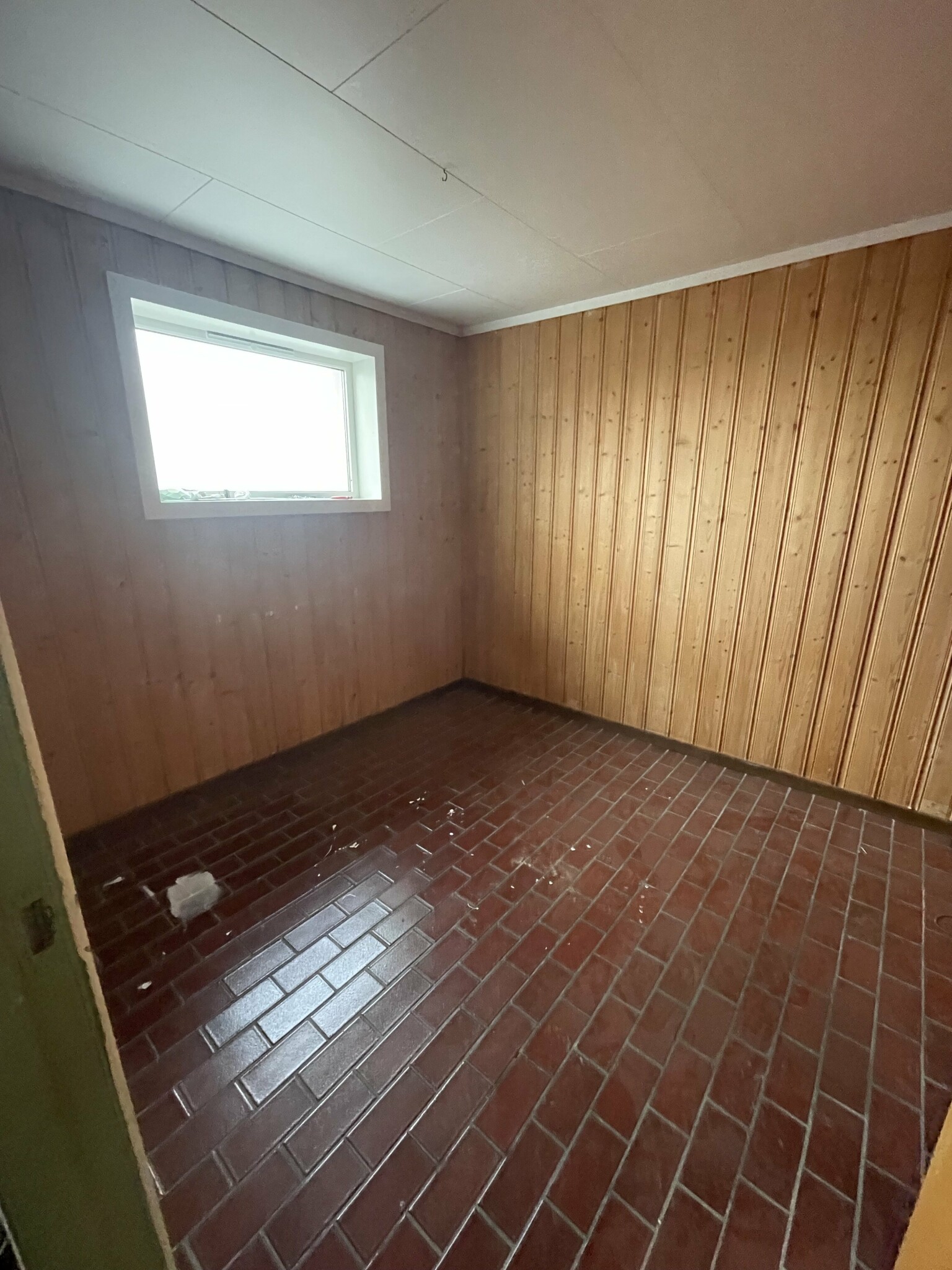
Hello! We live in Norway, in a house from 1928. It has three floors plus an attic. The first floor is brick, the rest wood. Now we have torn out the ground floor and are going to renovate. In the wall, there was 50mm of rock wool, plastic, and then pine paneling. I think 50mm of rock wool is very little, but I'm unsure if we should add more considering the outer wall is a cold, uninsulated brick. It should also be noted that all the wood and insulation were fresh and intact, showing no signs of moisture, so obviously, the construction has worked since they did something last, probably in the 70s/80s.
But with today's electricity prices and standards, we naturally want to add more insulation...
What do we think about that?
(Must go to a Swedish forum, because there are so many "Norwegian solutions" in this country) 😂
But with today's electricity prices and standards, we naturally want to add more insulation...
What do we think about that?
(Must go to a Swedish forum, because there are so many "Norwegian solutions" in this country) 😂
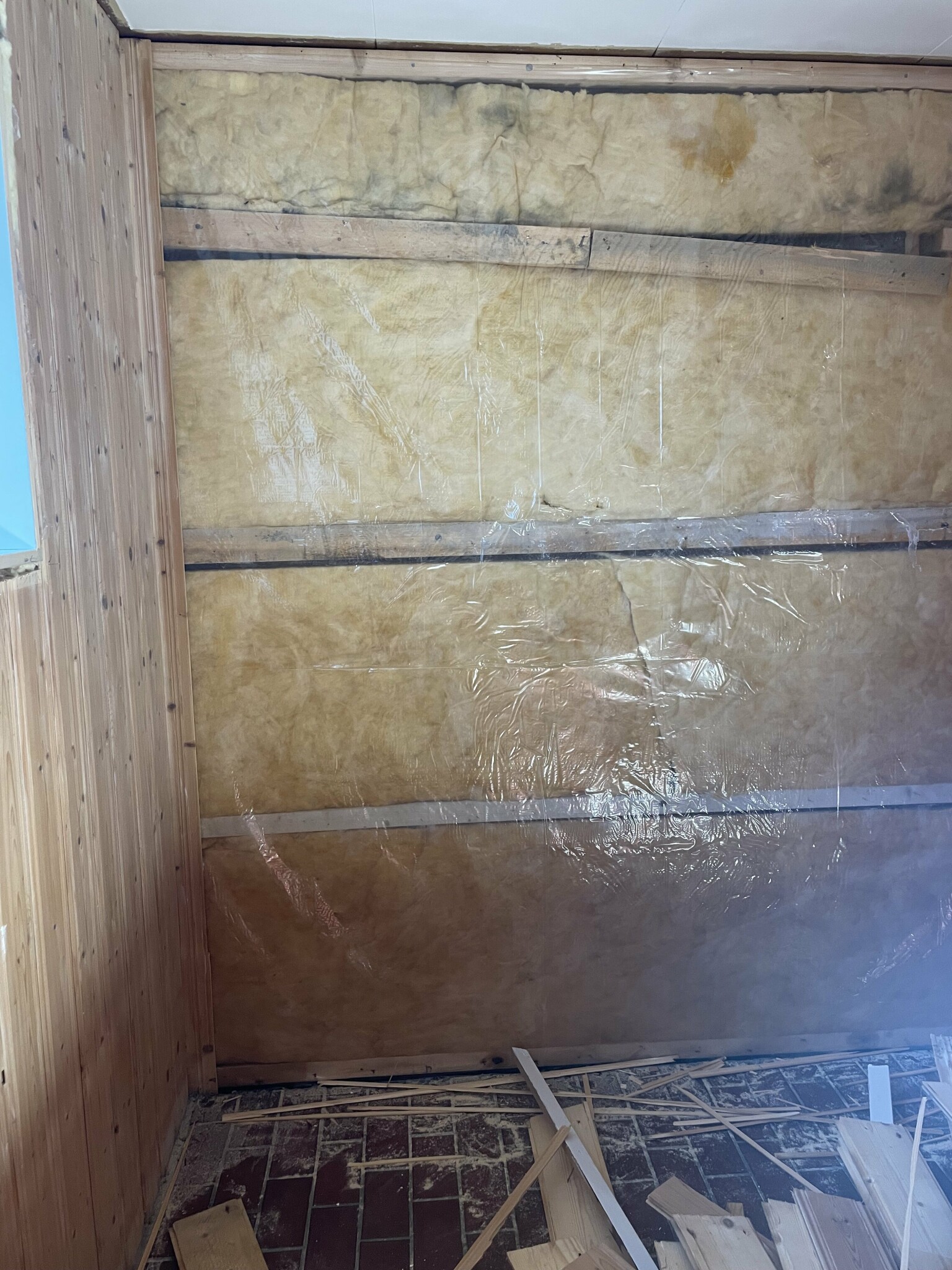
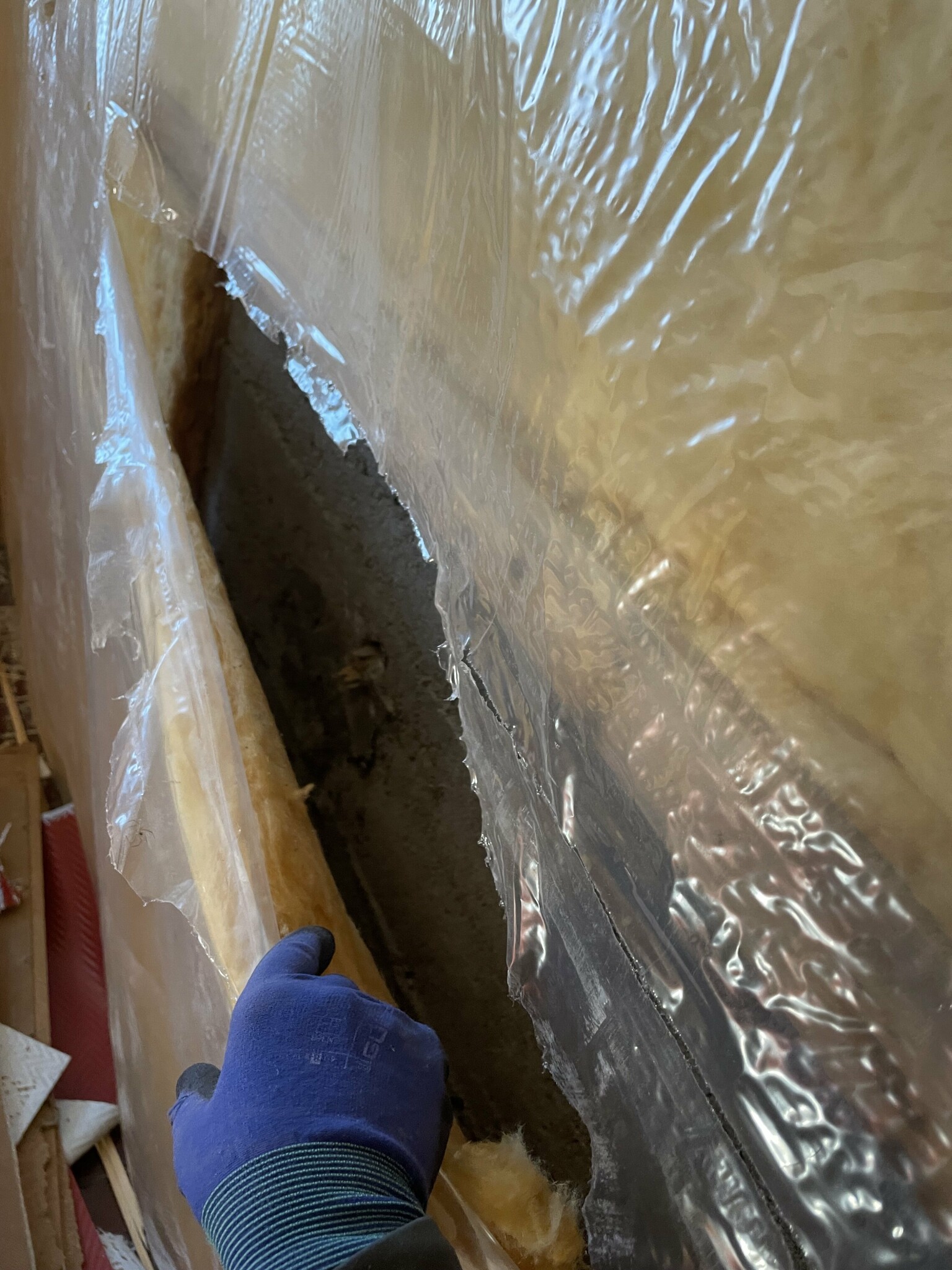
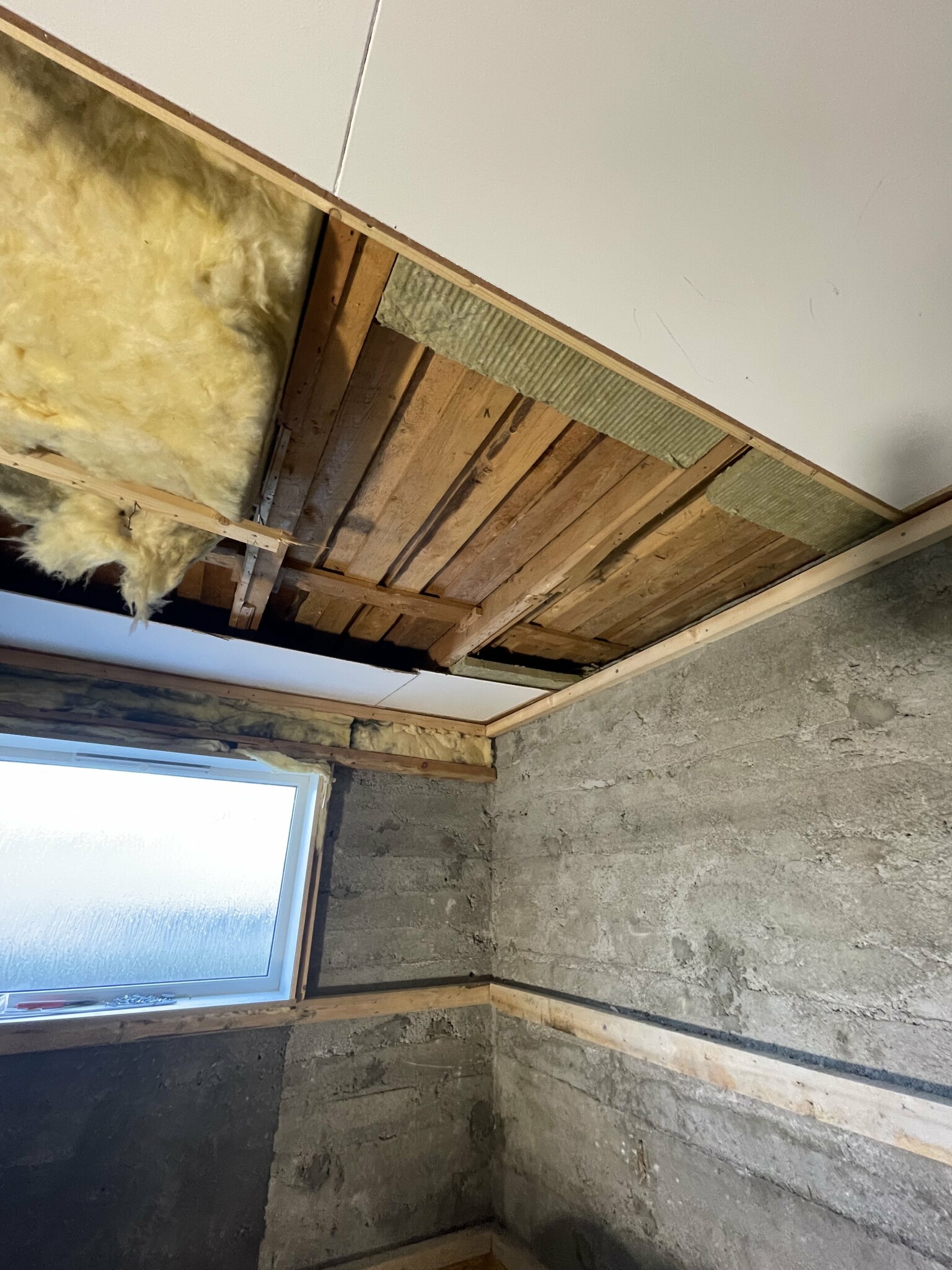

It sounds miraculous that such a construction has survived without moisture damage. Apparently, the wall is not significantly dampened from the outside by driving rain or splashing from the ground, and the plastic must have been applied well without any gaps, holes, crevices, or other openings. Perhaps the ground floor has essentially never been used, so the moisture contribution from the dwelling has been minimal.
With all that said, I personally would never dare to apply a millimeter more insulation on the wrong side of the wall. On the outside, however, it's free to pile on insulation.
With all that said, I personally would never dare to apply a millimeter more insulation on the wrong side of the wall. On the outside, however, it's free to pile on insulation.
Click here to reply