
Renovation rookie
· Götene
· 11 posts
Hello,
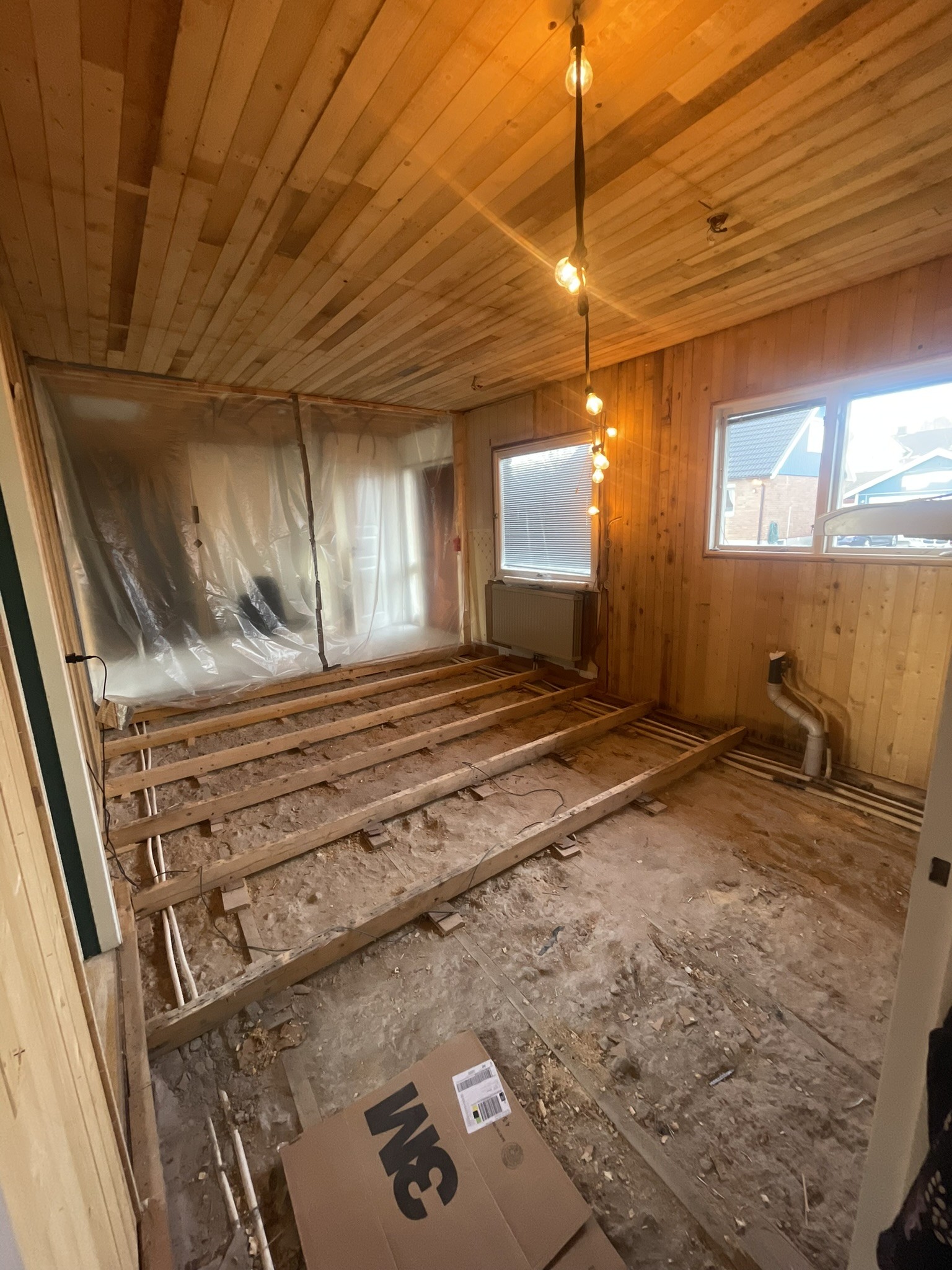
I had a water leak 4 weeks ago and had to tear out the entire kitchen.
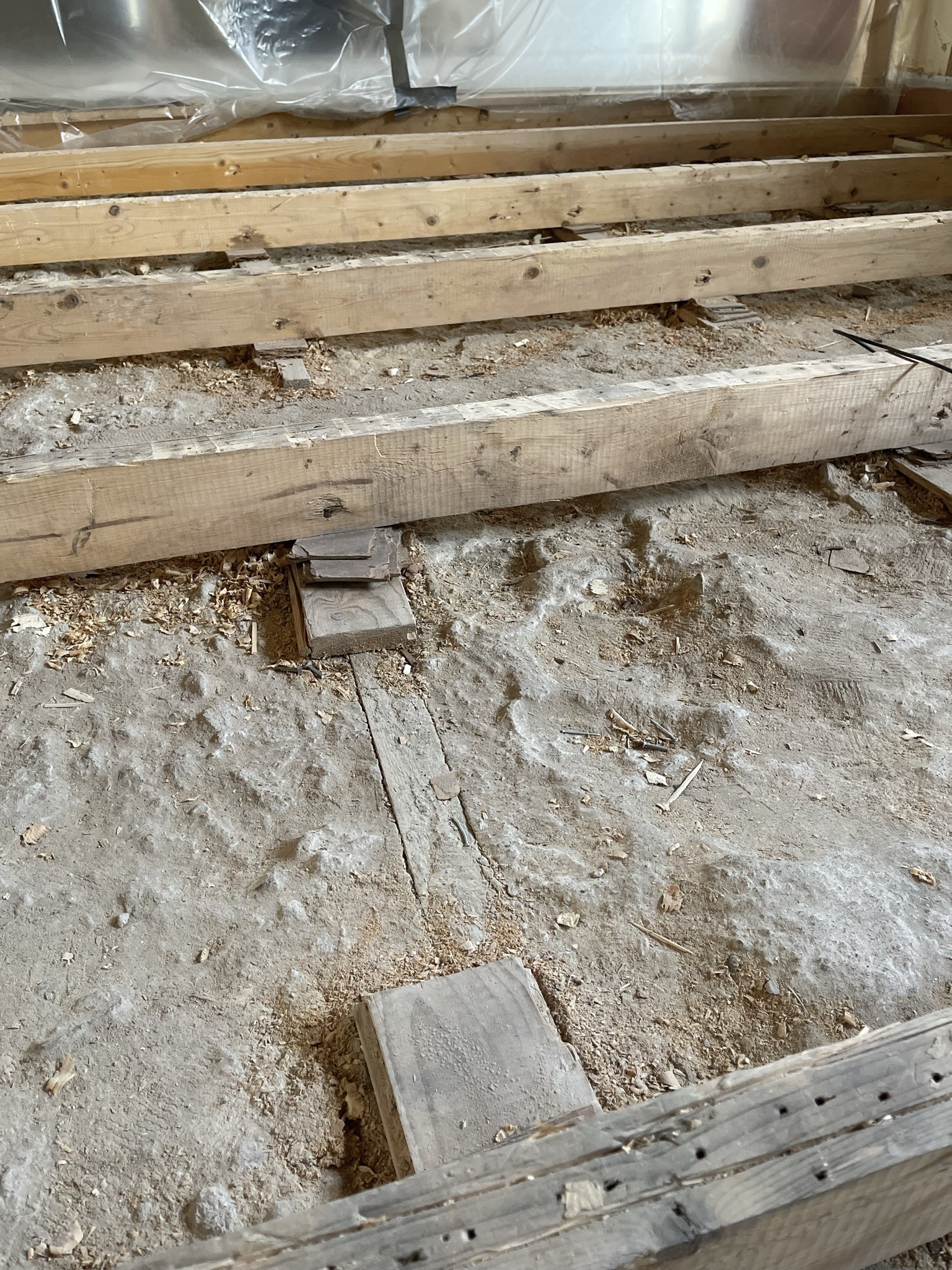
The floor had sawdust as insulation directly against the slab.
As you can see in the pictures, I have embedded impregnated studs in the concrete slab.
I'm considering what to use for insulation when I fill this in.
I obviously don't want organic material directly against the slab again.
Has anyone done a similar project at home?
(House built in 69/70)
Very grateful for any responses
I had a water leak 4 weeks ago and had to tear out the entire kitchen.
The floor had sawdust as insulation directly against the slab.
As you can see in the pictures, I have embedded impregnated studs in the concrete slab.
I'm considering what to use for insulation when I fill this in.
I obviously don't want organic material directly against the slab again.
Has anyone done a similar project at home?
(House built in 69/70)
Very grateful for any responses

Self-builder
· Stockholm
· 8 722 posts
If you lay a capillary-breaking layer at the bottom, like construction plastic, you should be able to use either fiber wool or even something organic like cellulose when you re-insulate.K Kyrkogatan18 said:Hello,
I had a water leak 4 weeks ago and have had to tear out the entire kitchen.
The floor had sawdust as insulation directly against the slab.
As you can see in the pictures, I have cast-in impregnated studs in the concrete slab.
I'm considering what to insulate with when I fill this in.
Of course, I don't want to have organic material directly against the slab again.
Has anyone done similar projects at home?
(The house was built in -69/70)
Extremely grateful for answers

Construction plastic is not capillary-breaking. It's a type of waterproofing. What happens to the moisture from inside that condenses against the plastic and your organic insulation? Nicht gut.
Insulating on top of the slab is quite tricky if I've understood correctly.
All wood removed, including studs in the slab, the sill should also be removed. EPS concrete on and then level or even out with concrete, then cellular plastic and floating chipboard floor.
You are allowed to install a ventilated floor if you have an uninsulated concrete slab directly on the ground.
There are a few different brands and variants, some with metal/wooden joists on plastic supports, other versions based on platon mats.
There are a few different brands and variants, some with metal/wooden joists on plastic supports, other versions based on platon mats.
Renovation rookie
· Götene
· 11 posts
Hi, I removed the cast-in joists yesterday.F Fixar_Krille said:
Pleasantly surprised that it was only 2x3/4", was expecting something like 2x4 / 2x6
The base plate is bone dry and gives off no odor, feels like overkill to remove it or what do you think?
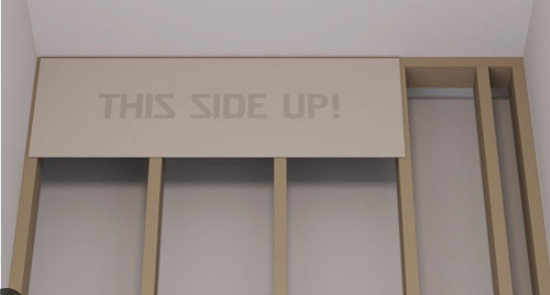
to self-level to an even surface and place plastic spacers under the frame, then chipboard flooring on top?
like the picture you mean?
Earlier it was 3/4" rough flooring, is chipboard flooring more durable?

If the floor construction has remained healthy since the '70s, i.e., for 52 years, the exact same construction will likely hold until the next water leak.
It is called a risk construction because there is a risk that it won't work if the conditions are poor, but if the conditions are good, it works. It can't work better than not having mold or rot for over 50 years.
It is called a risk construction because there is a risk that it won't work if the conditions are poor, but if the conditions are good, it works. It can't work better than not having mold or rot for over 50 years.
Click here to reply