
Hello
I am thinking of sprucing up the fireplace and removing any added cracks, etc.
What products should I use on the exterior (where it doesn't get so hot)?
I've read about heat-resistant mortar, but I interpret that more as something to be used inside the fireplace, around the chimney, etc. And not necessarily on the entire exterior of the fireplace?
Thanks in advance
I am thinking of sprucing up the fireplace and removing any added cracks, etc.
What products should I use on the exterior (where it doesn't get so hot)?
I've read about heat-resistant mortar, but I interpret that more as something to be used inside the fireplace, around the chimney, etc. And not necessarily on the entire exterior of the fireplace?
Thanks in advance
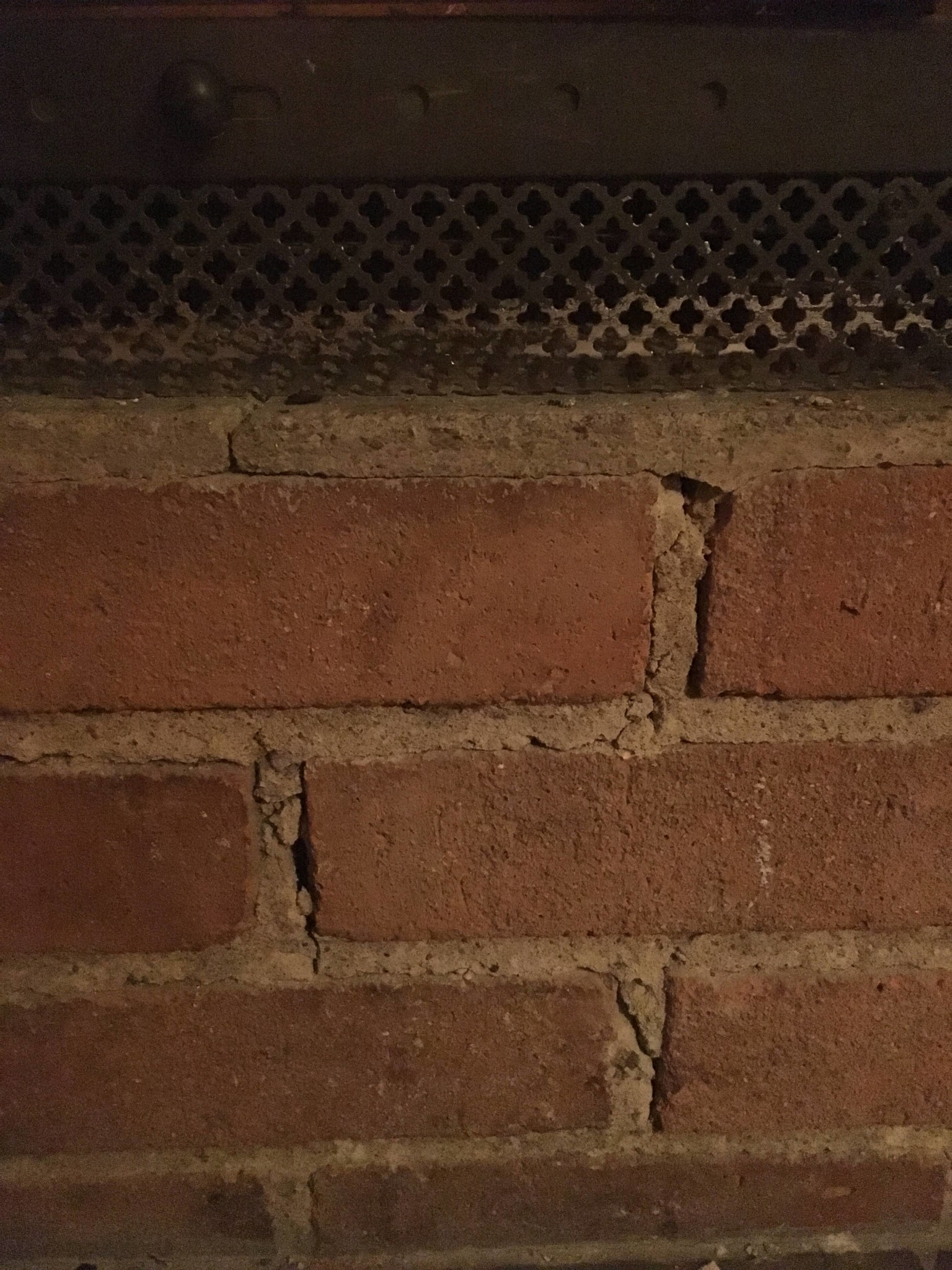
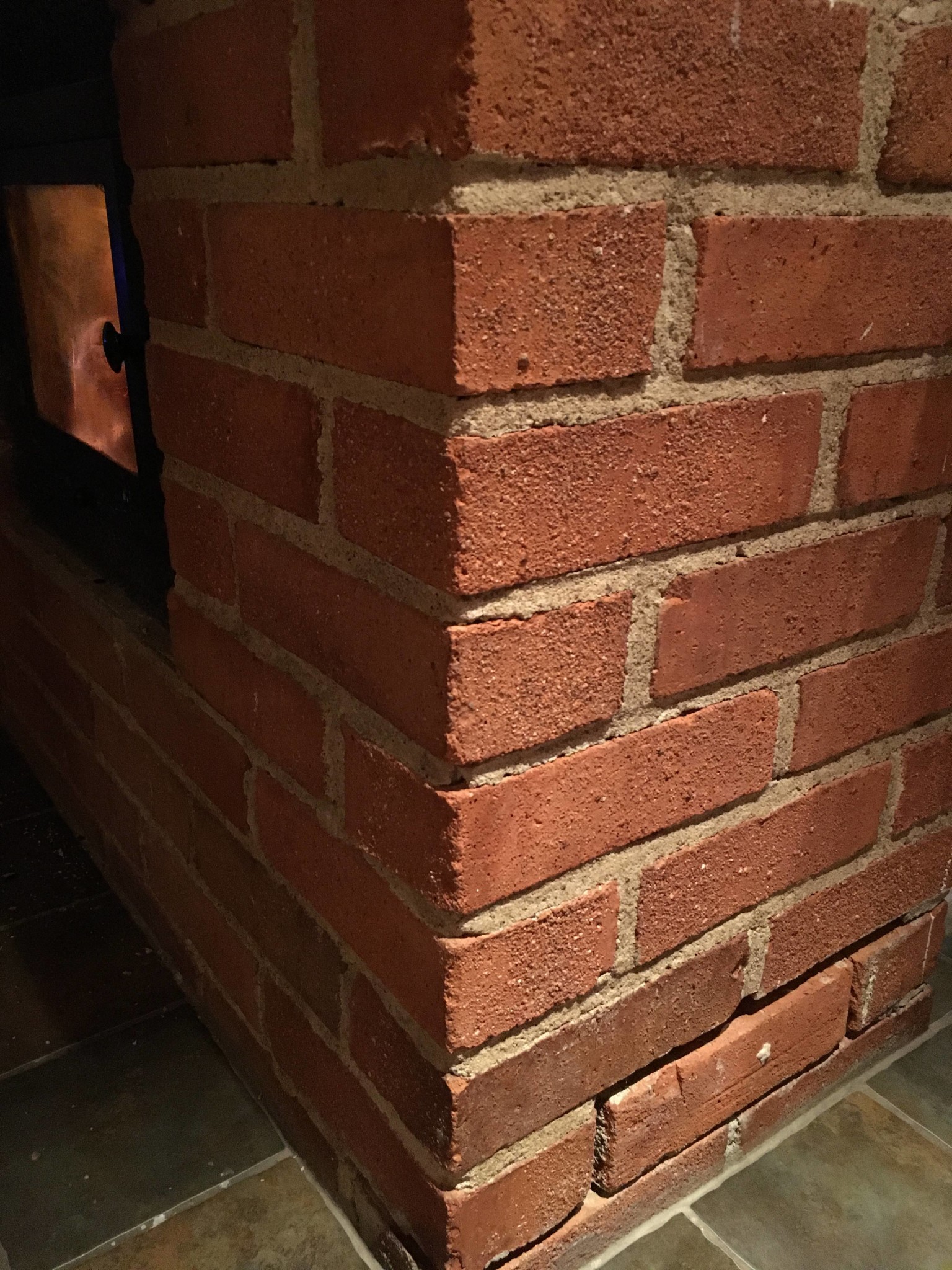
Ordinary lime mortar is probably there now, you can improve it with new, scrape out the joint one or a few centimeters to give some depth to the joint, not just a thin layer on top, it must stay in place.
There will probably be a change in shade between the old and new joints.
You need to test how it looks, otherwise it will be a lot of work to scrape out all the joints and put in new everywhere.
There will probably be a change in shade between the old and new joints.
You need to test how it looks, otherwise it will be a lot of work to scrape out all the joints and put in new everywhere.
Thank you so much, I'll just have to try it, and if not, redo it or plaster over it.S skutten11 said:Regular lime mortar is probably there now, you can touch it up with new, scrape out the joint a centimeter or a few centimeters so the joint gets some depth, not just a little layer on top, it has to stay in place. There will probably be a change in shade between the old and new joints. You'll have to try and see how it looks, otherwise it will be a lot of work to scrape out all the joints and put in new everywhere
Common lime mortar = släckt kalk ("murkalk") + sand + water.
For example, this one? https://www.k-rauta.se/byggvaruhus/murkalk-weber-saint-gobain-släckt-e-10kgStenolofanders said:
I guess it should be this sand that I use then? https://www.k-rauta.se/byggvaruhus/torkad-sand-weber-saint-gobain-25kg
In the fireplace, I have a so-called energy cassette, with a glass door. The heat coming out from the fireplace makes the bricks/joints directly above the cassette very hot. Can I use the lime mortar there as well (heat resistance?) or should I use the other "fireproof" type?
Yes, the lime mortar you linked to and similar ones work fine. Unlike cement, lime mortar actually improves if you let it sit mixed for a while before you use it, so mix it with water and sand a few days in advance.
As mentioned, lime mortar might work near the hatch, but it can get too hot. Suggestion: try lime mortar. If it cracks, clean it out and use clay mortar (=clay + sand or even better pulverized brick + water), which is fire-resistant. Stove clay is a common trade name, but clay from any ditch works fine (at least for me).
An advantage of both lime mortar and clay mortar is that they are easy to redo and correct, in a completely different way than cement- and gypsum-based mortars. Just slather it on. For clay mortar, you don't even need gloves and safety goggles.
As mentioned, lime mortar might work near the hatch, but it can get too hot. Suggestion: try lime mortar. If it cracks, clean it out and use clay mortar (=clay + sand or even better pulverized brick + water), which is fire-resistant. Stove clay is a common trade name, but clay from any ditch works fine (at least for me).
An advantage of both lime mortar and clay mortar is that they are easy to redo and correct, in a completely different way than cement- and gypsum-based mortars. Just slather it on. For clay mortar, you don't even need gloves and safety goggles.
Thanks for the detailed answer!Yes, the lime mortar you linked to and its equivalent work fine. Unlike cement, lime mortar only improves if you let it sit mixed for a while before you start building, so mix it with water and sand a few days beforehand.
As mentioned, lime mortar might work near the hatch but it can get too hot. Suggestion: try with lime mortar. If it cracks, clean it out and use clay mortar (=clay + sand or even better pulverized brick + water) which is fireproof. Kakelugnslera is a common trade name, but clay from any ditch works fine (at least for me).
A feature of both lime mortar and clay mortar is that it's easy to redo and correct mistakes, in a completely different way than with cement or gypsum-based mortars. Just slather it on. For clay mortar, you don't even need gloves and safety goggles.
 *Great!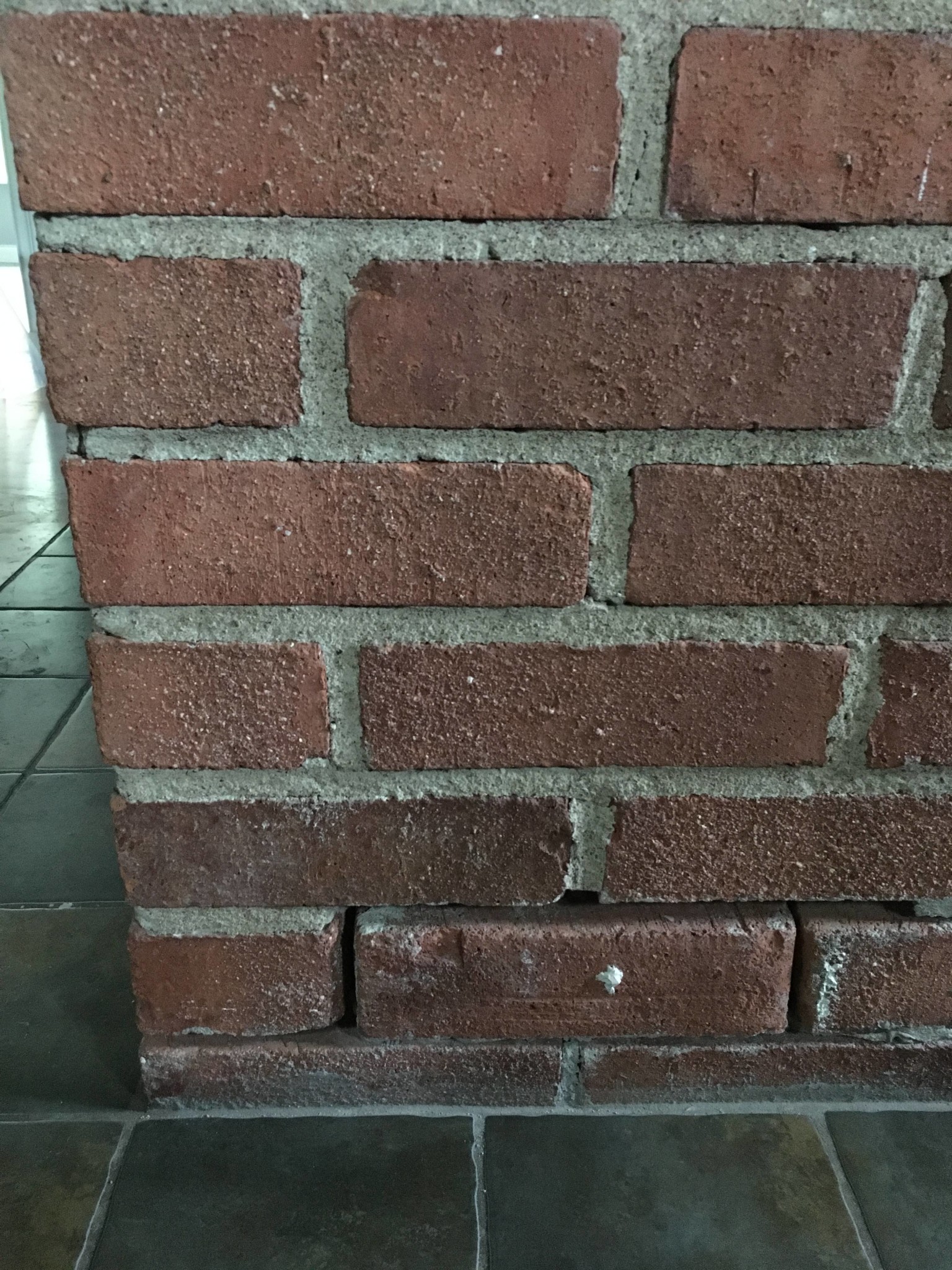
Click here to reply