
186,161 views ·
173 replies
186k views
173 replies
Filling crawl space with foam glass / cellular glass / hasopor?
Who are you asking?mmmmagnus said:
I filled the foundation with Hasopor and laid the wooden floor directly on top. It was straightforward. In some spots, it has crackled a bit when walking on the floor; probably pieces that were pressing up from underneath, but they've crushed over time, so it doesn't make noise anymore. I'm completely satisfied; the floor is noticeably insulated compared to the uninsulated floors in the house.
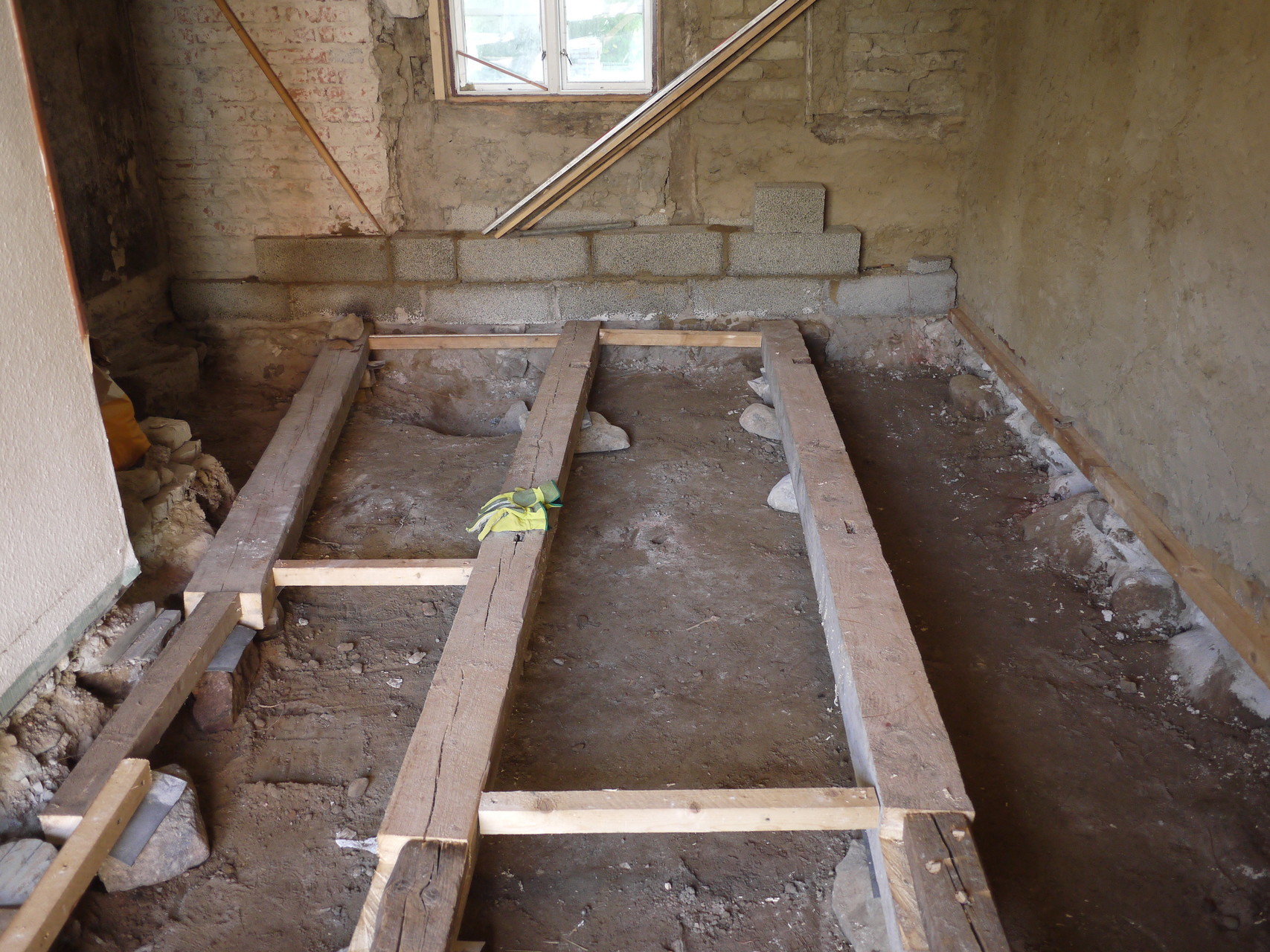
The foundation before laying Hasopor. I also laid out a geotextile fabric not shown in the picture.
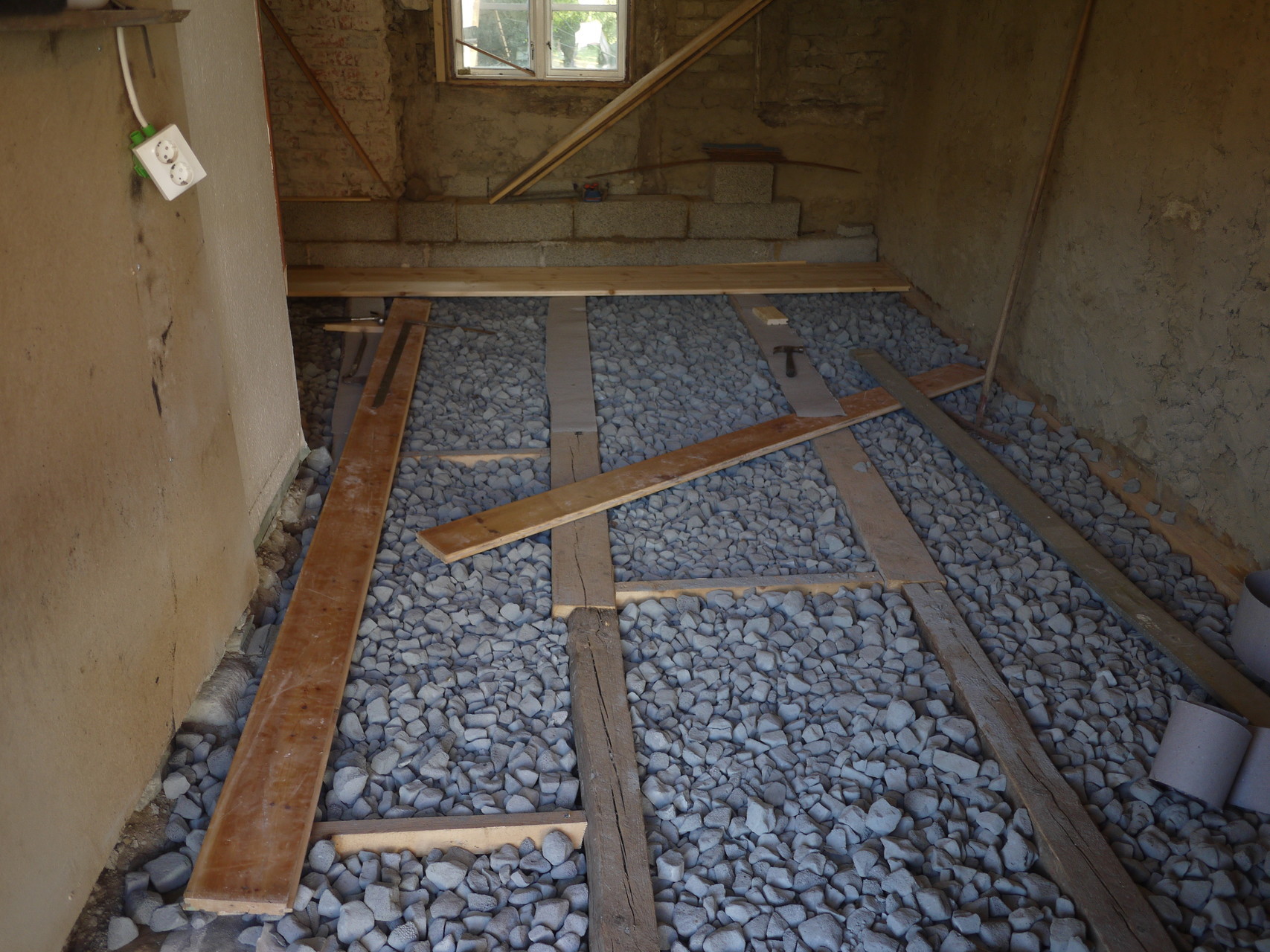
After filling with Hasopor
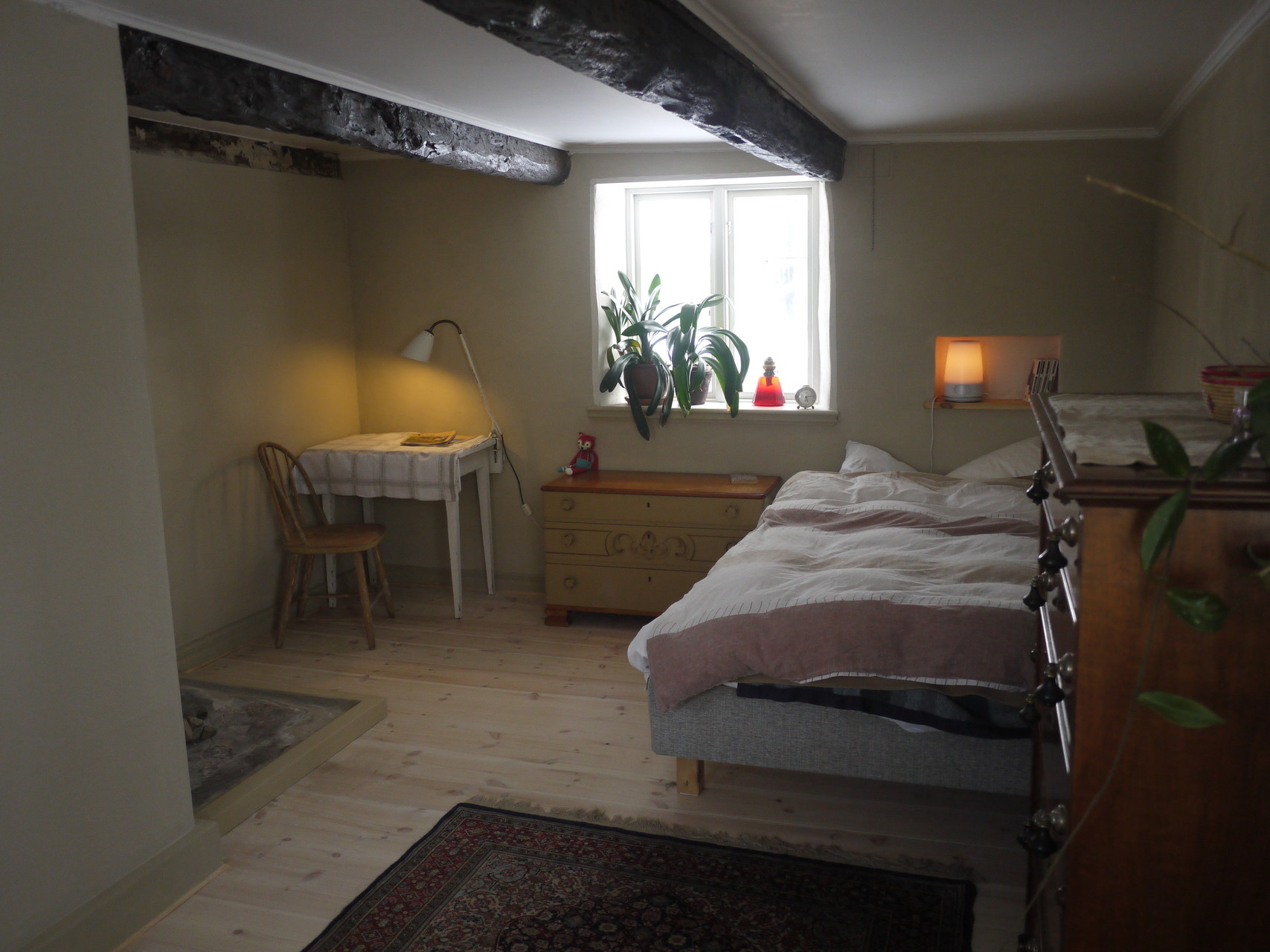
Unnecessary picture in this context but this is how the finished result looks

Building conservationist
· 3 534 posts
For my part, the project has not yet come to fruition.
Regarding underfloor heating, I have decided not to have it. Partly because it increases energy consumption, and partly because there is a risk of moisture and mold when people turn off the underfloor heating too early in the season. It seems risky to have in a summer house that is not constantly heated.
Regarding having clay on top of the hasopor, I am hesitant because I have received contradictory advice depending on whom I've asked. Some say there must be air between the floor and the filling, others advocate a hygroscopic material like clay or flax wool. It's hard to know whom to trust......
Regarding underfloor heating, I have decided not to have it. Partly because it increases energy consumption, and partly because there is a risk of moisture and mold when people turn off the underfloor heating too early in the season. It seems risky to have in a summer house that is not constantly heated.
Regarding having clay on top of the hasopor, I am hesitant because I have received contradictory advice depending on whom I've asked. Some say there must be air between the floor and the filling, others advocate a hygroscopic material like clay or flax wool. It's hard to know whom to trust......

Fun that more people are trying this, nice tompaah!
I've had a break from the renovation for a while now but will soon start again. I will have clay on top of the hasopor before the wooden floors. In some rooms, it will be entirely clay floors with underfloor heating. Under the wooden floors, I am not planning to have heating.
I've had a break from the renovation for a while now but will soon start again. I will have clay on top of the hasopor before the wooden floors. In some rooms, it will be entirely clay floors with underfloor heating. Under the wooden floors, I am not planning to have heating.

Yes, you have mentioned it earlier in the thread, but no one else has noticed any smell, nor have I. Maybe you have an extremely sensitive nose or you've received a shipment of Hasopor that the cat has peed in.
Hey! I hope I'm not stirring up any emotions by reviving an old thread. But I'm really curious about how it went. I'm about to start a new construction of a simple extension where I'm considering hasopor for insulation in the foundation.
My thoughts are on the ventilation. I'm planning a foundation wall of lecablocks that I'll fill with hasopor. But how have you handled the ventilation in your old foundations? Do you still have holes in the wall to ventilate the hasopor, or is it not needed?
My thoughts are on the ventilation. I'm planning a foundation wall of lecablocks that I'll fill with hasopor. But how have you handled the ventilation in your old foundations? Do you still have holes in the wall to ventilate the hasopor, or is it not needed?
Why should you ventilate the foundation?G greenkarma said:
 Many old house foundations have ventilation, such as torpar- and krypgrund. My question was how ventilation is managed with hasopor.
If the foundation is filled in, there is probably no reason to ventilate?
That would be the case if you want to create a negative pressure to minimize the intrusion of gas from shallow areas into the residence. For example, due to mold or radon. Otherwise, you don't ventilate.