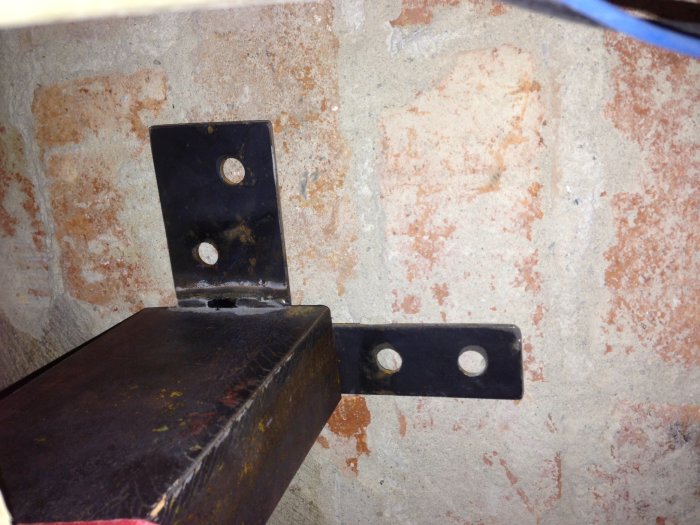
I am going to attach a steel beam to a brick wall. The steel beam helps to support a loft, so it's important that it is properly secured (most of the weight is carried by a wall that runs under the middle of the loft; this attachment is for one corner of the loft - the other end of the steel beam rests on vertical wall studs). I have been instructed to use chemical anchors 10 mm thick, 4 pcs. At Bauhaus, I got assistance from a guy whom I'm not entirely sure I trust, so I want to double-check that I have the right equipment before drilling the hole and injecting the adhesive.
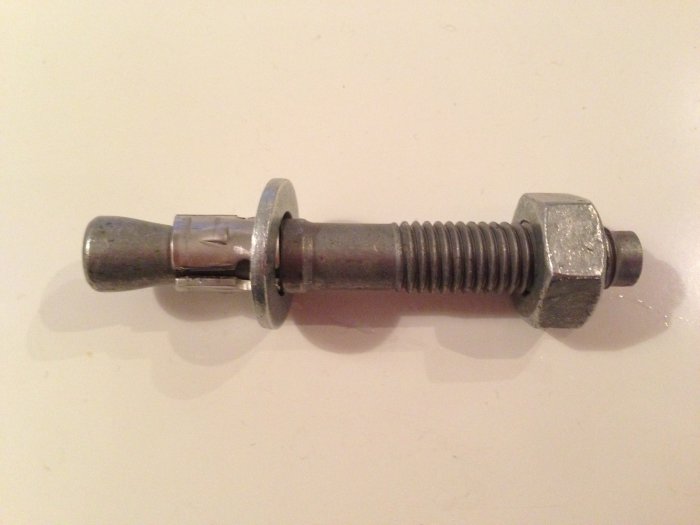
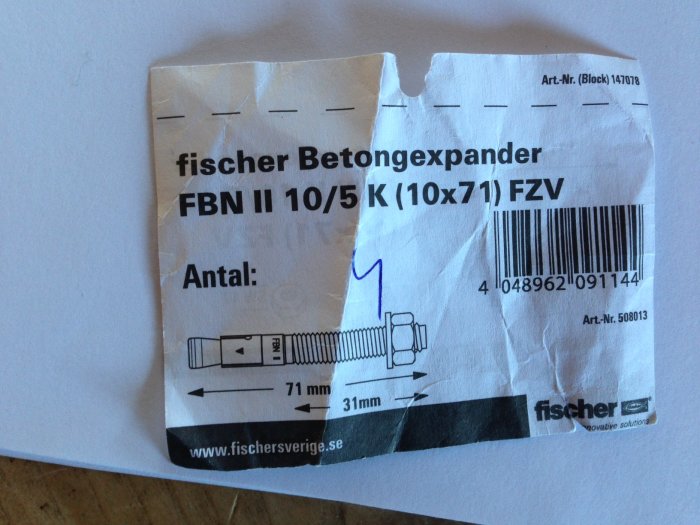
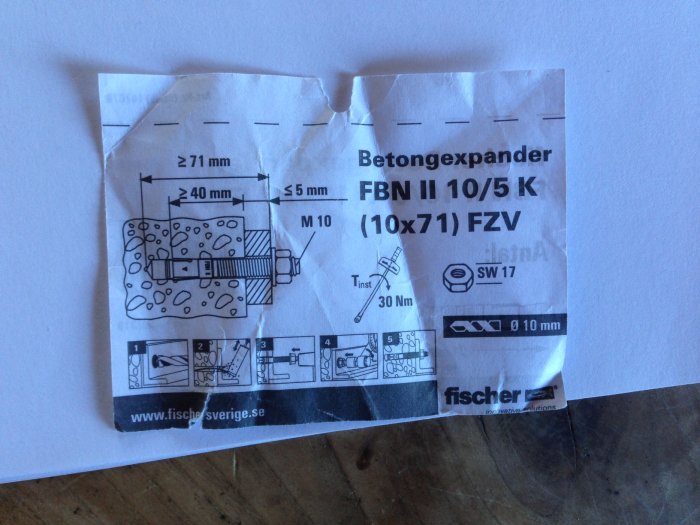
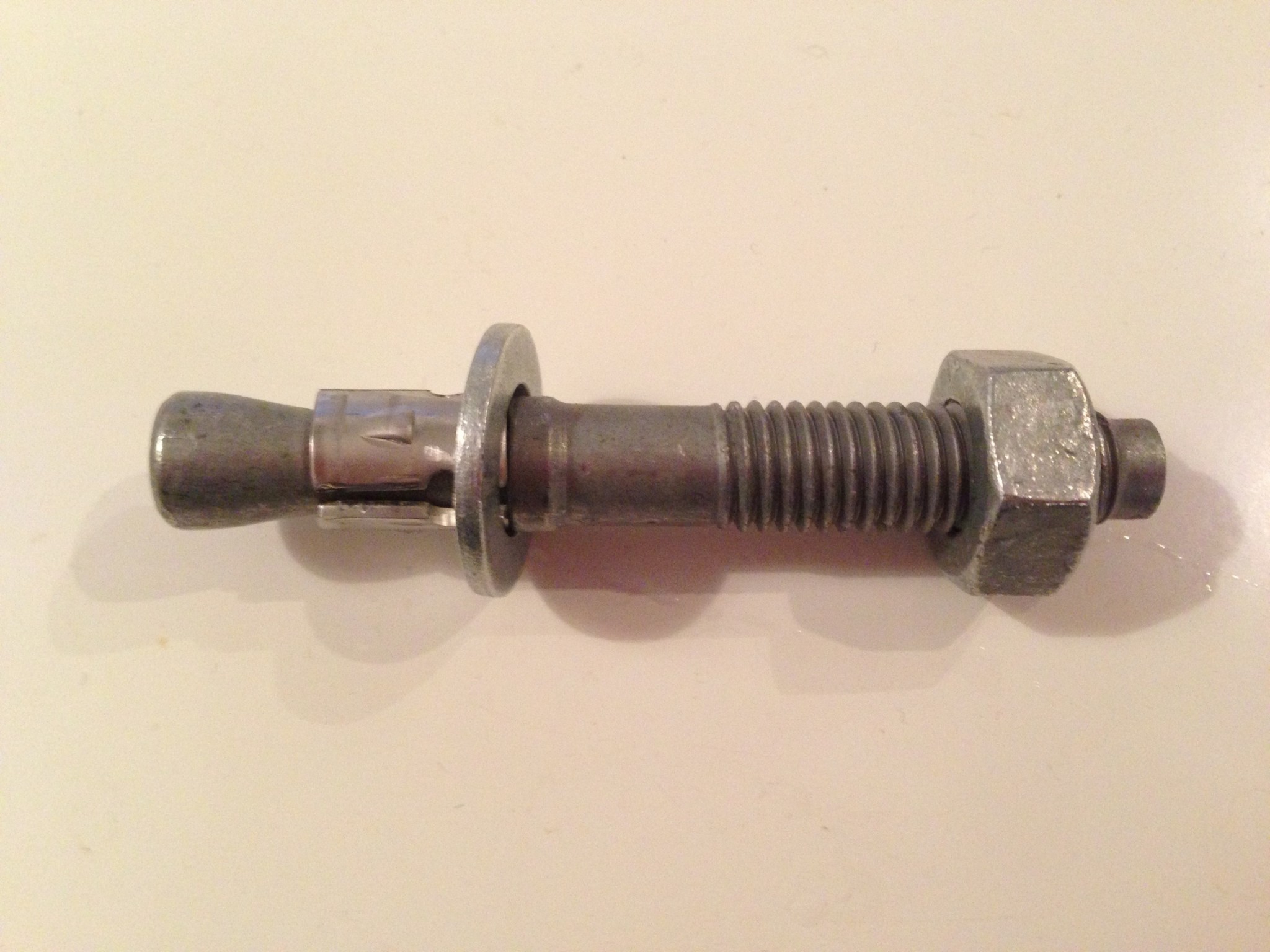
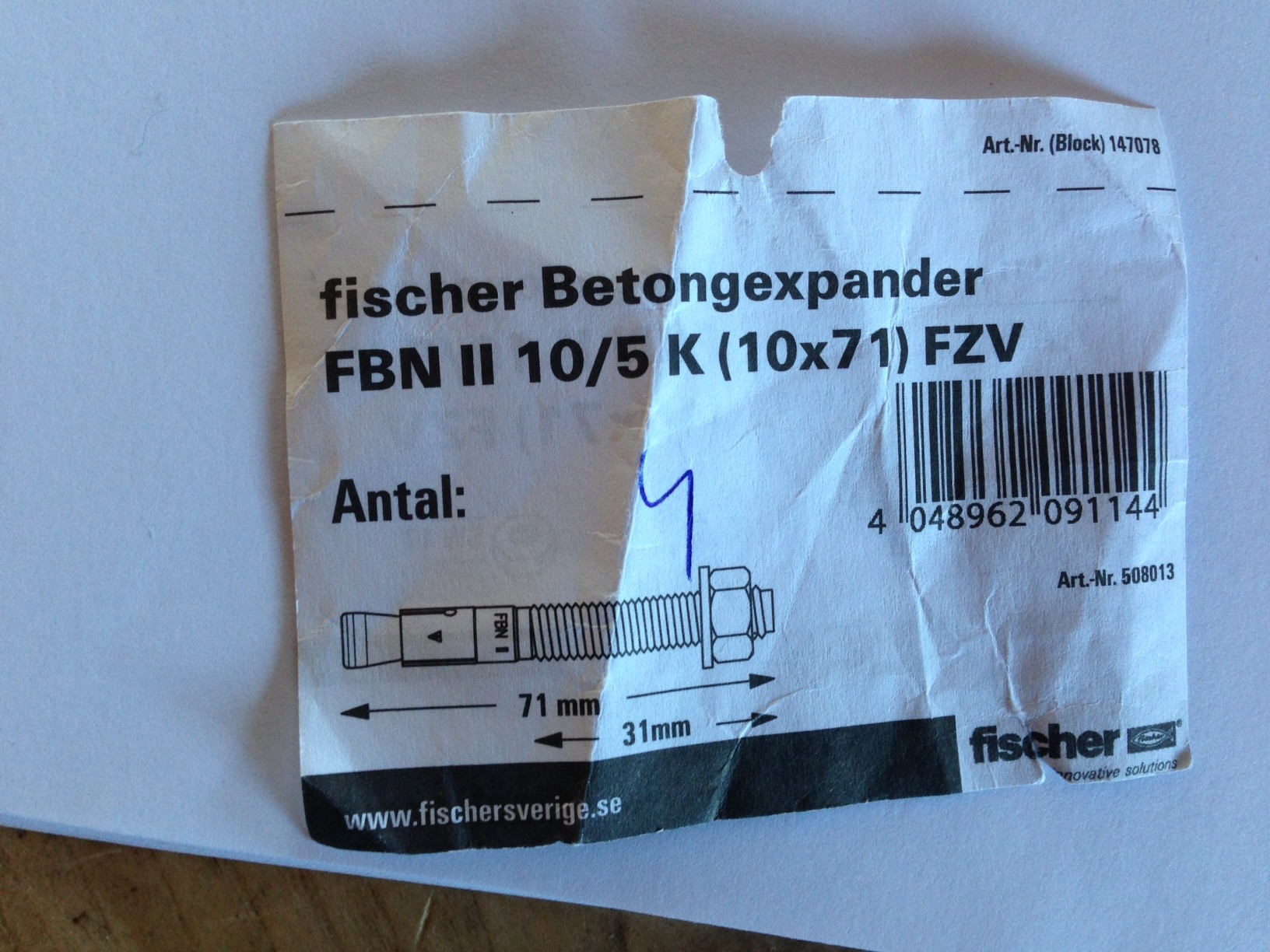
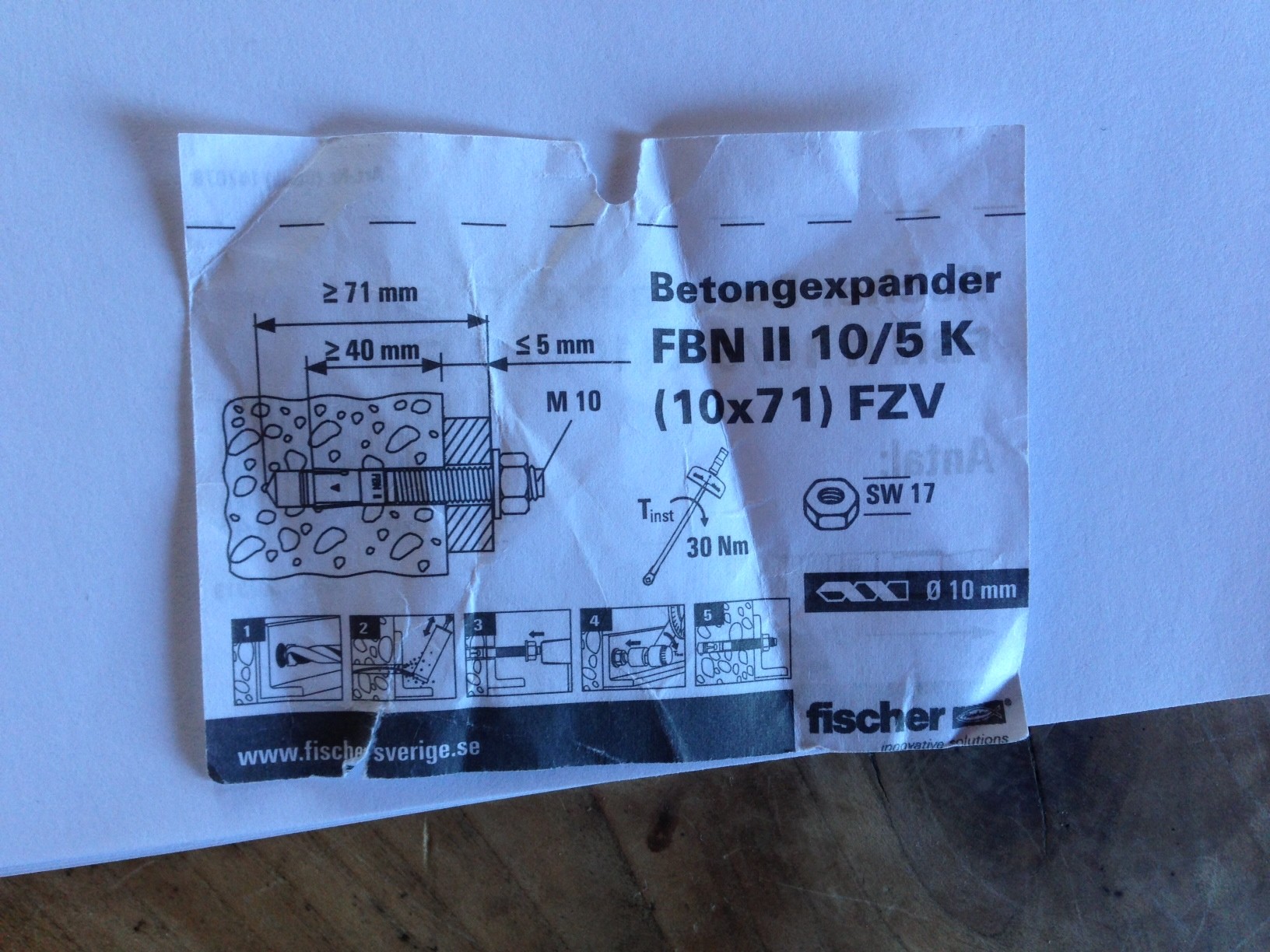
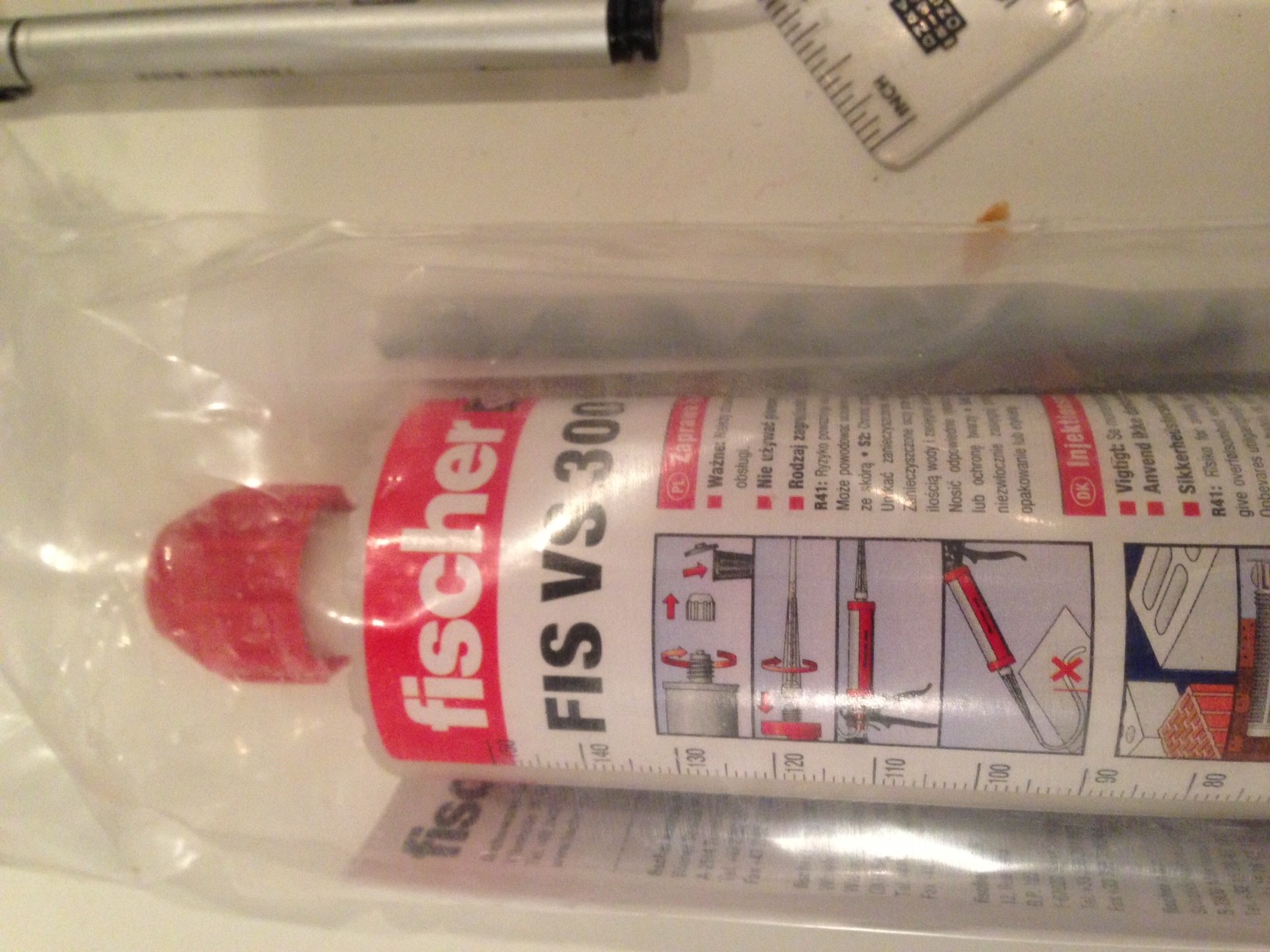
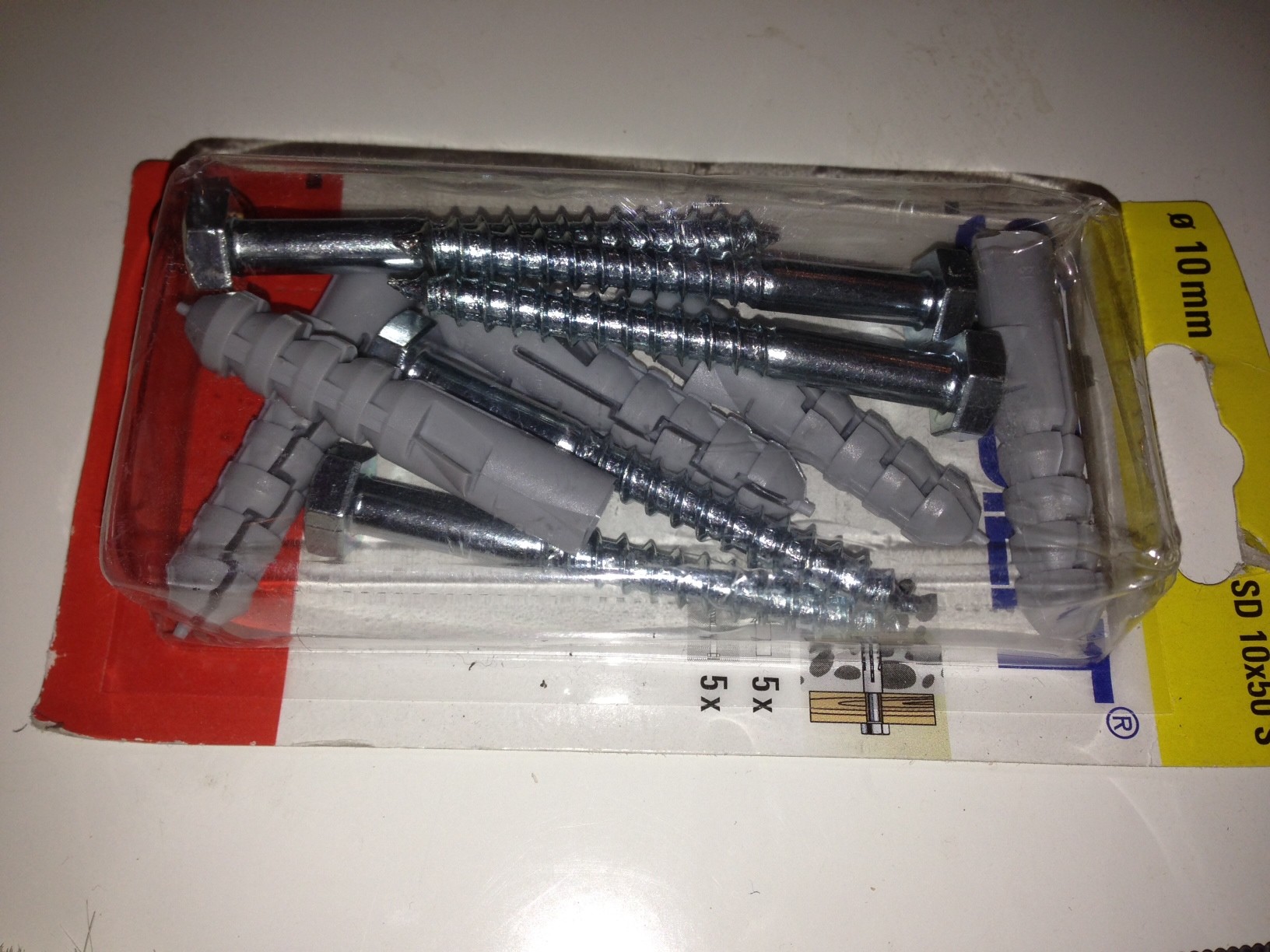
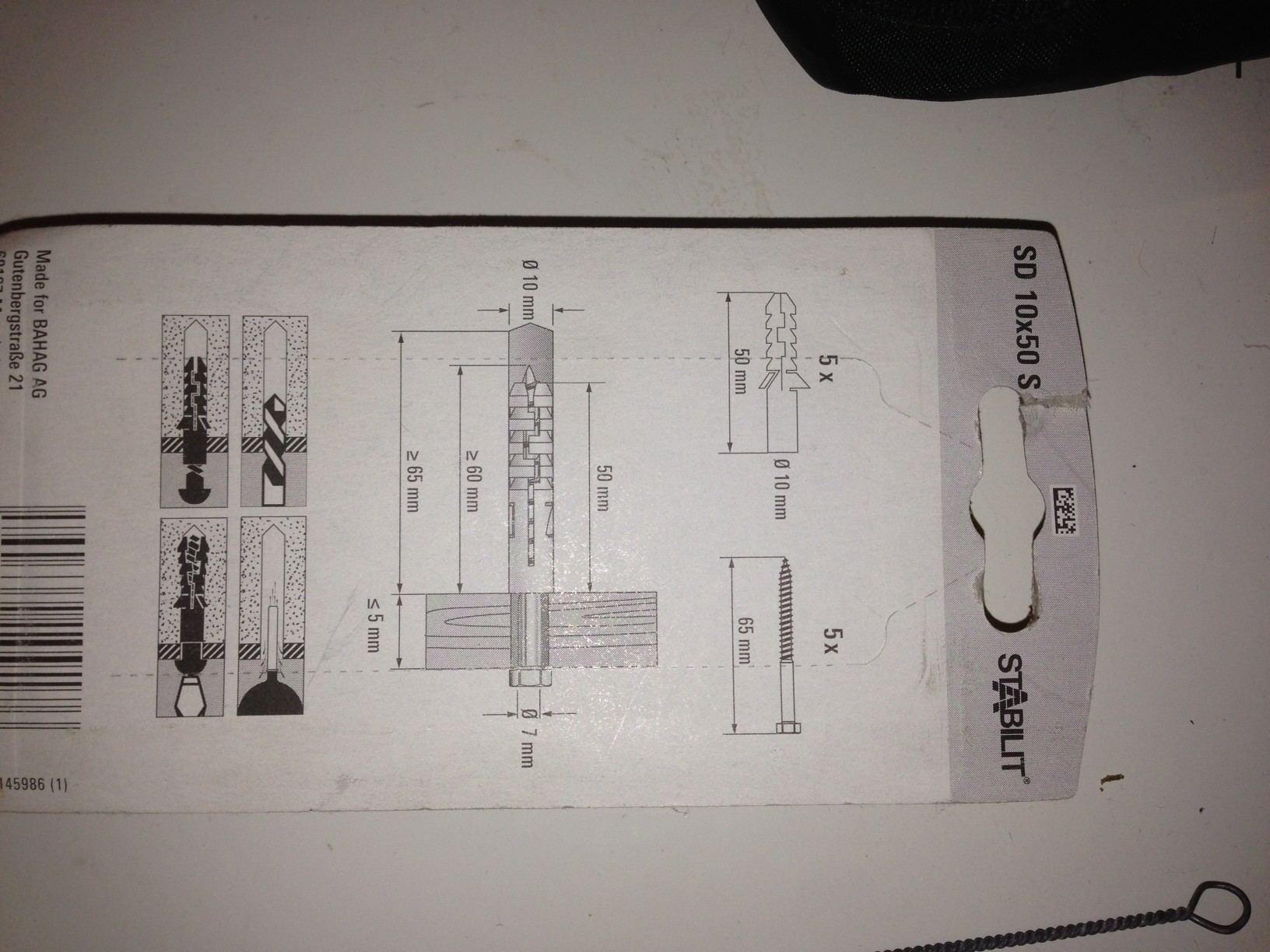
I have Fischer FIS VS 300 T adhesive and Fischer Concrete Expander FBN II 10/5 K (10x71) FZV (image below). Can I proceed with these?
Thank you. So my gut feeling was right then. It's a shame that you can't rely on advice from "specialists" at the building supply stores.
So where can I find chemical anchors (what does it say on the packaging)? Because that's what I asked for at Bauhaus... - and if it doesn't work to find it by asking, then I must find it myself instead.
Chemical anchors are a 2-component "adhesive/mass" that is injected into the hole, and then a threaded rod is usually inserted, which is cut to a suitable protrusion.
EDIT: I saw that you had Fischer's chemical anchors, in that case, I would have bought a suitable threaded rod and used the tube you have. The guy at Bauhaus probably didn't know much.
And don't forget to blow out the drill hole from dust before applying the anchor mass.
The mass you have is the right stuff, but the expansion screws are wrong. You need to add threaded rod or an anchor sleeve (which is threaded inside and ribbed outside). These are usually available at a building supply store. You also need a hole brush and a blow-duster to clean the holes before applying the mass (important). I bought a brush but used a pipe that I blew into manually. It works well as long as you don't mind getting your face full of brick dust
Note that it's important for the hole and rod to have the right diameter and depth so that the space is correct. If I remember correctly, there is a table in the mass packaging.
P.s. on that wall, I would probably use regular plugs and screws. Partly because it's shear forces - the screw joint isn't subjected to any tensile forces, and partly because it still withstands considerably more than the weld joint if you have four 8 mm screws of sufficient length.
aha, a big thank you to all of you. So nice to be able to double-check with people who know.
Which is preferable (which is stronger), threaded rod or anchor sleeve?
Should I use a washer under the nut?
Two of the holes in the steel beam end up over the mortar/joint between the bricks. Does that matter or will it be just as strong anyway? If not, I assume I can drill new holes in the mounting piece on the steel beam in other positions that are against the actual bricks (?).
A sleeve is chosen when a fixed pin sticking out of the wall doesn't work. For example, if your beam goes between two opposing walls, you can't "slide" the beam onto the pins.
A washer under the nut is always good.
I don't think it will be as strong, but strong enough if some of the screws go into the joint. Looks like it's strong mortar.
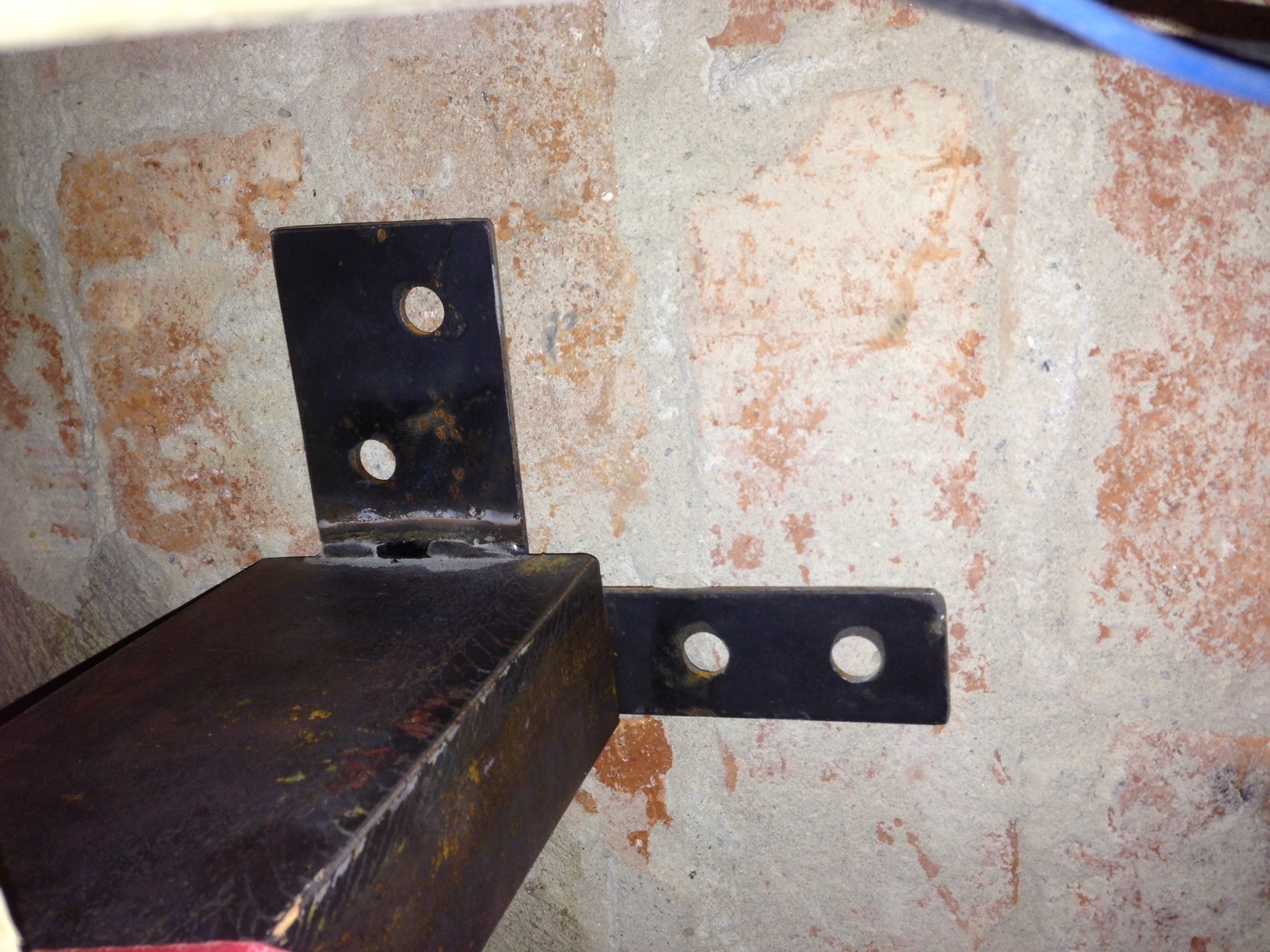
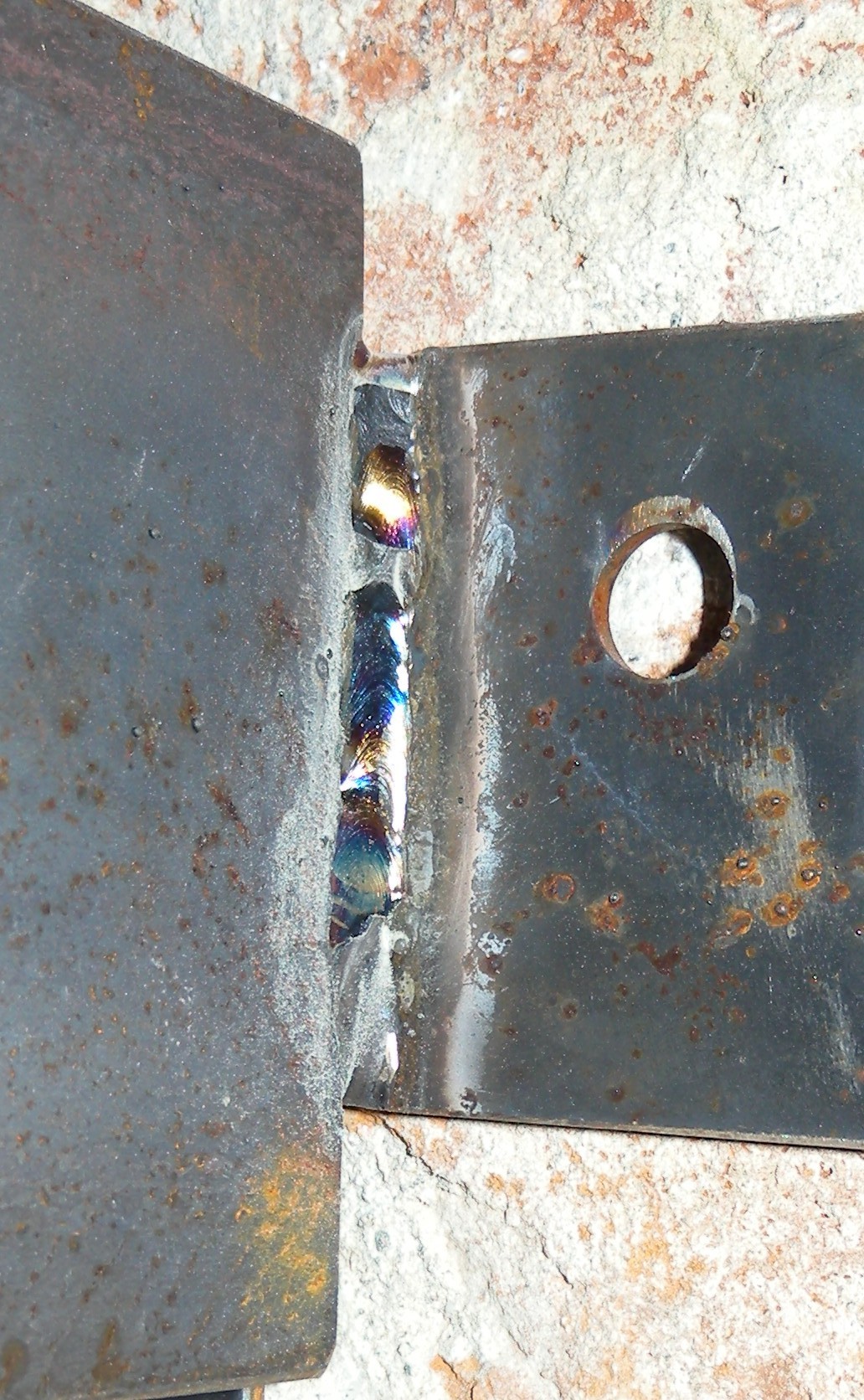
If you're worried about it withstanding the load, you might want to review the weld as it appears in the picture. It looks a bit weak compared to the beam's dimension. But maybe it's just temporary?
one of the welds was redone (they had placed the angle iron the wrong way, so they cut it and welded it on the right way). I said it was supposed to support a loft... the weld is not meant to be temporary - does this mean I should (once again, because I had to do that when I realized the angle iron was set wrong, which I didn't realize until I had the beam in place) lower it down and drag it down (5 flights of stairs) and back to the steel firm for a double-check? I don't want it to fall down... Is there any way to check that the weld is strongly made?
The top layer on the weld seam was loose (could it be from when it was cooled down - they did that because I was going to transport it in the car). Here is a close-up of the seam:
There's probably nothing wrong with the actual execution of the joint, but it looks like it's just a seam on the top side of the beam. Personally, I would have placed the angle iron in the corner of the beam so you can weld along four edges, or at least welded along all three edges. Or even better, screw an L-beam piece to the wall to create a "shelf" for the beam to rest on and then screw or weld the beam to the shelf. I also would have mounted the beam "upright."
But, it's impossible to say without knowing what loads you have. I just mean it looks a bit disproportionate, which of course doesn't mean it won't be perfectly fine for the purpose. Sorry if I scared you
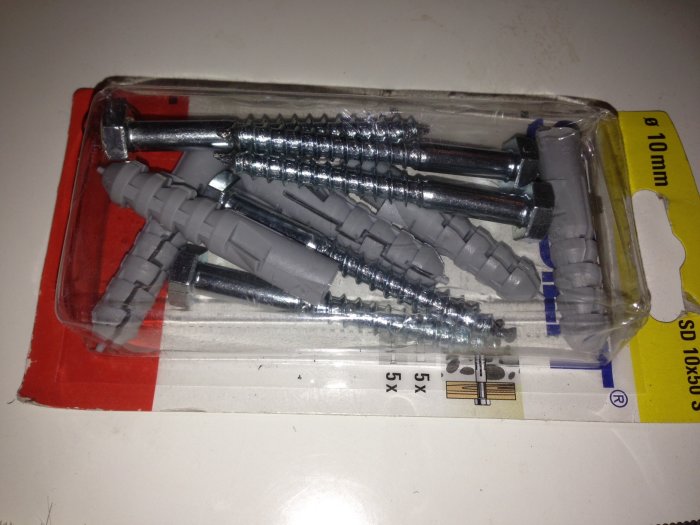
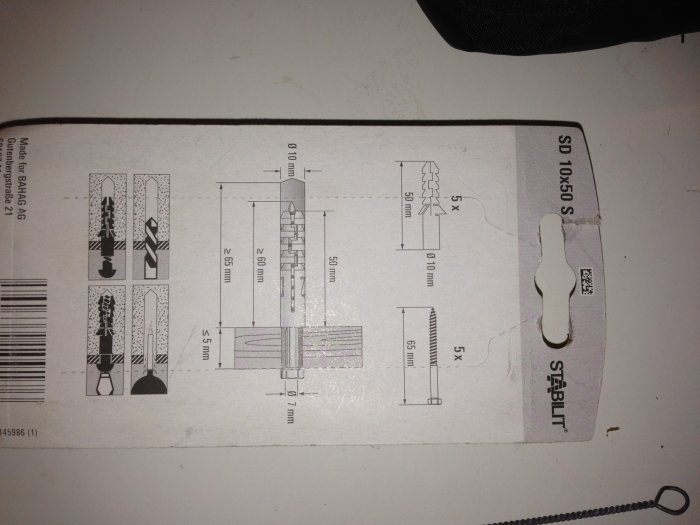
I was thinking of drilling with the beam in place (I believe I can fit the drill even for the inner holes) and then inserting the screw through the bank. So I guess it's six of one, half a dozen of the other with threaded rod or anchor sleeve. Regarding the option that cpalm suggests, with screws and plugs, would these work:
Can I use these as a brush and blower gadget (the brush is intended for stainless steel straws, the blower gadget consists of a stainless steel straw, diameter 8 mm) and a blowing device that is meant to clean the pump in my Scooba, i.e. self-propelled floor washer ?
Does the beam need rust protection? I haven't thought about it (following instructions I got from a construction consultant, I don't know anything about this stuff so I find it hard to think for myself . Unfortunately, there's no space for a post under the beam...
cpalm - when you say standing - I assume you don't mean vertically? The idea is that it should be mounted horizontally, with the wider side (150 mm) vertical and the narrower one (50 mm) horizontal (at the lower edge of the vertical). The problem with the weld seam arose because they welded the piece in place instead of welding a new angle iron...? Hmm, now I don't really know what to do (I really don't feel like lowering it again and going back to the steel company, but I don't dare to risk it not turning out well.
Regarding rust protection, do I need to paint with something, and if so, I guess I have to try to loosen it (the other end is quite tightly fastened between the loft and the two vertical studs) if I also need to paint the side that sits against the wall.
The beam won't carry the main weight of the loft, because the wall that sits directly underneath will do that. The beam is about 1 meter out from the wall on which the loft rests, and the idea is that it should balance up that half of the loft and support the corrugated sheet (yes, you read that right, I'm not the one who originally built the loft) that the loft rests on.
Vi vill skicka notiser för ämnen du bevakar och händelser som berör dig.