
4,352 views ·
10 replies
4k views
10 replies
Drywall and Spackling! Knocked Down Walls
I have read a lot here, people say you can use sealant, or silicone in the edges. But then it's said that you should tar the edges, yes that sounds simple, but my edges are already attached to the walls.
I have just puttyed for the first time, yes it sounded easier than it was!
I have puttied, then laid strips, but how can you sand then, won't the strip disappear?:S
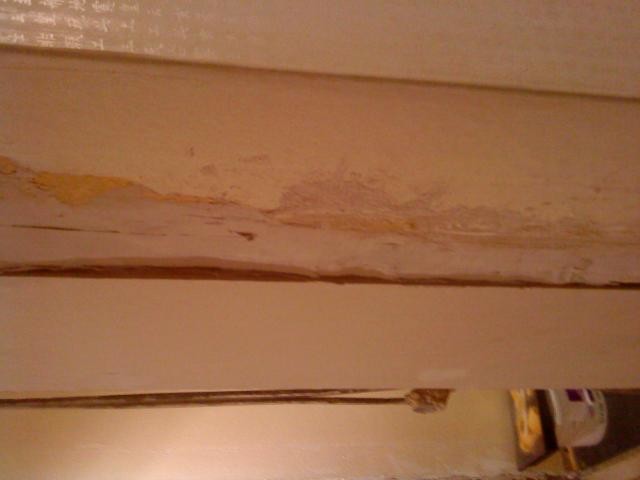
My corners, there are a few that are edge to edge board to board. The other 6 corners should join with walls... am I explaining poorly? Ah, it's because I don't know much about this...:blushing:
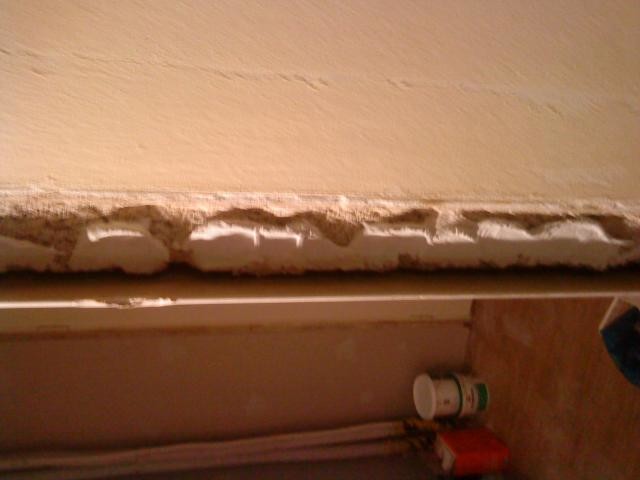
Then I have to putty "together" the walls, board on one side, "hole" and then brick wall.
What do you do when:
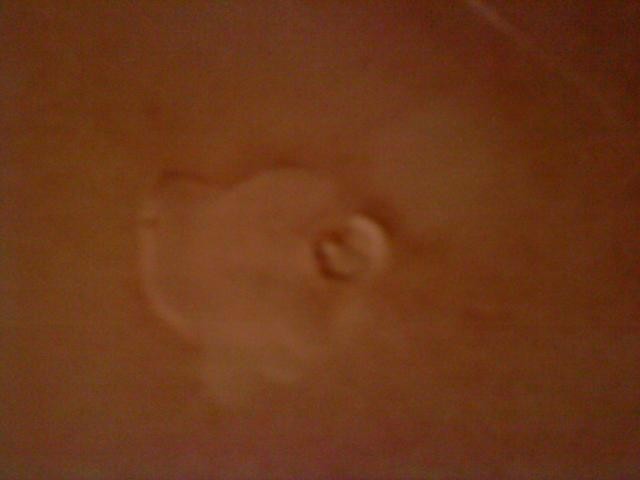
The screws are still visible after puttying, I mean that they aren't far enough into the drywall.
And:
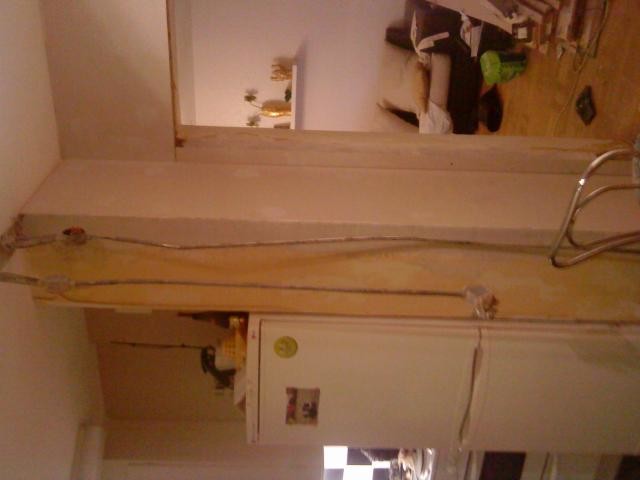
What do you do with electrical cables hanging from the ceiling?
Should I try to open the walls or run the cables in moldings via the ceiling?
HELP.:x
I have just puttyed for the first time, yes it sounded easier than it was!
I have puttied, then laid strips, but how can you sand then, won't the strip disappear?:S
My corners, there are a few that are edge to edge board to board. The other 6 corners should join with walls... am I explaining poorly? Ah, it's because I don't know much about this...:blushing:
Then I have to putty "together" the walls, board on one side, "hole" and then brick wall.
What do you do when:
The screws are still visible after puttying, I mean that they aren't far enough into the drywall.
And:
What do you do with electrical cables hanging from the ceiling?
Should I try to open the walls or run the cables in moldings via the ceiling?
HELP.:x


I don't know if I understood everything you described, but regarding the screws, isn't it just a matter of screwing them in so you don't have to see them?
In inner corners, I usually glue a paper tape there, as well as on other joints "before" puttying. Didn't quite understand the problem with the outer corners, but if you can't use metal profiles, there's the option to build it up with 828 (gypsum putty) and also apply paper tape there.
In inner corners, I usually glue a paper tape there, as well as on other joints "before" puttying. Didn't quite understand the problem with the outer corners, but if you can't use metal profiles, there's the option to build it up with 828 (gypsum putty) and also apply paper tape there.

Fiberglass tape is usually self-adhesive, so you stick it on before applying joint compound. Paper tape is typically applied by first filling the gap between the drywall sheets halfway, then placing the paper tape into the wet area and pressing it in with a putty knife. This should dry before applying the next layer of joint compound.
If you haven't secured the drywall with the correct materials, you might encounter problems not only with the joint compound but also if the sheets move later on. If screw or nail heads are protruding and can't be fixed, you may need to skim coat the wall as thickly as needed.
If you haven't secured the drywall with the correct materials, you might encounter problems not only with the joint compound but also if the sheets move later on. If screw or nail heads are protruding and can't be fixed, you may need to skim coat the wall as thickly as needed.
hello,
thank you thank you thank you. I have read and read, but I have now realized that I have already made a mistake. I have applied filler, then tape, and then filler again.
when you refer to "bredspackla," do you mean that I should apply filler over the entire boards? maybe it would be better to remove the screws and try to make deeper holes..?
thank you thank you thank you. I have read and read, but I have now realized that I have already made a mistake. I have applied filler, then tape, and then filler again.
when you refer to "bredspackla," do you mean that I should apply filler over the entire boards? maybe it would be better to remove the screws and try to make deeper holes..?
Plasterboard cannot be fastened with just anything.
The head of a drywall screw is specially designed so that it can sink into the board without tearing the paper. If the paper breaks around the screw (when screwed too deep), the board will not hold properly; the paper is needed to withstand the pressure of the screw head against the board. If you screw too deep, you must place an additional screw beside the faulty one. This is what all professionals do.
Chipboard screws, for example, are absolutely not suitable for plasterboard, as these screws have grooves underneath to countersink into the chipboard, which relentlessly tear the plasterboard paper, making them completely unsuitable for plasterboard.
A regular countersunk wood screw might possibly work, but they don't have the best geometry to protect the paper. If, due to some kind of fastening problem, you're forced to attach the plasterboards with something that can't be countersunk, you'll likely have to apply a full coat of joint compound over the entire board.
The head of a drywall screw is specially designed so that it can sink into the board without tearing the paper. If the paper breaks around the screw (when screwed too deep), the board will not hold properly; the paper is needed to withstand the pressure of the screw head against the board. If you screw too deep, you must place an additional screw beside the faulty one. This is what all professionals do.
Chipboard screws, for example, are absolutely not suitable for plasterboard, as these screws have grooves underneath to countersink into the chipboard, which relentlessly tear the plasterboard paper, making them completely unsuitable for plasterboard.
A regular countersunk wood screw might possibly work, but they don't have the best geometry to protect the paper. If, due to some kind of fastening problem, you're forced to attach the plasterboards with something that can't be countersunk, you'll likely have to apply a full coat of joint compound over the entire board.
Click here to reply