
3,177 views ·
7 replies
3k views
7 replies
Drilled under fuse box and found plastic behind the drywall
Hello,
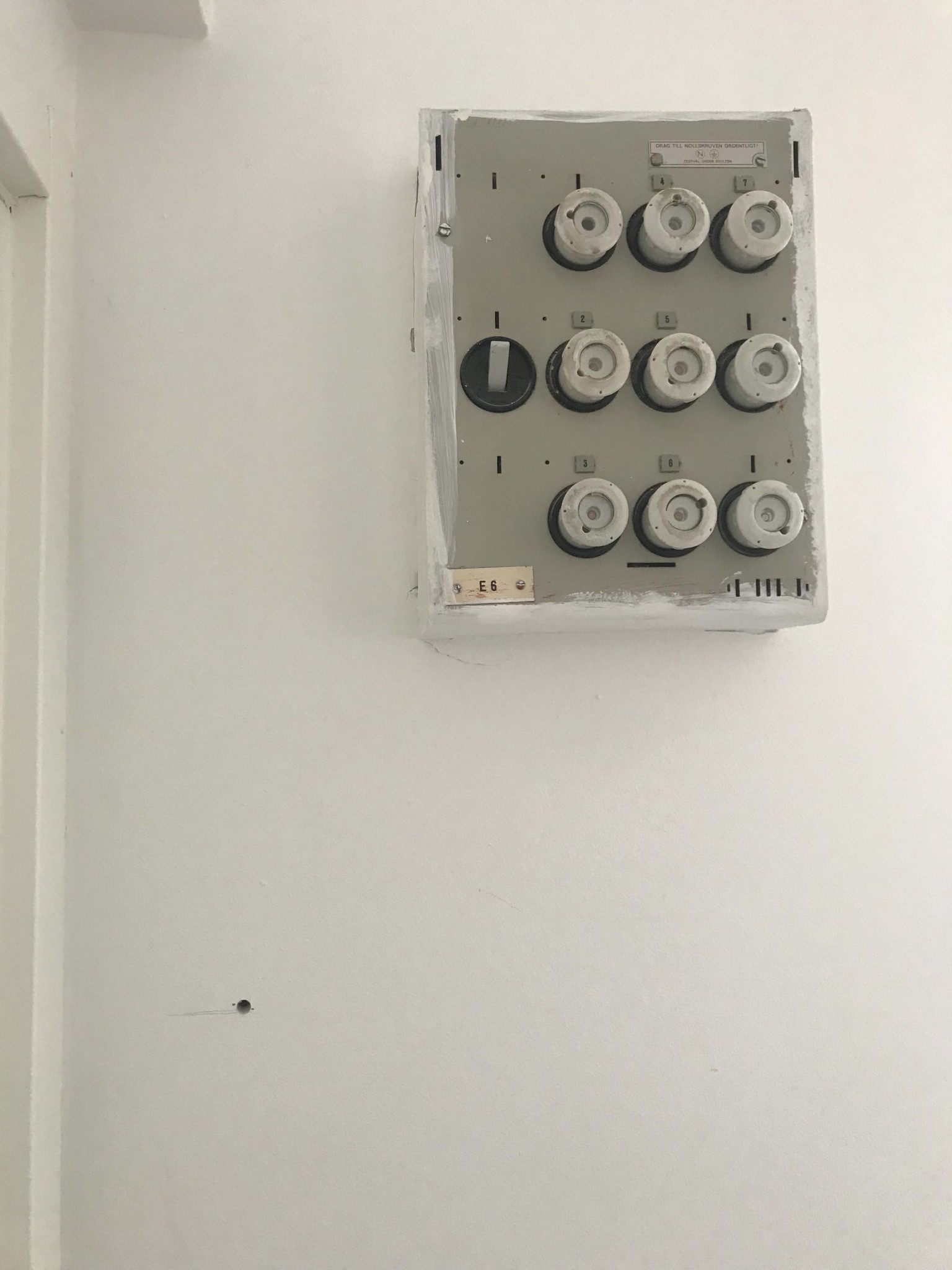
I am about to drill up a hook rack on an exterior wall with drywall, slightly under a fuse box (25 cm below, 10 cm to the left of it). Behind the drywall, I discovered some sort of plastic. Not wiring, but it seems to be a thin plastic sheet inside the hole. I can push a screw in, but it springs back, and when I release it, the screw comes out a few cm. When I shine a flashlight, I see I've made a small hole in the plastic when I pushed the screw in.
The entire screw goes into the hole if I apply some pressure, but I will make a hole in the plastic if I drill the screw in. The question is whether it's safe to screw it in anyway? I don't know what's behind the plastic, probably electricity(?). I guess the screw will drill through the plastic by maybe 5-10 mm if I continue.
Should I just forget about drilling something here?
Are there very short drywall anchors I could use instead?
My current screw is 38 mm long.
Thanks in advance!
I am about to drill up a hook rack on an exterior wall with drywall, slightly under a fuse box (25 cm below, 10 cm to the left of it). Behind the drywall, I discovered some sort of plastic. Not wiring, but it seems to be a thin plastic sheet inside the hole. I can push a screw in, but it springs back, and when I release it, the screw comes out a few cm. When I shine a flashlight, I see I've made a small hole in the plastic when I pushed the screw in.
The entire screw goes into the hole if I apply some pressure, but I will make a hole in the plastic if I drill the screw in. The question is whether it's safe to screw it in anyway? I don't know what's behind the plastic, probably electricity(?). I guess the screw will drill through the plastic by maybe 5-10 mm if I continue.
Should I just forget about drilling something here?
Are there very short drywall anchors I could use instead?
My current screw is 38 mm long.
Thanks in advance!


It's probably the vapor barrier present in all reasonably modern exterior walls? Nothing dangerous at all, just keep on screwing.
https://gds.se/spara-energi/isolering/aldrig-mer-osaker-paa-aangsparren
https://gds.se/spara-energi/isolering/aldrig-mer-osaker-paa-aangsparren
But right next to the circuit protection unit, it is indeed very good to be really careful, so here TS has acted exemplary.
Most commonly, pipes/cables go straight up or down from the cabinet, but absolutely no guarantee.
A picture might help us make an assessment.
Most commonly, pipes/cables go straight up or down from the cabinet, but absolutely no guarantee.
A picture might help us make an assessment.
Thanks for the reply!Mikael_L said:
I don't know if you can see much in this picture but I'll post it anyway. It looks like the flash captures something metallic inside, which I can't see when I shine in with a regular flashlight. Then I only see plastic.
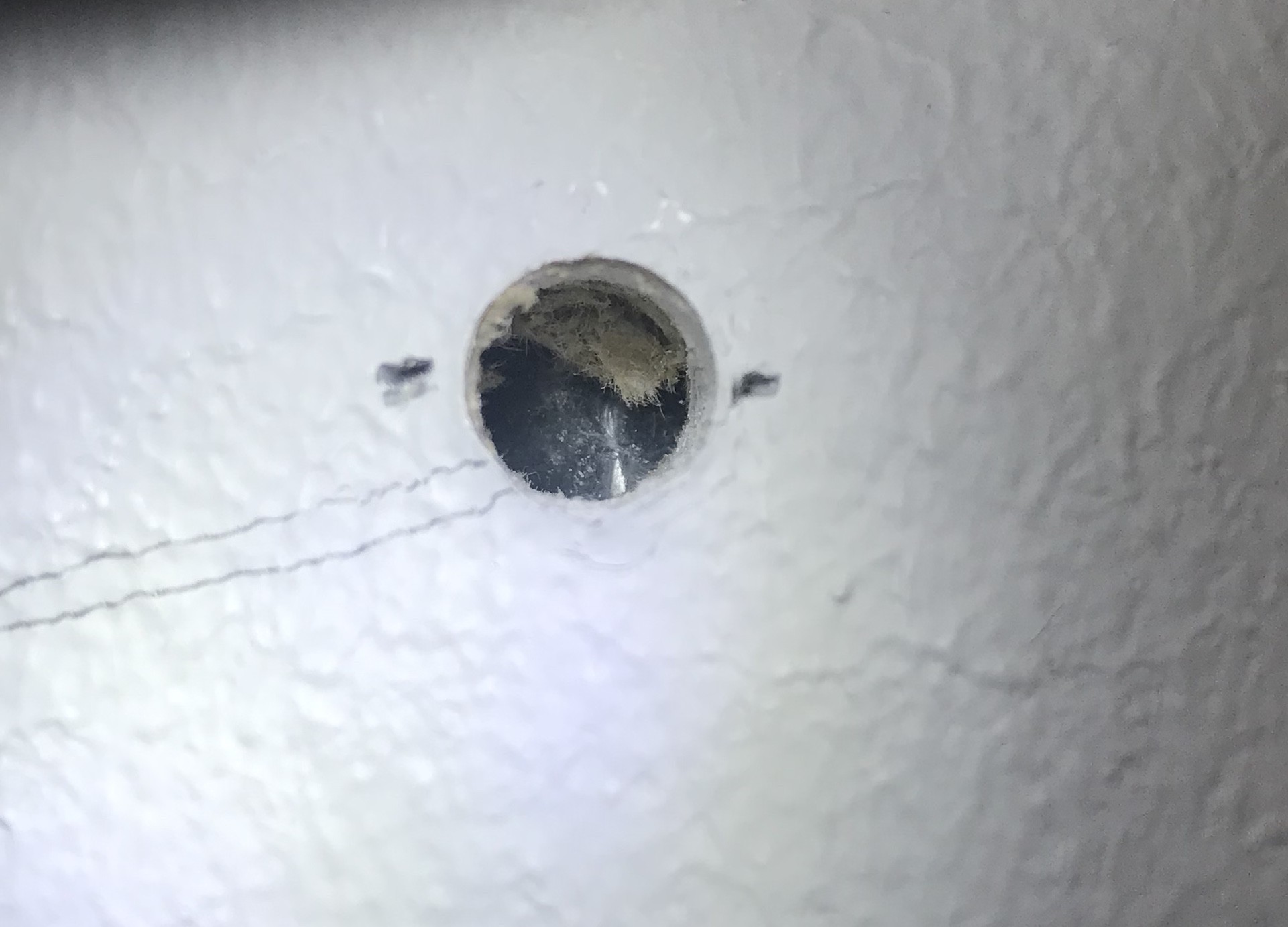
I was perhaps thinking more about the entire fuse box; then one might have been able to assess if it was built-in with an extra layer of insulation and board material, for example.
But in the picture you sent, you can see a transparent plastic there.
If it is transparent, it is probably a vapor barrier; there is no transparent plastic related to the electrical system in the walls.
But in the picture you sent, you can see a transparent plastic there.
If it is transparent, it is probably a vapor barrier; there is no transparent plastic related to the electrical system in the walls.
Click here to reply