
12,948 views ·
100 replies
13k views
100 replies
Does Masonite withstand weather and wind?
I thought you previously wrote about the large house manufacturers and their production, but you seem flexible in your thinking and quickly shift focusRejäl said:That facades aren't covered in sheet metal is due to many reasons, for example. They become very sensitive where the slightest imperfection is visible, the average person cannot make such a facade without turning to a tinsmith for the trims around windows and doors, etc.
If masonite with battens had held up as a facade, many house manufacturers would undoubtedly have used it...

If people want masonite or metal facades, the housing producers will obviously offer this, but most home buyers probably think it's too ugly even if it's fast, cheap, and relatively durable.


What have you calculated to be the price difference and time difference in using boards compared with wooden panels?R Rodgar Den Frie said:Thank you all for sharing your thoughts and experiences regarding Masonite as an exterior building material.
I am taking in everything you share and making a compilation.
Now I have contacted a professor in building physics at Chalmers and asked for his thoughts on my construction.
I am hoping for a response. If I receive an answer, I will naturally share it here so we can continue the discussion together.
Thank you all in the meantime. Please continue to share here. I read everything with great interest.
All the best
Rodgar

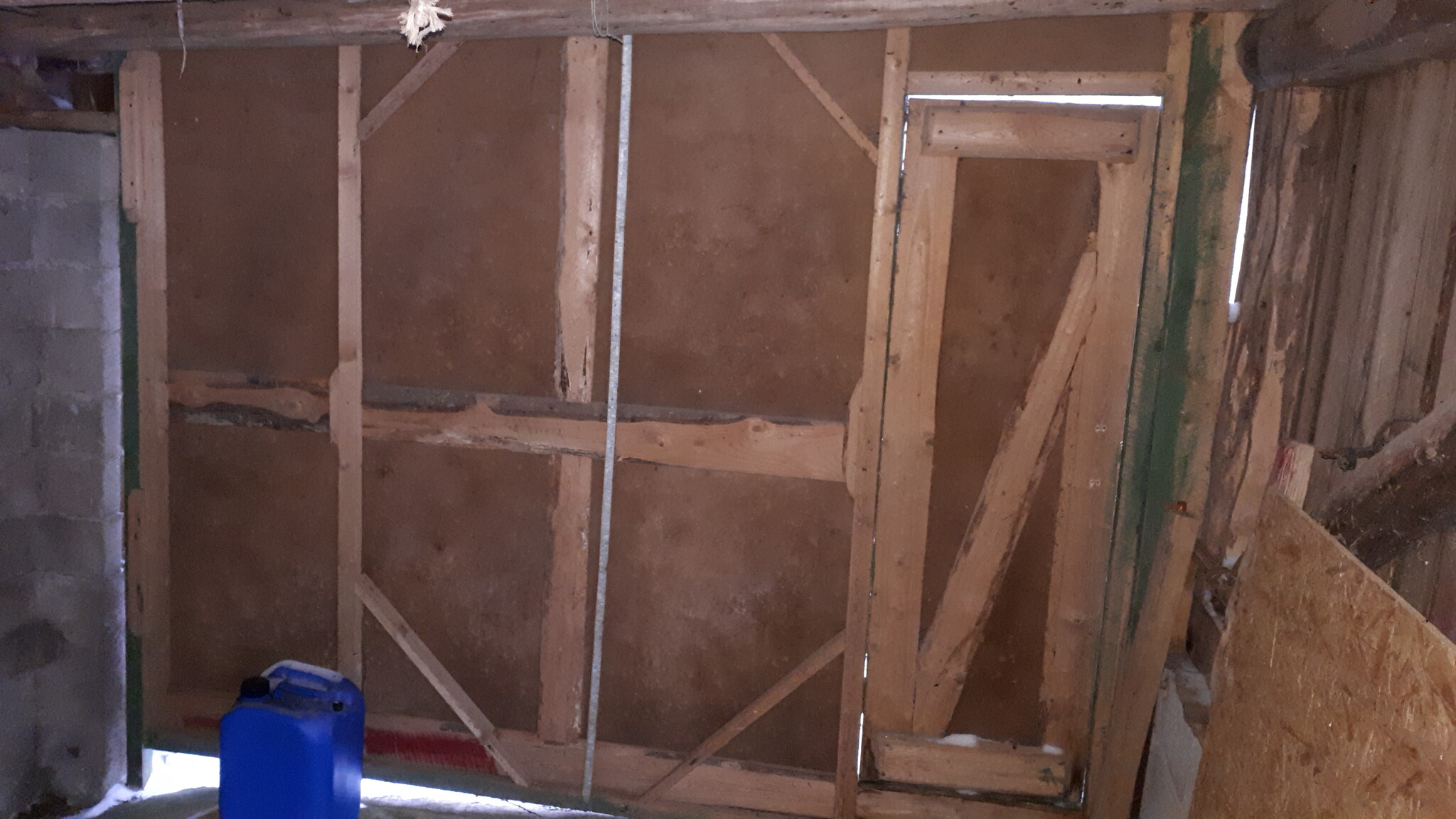
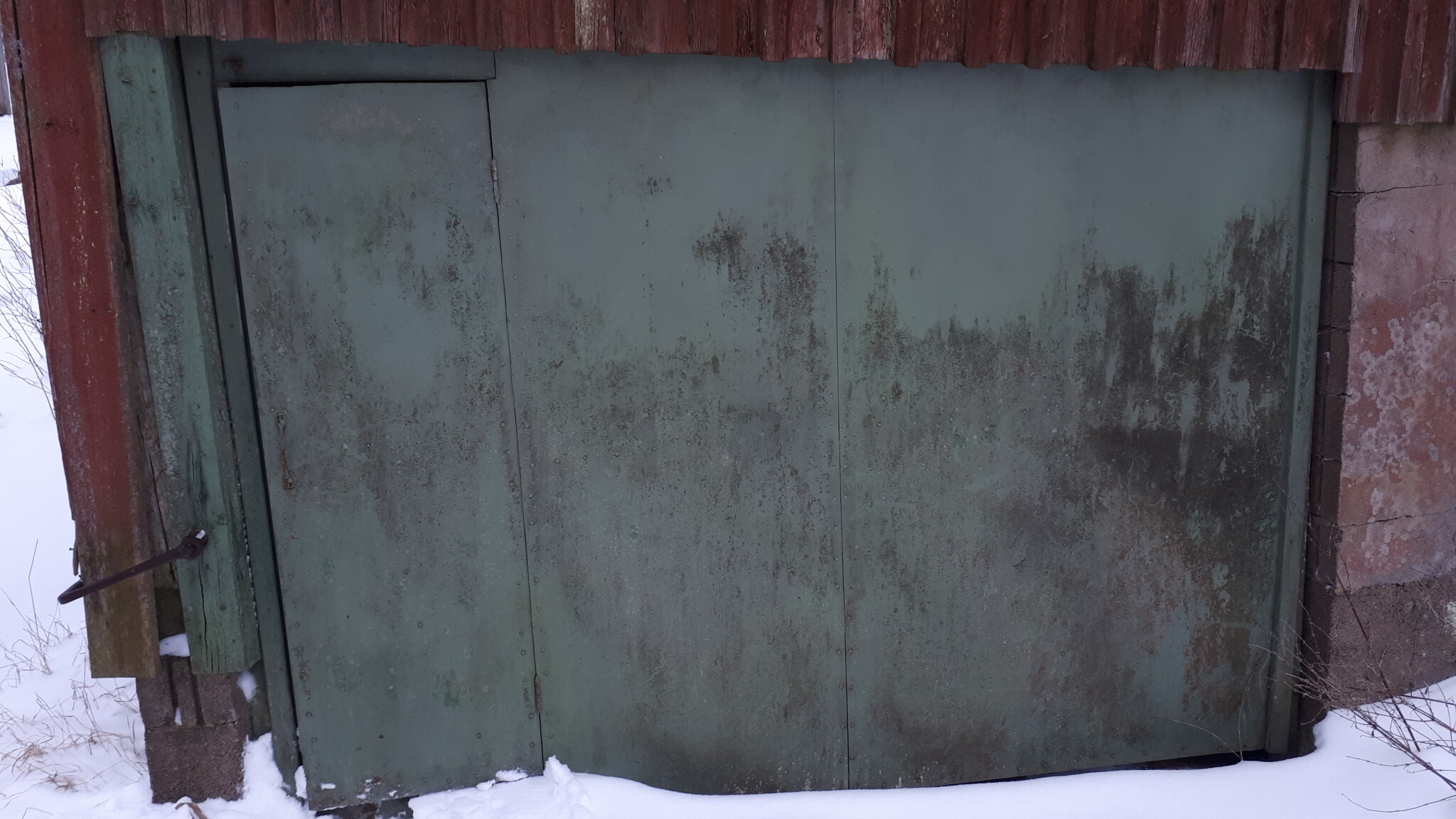

https://byggnadsvard.se/vard-och-underhall-av-masonit/
I happened to see this thread just after I had read this article.
I happened to see this thread just after I had read this article.
“Now I have contacted a professor in building physics at Chalmers and asked him for his thoughts on my construction”R Rodgar Den Frie said:Thank you all for sharing your thoughts and experiences regarding Masonite as an exterior building material.
I'm taking in everything you're sharing and making an overall assessment.
Now I have contacted a professor in building physics at Chalmers and asked him for his thoughts on my construction.
I hope for an answer. If I get a response, I'll naturally share it here so we can continue discussing it together.
Thank you all for now. Please continue to share here. I read everything with great interest.
All the best
Rodgar
When I want building tips, I would rather talk with one or preferably more experienced builders than a professor; for cake recipes, I'd rather ask a cheerful baker than a chemist😀.
Member
· Västernorrland
· 12 062 posts
The thing is not primarily the masonite itself. It's about whether other materials near the masonite never get a chance to dry. That's when problems arise. A freestanding masonite board in the desert might last for hundreds of years, but the same board in a dubious facade on a rain-drenched coast is unlikely to last long. There are many factors at play beyond just the construction itself.
You have now received a lot of answers to your question. All, except for two I think, are unanimous in saying that Masonite is a very poor material for the purpose. But then you contact a professor instead. Would you have contacted the professor if most here had said that Masonite/construction was good? If I had to guess, you wouldn't have!R Rodgar Den Frie said:Thank you all for sharing your thoughts and experiences regarding Masonite as an exterior building material.
I am taking in everything you share and will make an overall assessment.
I have now contacted a professor in building physics at Chalmers and asked him for his thoughts on my construction.
I hope to get a response. If I do, I will of course share it here so we can continue the discussion together.
Thank you all in the meantime. Please continue to share here. I am reading everything with great interest.
All the best,
Rodgar
A professor in building technology is knowledgeable in many areas. He can calculate how your construction, including Masonite, will retain heat, and if there is a risk of convection. BUT, he doesn't have more experience than anyone else on how Masonite handles being outdoors, exposed to rain, wind, and sun.
I just can't understand why you are so incredibly keen on the idea of using Masonite in the wall?
Furthermore, I wonder why you ask when there is only one answer you've decided on.
Thank youA AG A said:You have now received a lot of answers to your question. All, except for two I believe, agree that masonite is a very poor material for the purpose. But then you contact a professor instead. Would you have contacted the professor if most people here had said that masonite/construction was good? If I may guess, you wouldn't have!
A professor in building technology is good at many things. He can calculate how your construction, including masonite, will retain heat, as well as assess the risk of convection. BUT, he doesn't have more experience than anyone else when it comes to how masonite holds up outdoors exposed to rain, wind, and sun.
I just can't understand why you are so incredibly keen on the idea of using masonite in the wall?
Further, I wonder why you ask when there's only one answer you've decided on.
As I said, I'm gathering all the experiences I can get and making an overall assessment of them. I've raised the question in other places where I've also received responses. I think I want to share them here so you also have the opportunity to weigh them into your assessments. I haven't decided on one answer. That notion exists in you. I understand very well that there are a multitude of different variables that affect how an exterior wall functions. Climate, microclimate, thickness, ventilation, and heating, to name a few.
I always have the crowbar as a role model when I construct my houses; as simple as possible to achieve what I want. Below are some guiding principles I strive for:
A) As few types of materials as possible.
B) As few materials as possible.
C) As few junction points as possible.
D) As few work steps as possible.
E) As little of the currency money as possible.
Bye for now...
Hello!R Rodgar Den Frie said:Thanks
As I said, I'm taking in all the experiences I can get and making a summary of them. I have raised the question in other places where I also received answers. I think I want to share them here so you also have the opportunity to weigh them into your assessments. I haven't decided on an answer. That notion is in you. I understand very well that there are a lot of different variables that affect how an exterior wall works. Climate, microclimate, thickness, ventilation, and heating, to name a few.
I always use the lever as a model when I design my houses; as simple as possible to achieve what I want. Below are some keywords I strive for:
A) As few types of materials as possible.
B) As few materials as possible.
C) As few junctions as possible.
D) As few work steps as possible.
E) As little currency money as possible.
Bye for now...
It's tricky to get a house together if you're going to follow those keywords, build a straw house or even easier and cheaper: dig a hole😀
What are you planning to build? If it's a residential small house, I'm skeptical about masonite as a material since there are other reasonably priced materials that are better. If it's a coffee/overnight cabin out in the hunting grounds, why not.
Isn't sustainability of interest to you? I mean, if you choose a type of facade that needs to be redone in a significantly shorter time than another facade. It implies more work and more costs in the long run, as well as more material consumption. All that you, if I understand you correctly, want to avoid.R Rodgar Den Frie said:Thank you
As mentioned, I take in all the experiences I can get and make an assessment of them. I have raised the issue in other places where I have also received responses. I think I want to share them here so you also have the opportunity to weigh them in your evaluations. I have not decided on an answer. That belief is in you. I understand very well that there are a number of different variables that affect how an outer wall functions. Climate, microclimate, thickness, ventilation, and heating, to name a few.
I always have the crowbar as a model when I design my houses; as simple as possible to achieve what I want. Below are some key principles I strive for:
A) As few types of materials as possible.
B) As few materials as possible.
C) As few junction points as possible.
D) As few work steps as possible.
E) As little money as possible.
Goodbye for now...
But that's exactly the question. How well does it hold up?K Krux said:
Existing houses with old masonite facades are living proof that it works. At least under the right conditions (and no, I'm not talking about houses in the desert). Sure, they look terrible, but the cosmetic aspect might not weigh that heavily here(?) But they haven't rotted/mildewed away.
Not that I would build a façade with masonite myself, but what's the evidence that it won't work?
And all those, maybe 3-4, who think it is an interesting choice have experience with the material as a surface covering...A AG A said:You have now received a lot of answers to your question. All, except two, I think, agree that masonite is a very poor material for the purpose. But then you contact a professor instead. Would you have contacted the professor if most people here had said that masonite/construction was good? If I may guess, you wouldn't have!
A professor in building technology is good at many things. He can calculate how your construction, including masonite, will retain heat, and whether there is a risk of convection. BUT, he has no more experience than anyone else on how masonite can withstand being outside and exposed to rain, wind, and sun.
I just can't understand why you are so terribly keen on the idea of using masonite in the wall?
Furthermore, I wonder why you ask when there is only one answer you have decided on.
The others are the usual plastic, MDF, cheap timber builders it seems when the arguments run out.