We need the help of the entire elite this Sunday evening

We live in a brick house built in 1950 in Skåne. The house has a heart wall and two cross walls.

I want to tear down a cross wall that runs from the basement all the way up to the attic.

My idea is to start dismantling it from the top down to the entrance floor.
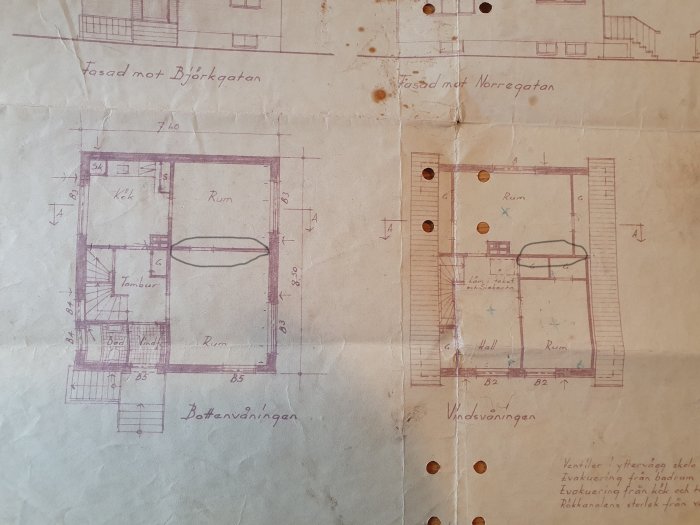
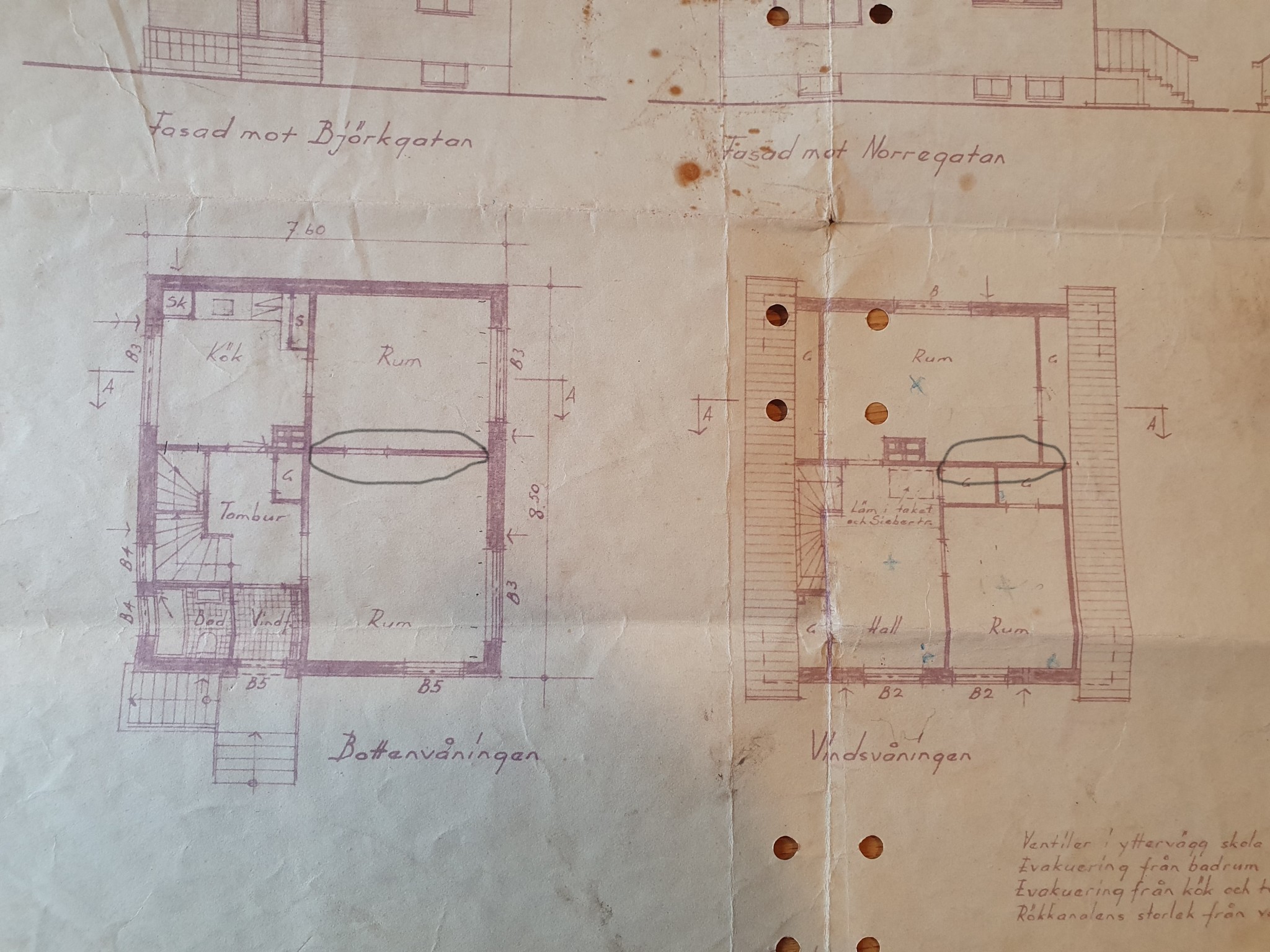
Blueprint of a 1950s Swedish brick house with highlighted cross walls on ground and upper floors, showing corridor and room layouts.
It concerns the two walls that are circled
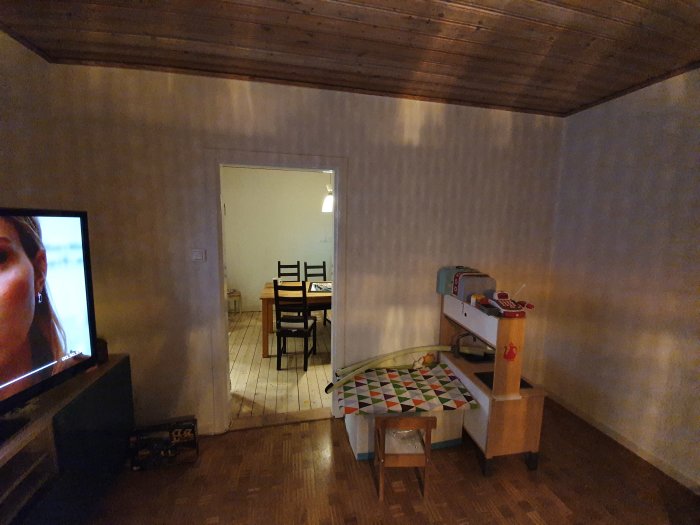
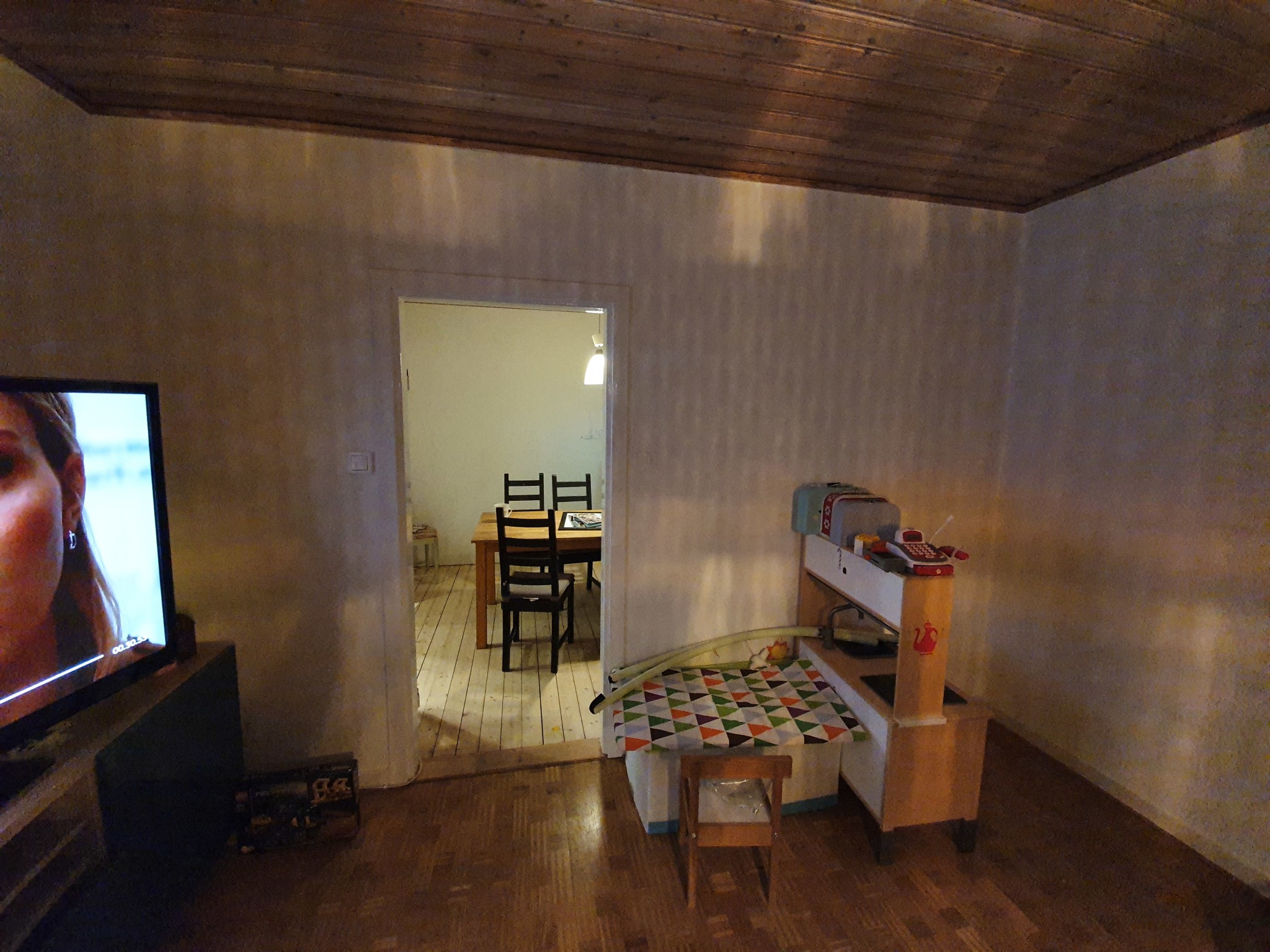
A living room with parquet flooring, a TV on the left showing a woman, a play kitchen with a colorful blanket in the corner, and a view into a dining room.
entrance floor
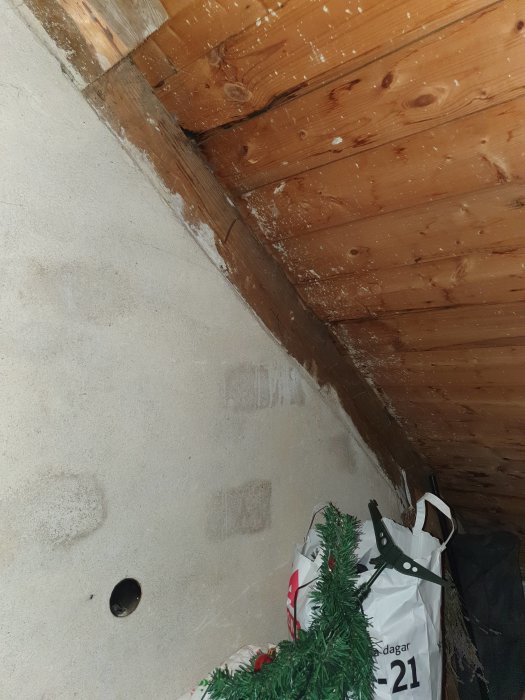
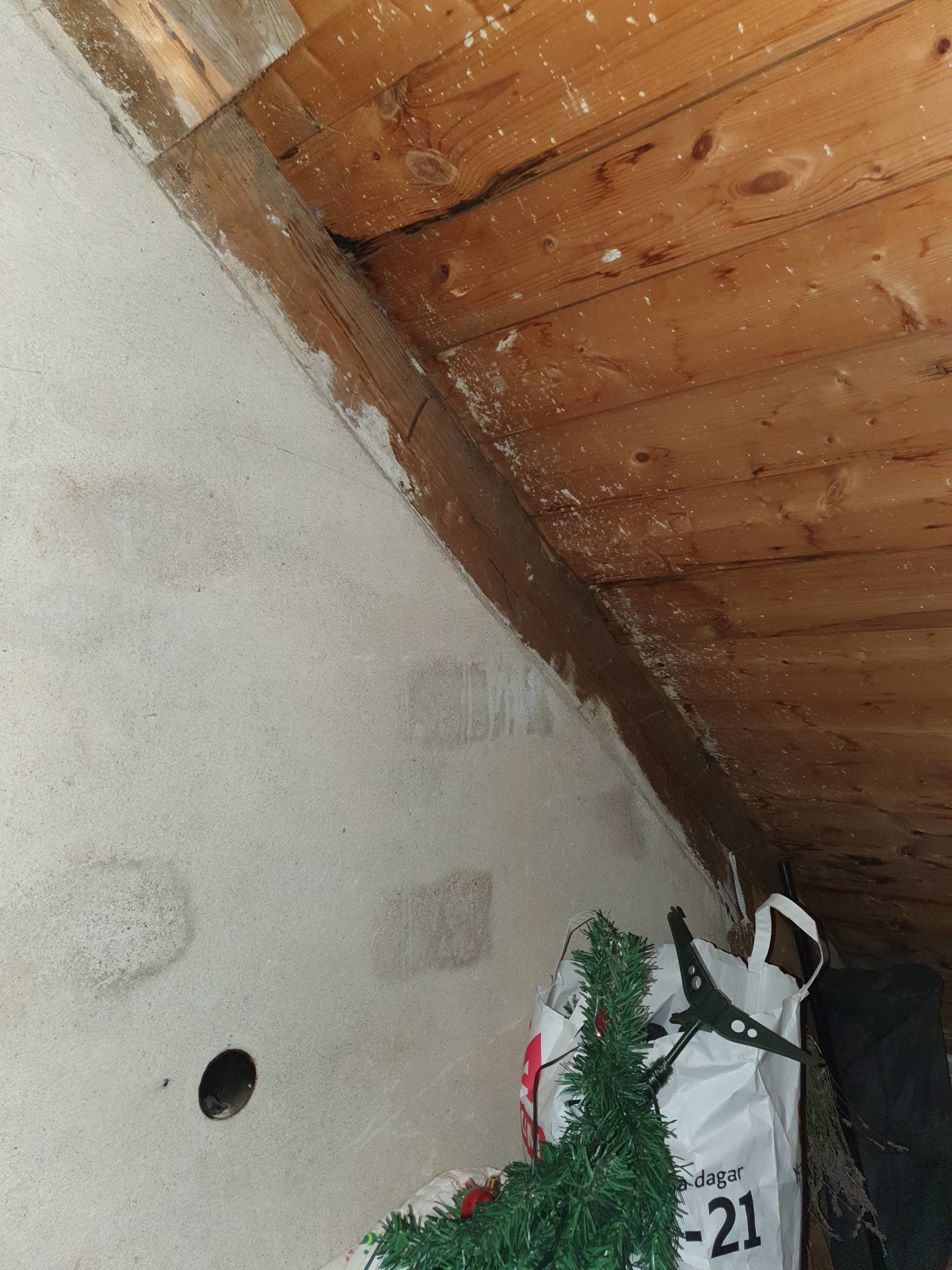
Attic corner with exposed wooden beams and a sloped ceiling; a hole visible in the plaster wall, with storage items nearby.
upper floor
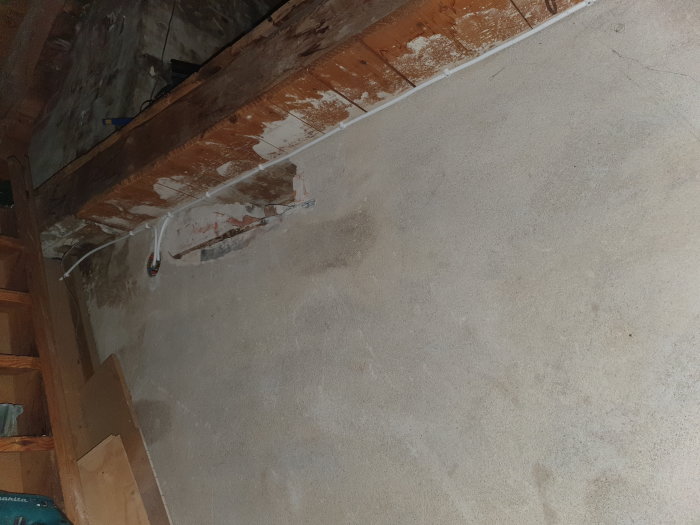
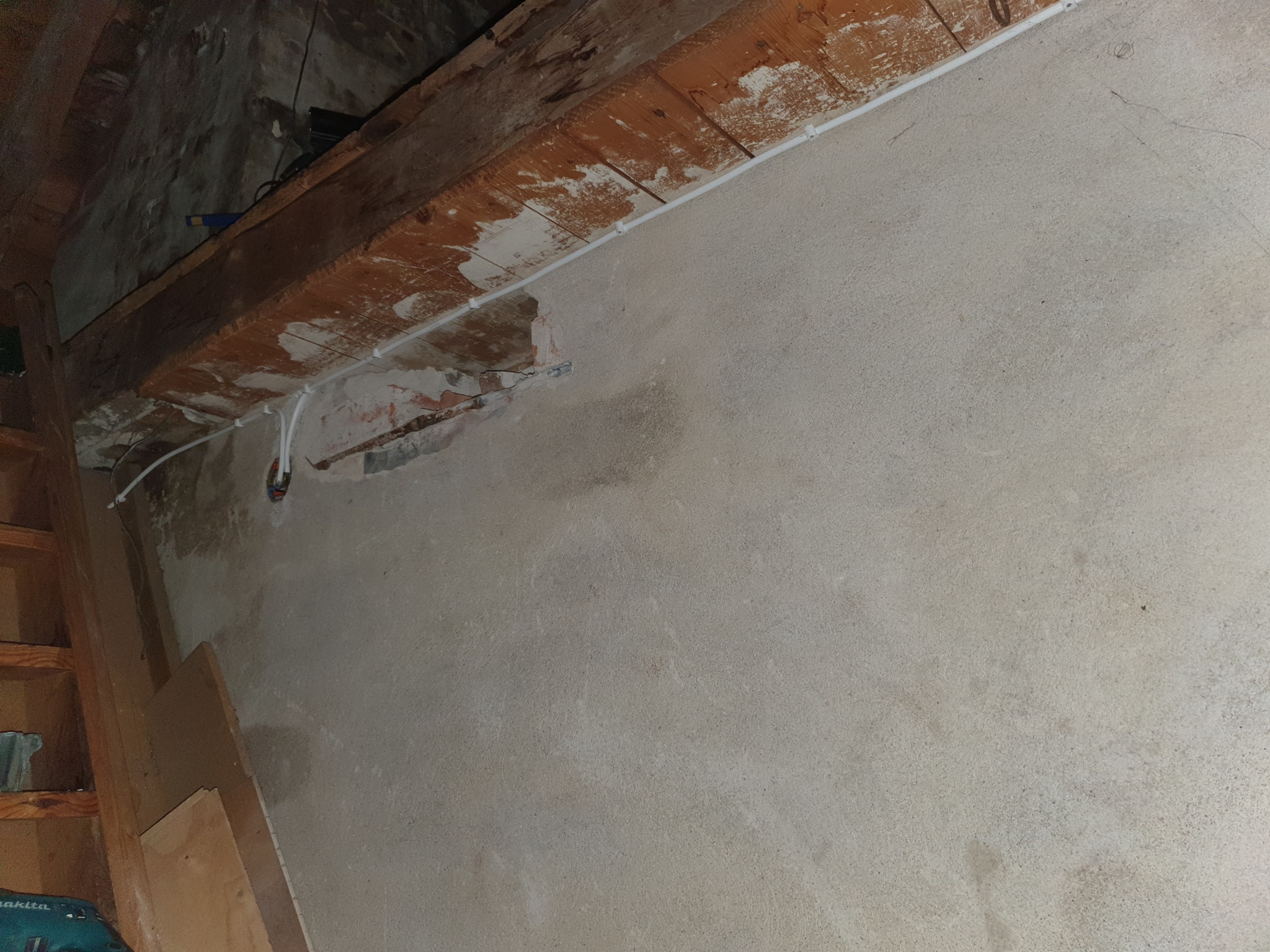
A plastered wall in an attic with visible wooden beams and electrical wiring, part of a renovation project in a 1950s brick house.
attic floor lies on the hanaband
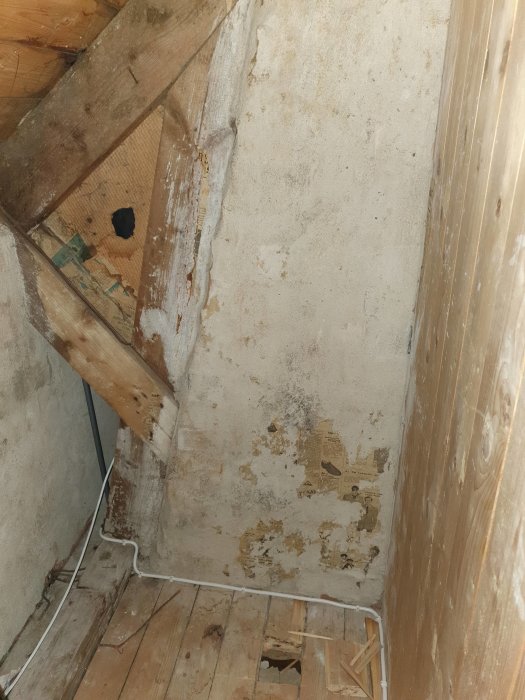
Old angled attic wall with exposed wooden beams, weathered plaster, and vintage newspaper remnants. Electrical wiring runs along the floor.
kattvind on the upper floor

My wife is a little worried that the wall might be load-bearing whereas I say it is not.

The wall is made of hollow brick on the upper floor if that has any significance.

Thanks in advance
 
I agree that it shouldn't be load-bearing, but I would still like to clear up a few question marks. It appears to be a half-brick wall, but the core wall also appears to be one. I find that a bit odd. What does it look like in reality?
 
It is correct that there are half-bricks in all the walls on the entrance and upper floors. In the basement, there are full bricks.
 
You can probably start tearing down the wall. Since it connects to the chimney, it hardly has any stabilizing function either.
 
  • Like
M.Kristensen
  • Laddar…
Thanks for the answers. Now begins the eternal work of damskydda.
 
Click here to reply
Vi vill skicka notiser för ämnen du bevakar och händelser som berör dig.