Yippee!
The wife is on the warpath, now the mexitegel has to go... or does it?
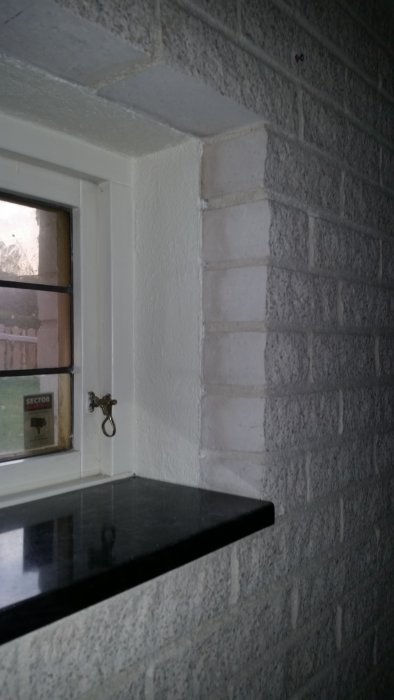
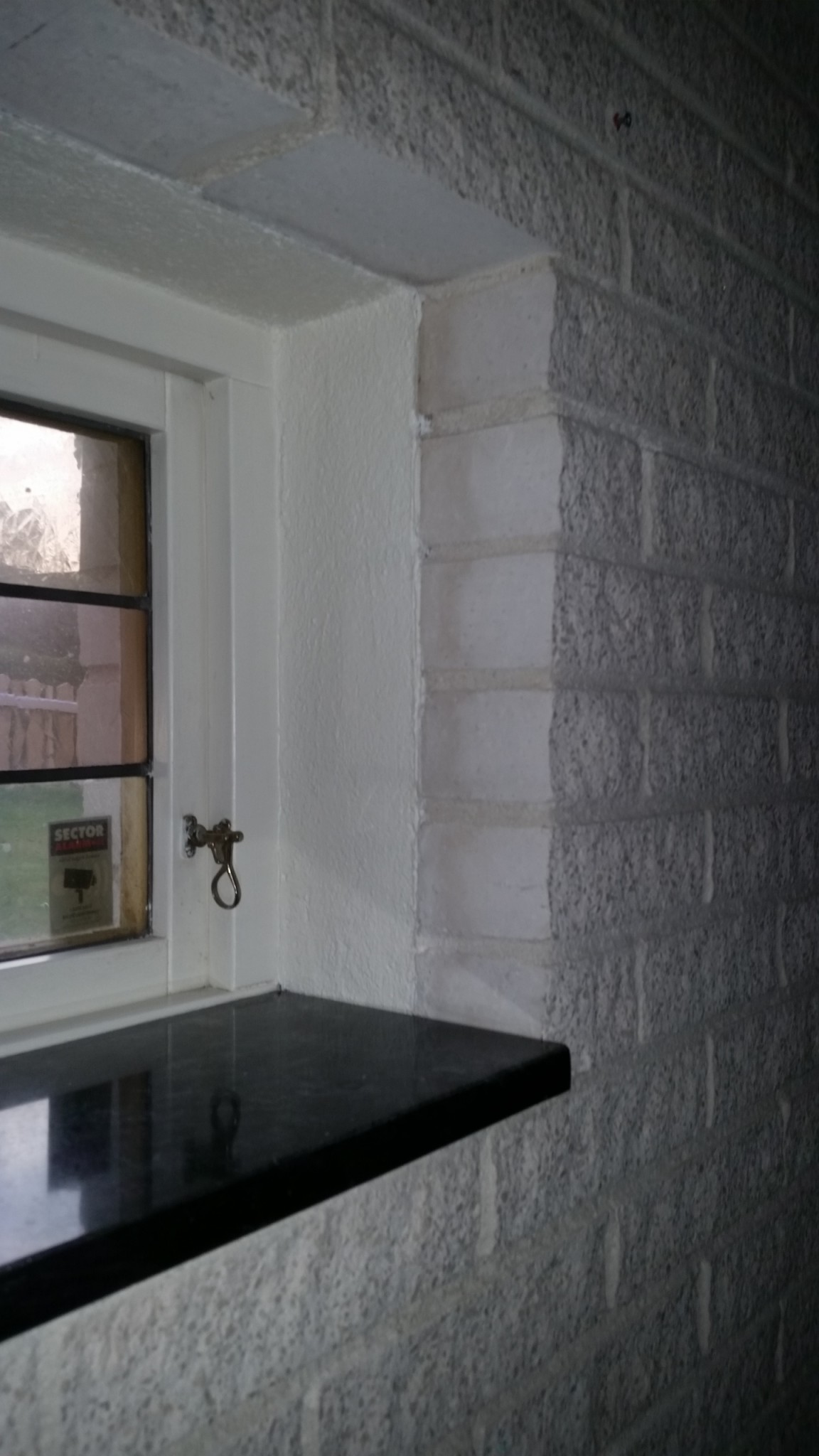
It's a family room in a split-level, i.e., half-buried, that has a mexitegel wall, I guess for decorative purposes.
Actually, I'm afraid that wall is part of the load-bearing structure?
Does anyone know about the building techniques in the '70s, were there inner walls made of mexitegel that were also load-bearing? Or is it just decorative? So I can demolish the brick and build a new inner wall with insulation, wood, and plaster...
There's also a masonry fireplace that we plan to remove and replace with something in a newer design. The chimney is built on the outside of the house, so I'm fairly sure that the masonry stove itself doesn't support the chimney... it will probably be a long construction thread once I get started...
/C
Most of the time, I believe that the mexitegel houses have a load-bearing wooden frame and a facade of mexisten. How do the other exterior walls in the basement look, are they as thick as the wall you want to tear down?
What kind of ceiling is there in the gillestuga? Is the concrete vault visible or is it a suspended ceiling?
Hey, I perceive that the concrete vault is directly visible. The classic transverse stripes on the ceiling that mark the boundaries between the different modules are visible anyway... The ceiling is 30-40cm thick light concrete with smooth round iron as reinforcement. (had to cut off a reinforcement bar when I was installing a cable trunk up to the attic)
Most of the interior walls on the ground floor are 30-40cm thick and built in light concrete. The smaller interior walls are built of 7cm light concrete...
Considering putting the drill in the white edge next to the window to feel how hard that wall is... Should provide some answers...
hmmm, sheet metal stud, moisture-resistant drywall, and non-organic insulation... seems to be the solution based on my search... It makes it easier for wiring etc. in the wall...
There's quite a bit of network and electrical wiring to be installed...
I wonder how many m3 of debris 1 m2 of mexitegel would be... might need to rent a container...
The alternative is to rout channels for all the cables and plaster the wall flat. The question is which is faster and easier... I can't exactly claim to be a master of plastering...
Click here to reply
Vi vill skicka notiser för ämnen du bevakar och händelser som berör dig.




 The ceiling is 30-40cm thick light concrete with smooth round iron as reinforcement. (had to cut off a reinforcement bar when I was installing a cable trunk up to the attic)