
23,373 views ·
109 replies
23k views
109 replies
Croatia - Structural engineer requires 23cm casting against existing interior wall
Sure, there is probably someone who knows what applies even for active earthquake zones.Farstatjej90 said:
Or should you always build according to your own ideas and disregard the regulations.
But seriously, most countries within active earthquake zones have thought through their building regulations, and in Croatia specifically, the risk of major earthquakes is lower.
Experience building in earthquake zones since the hunters and gatherers settled down.P paralun said:Surely there is someone who knows what applies even for active earthquake zones.
Or should one always build according to one's own ideas and disregard the rules?
But seriously, most countries in active earthquake zones have reconsidered their building regulations, since in particular, Croatia has a lower risk for major earthquakes.
But wait - Sweden has an idea 😂
Earthquakes are not particularly considered when building houses in Croatia, Bosnia, Serbia, or the rest of the Balkans, so you can drop that discussion. If you want to build with that in mind, nothing is stopping you, just contact a civil engineering firm.
Otherwise, Byggahus is usually very quick to point out that various things can't be used in Sweden because it all depends on local conditions in air, soil, and sea. But in this case, it doesn't matter.MrJay said:
I believe that if something has stood for 300 years, you need strong evidence before criticizing the construction.
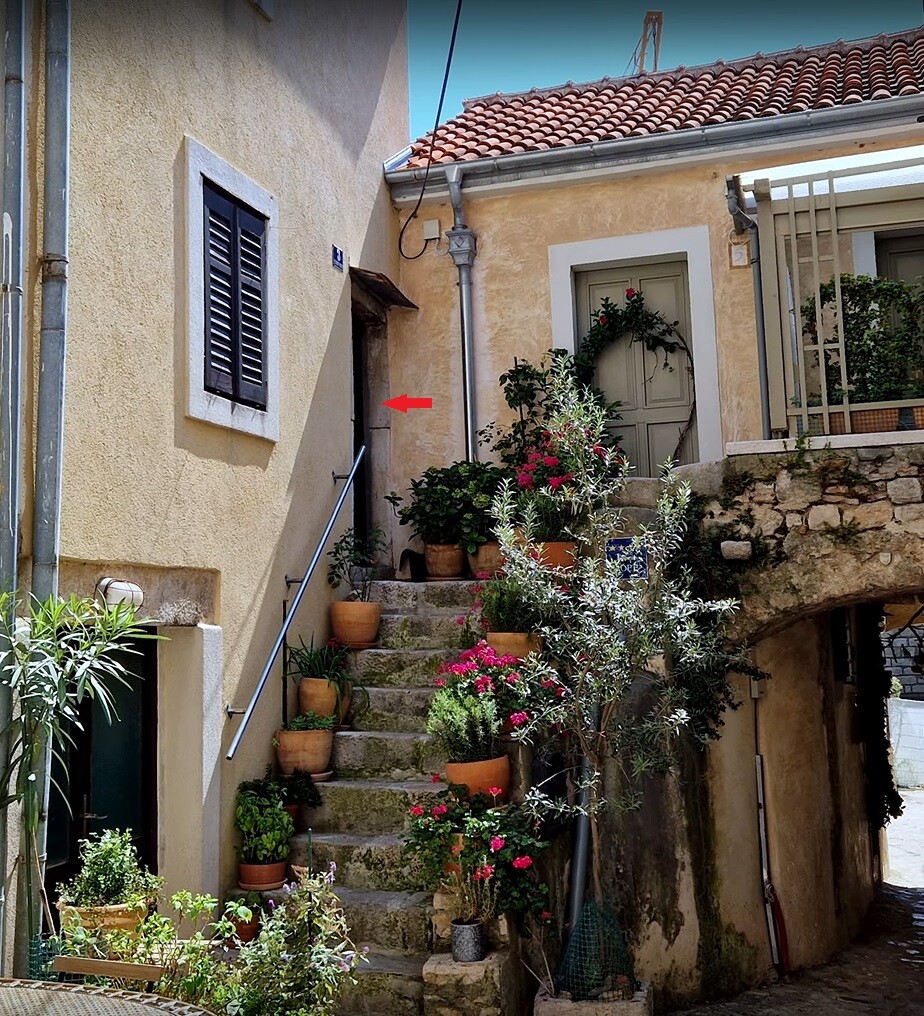
What a beautiful place you have 🤩
Another option might have been to let a blacksmith put up steel columns, and some steel beams that can be cast between the floors.🤷🏼
Another option might have been to let a blacksmith put up steel columns, and some steel beams that can be cast between the floors.🤷🏼
Only the experts in Croatia know that. I can imagine there are regulations for both new constructions and renovations to withstand an earthquake.
Google responded in a few milliseconds when asking about Krk.
https://www.croatiaweek.com/croatian-island-of-krk-hit-with-4-8-earthquake/
From what I can see, they have new regulations since 2021 for buildings damaged by earthquakes (see https://mpgi.gov.hr/vijesti-8/od-da...vila-o-obnovi-zgrada-ostecenih-potresom/14110) in certain areas. The building law doesn't say much; I just find a short section that one should consider earthquake protection when renovating buildings (not houses)*P paralun said:
* Članak 47.a (6) - https://www.zakon.hr/z/690/Zakon-o-gradnji
But, as always - consult with a local building engineer.
Credit to Google's AI Bard who found this quickly when I asked:From what I can see, they have a new regulation since 2021 that applies to buildings damaged by seismic activity (see [link]) in certain areas. The Building Law doesn't say much; I only find a short paragraph about considering seismic protection when renovating buildings (not houses)*
* Članak 47.a (6) - [link]
But, as always - consult with a local structural engineer
Seismic Risk of Croatian Cities Based on Building’s Vulnerability
https://hrcak.srce.hr/file/300935
It also provided several other sources regarding construction regulations. Just ask if you are curious. But the article was good!
Yes, a local structural engineer is a requirement in this case. The building permit will not be approved without his list of requirements being integrated into the project. Interestingly, the measures he demands must then be reviewed and approved by another independent structural engineer. So they seem to take it seriously, which is reassuring. But we believe there are different ways to do this and we would like to avoid building a house within the house. As mentioned earlier, I'm now leaning towards either making new openings for new wooden joists or saving 20 cm stubs of the existing beams and then placing new ones on top.
I will speak with them and see if it's possible. We will not have access to a construction crane, so everything will have to be carried by hand, so weight might be an issue. I assume such a steel beam weighs quite a bit.T Timmermannen77 said:
Have you considered a steel structure instead of concrete pillars? It ought to be sleeker and relatively easy to install instead of casting concrete pillars. If they are prepared correctly, you can bolt load-bearing wooden beams to them and then lay the floor on top.


How large are the joists to be built? Length and width of the rooms where the joists will be?