
6,165 views ·
16 replies
6k views
16 replies
Concrete expander in lightweight concrete?

Smart alek
· östergötland
· 2 816 posts
No, not in aerated concrete. I would probably have used a larger plywood board on aerated concrete and some sturdy wood screws for the tool.

Thank you very much for the answers!
Used these when installing a fire escape ladder on our aerated concrete wall, which worked well. However, it is not under frequent load!
Check what the manufacturer recommends for the minimum distance between screws.
https://www.proffsmagasinet.se/mask...tx30-lattbetongskruv-80x130mm-50-pack-1530081
An alternative is to screw two battens to the wall that rest on the floor to transfer the load down to the floor.
Check what the manufacturer recommends for the minimum distance between screws.
https://www.proffsmagasinet.se/mask...tx30-lattbetongskruv-80x130mm-50-pack-1530081
An alternative is to screw two battens to the wall that rest on the floor to transfer the load down to the floor.
Thanks, I'll inquire about what's recommended.H halj said:Used these when I installed a fire escape ladder on our aerated concrete wall, which worked well. However, it's not frequently loaded!
Check what the manufacturer recommends for the minimum distance between the screws.
[link]
An alternative is to screw two beams to the wall that stand on the floor to transfer the load down to the floor.
What does the mount for your chin-up bar look like?
Chin-ups in aerated concrete will require you to spread the load if the attachment points are too close. Regardless of the magical screw and plug you find, the moment for the attachment will probably be greater than what aerated concrete can handle (if I presumptuously assume you have a Swedish average weight...) if the mount is more suited for attachment in a stud frame or concrete.
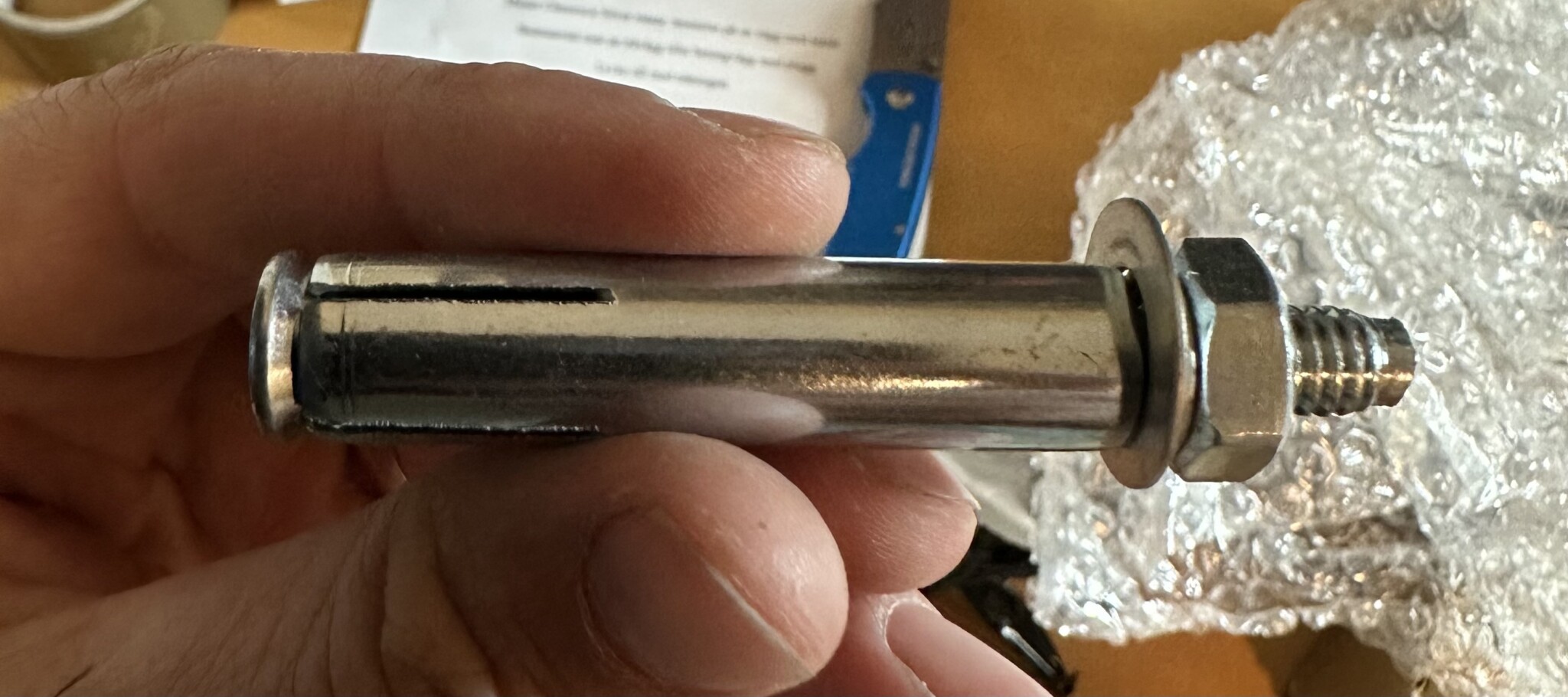
Otherwise, my general favorite in aerated concrete is ESSVE's plug according to the picture, but it doesn't have superhuman abilities concerning the weakness of aerated concrete, which is often the tensile loads directly out from the attachment.

Chin-ups in aerated concrete will require you to spread the load if the attachment points are too close. Regardless of the magical screw and plug you find, the moment for the attachment will probably be greater than what aerated concrete can handle (if I presumptuously assume you have a Swedish average weight...) if the mount is more suited for attachment in a stud frame or concrete.
Otherwise, my general favorite in aerated concrete is ESSVE's plug according to the picture, but it doesn't have superhuman abilities concerning the weakness of aerated concrete, which is often the tensile loads directly out from the attachment.
HiM myrstack said:What does the mount look like for your chin-up bar?
Chin-ups in lightweight concrete will require you to distribute the load if the mounting points are too close. Regardless of what magical screw and plug you find, the moment for the mounting will probably be greater than what the lightweight concrete can handle (if I prejudicedly assume you have the Swedish average weight...) if the mount is more adapted for attachment in a frame structure or in concrete.
My general favorite otherwise in lightweight concrete is ESSVE's plug as per the image, but it doesn't have superhuman abilities regarding the weakness of lightweight concrete, which is often tensile loads directly out from the mounting.
[bild]
This is how the mounts look, there are 2 8mm holes.
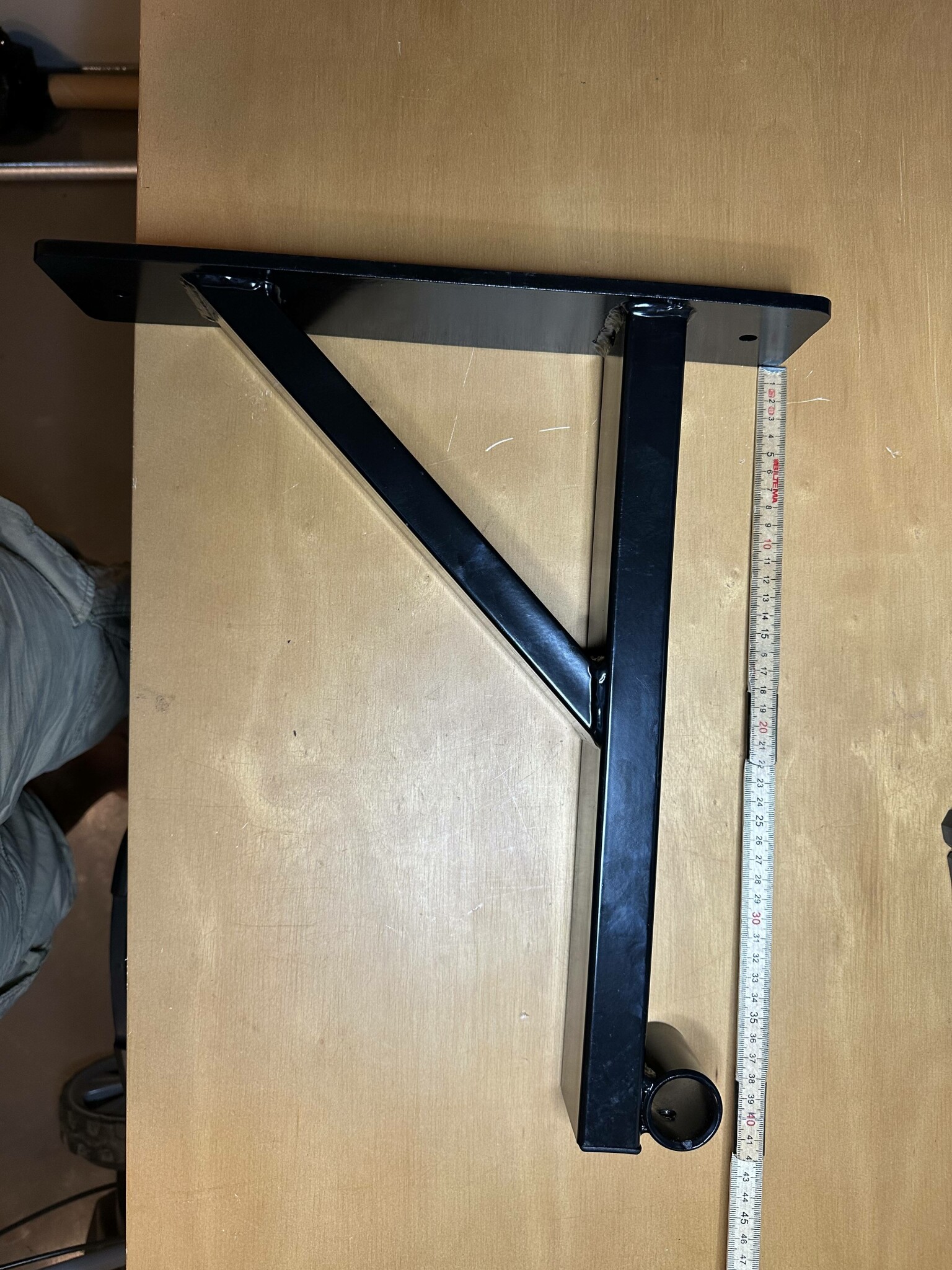
A rule behind would have made me feel more secure as it would have provided more attachment points to the lightweight concrete and allowed for a greater distance between the attachment points, but no one remembers a coward 
jokes aside, if you go for this, take it easy at first, skip those two 25s dangling from the waist belt, and if you were thinking of doing crossfit-style chin-ups, think about better anchoring first.
jokes aside, if you go for this, take it easy at first, skip those two 25s dangling from the waist belt, and if you were thinking of doing crossfit-style chin-ups, think about better anchoring first.
You mean a horizontal rule behind attached to the wall and then through holes to attach the holders directly to the road?M myrstack said:A rule behind would have made me feel safer, as it would mean more attachment points to the light concrete and have a larger distance between the attachment points, but no one remembers a coward
Joking aside, if you go through with this, take it easy at first, skip those two 25-pound weights hanging from the waist belt, and if you were thinking of chin-ups a la crossfit, think about better attachment first
This coward, on the other hand, would never forget it if one suddenly tears down the whole thing because they were too lazy to do it properly
A vertical beam on each side. If you use something like 45x120 or similar with the narrow part against your mount, you have 120mm of solid wood to drive the two screws you have on each side and avoid worrying about this. Thinner wood might work too, but then you start getting thinner material for your wood screws. Then I might have made the wall mount up to a meter high with at least 4 anchor points where either the type of plug I recommended before or the longer version someone else mentioned would work. The chin-up mount roughly in the middle or on the lower half so you have a large lever arm against the forces that might pull the mount perpendicular to the wall.H Hedgehog_in_hat said: