Well, here I am in a situation I've really tried to avoid...
I've hired a carpenter to build a deck and a well-insulated, airtight sunroom because I didn't think I had enough knowledge to take on such a big project myself. The carpenter has mostly worked alone but occasionally hired another (retired) carpenter for certain tasks.
Now the job is nearing completion, and I've discovered several errors that need to be addressed. I believe I have the legal aspects under control, but I need guidance on the construction issues about what I shouldn't accept.
There are 4 main problems with the construction at the moment:
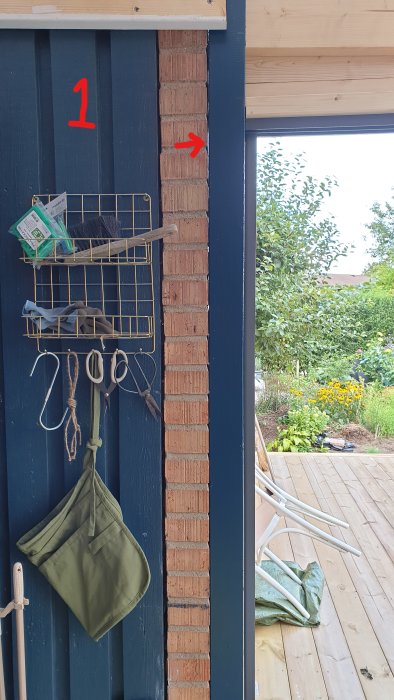
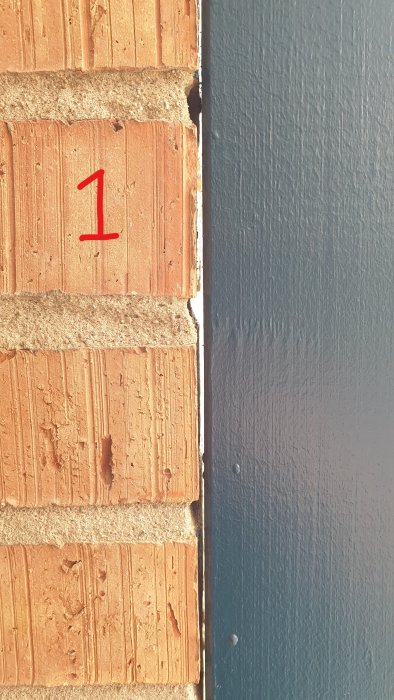
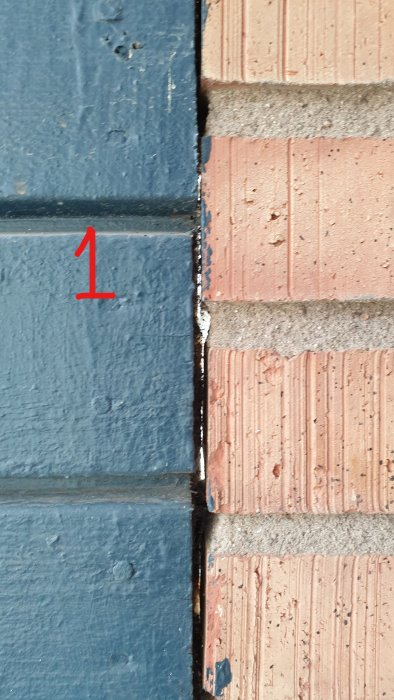
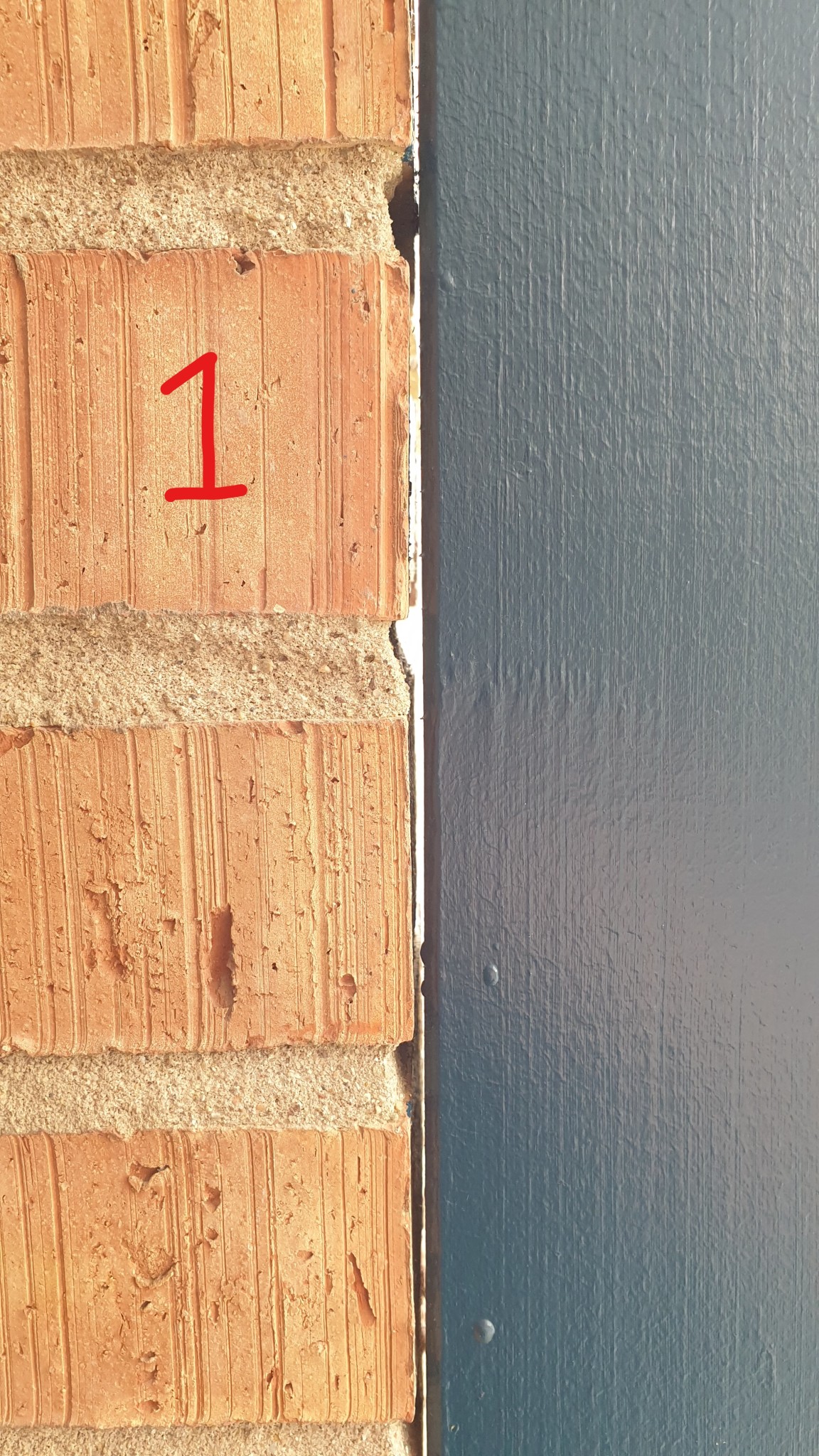
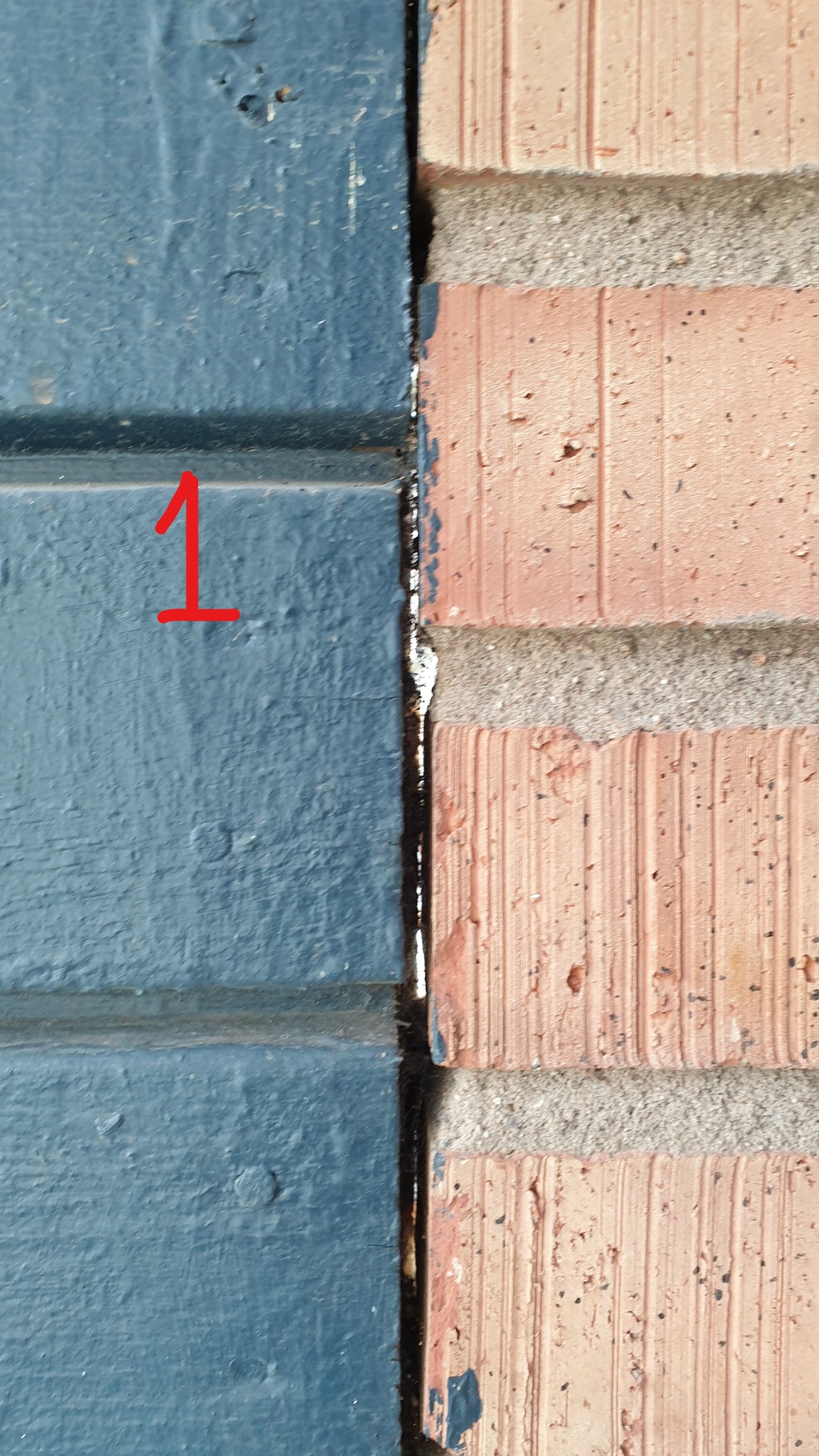
1) The carpenter has neglected to seal/caulk between the brick facade and the wood in 2 places. This results in open gaps where thermal bridges will form, and moisture will penetrate in the winter. It would have been incredibly easy to do during installation, but it's impossible to get it completely sealed now afterward because the gap is too narrow to fit any reasonable sealing into. In that case, I might have to sit and insert stone wool or window filler with a toothpick before applying caulk, and that's still a poor solution.
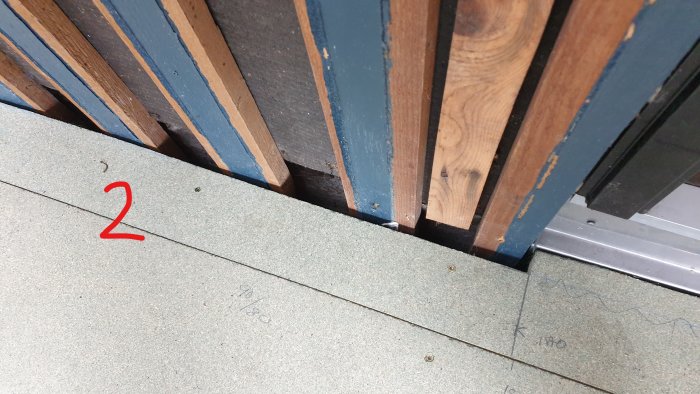
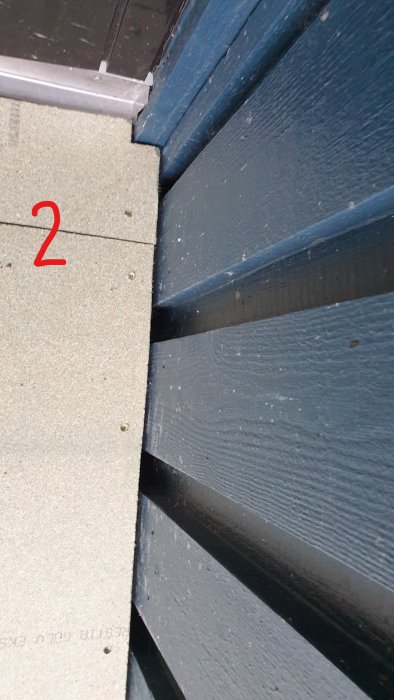
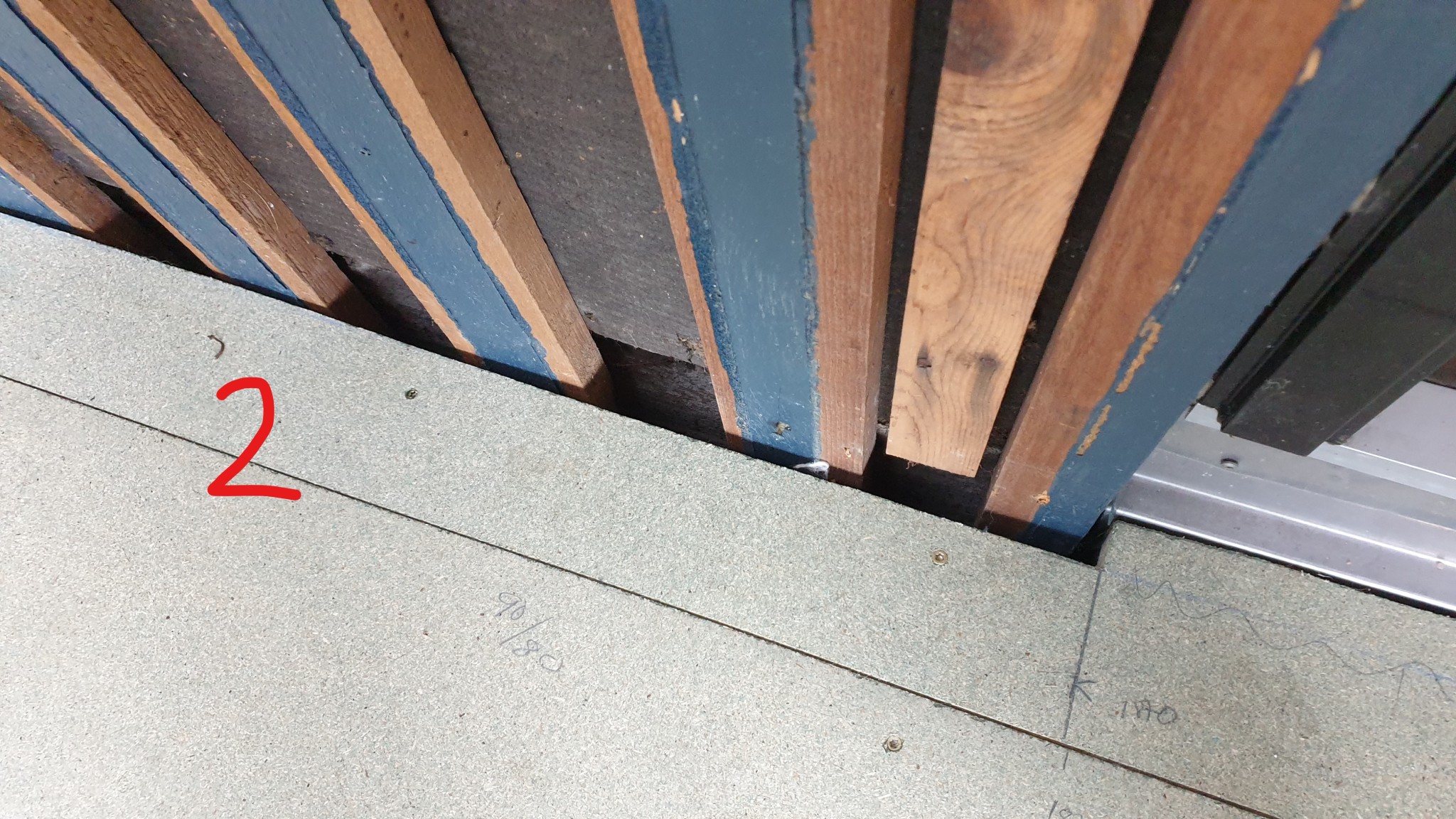
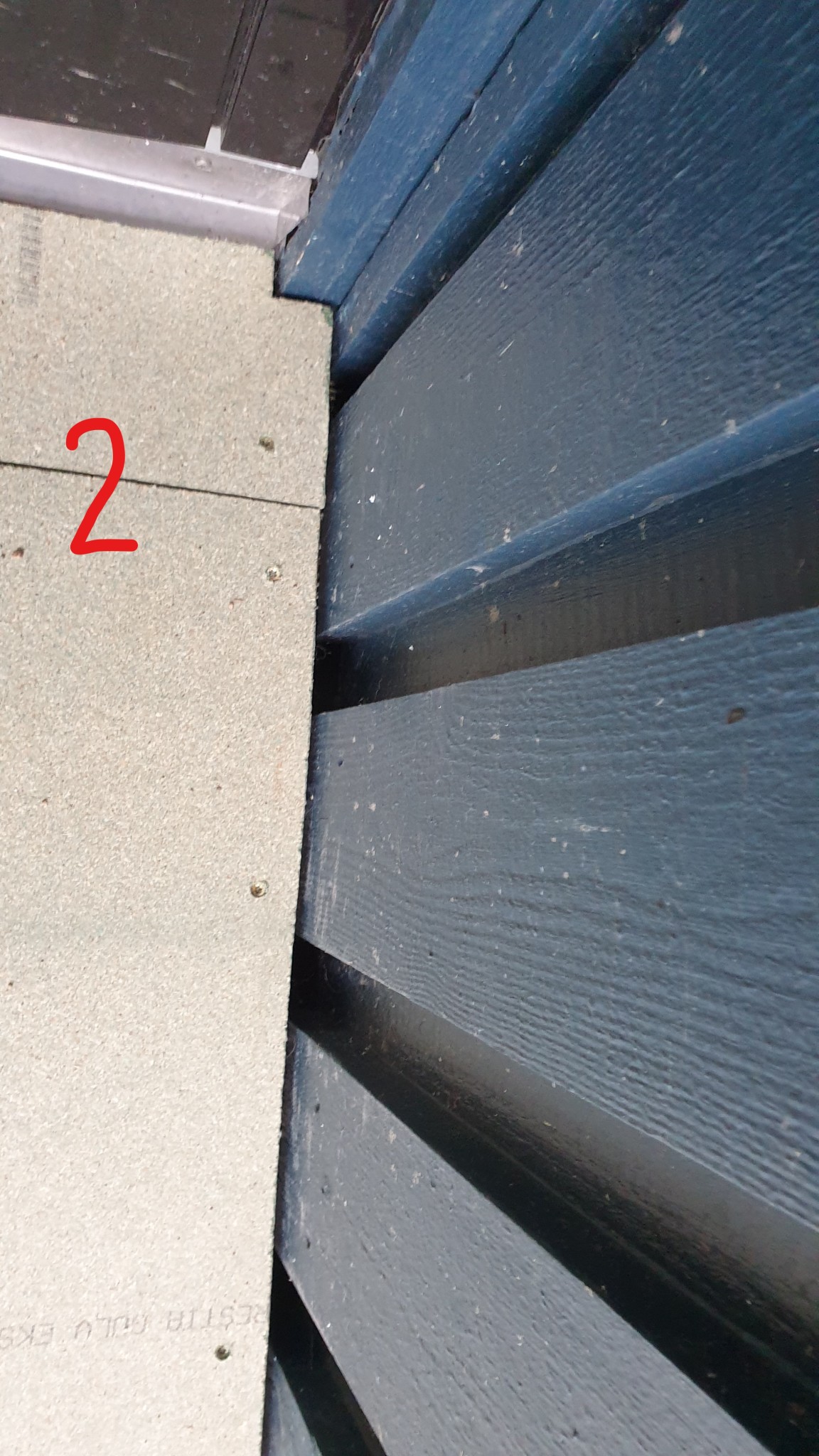
2) Instead of cutting off the facade panel boards and placing the floor construction flush against the facade, the carpenter placed the beam outside the facade boards. This means there's a 10x4cm hole between each board directly down to the gravel, another thermal bridge where moisture and cold air will penetrate.
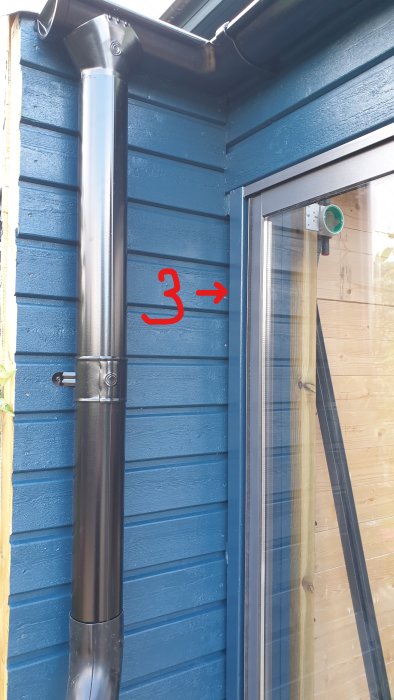
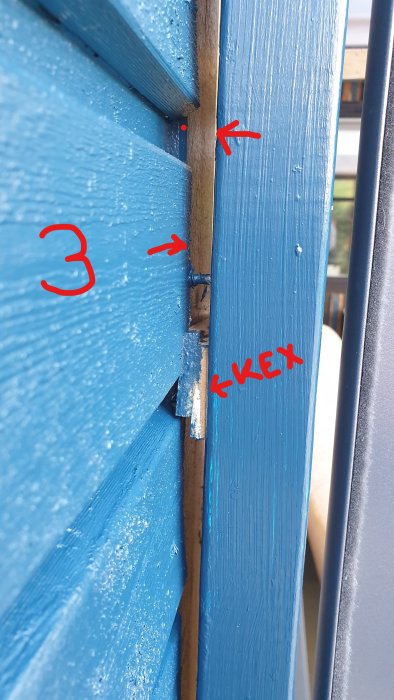
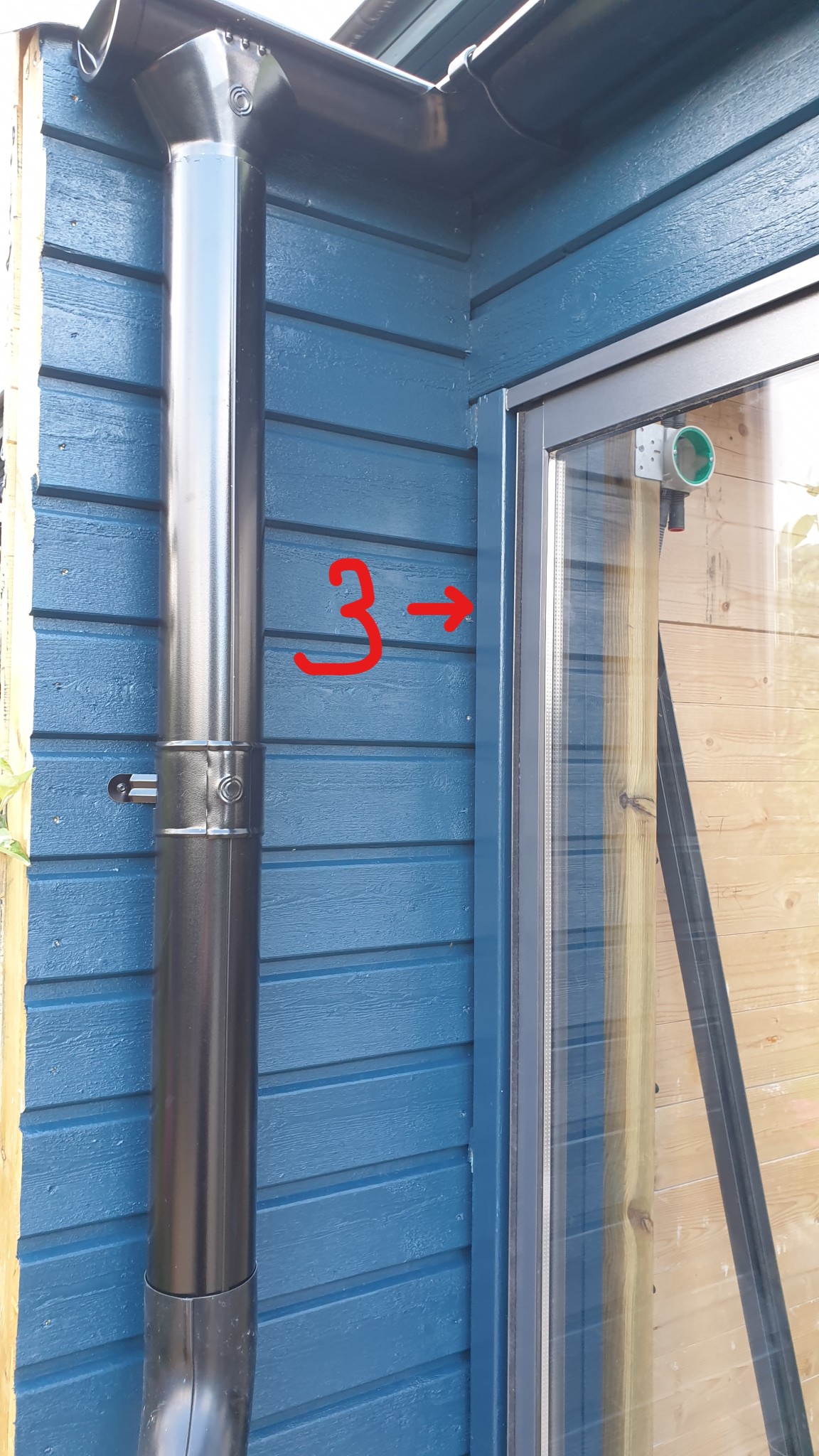
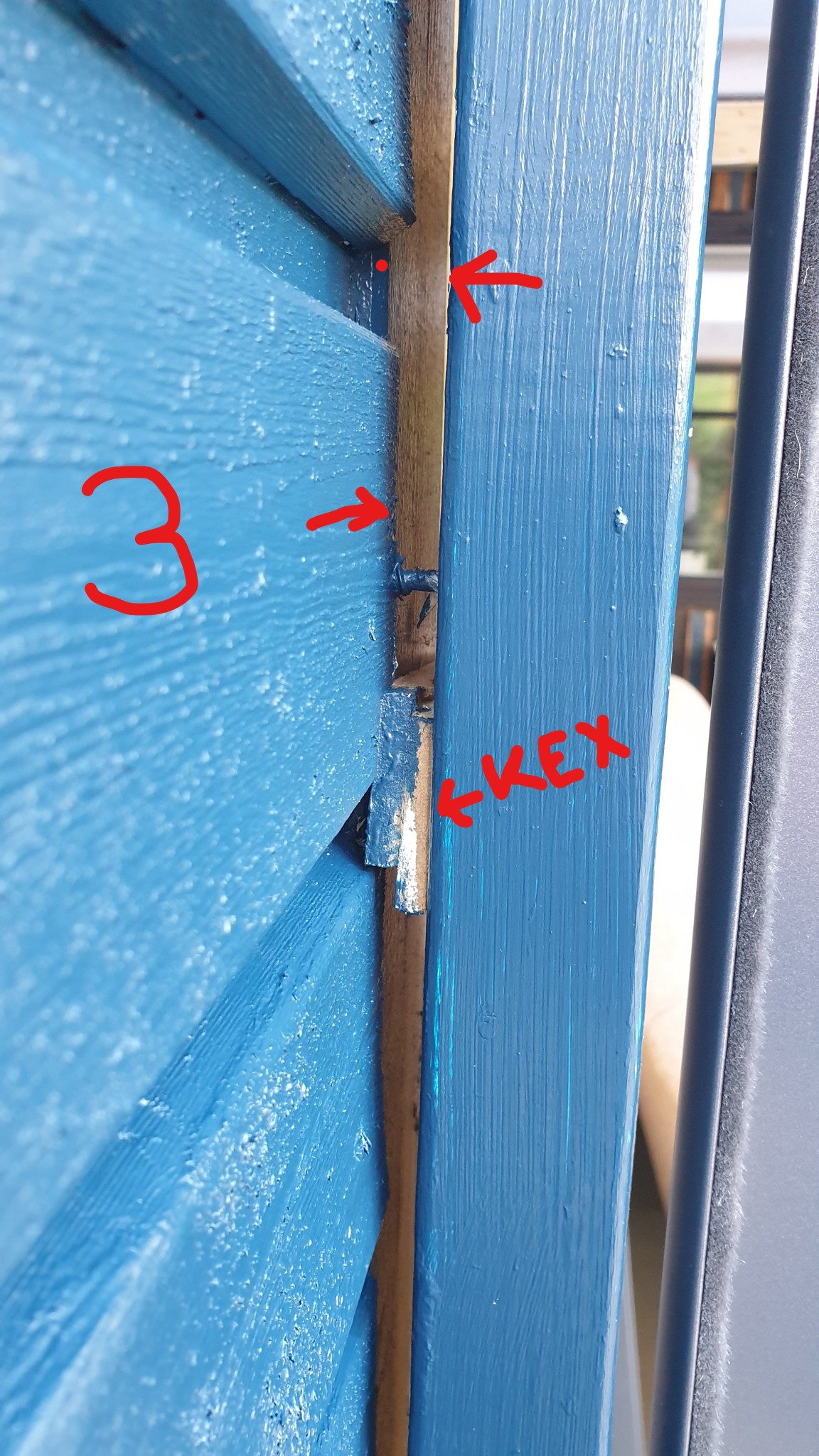
3) At one of the sliding door sections, a few cm of wall measurement were missing because they placed a post further into the wall than I had calculated. This should have been easily solved by getting and cutting a suitable board to the right size, but instead, they've taken a too-narrow board and just put thin "biscuits" in the gap, so there's a longitudinal gap of 2-3cm along the entire edge. I have absolutely no idea how he intended to solve this so that it becomes neat and tight.
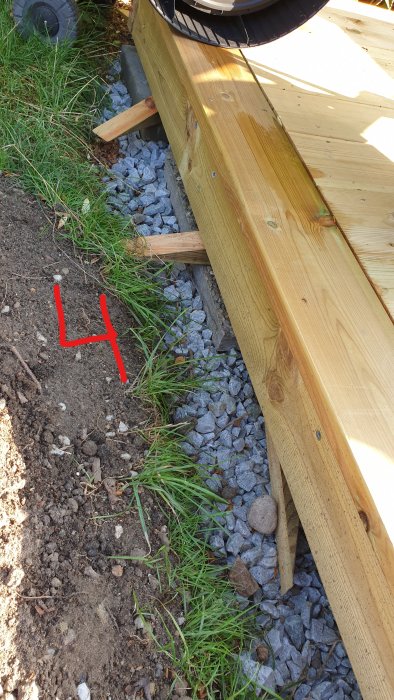
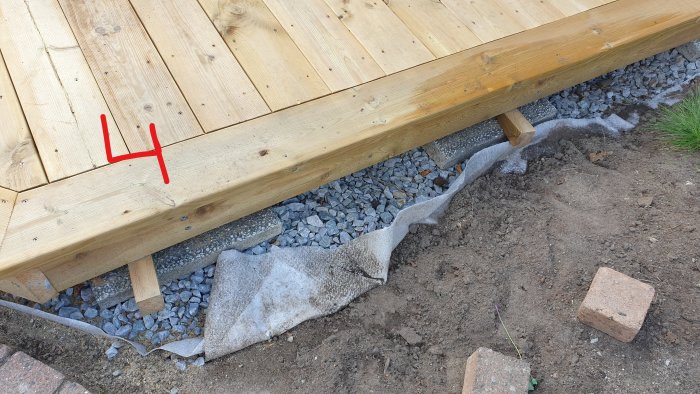
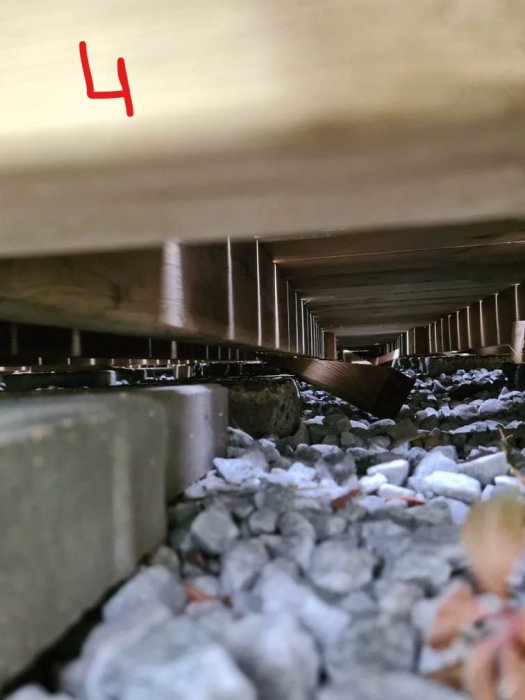
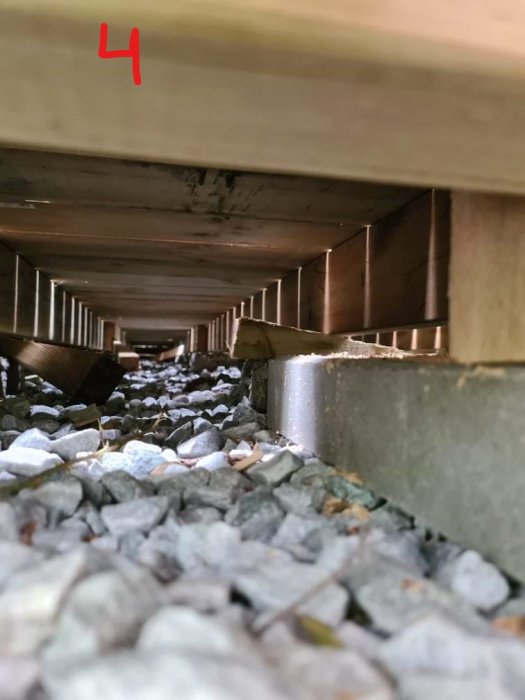
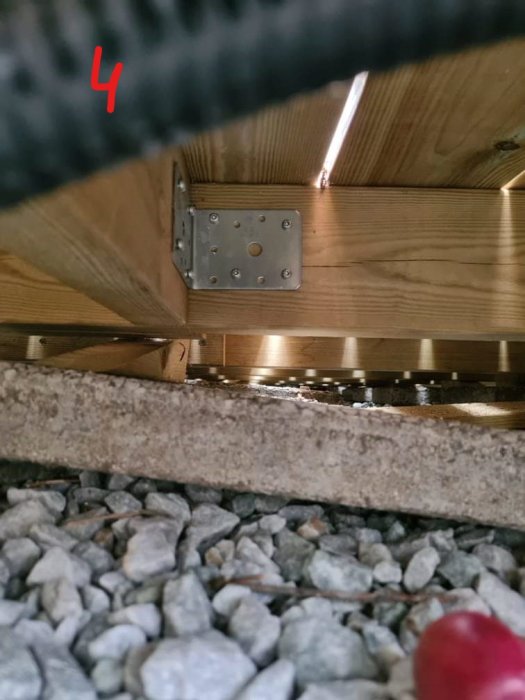
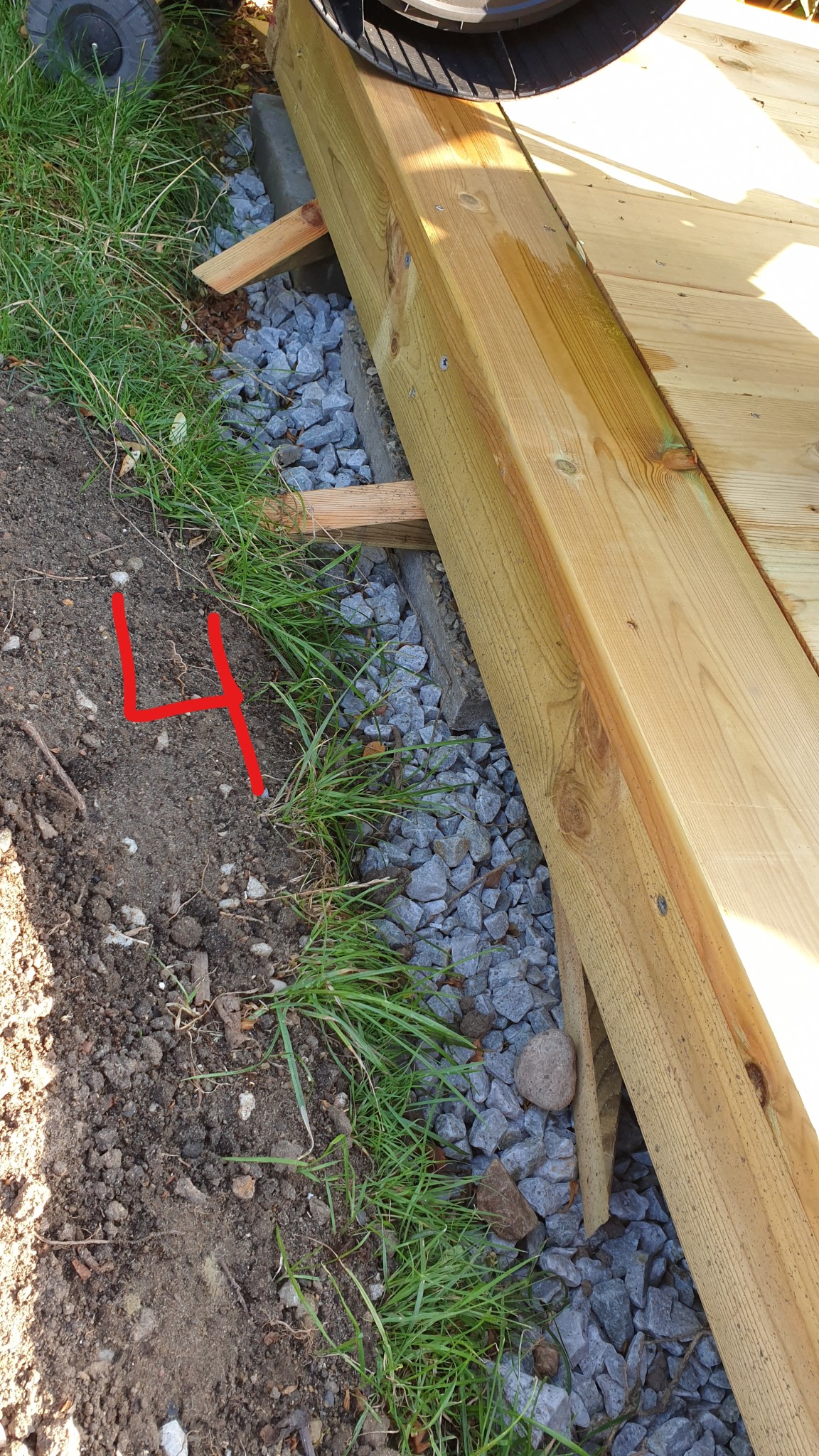
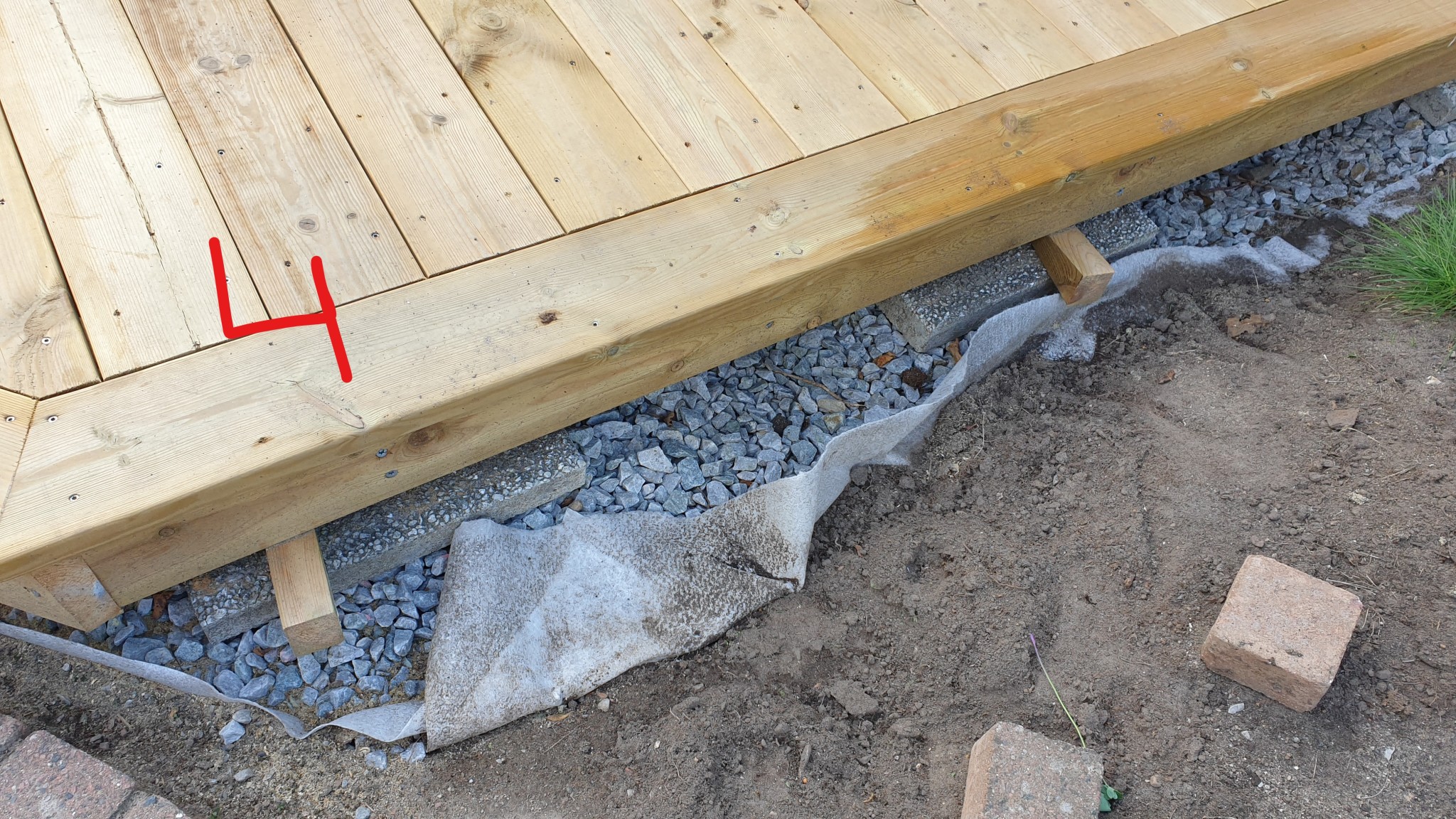
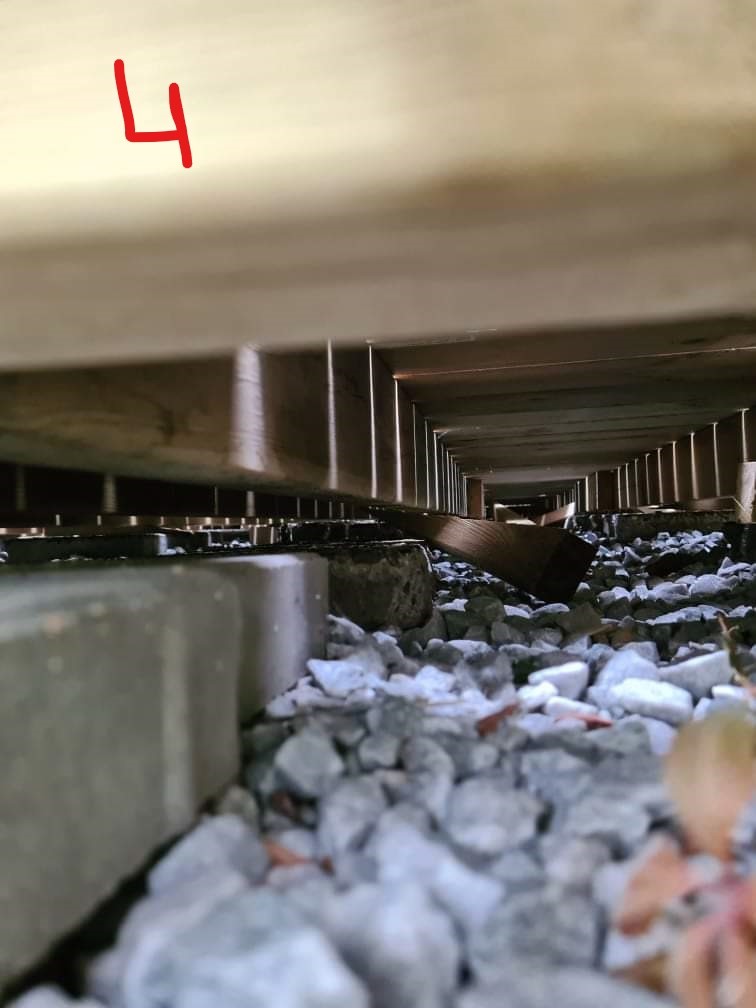
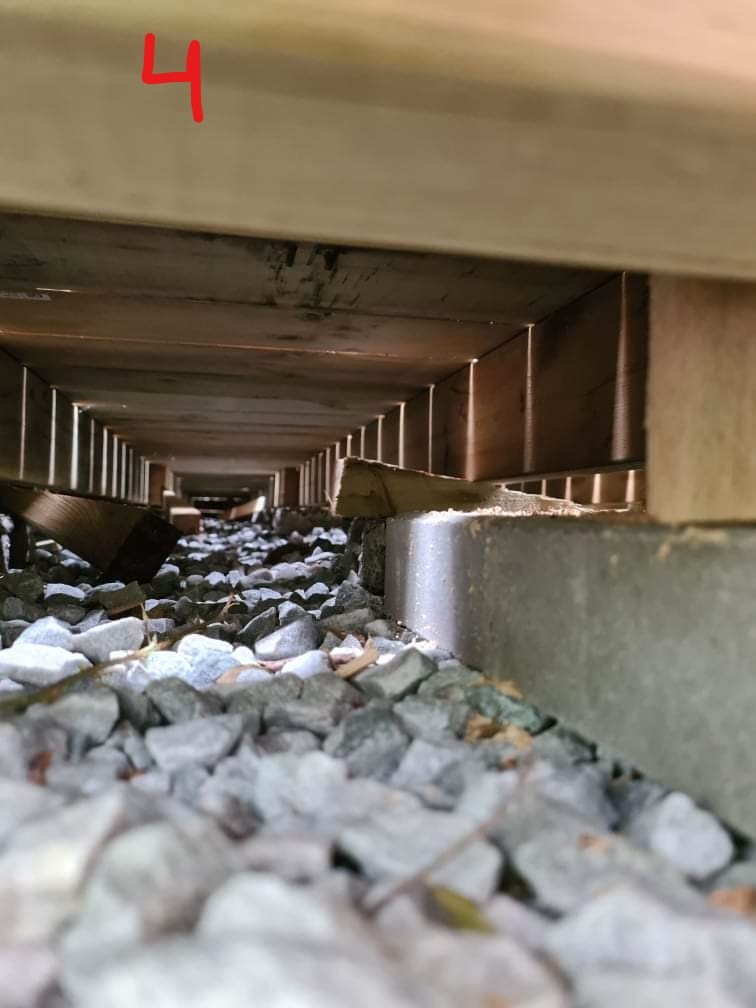
4) The deck floor he has built has now been in place for 2 weeks, and it sags significantly in certain areas. Instead of using plastic shims, he has cut his own wooden shims and placed them underneath as some sort of height adjustment. Now several of these shims are loose, crooked, or have fallen off, and there are probably at least 30 more shims in the same condition that can't be seen. Additionally, when I look under the deck, I see that some of the stone slabs are crooked themselves, see the last picture. This is probably the biggest problem because I actually don't see how he can fix this without tearing up the entire floor and redoing it. Besides all the above, he also didn't put tar paper between the wood and the stone slabs, even though I specifically requested it. From what I understand, this will also affect the longevity of the wood if all the boards are drilled up and then put back because the drill holes become larger and let in moisture? Is that correct?
It should be said that this is in no way undeclared work, but it's a substantial amount that has been agreed upon, and it's a carpenter with, to my knowledge, a good reputation and over 40 years of experience (he's near retirement). This is precisely why I chose him, as I felt uncertain myself and wanted to make sure it was done properly, even if it cost more. I haven't paid yet because he still has things to finish, but I honestly don't see how he can fix these things smoothly and correctly.
So...how bad is this? Is any of this acceptable from a construction standpoint? What measures should I demand to get it right? The end result (which I have explicitly ordered) is a well-insulated, airtight, and frost-free sunroom. Drywall is also supposed to be installed on the inside (also by the carpenter), so I can't for the life of me understand how he thinks leaving gaps in the construction is acceptable.
Well, here I am in a situation I've really tried to avoid...
I hired a carpenter to build a deck and a well-insulated and tight conservatory, as I didn't feel I had enough knowledge to take on such a large project myself. The carpenter has mostly worked alone but occasionally hired in another (retired) carpenter for certain tasks.
Now the job is nearing completion, and I've discovered several mistakes that need to be addressed. I think I have a full handle on the legal aspects, but I could use some guidance on the technical construction aspects regarding what I shouldn't accept.
There are 4 overarching problems with the build currently:
1) The carpenter has failed to seal/caulk between the brick facade and the wood in 2 places. This results in open gaps where cold bridges will be created and moisture will penetrate in winter. It would have been incredibly easy to do when installing, but it's impossible to get completely sealed now afterward because the gap is too narrow for any practical sealing. Otherwise, I would have to sit and poke in stone wool or window insulation with a toothpick before caulking over, and that's still a lousy solution.
[image] [image] [image]
2) Instead of sawing off the facade panel boards and setting the floor structure flush against the facade, the carpenter has placed the beam on top of the facade boards. This means there is a 10x4cm hole between each board directly down to the gravel, another cold bridge where moisture and cold air will penetrate.
[image] [image]
3) At one of the sliding door sections, a few cm of the wall measurement were missing because they placed a post further into the wall than I had calculated. This should have been easily solved by acquiring and cutting a suitable board to the right size, but instead, they've taken a board that's too narrow and just put thin "biscuits" in the cavity, so there's a longitudinal cavity of 2-3cm along the entire edge. I have absolutely no idea how he intended to solve this so that it looks nice and is sealed.
[image] [image]
4) The deck floor he has built has been in place for 2 weeks and is now sagging significantly in certain areas. Instead of using plastic shims, he has made his own wood shims and placed them underneath as some height adjustment. Now several of these shims are loose, crooked, or have fallen off, and there are probably at least 30 more shims in the same condition that cannot be seen. When I look under the deck, I also see that some of the stone slabs are crooked, see the last picture. This is probably the biggest problem because I honestly don't see how he can fix this without tearing up the entire floor and redoing it. Additionally, he has also not installed tar paper between the wood and stone slabs, despite me explicitly specifying this. From what I understand, this will also affect the lifespan of the wood if all the boards are to be drilled up and then laid back, as the drill holes will become larger and lead in moisture? Is this correct?
[image] [image]
[image] [image] [image]
I should mention that this is not a cash job in any way but a substantial sum agreed upon, and it's a carpenter with a good reputation and over 40 years of experience (he is nearing retirement). This was why I chose him, as I felt uncertain myself and wanted to ensure it was done properly, even if it cost more. I have not paid yet since he has things left to finish, but I honestly don't see how he can remedy these issues smoothly and correctly.
So... how bad is this? Is any of this acceptable construction-wise? What measures should I request to make it right? The end result I distinctly ordered is a well-insulated, tight, and frost-free conservatory. It also includes putting up drywall on the inside (also by the carpenter), so for the life of me, I can't understand how he leaves gaps in the construction.
Sealing can probably be managed with caulk and foam. Just be careful and use protective tape where you don't want it. The issue with shimming the floor is more problematic. You usually always drive in two shims at each spot. One from each direction so that it becomes level. Then a diagonal nail to hold it in place so it doesn't move.
Gaps can probably be managed with soft sealants and foam sealant. Just be careful to protect tape where you don't want it. It's worse with the leveling of the floor. You usually drive in two wedges at each spot. One from each direction so that it becomes level. Then a slanting nail that keeps it in place so it doesn't move.
I don't think it's possible to get the soft sealant nozzle into some narrow places enough to seal all the way, but it has to be done as best as it can... foam sealant is a possible solution for sealing deep inside on the floor in the 10x4cm gaps, but how does it work against the gravel underneath? Do mice eat foam sealant? Any disadvantages to stuffing foam sealant there?
That the wedges should have been nailed/screwed in is clear, I really don't understand what advantages there are at all with that construction compared to plastic wedges... which I also gently pointed out BEFORE the carpenter started, like "oh, I thought plastic wedges were standard these days"... but just got the response that he's done it this way for 40 years ....
Don't think it's possible to get the soft seal nozzle into some narrow places sufficiently to seal all the way, but it'll have to be done as best as possible....foam sealant is a possible solution for sealing deep in at the floor in the 10x4cm gaps, but how does it work against the gravel underneath? Do mice eat foam sealant? Any disadvantages to stuffing foam sealant there?
The wedges should definitely have been nailed/screwed in place, I really don't understand what the benefits of that construction are compared to plastic wedges....which I also gently pointed out BEFORE the carpenter started, something like "oh, I thought plastic wedges were standard nowadays" ...but just got the response that he's done this way for 40 years ....
You don't need to fill the entire space with soft seal. Run one on the outside and one on the inside. The air in between will become still and insulate. The bricks themselves conduct cold. Mice can be a dilemma. You might be able to put a few cm of foam sealant at the bottom and then pour a few cm of self-leveling compound on top as a stop for the mice. Then a bit of foam sealant on top once the self-leveling compound has dried out.
You don't need to fill the entire space with soft sealant. Apply one on the outside and one on the inside. The air in between becomes still and insulates. The bricks themselves conduct cold. Mice can be a dilemma. You might be able to put a few cm of foam sealant at the bottom and then pour a few cm of self-leveling compound on top as a barrier for the mice. And then a little foam sealant on top when the self-leveling compound has dried out.
Thanks, that was a solution I hadn't thought of.
Anyone have more suggestions/comments? I really need help, the discussion with the carpenter is likely to happen in the next few days, and I want to be able to set the right demands...
1-3 can probably be resolved with a bit of tinkering and skill. No. 4 using small wedges as a support for girders doesn't seem professional and I've never seen that solution before except as an assembly support before a proper foundation is set.
The wedges will never hold in the long run, demand that it be redone from the start. Tell the carpenter that it's better to cut a piece of the 45x145? beam, place it on the stone and screw it into the girder from the side. This provides a stable base.
That you should shim between lines and tiles, I don't understand.
I've built a deck of 80 square meters where 55 square meters are on piers and the rest is a square on tiles where the spa bath stands. Not a shim, not a crooked tile, and everything is level. Nothing sways. It will stand when the house falls.
I certainly wouldn't pay a large "considerable" sum to a carpenter with experience who shims to make it straight in that way.
What do I know
The problem isn't really that they won't work. It's the solution.
Saw wooden blocks to seal between the floor and siding boards. Beveled at the top and recessed between the covers, they should work well and not be very visible. Otherwise, it’s possible to saw pieces of decking instead and hammer them into the gaps.
1-3 can probably be fixed with a little effort and talent. As for #4, using shims as support for beams does not feel professional, and I've never seen that solution before except as temporary support before a proper foundation is set.
The shims will never last in the long run; demand that it be redone from scratch. Tell the carpenter that it’s better to saw a piece of the beam 45x145?, stand it on the stone, and screw it into the beam from the side. This provides a stable base.
Thanks for the backup, it really feels like a lousy construction. The floor will have to be redone; the question is to what extent. Taking up the decking and putting it back down, as I understand it, will shorten the lifespan of the boards. The question is by how much. Having him lay completely new decking would probably be best, but it feels like a huge waste of time, money, and the environment.
I don't understand why one would shim between lines and slabs.
I built a deck of 80 square meters where 55 square meters are on piers and the rest is a square on slabs where the spa bath is placed. Not a shim nor a crooked slab and everything is level. Nothing flexes. It will remain standing when the house falls.
I certainly wouldn't pay a large "considerable" sum to a carpenter with experience who shims to get it straight in that way.
What do I know
The problem is not really that it won't function. But the solution
Sounds great, too bad you didn't build my deck .
Yeah, why he wanted to do it that way only the gods know, the crushed stone and slabs were laid level but the carpenter wanted a 2cm clearance for his shims, so that's what I ordered (the excavation + slab laying was done by another company).
The deck will need adjustments, now I'm just looking for how it should be done in the best way.
It seems to be regular printed decking, like 28x120? If he has placed the tiles somewhat straight, it should be enough to lift a few individual planks so that you can insert a piece of joist and use it instead of his wedges. Then you only need to replace maybe 4-5 boards instead of changing the entire floor. Screw a joist piece as a post into the floor joist with a 5x80 screw.
It seems to be regular pressure-treated decking, like 28x120? If he laid the tiles fairly straight, it should be enough to lift a few planks so you can insert a piece of joist and use it instead of his wedges. Then you might only need to replace maybe 4-5 boards instead of changing the entire floor. Screw a piece of joist as a post to the floor joist with 5x80 screws.
Yes, regular pressure-treated decking but 145x28. CC600. The tiles are laid straight, the deck is about 40sqm, so 4-5 boards probably won't be enough to stabilize everything. What do you mean by screwing a piece of joist as a post?
Saw wood blocks to seal between the floor and facade boards. Beveled at the top and recessed between the covers, they should work well and not be too visible. Otherwise, you could saw pieces of decking instead and hammer them into the gaps
I think I'll go with the foam sealant solution, plasterboard will be put on the inside so the holes will be covered anyway...and I would think the foam sealant provides better insulation than wood pieces. It also seems possible to saw the cover boards clean so that the entire gap becomes a hole to fill instead of many small holes, at least this can be done on the worst wall. On the sides where the cover panel remains, it might be a good idea to use wood pieces in between.
Vi vill skicka notiser för ämnen du bevakar och händelser som berör dig.



GreenYoda said:
Well, here I am in a situation I've really tried to avoid... Any disadvantages to stuffing foam sealant there?
Villa vista said:
1-3 can probably be fixed with a little effort and talent. As for #4, using shims as support for beams does not feel professional, and I've never seen that solution before except as temporary support before a proper foundation is set.