
Hello
There is a musty smell in my daughter's room but nowhere else in the house, and I've checked for moisture and nothing shows up where I can measure.
The house is from the 60s.
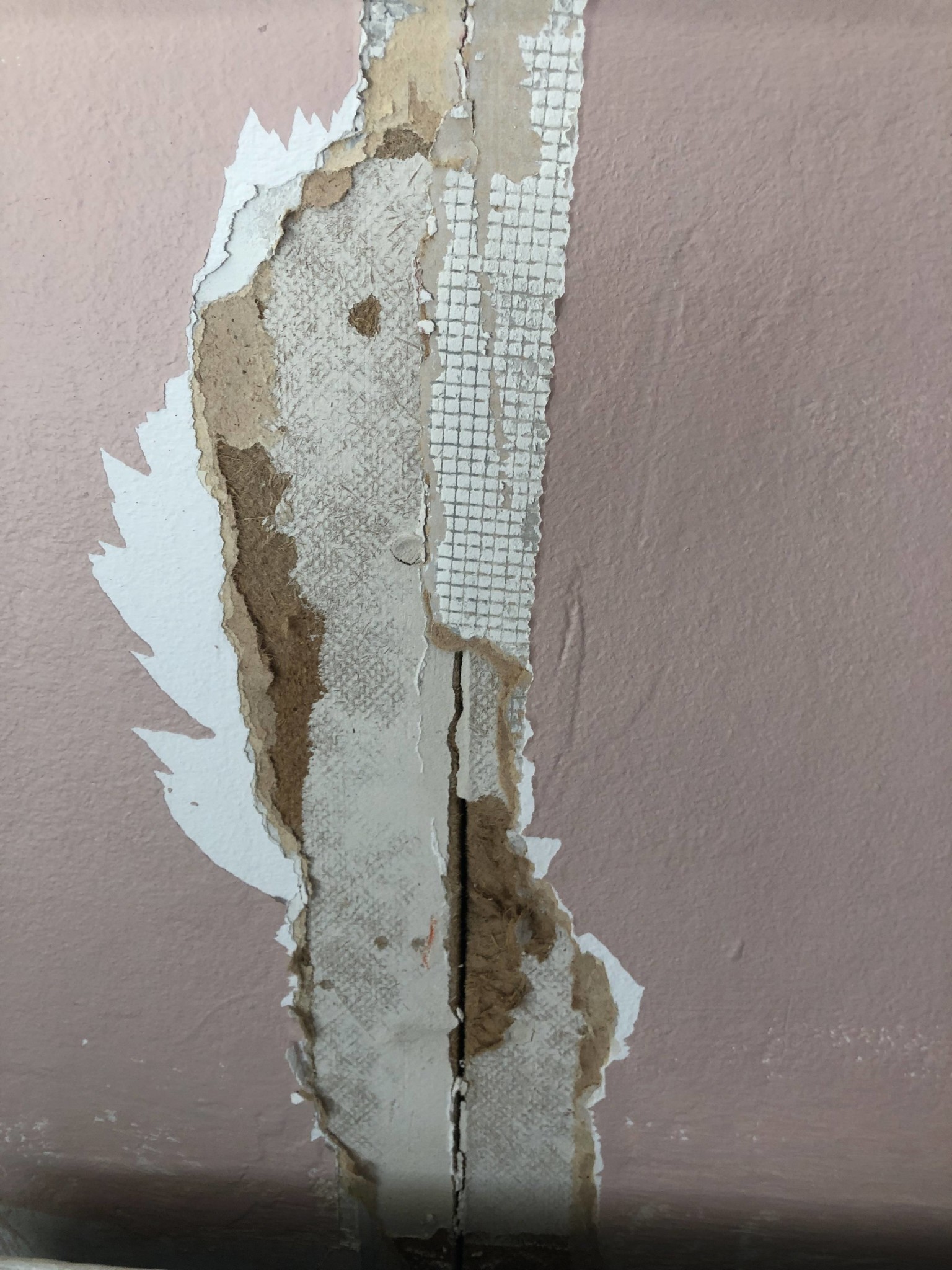
I fiddled a bit with the wall to see what's underneath, and as I guessed, it's the brown board that's smelling.
I'm thinking of tearing it down and putting up new walls made of plasterboard.
What do you think about that? Could it help get rid of the smell?
Regards,
Jessica
There is a musty smell in my daughter's room but nowhere else in the house, and I've checked for moisture and nothing shows up where I can measure.
The house is from the 60s.
I fiddled a bit with the wall to see what's underneath, and as I guessed, it's the brown board that's smelling.
I'm thinking of tearing it down and putting up new walls made of plasterboard.
What do you think about that? Could it help get rid of the smell?
Regards,
Jessica

Most likely these boards are also in other rooms without any smell there. So the question is why it smells more there. If you open it up, you might see the cause, or perhaps the room has higher humidity than the other rooms. But if the smell comes from the board itself, replacing it should help. The odor might have also been absorbed by furniture and elsewhere, so it could linger a while after the change.J Jessica Eriksson said:Hi
It smells musty in my daughter's room but nowhere else in the house and I've measured moisture and nothing shows up where I can access to measure
The house is from the '60s
I fiddled a bit on the wall to see what was underneath, and it's as I suspected the brown board that smells
I was thinking of trying to tear it down and put up new gypsum walls
what do you think about that? Could it help the smell to disappear?
regards,
Jessica
It is probably tretex, a masonite-like material that easily absorbs odors. You can reduce the odor by switching to gypsum, but the underlying problem remains, what is causing the odor?
What is the foundation of the house? Have you checked the sill? In the 60s, it was common to have cuprinol-treated wood, which emits a rather unpleasant odor as it breaks down...
What is the foundation of the house? Have you checked the sill? In the 60s, it was common to have cuprinol-treated wood, which emits a rather unpleasant odor as it breaks down...
we have a basementzarkov said:
It is likely tretex, a masonite-like material that easily absorbs odors. You reduce the smell by replacing it with plaster, but the underlying problem remains, what is causing the odor?
What type of foundation does the house have? Have you checked the sill? In the 60s it was common to use cuprinol-treated wood that emits a rather unpleasant smell when it breaks down...
 and in the basement, there is no smell and no moisture measured either
I smell the board when I open it up. But I'm thinking of repainting and putting up moldings on the ceiling and floor since I removed them when I wallpapered and painted, and I hope the smell will disappear.T Tompafix said:Most likely these boards are also installed in other rooms without any smell there. So the question is why it smells more there. If you open it up, you might see the cause, or maybe the room has higher humidity than the other rooms. But if the smell is coming from the board itself, it should disappear if you replace it. However, the smell might have absorbed into the furniture and similar items, so it could linger for a while after the replacement.
It becomes such a big project to tear down
and I understand the smell isn't Felix.No, the sill is above ground, on top of the wall. Is it an exterior wall that smells?J Jessica Eriksson said:
Regardless, you probably need to break open the wall to solve the problem (and not just dampen the smell).
Yes, if you seal the gaps, the odor should decrease. You could use soft sealant in all the joints to seal even more.J Jessica Eriksson said:
Looks like hard boards, 12mm masonite is my guess. If the room is against an outer wall or a wet room, I would start with those sides in tearing down/hunting for moisture damage. Tear down one at a time and put up new boards. Maybe it's resolved before you need to tear down all the walls. Was the room upstairs? Brick facade?
Karrock said:
Looks like hard panels, 12mm masonite is my guess. If the room is against an exterior wall or wet room, I would start with those sides in demolition/hunt for moisture damage. Tear down one at a time and put up new panels. Maybe it will be remedied before you need to tear down all the walls.
Yes, it is upstairs against a wooden facade and exterior wall.
Ugh, can't deal with moisture damage.
Was the room on the upper floor? Brick facade?
Click here to reply