
383 views ·
4 replies
383 views
4 replies
Can you demolish this part of the attic?
Hi, I recently bought my first house and am doing some renovations on the upper floor.
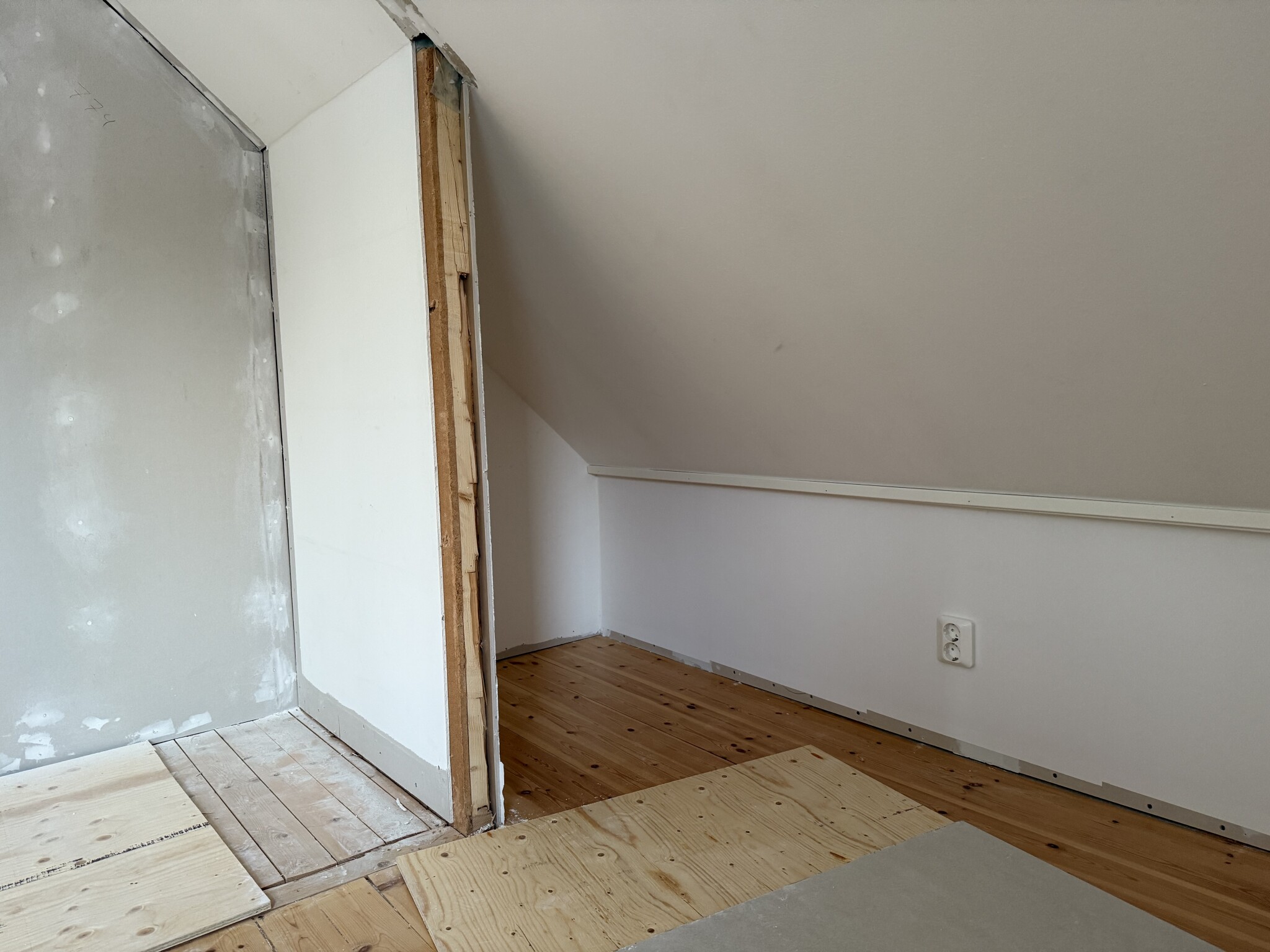
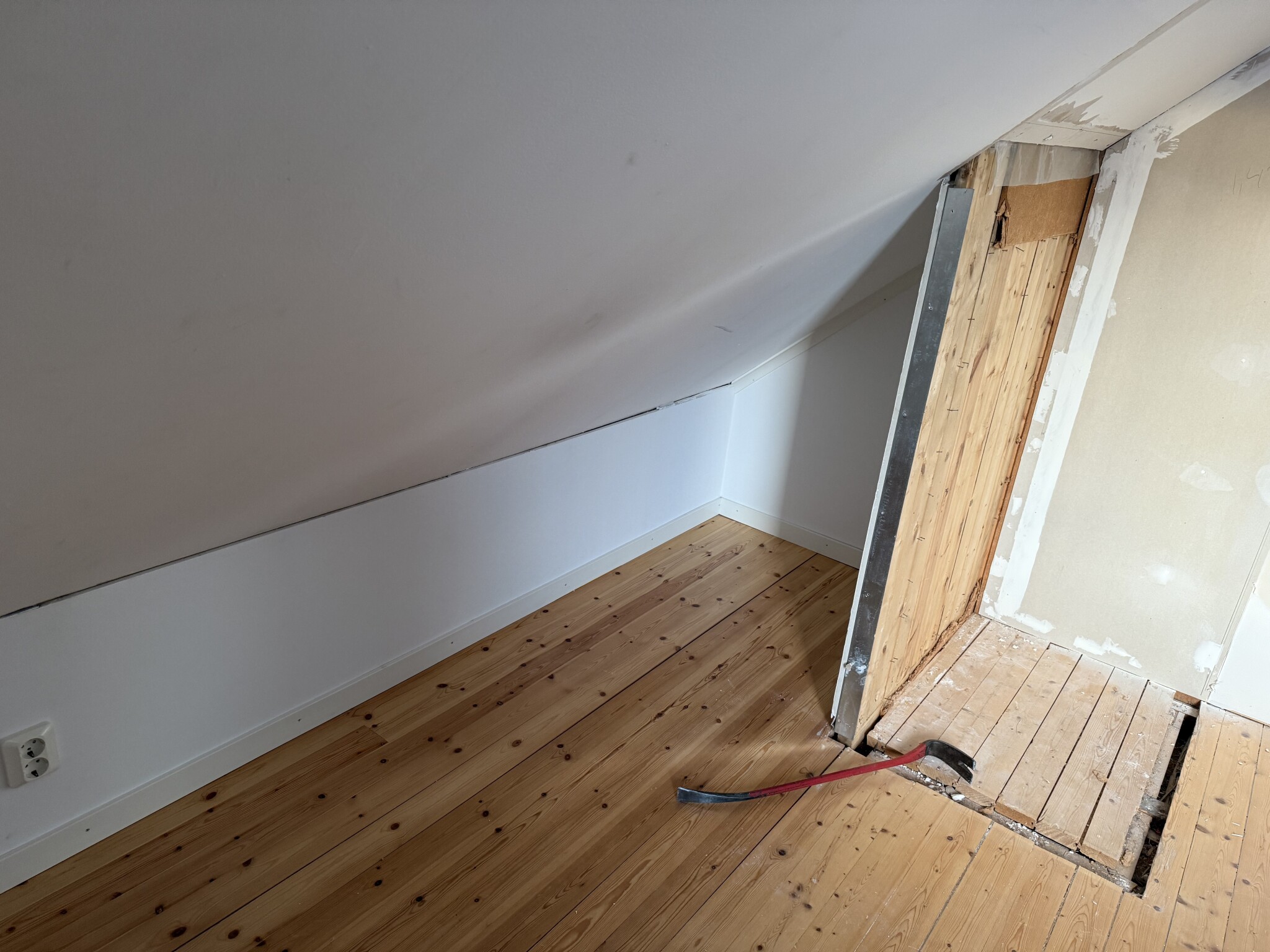
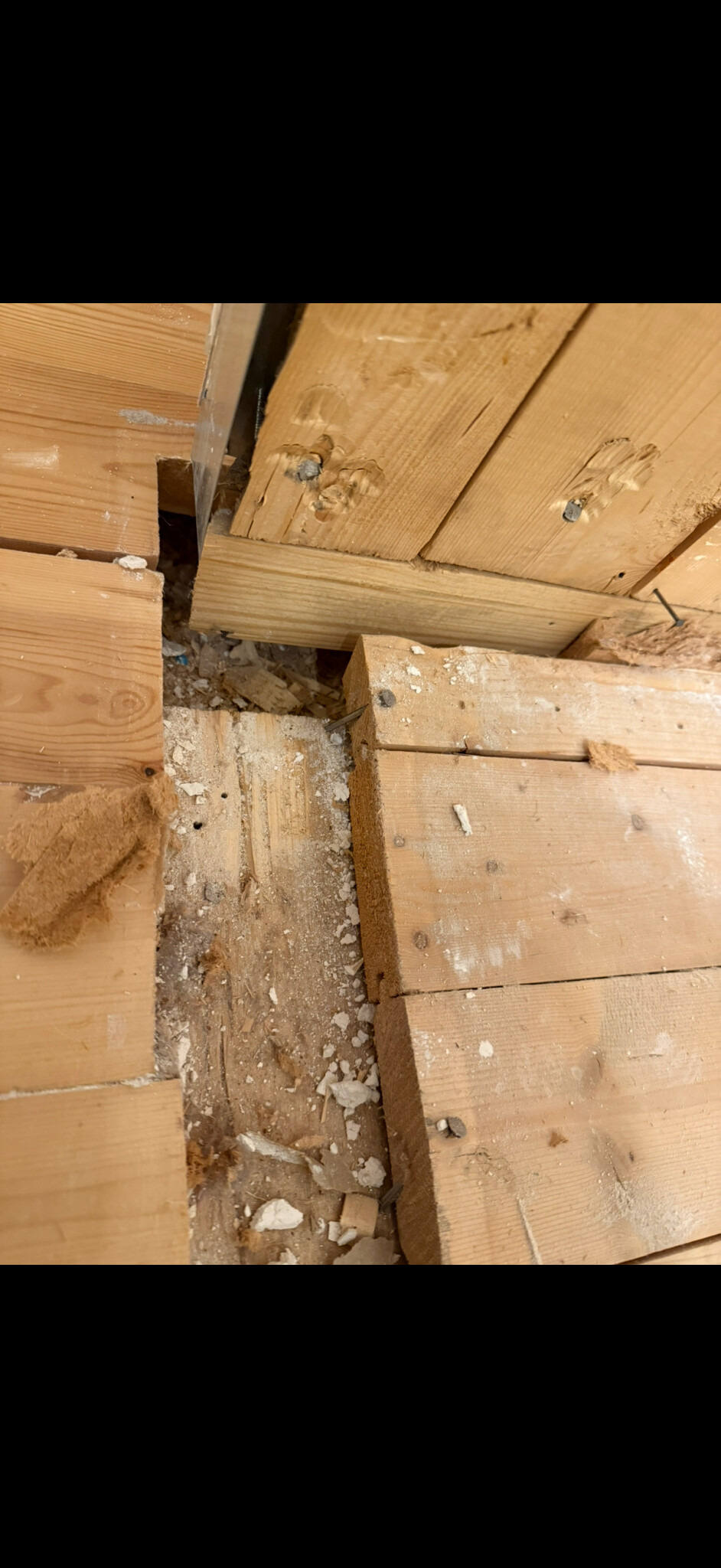
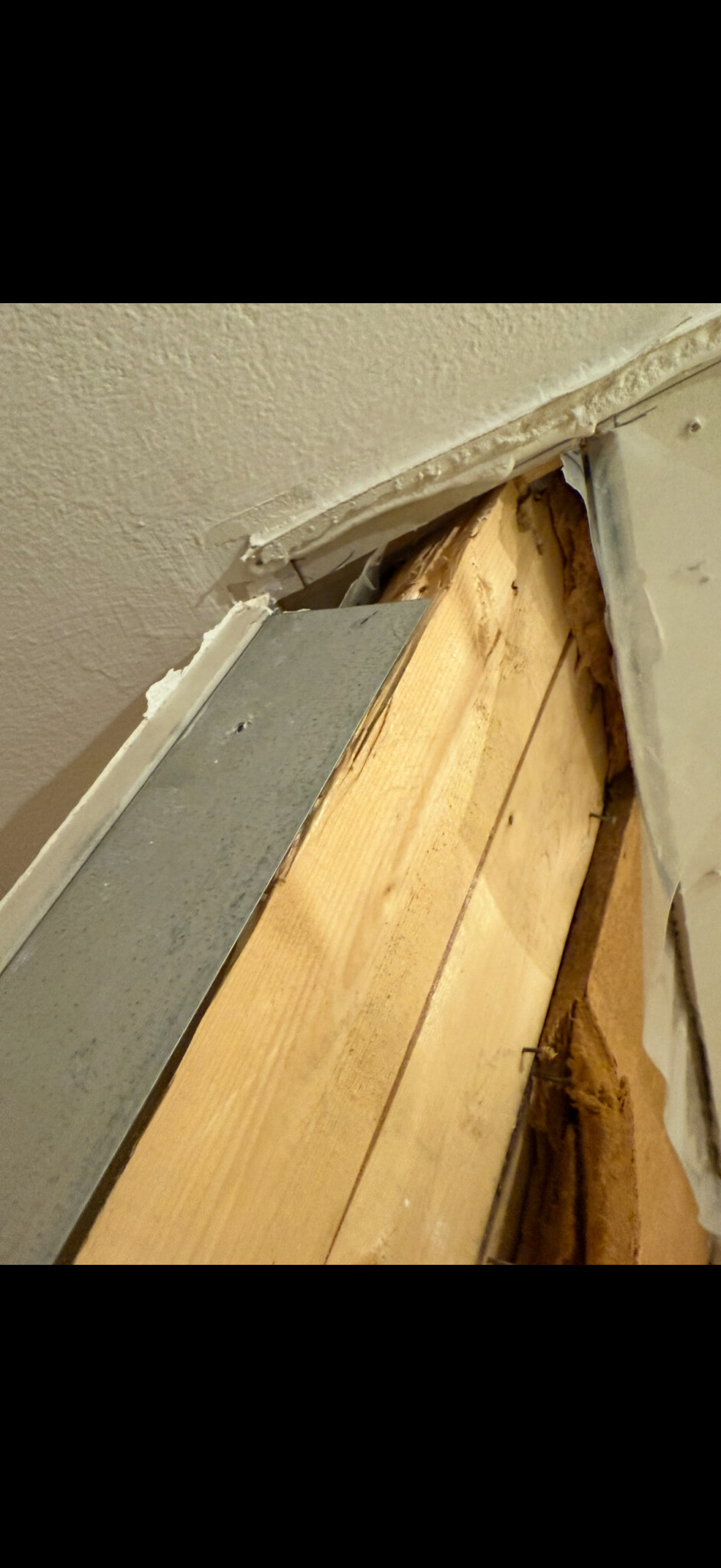
I tore down two built-in closets and then became unsure if I can tear down the wall behind them. It looks like a row of two-by-fours with a particle board in front that goes up above the drywall.
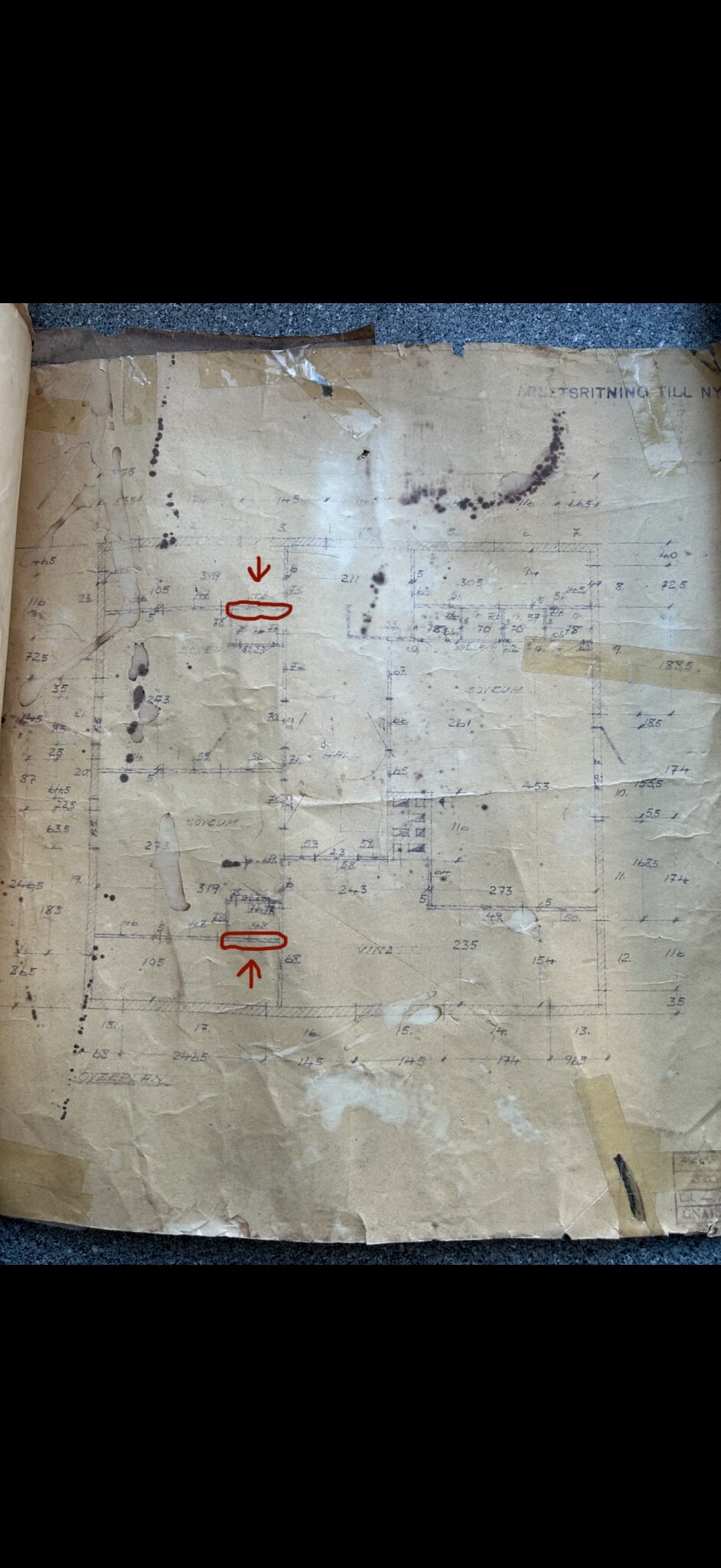
I'm attaching the drawings and the technical description, as well as how it looks.
There's no wall on the floor below, I suspect it's an old "kattvind" that has been torn down but part of it remains. Can I tear it down or do I need to drywall it again? Or do I need to rebuild the entire wall again (it was torn down more than 28 years ago when the previous owner didn't remove it)?
Grateful for any help as this is really not my area of expertise.
I tore down two built-in closets and then became unsure if I can tear down the wall behind them. It looks like a row of two-by-fours with a particle board in front that goes up above the drywall.
I'm attaching the drawings and the technical description, as well as how it looks.
There's no wall on the floor below, I suspect it's an old "kattvind" that has been torn down but part of it remains. Can I tear it down or do I need to drywall it again? Or do I need to rebuild the entire wall again (it was torn down more than 28 years ago when the previous owner didn't remove it)?
Grateful for any help as this is really not my area of expertise.
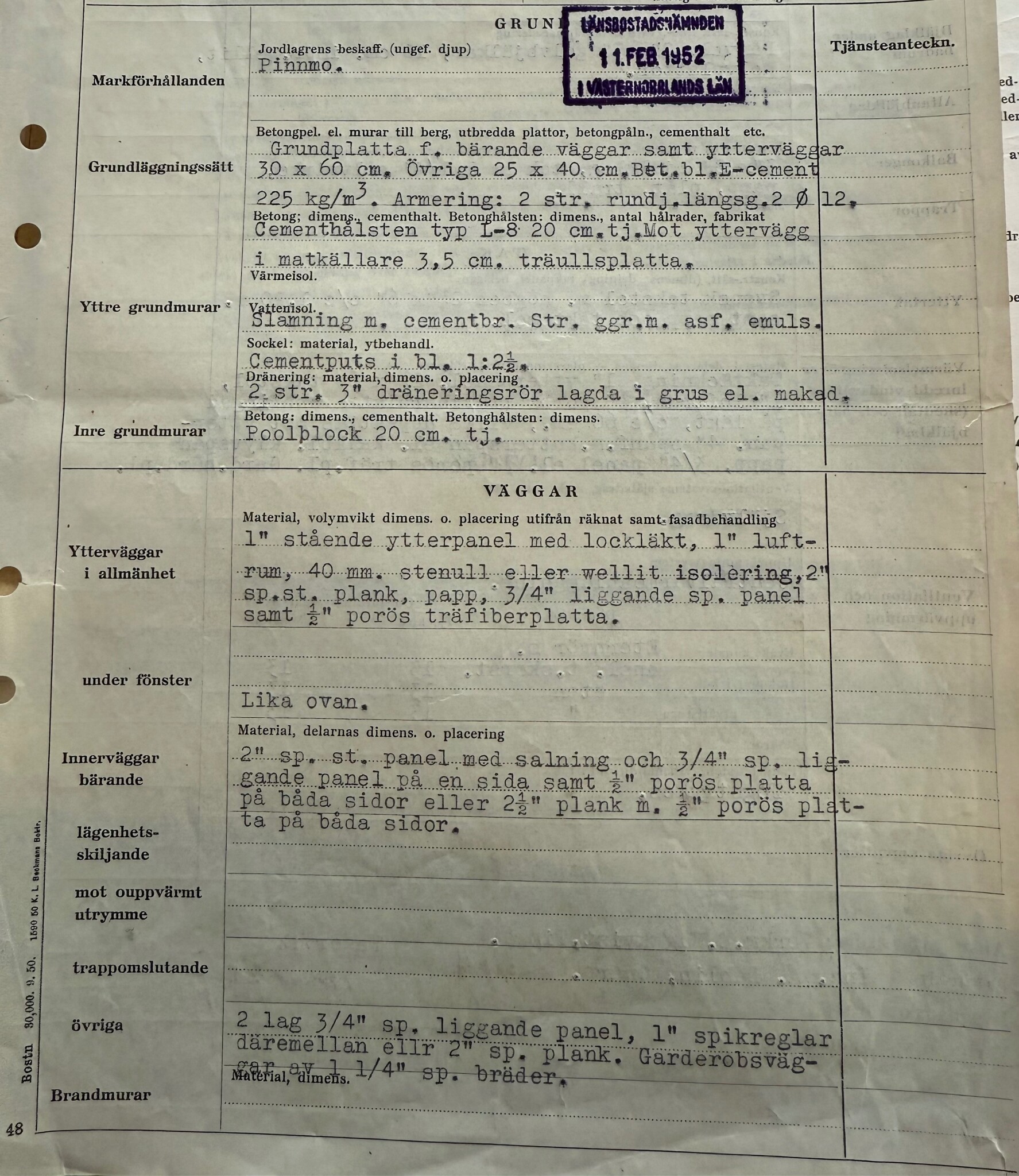
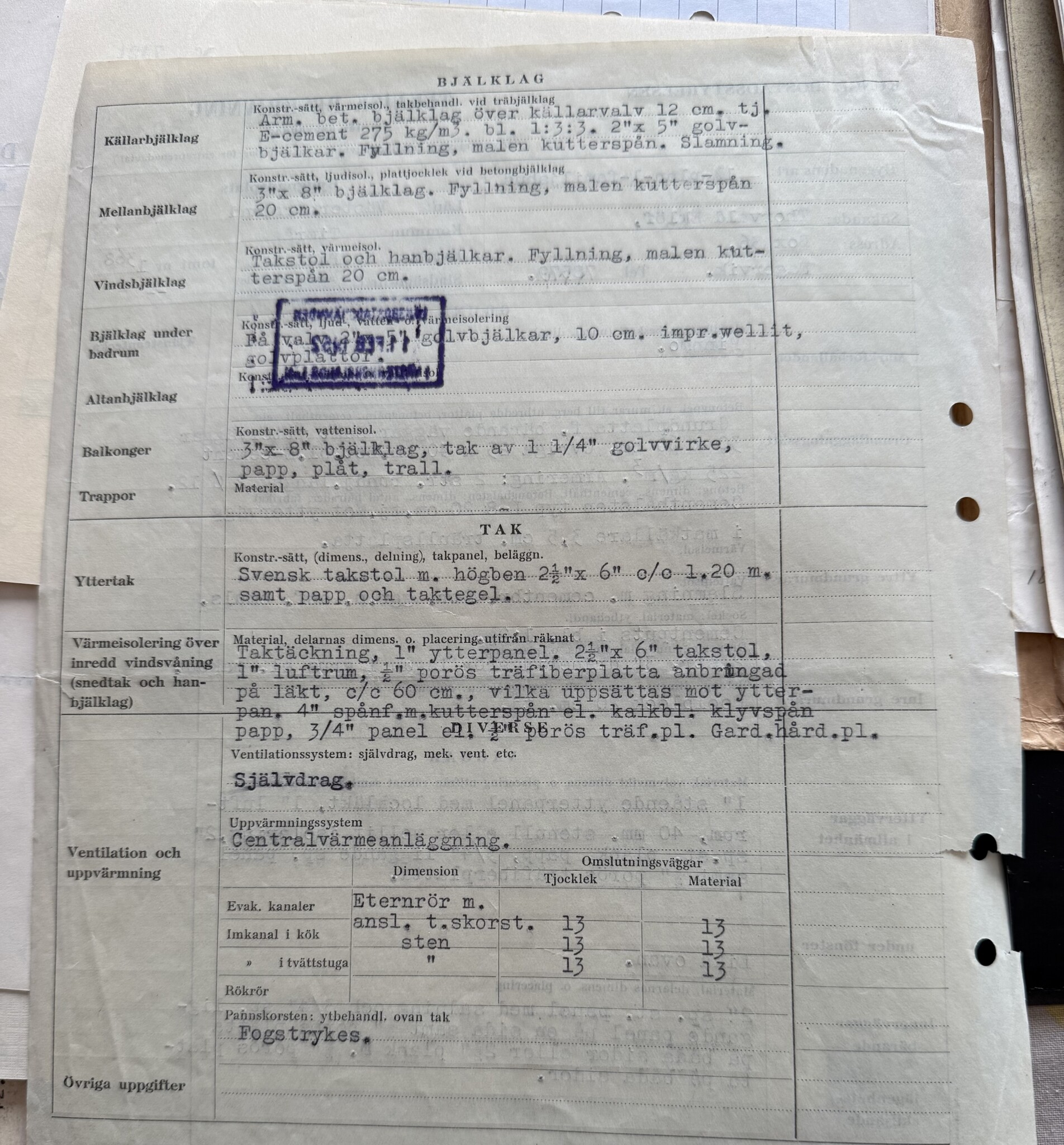
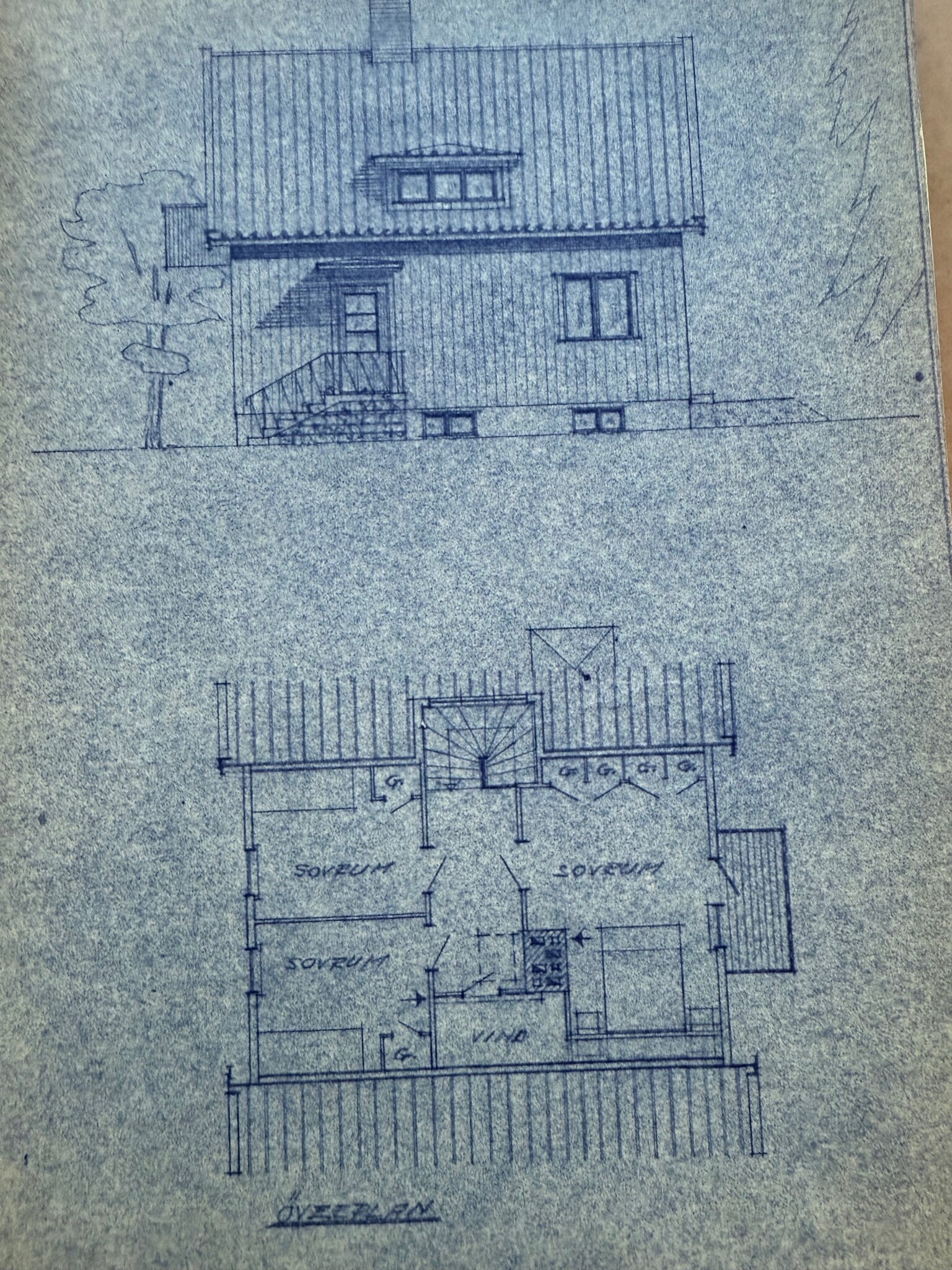
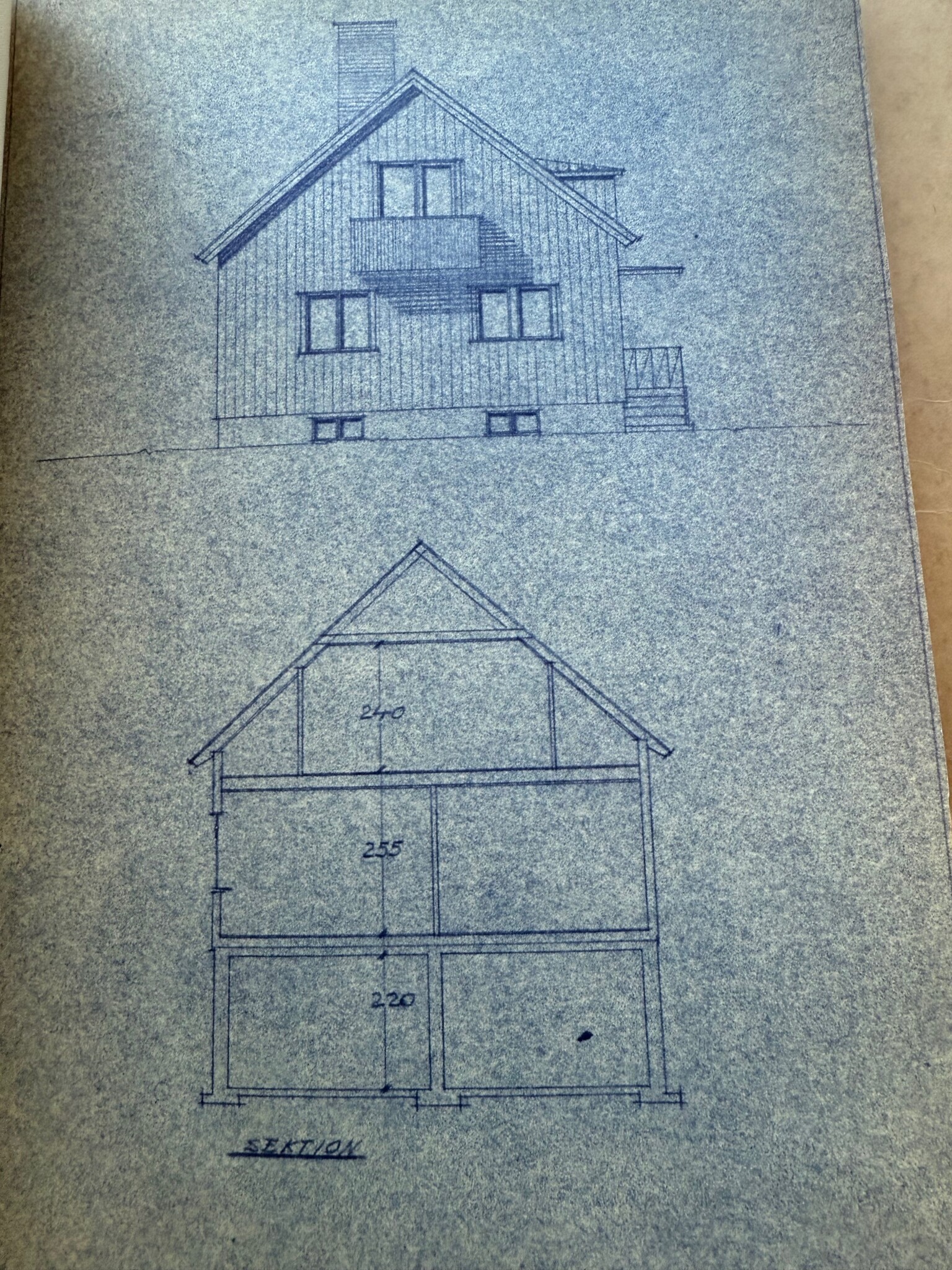

The usual scenario is that the vertical studs are part of the rafters and thus load-bearing (the walls visible on the sectional drawing). The panels attached to them increase the stabilization of the house so that it is not so sensitive to wind.
BirgitS said:
Ok.L Lunkan123 said:Hi, I have just bought my first house and am renovating a bit on the upper floor.
I tore down 2 built-in closets and then became unsure if I can tear down the wall behind. It looks like a row of two-by-fours with a particle board in front that goes up above the drywall.
I am attaching the drawing and the technical description as well as how it looks.
There is no wall on the floor below, I suspect it is an old kattvind that has been torn down but a part remains, can I tear it down or do I have to drywall it again? Or do I have to rebuild the entire wall again (was torn down more than 28 years ago when the previous owner did not tear it down)?
Grateful for all the help as this is really not my area of expertise.
Found another drawing, posting it too (marked the walls in question).
Click here to reply