I am going to tighten two tennis strings between two surfaces.
They should be tightened with 30kg (tension).
My question is whether the surfaces will be loaded with 30kg or 60kg?
Logically, it should be 60kg, but then I think about how a tennis racket with a lot of strings would handle the pressure if it were just added.
If you imagine the lower surface hanging in the threads attached to the upper surface, how much should you load the lower surface to achieve the desired thread tension?
If it's 30 kg per string, then the total force on the surface is 60 kg, yes. A tennis racket gets much of its strength from having a round shape and strings evenly distributed around. A rectangular tennis racket wouldn't be as strong because the sides would bow.
If you imagine the lower surface hanging in the threads attached to the upper surface, how much should you load the lower surface to get the tension you desire in the threads?
There will be two surfaces that need to be kept apart with, for example, Threaded Rods. I was thinking about how strong these should be.
The tension becomes 30 kg per line. The required strength of the construction depends on where forces and counterforces are applied. I think it will be easier to move forward if you explain a bit more about what you want to achieve!
No, the "tension" will not be 30kg per line, the tension depends on the area, but sure, the total is 60kg. A sketch says quite a lot and you can get better help. If I understand correctly, your problem is more about achieving stability; a flower stick can handle 60kg.
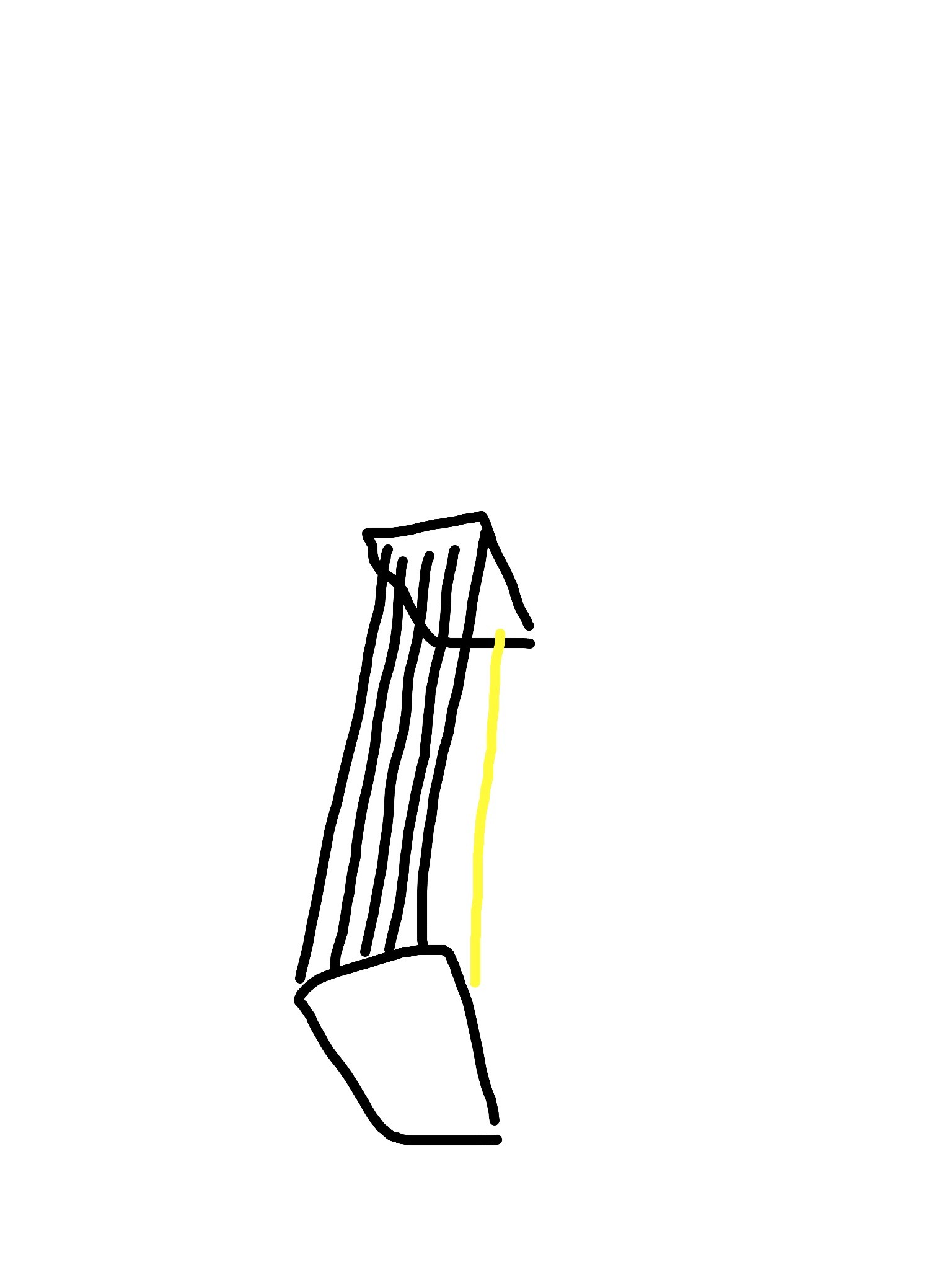
Drawing poorly but trying.
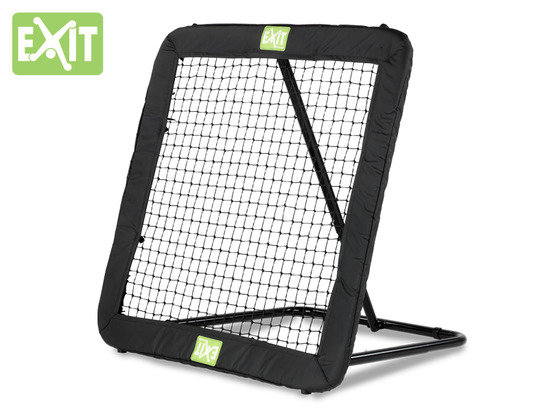
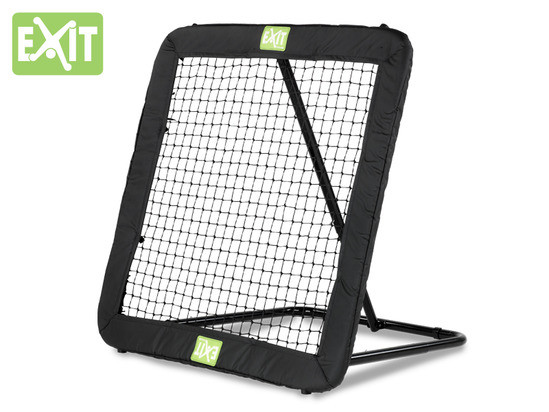
What is to be built is a rebounder (something for the son to bounce against).
Will probably need to tension 10 strings à 30kg.
Considering how to dimension the strut between the gables.