
1,862 views ·
5 replies
2k views
5 replies
Blow out bedroom. Balcony, wall and floor questions
Brick house from 1920 with a stuccoed brick exterior and a balcony (built in 1966) - the concrete floor has several surface cracks. After the balcony was built, a brick veneer was added in the 70s. The bricks are thus laid so they rest on the balcony floor.
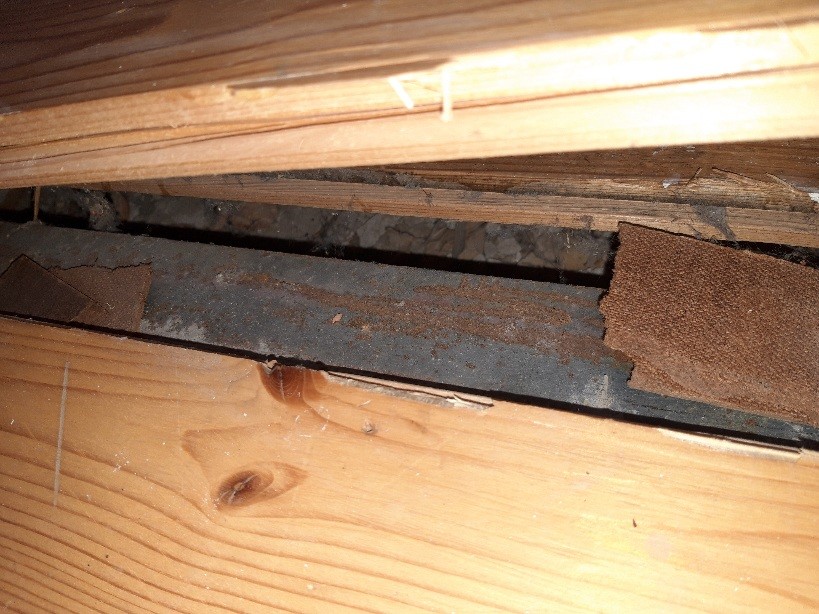
Should I remove a few floorboards in the room inside to rule out moisture having seeped underneath and to check the condition of the balcony attachments?
And if no water has leaked in and the beams look okay, then is it just a matter of applying a new layer of stucco over the floor???
Uneven and poorly supported wooden floor (it's a converted attic) that gives under weight. I was thinking if you lay blue foam boards and then flooring chipboards, one should get a stable surface for laying some click flooring?
The walls have been wallpapered many times and will take time to strip. The walls have a layer of masonite + sloping ceiling with tretex. Would it perhaps be easier to remove and replace with smooth and fine plasterboard?
Tips are gratefully received...
Should I remove a few floorboards in the room inside to rule out moisture having seeped underneath and to check the condition of the balcony attachments?
And if no water has leaked in and the beams look okay, then is it just a matter of applying a new layer of stucco over the floor???
Uneven and poorly supported wooden floor (it's a converted attic) that gives under weight. I was thinking if you lay blue foam boards and then flooring chipboards, one should get a stable surface for laying some click flooring?
The walls have been wallpapered many times and will take time to strip. The walls have a layer of masonite + sloping ceiling with tretex. Would it perhaps be easier to remove and replace with smooth and fine plasterboard?
Tips are gratefully received...
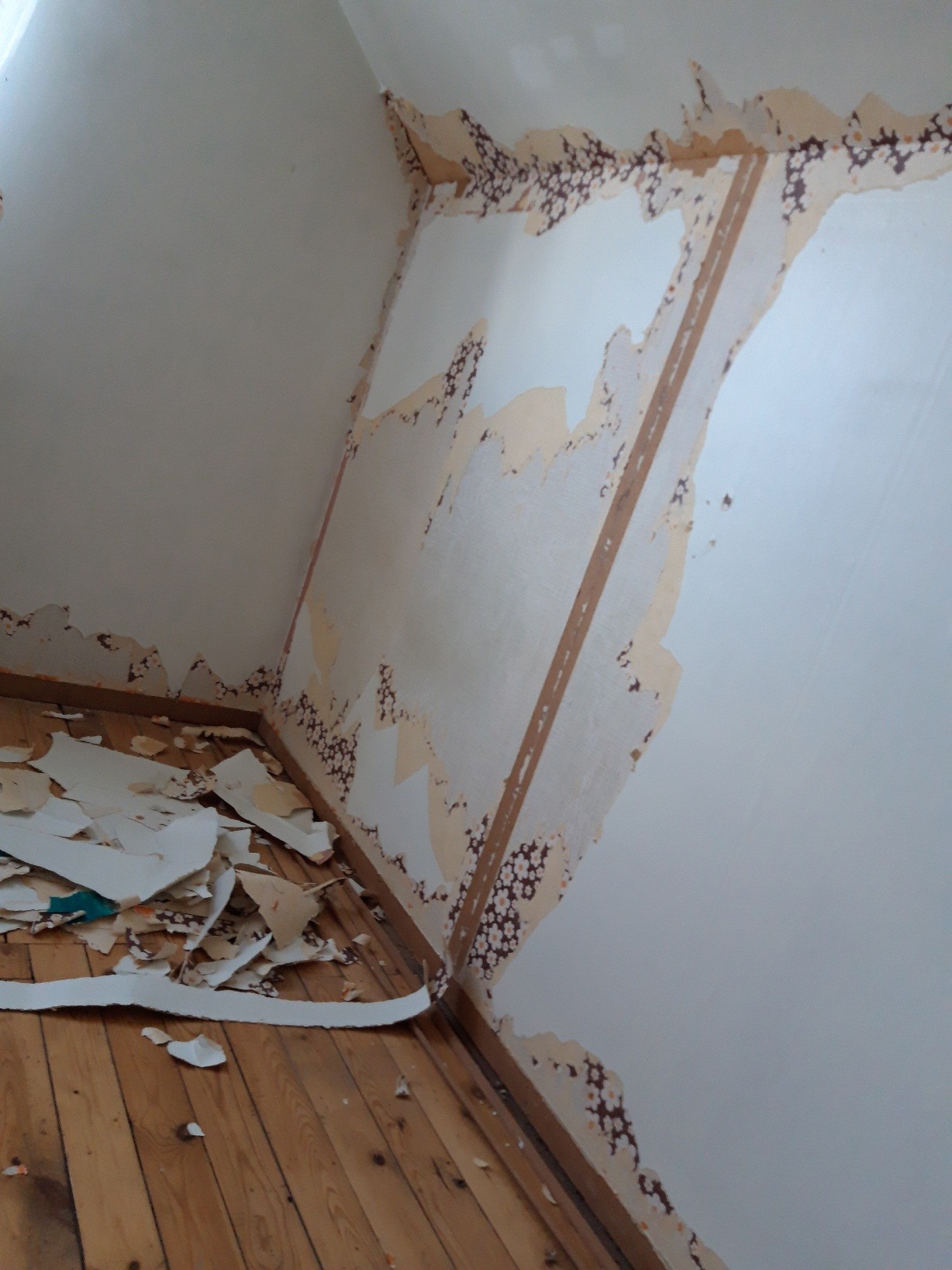
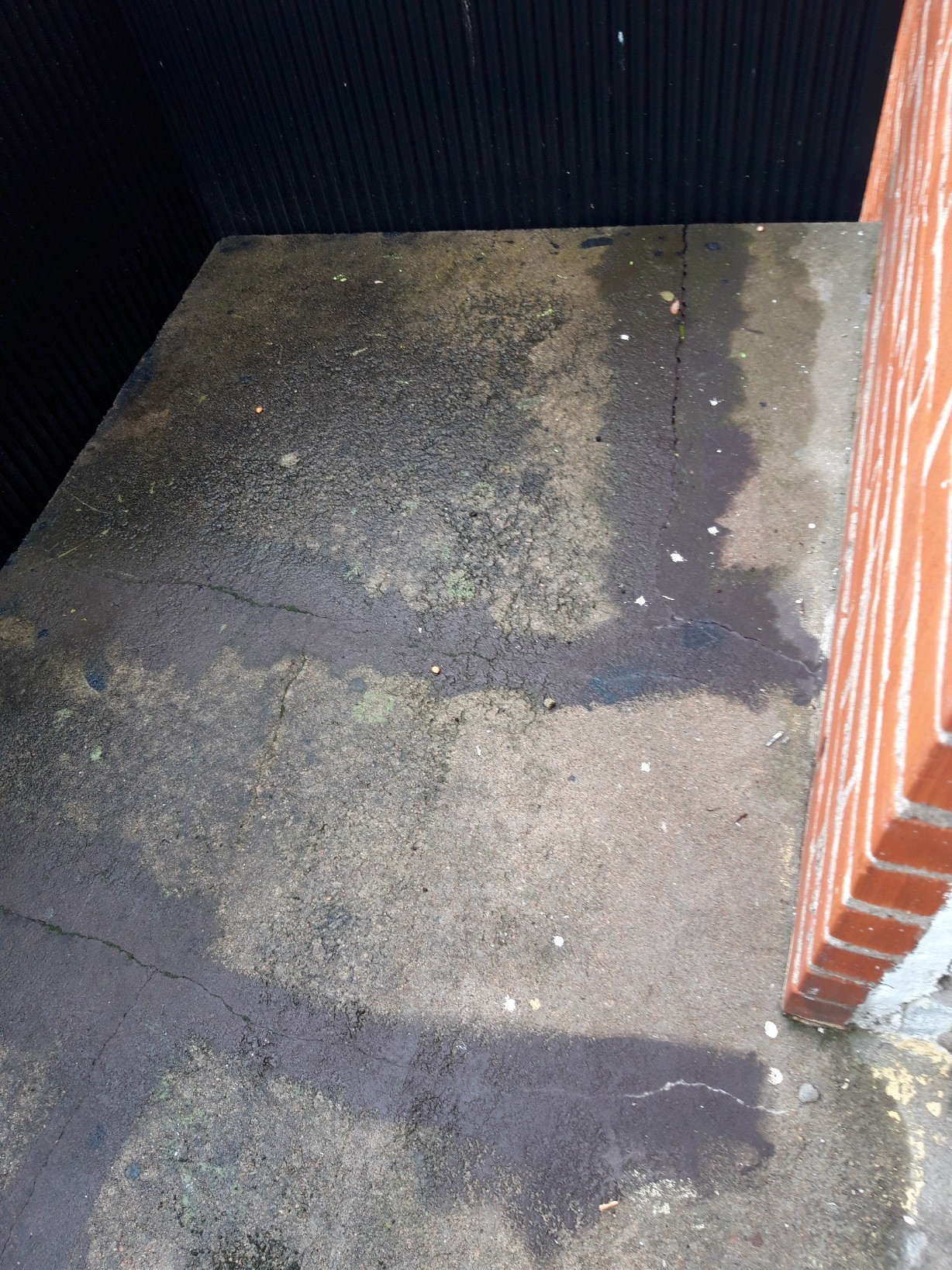
Building conservationist
· Malmö
· 256 posts
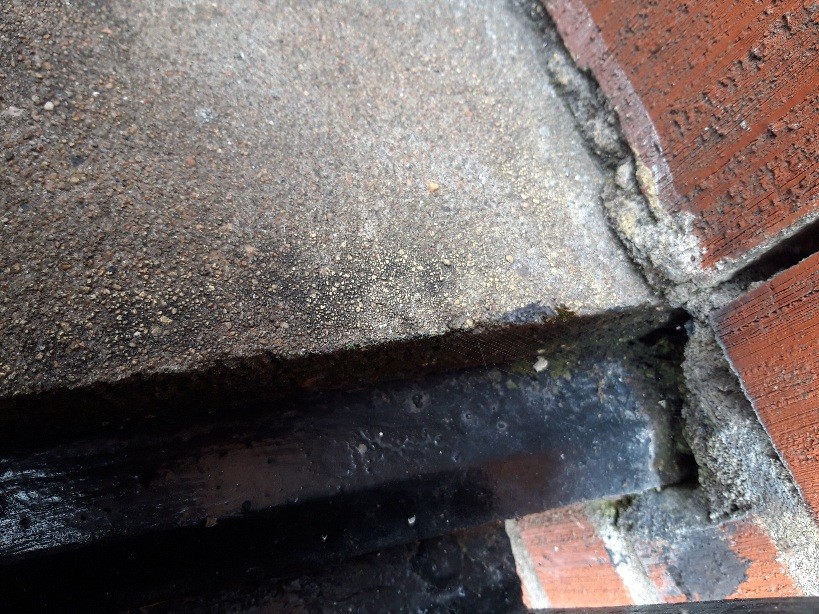
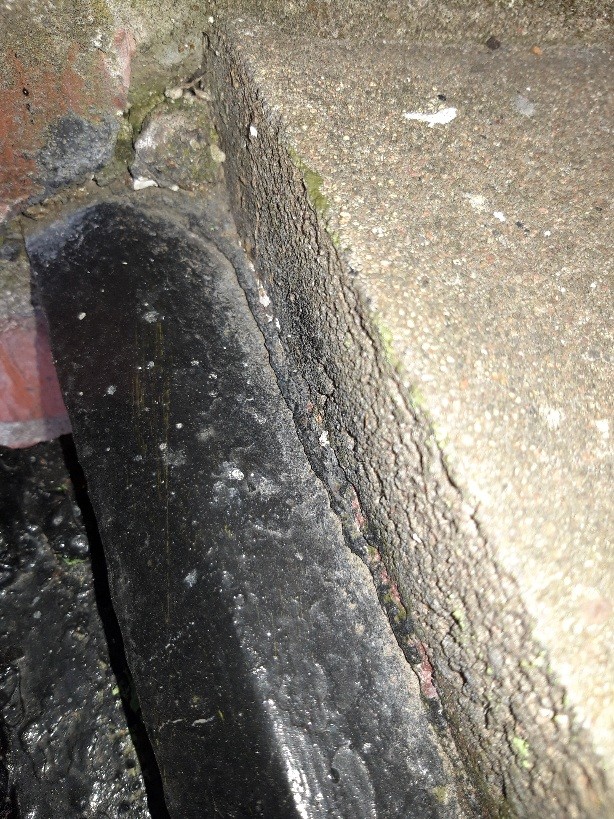
Can you see if the concrete is a finsats? Quite alarming if it is cracked straight through. Look at the side by the plate and you will see if there is another layer through a slight color difference at 3-10cm from the surface. It is usually a finsats if it tends to crack like that. Thick layer on without reinforcement, so with the passage of time they won't hold together anymore.
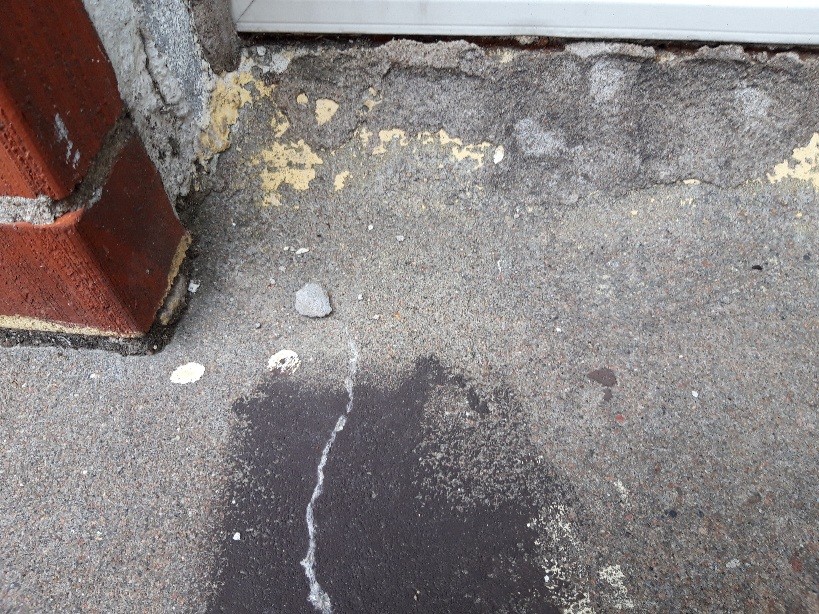
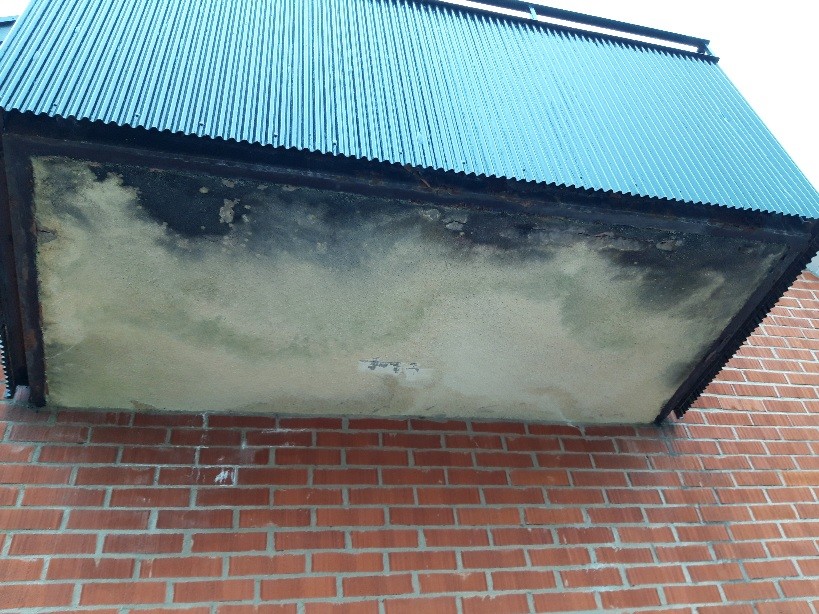
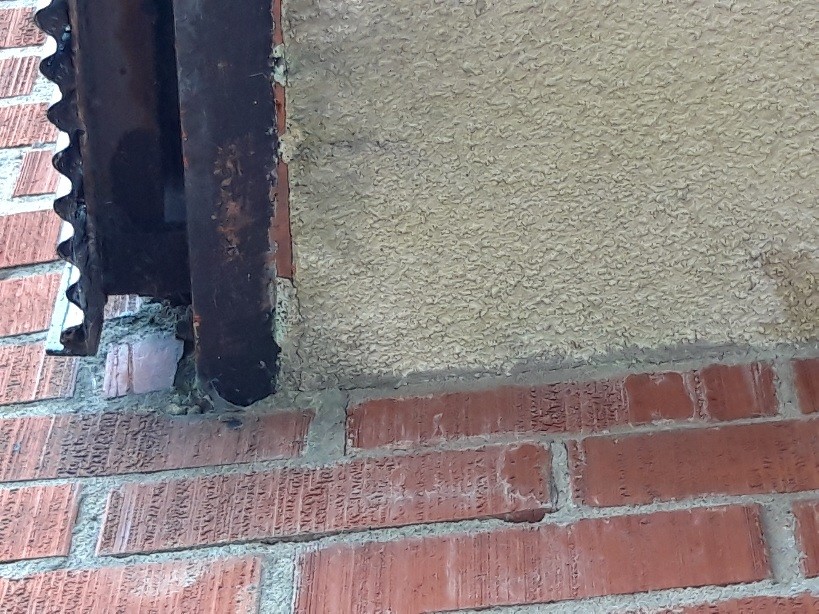
There is no metal against the facade. The metal was certainly bricked over when the shell facade was added in the 70s... will check the edge side tomorrow and possibly check through the inner floor to see if moisture has come in...
Last edited:
J Joselifine said:There is no metal sheet against the facade. The sheet was most likely bricked over when the facade shell was added in the 70s... will check the edge side tomorrow and possibly inspect through the inner floor to see if moisture has entered. Difficult for me to see if it's a finsats or not. See attached images...
Click here to reply