
3,718 views ·
17 replies
4k views
17 replies
Black under window and loose masonite
Hi
Renovating the villa, (1968, one-story, brick facade) and planning to install new insulation and vapor barrier in the exterior walls.
Then I find things like this under the windows and down by the beam that lies on top of the sill (do not know what it's called).
The black doesn't smell like mold, it smells a bit sour, but maybe I'm imagining it. When I poke at it with a knife, the surface feels as hard as the fresh wood surface next to it, and when I scrape the black, I see fresh wood underneath.
The masonite is soft and brittle in places where there are holes.
There seems to be a thin layer of insulation between the masonite and the brick outside, which I find strange.
On the facade outside, there are ventilation holes between the bricks on row 2, but I haven't been able to see a gap, can't reach.
What do you experts see here, any problems? What should I do, am I unsure?
There will be many pictures
Renovating the villa, (1968, one-story, brick facade) and planning to install new insulation and vapor barrier in the exterior walls.
Then I find things like this under the windows and down by the beam that lies on top of the sill (do not know what it's called).
The black doesn't smell like mold, it smells a bit sour, but maybe I'm imagining it. When I poke at it with a knife, the surface feels as hard as the fresh wood surface next to it, and when I scrape the black, I see fresh wood underneath.
The masonite is soft and brittle in places where there are holes.
There seems to be a thin layer of insulation between the masonite and the brick outside, which I find strange.
On the facade outside, there are ventilation holes between the bricks on row 2, but I haven't been able to see a gap, can't reach.
What do you experts see here, any problems? What should I do, am I unsure?
There will be many pictures


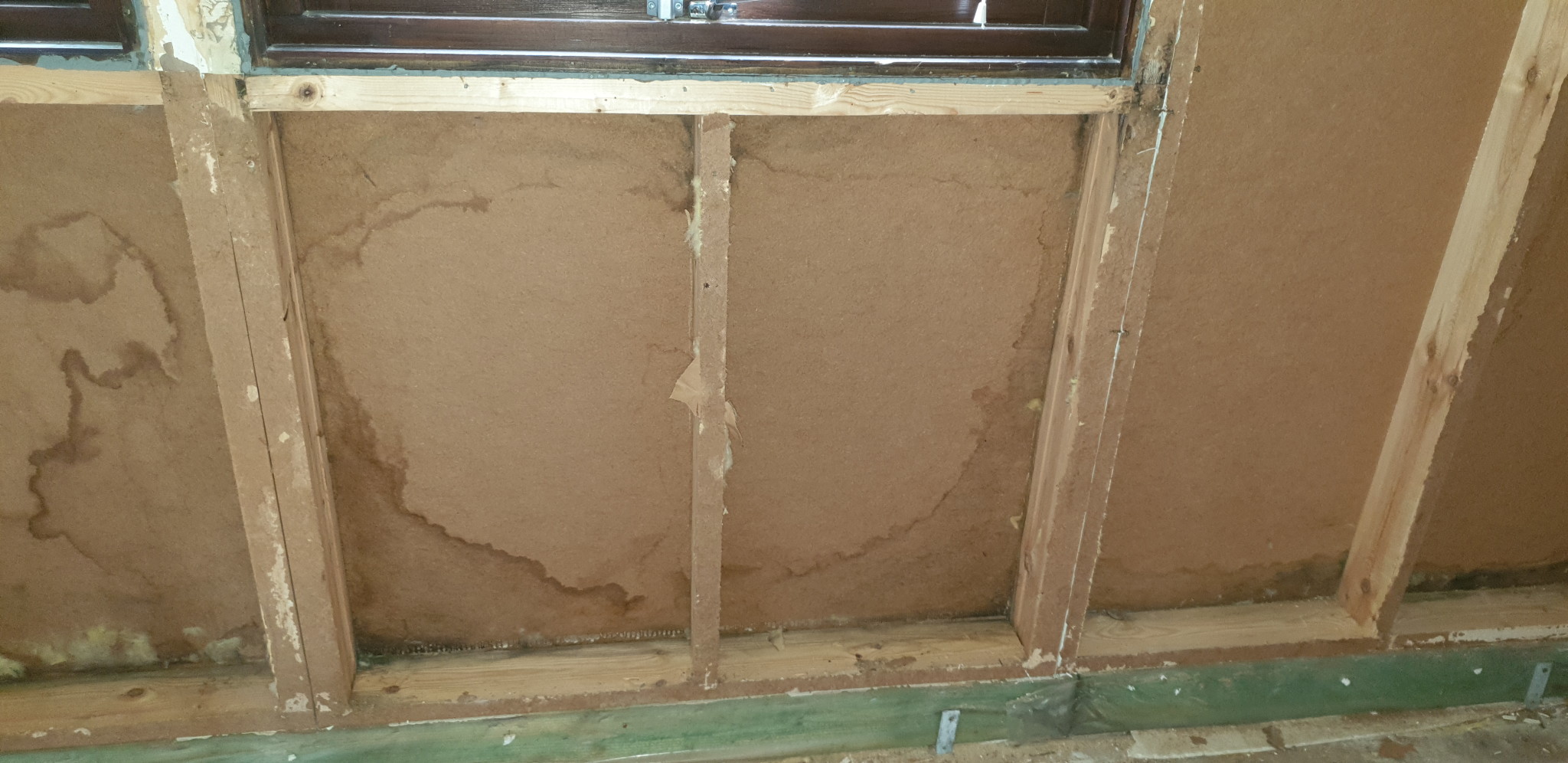
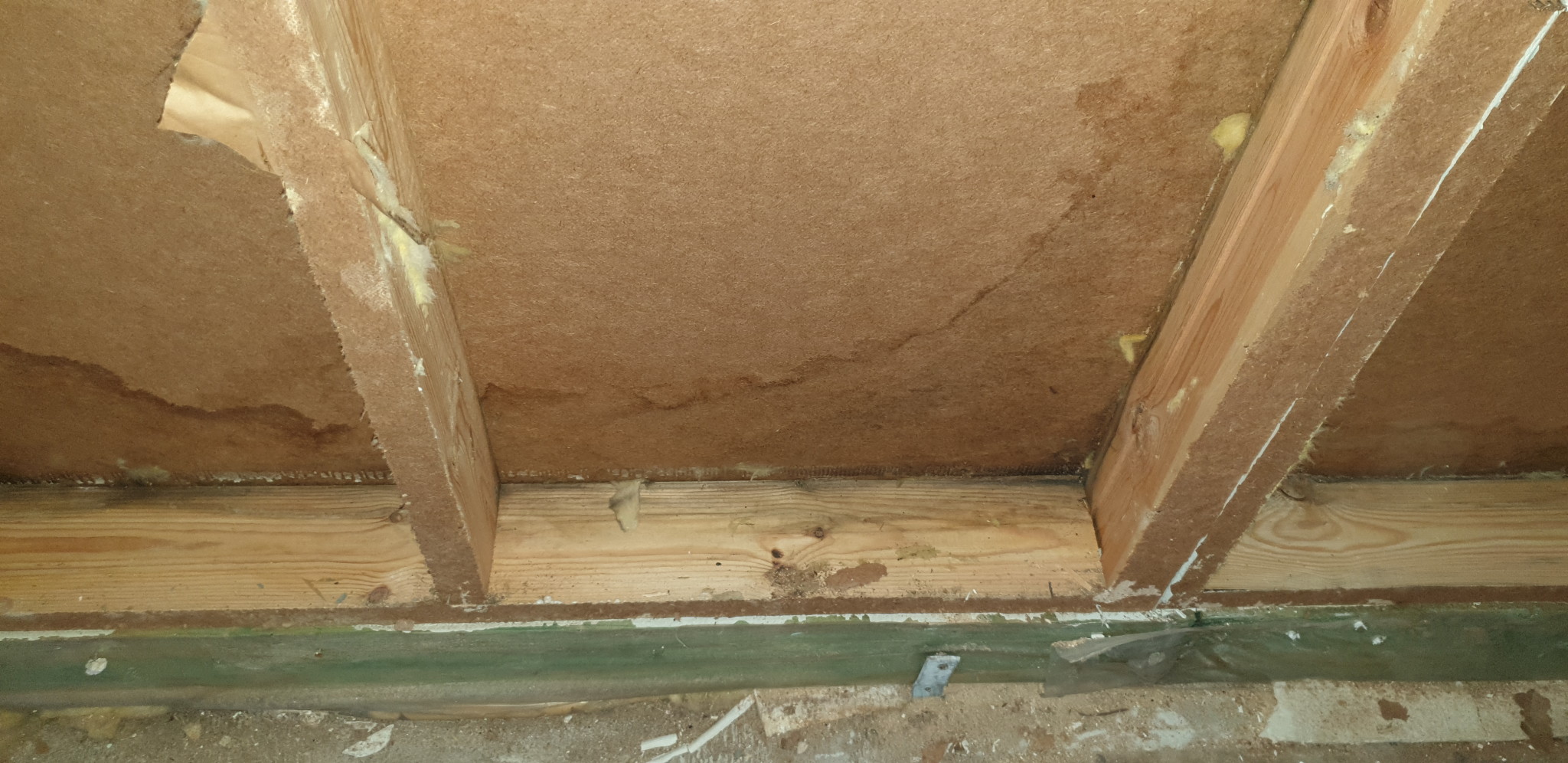
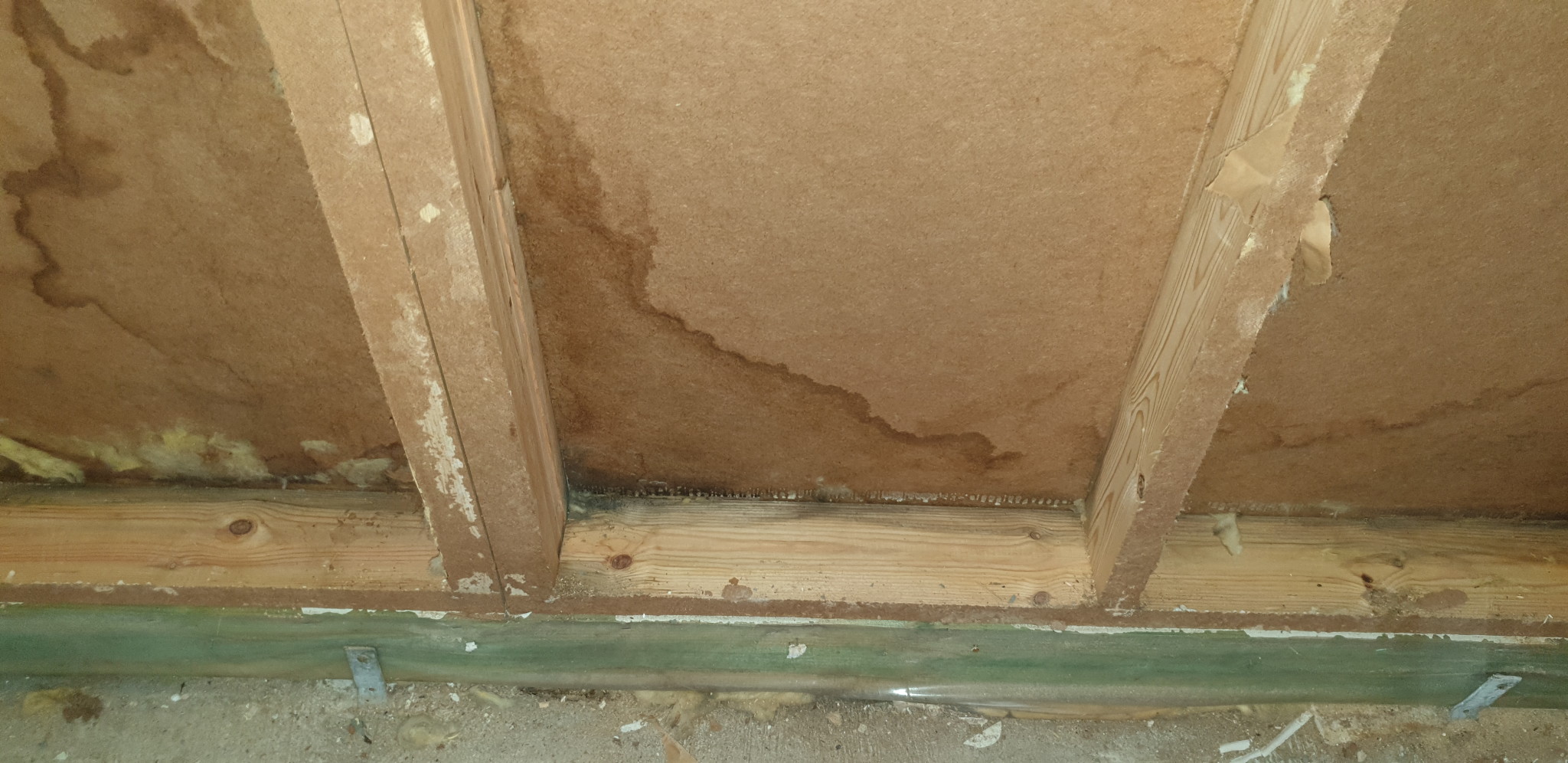
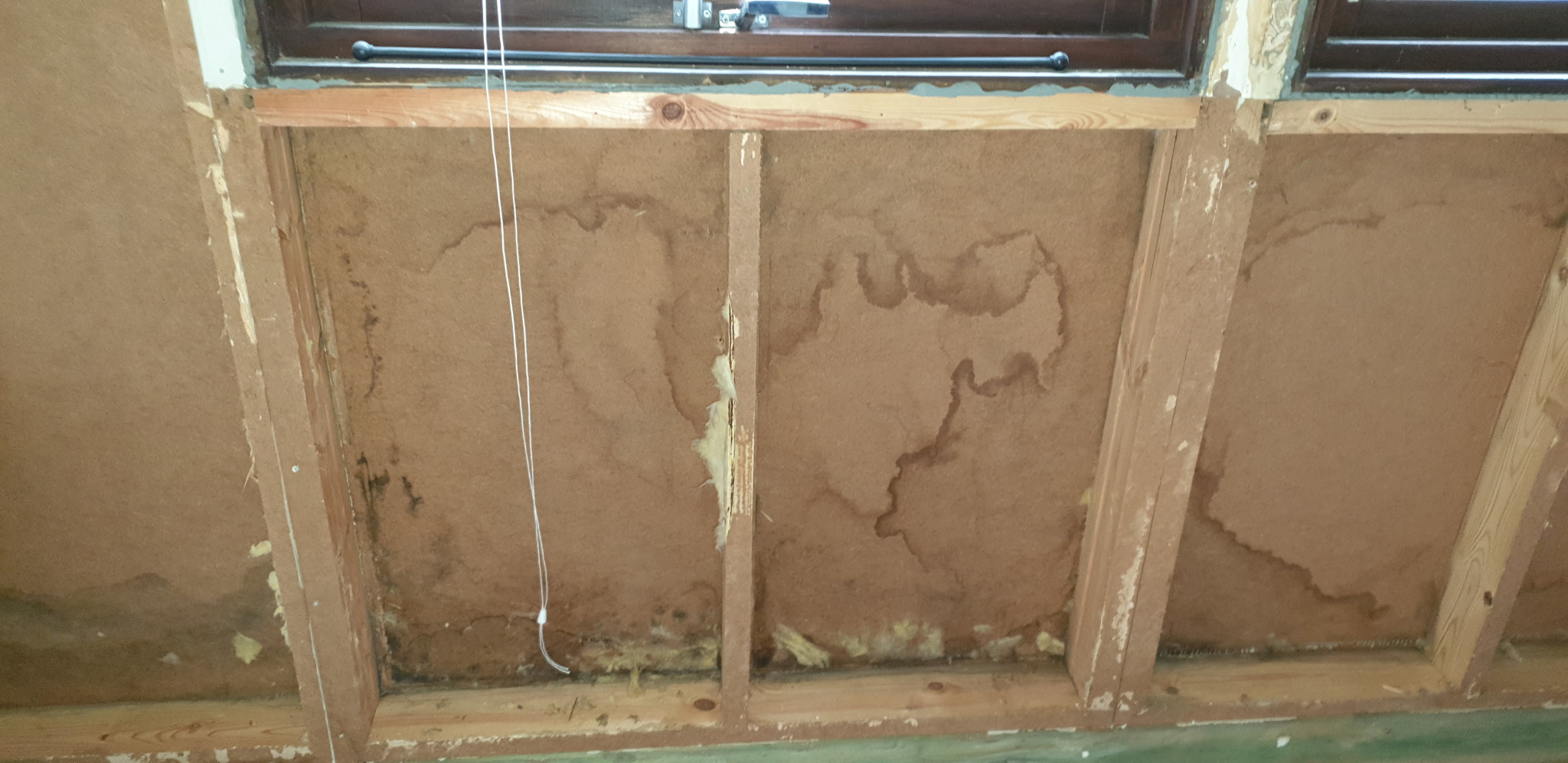
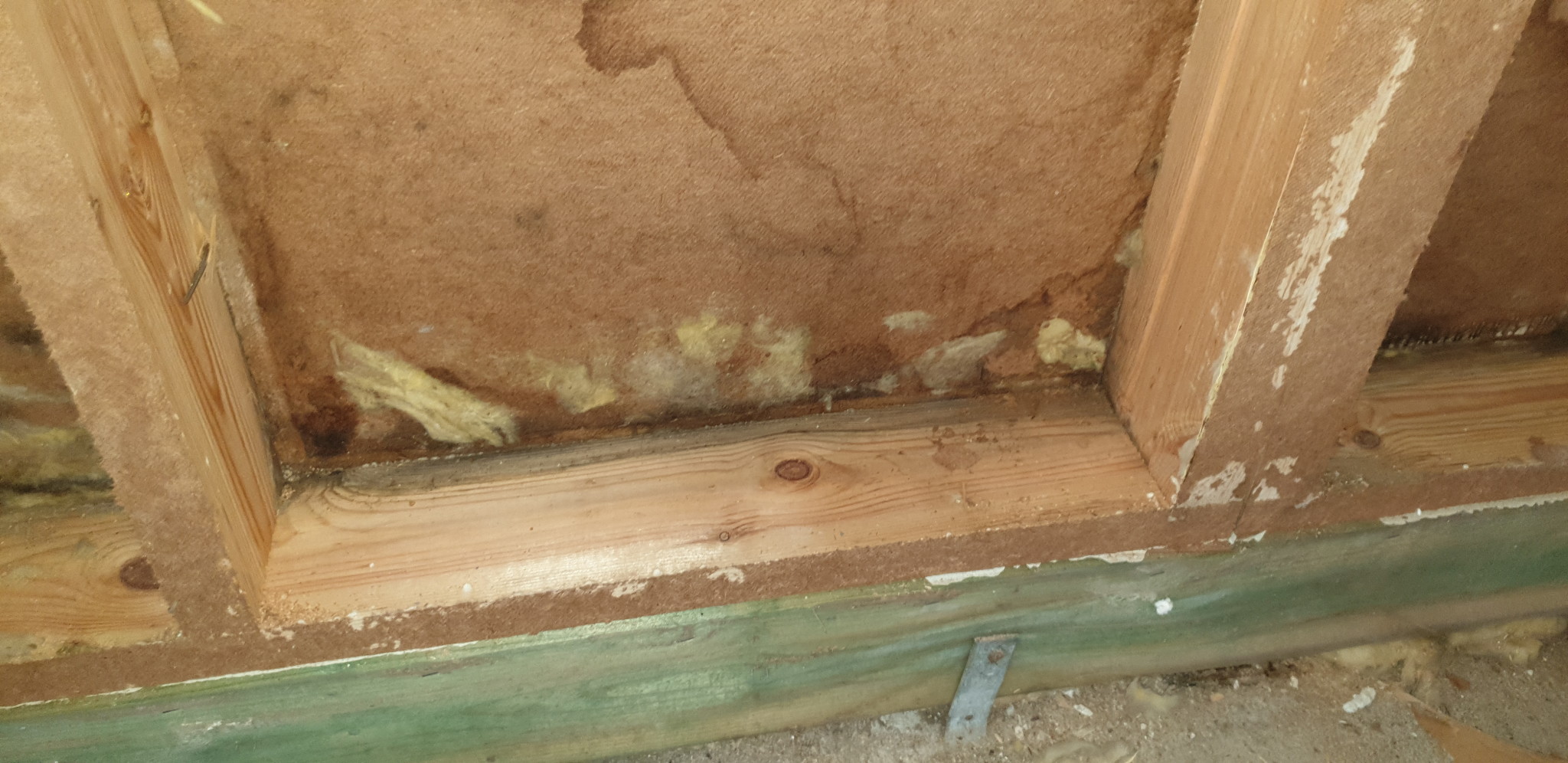
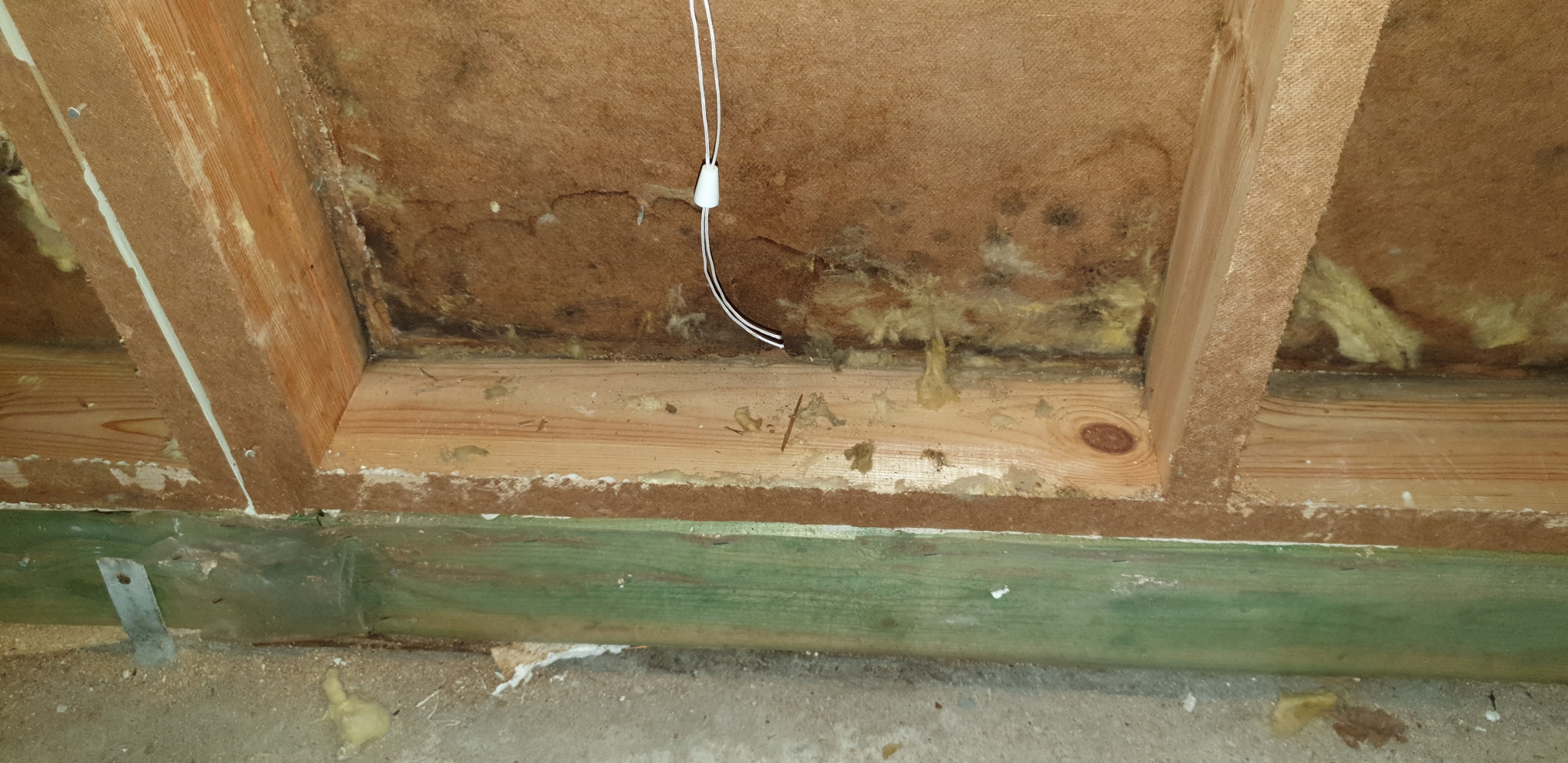
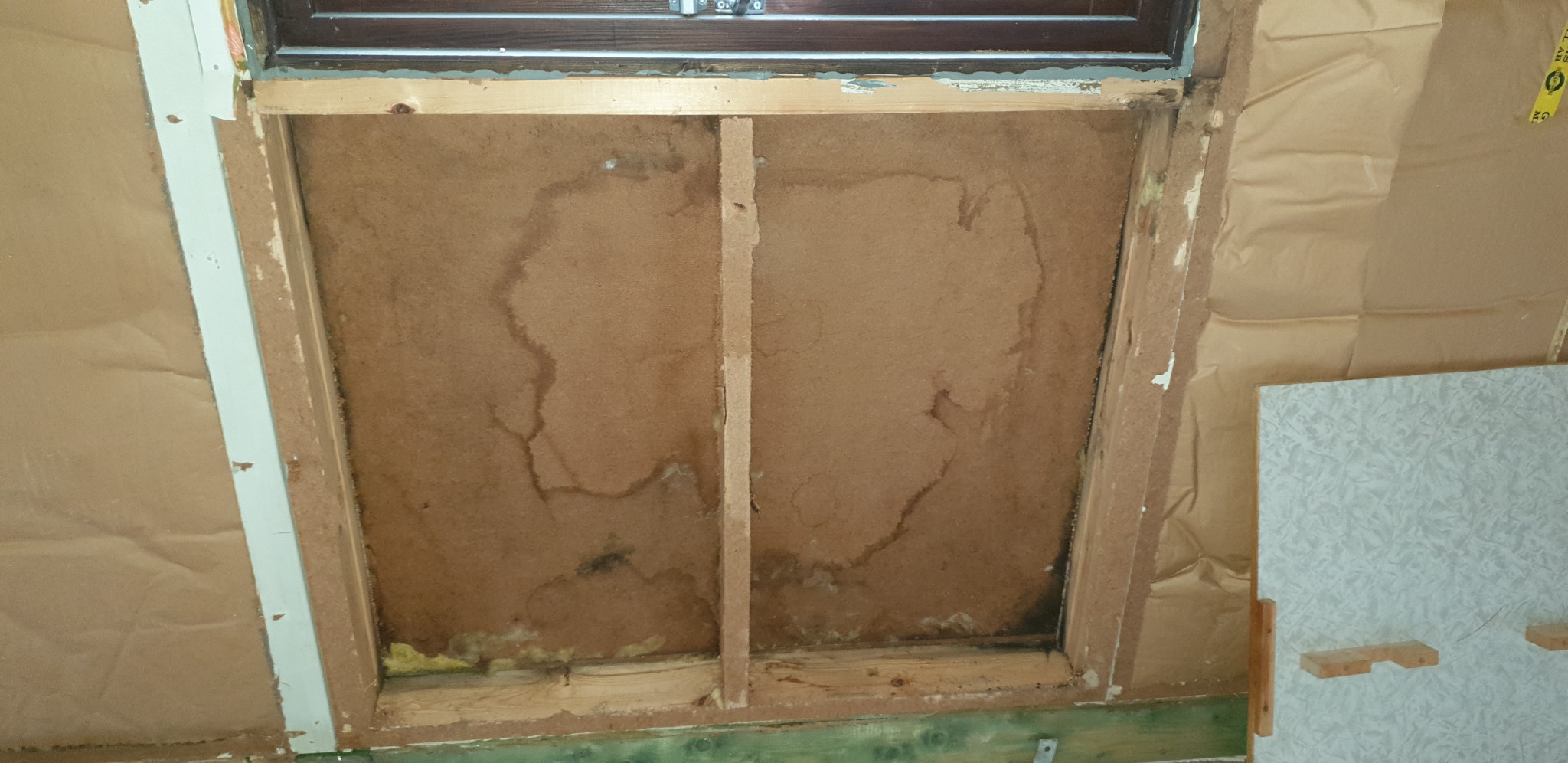
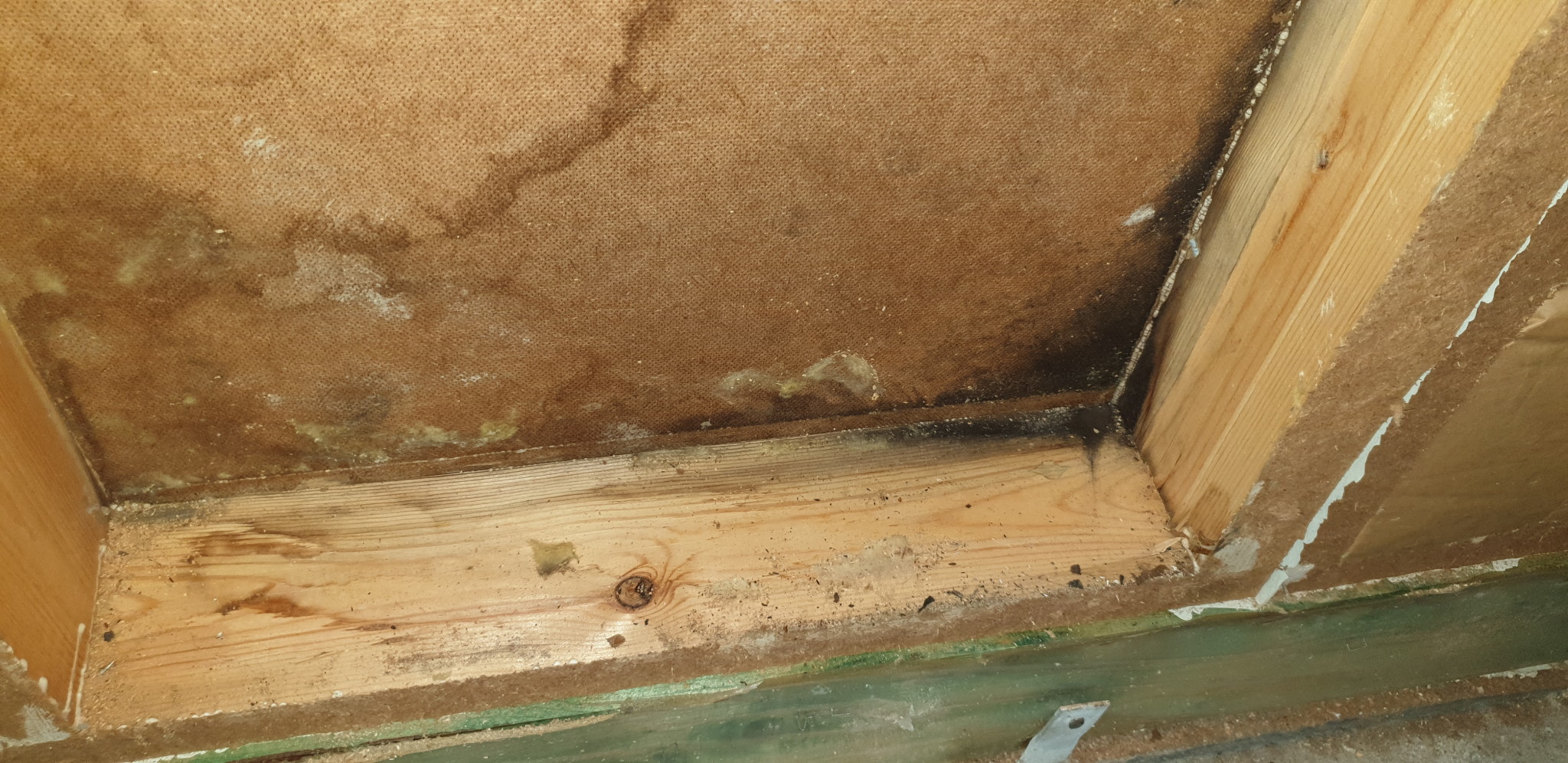
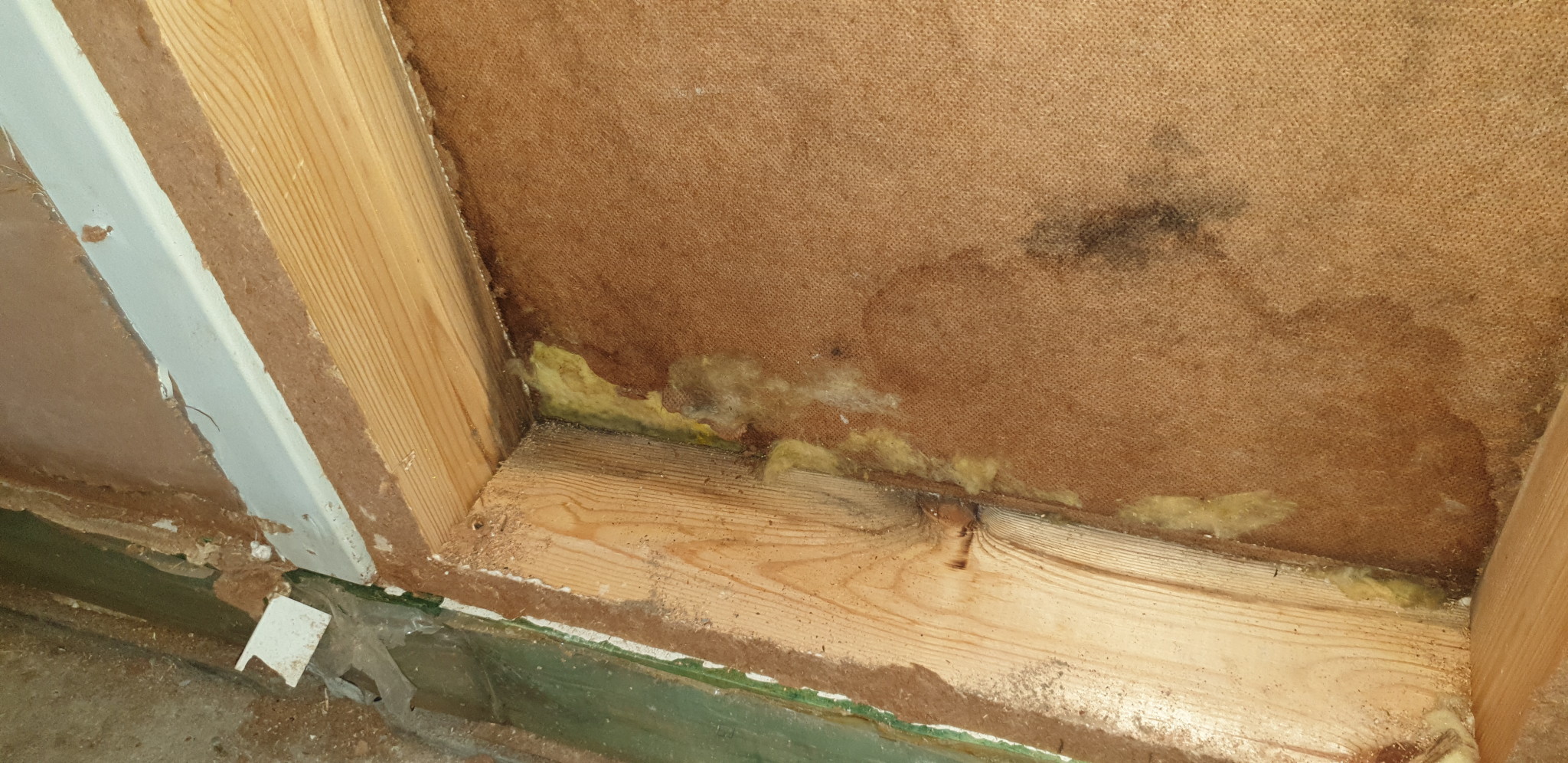
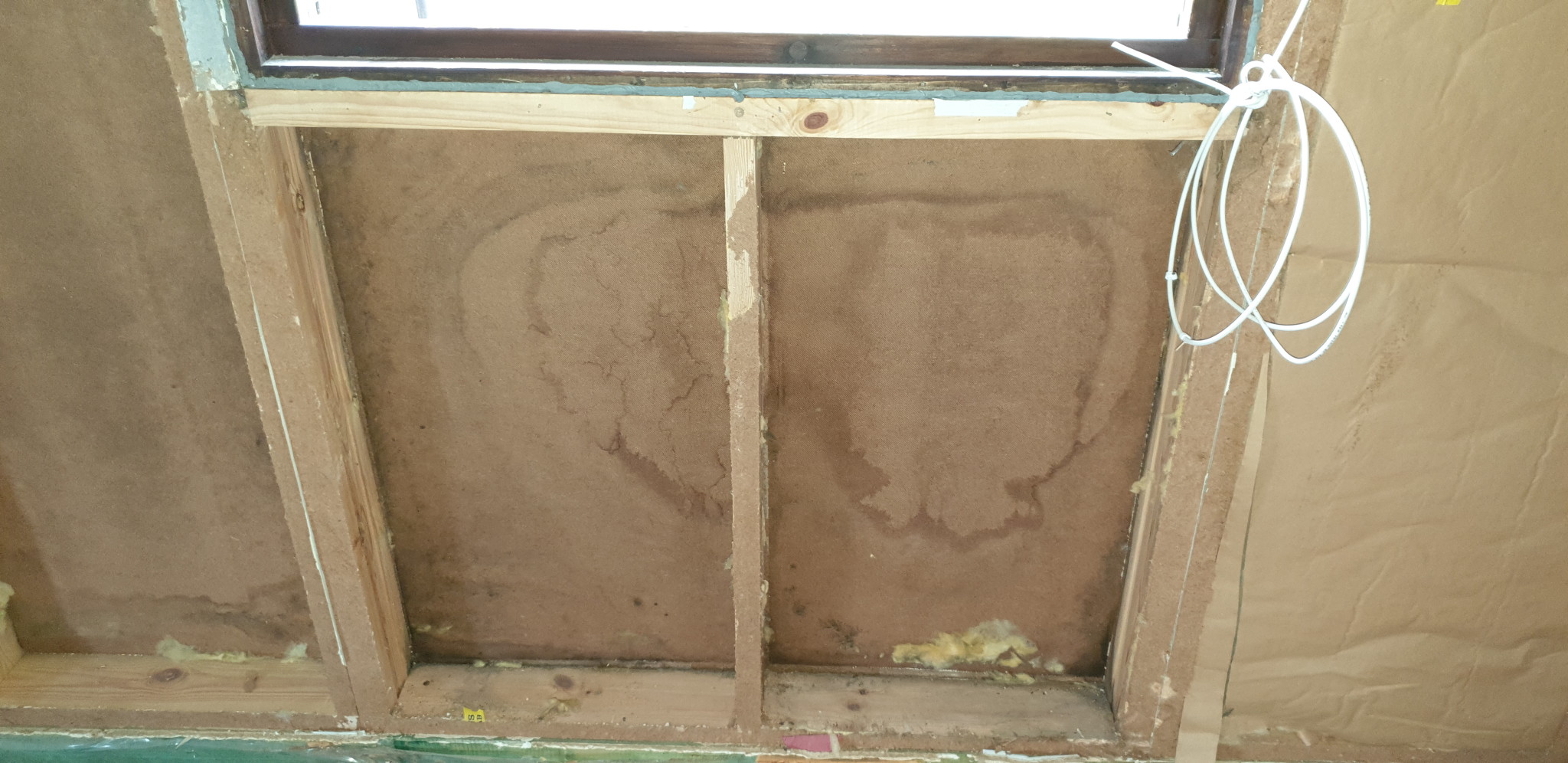
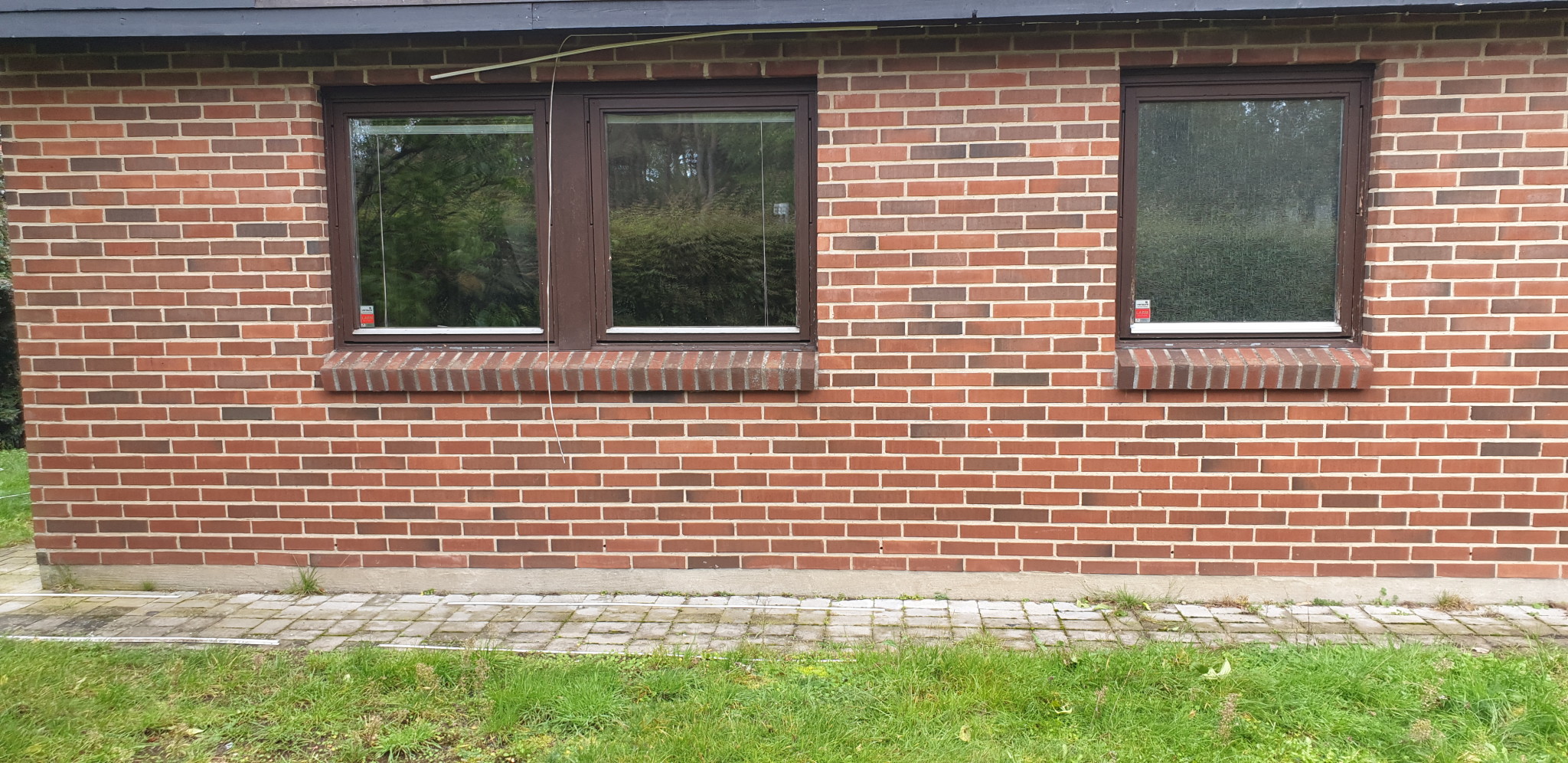
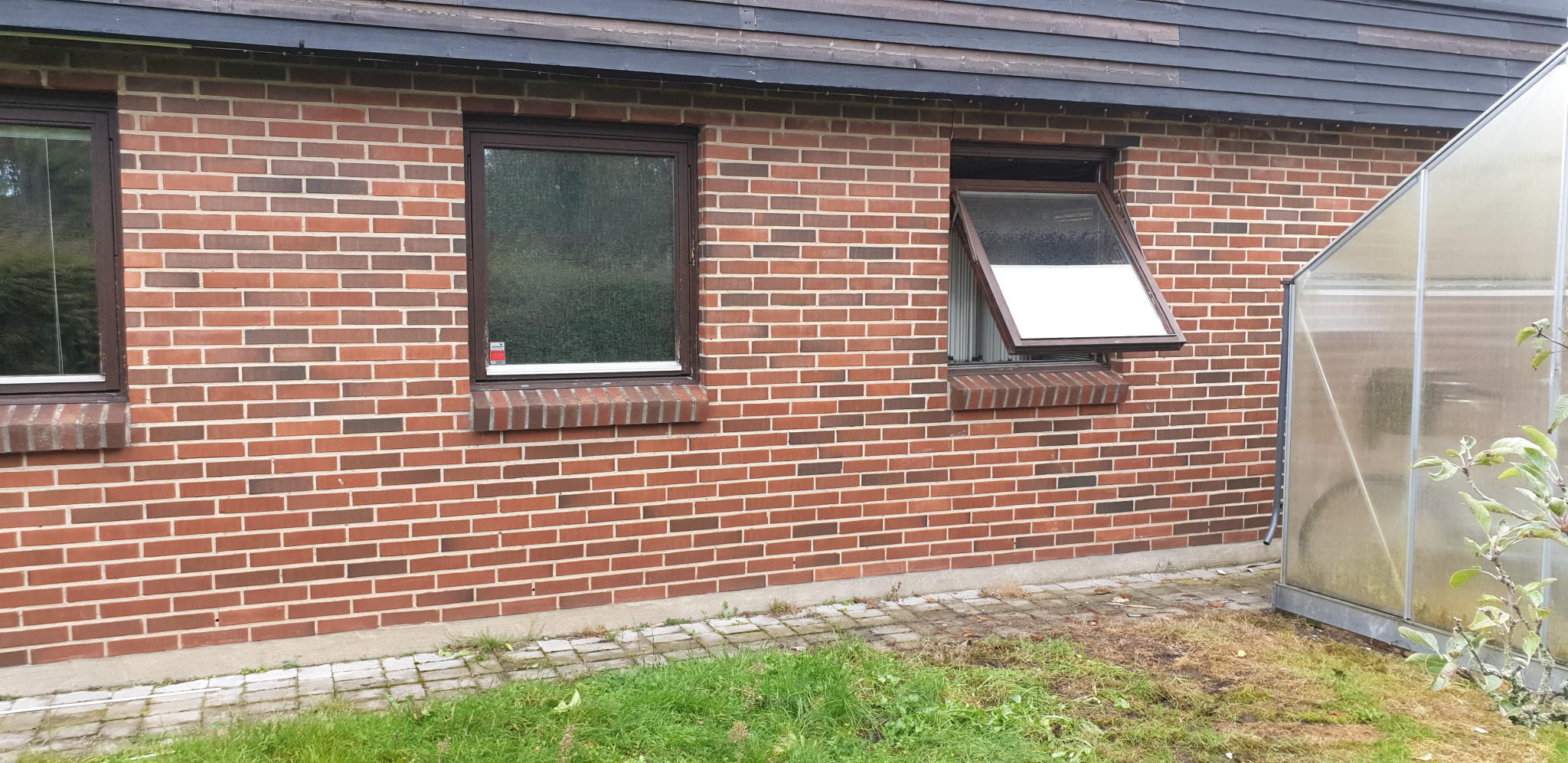

Sure looks like mold. Doesn't seem to be sealed on the outside of the window?D Diman said:Hello
Renovating the villa, (1968, single-story, brick facade) and will be installing new insulation and vapor barrier in the exterior walls.
Then I find stuff like this under the windows and down by the board that lies on top of the sill (don't know what it's called).
The black doesn't smell like mold, it has a slightly sour smell, but maybe I'm imagining it. When I poke it with a knife, the surface feels as hard as the fresh wood next to it, and when I scrape the black, I see fresh wood underneath.
The masonite is soft and brittle in areas where it has been pierced.
There seems to be a thin layer of insulation between the masonite and the brick outside, which I find strange.
On the facade outside, there are ventilation holes between the bricks in row 2, but I haven't been able to see a gap, can't reach it.
What do you experts see here, any problem? What should I do, I'm unsure?
There are going to be a lot of pictures
You're replacing the sill while you're at it, right?

Typical moisture damage that has led to mold. Where does the water come from?
Member
· Västra Götaland
· 3 646 posts
I don't think it looks too bad, the most important thing is to ensure that no more moisture is introduced. Otherwise, you just need to sand, brush with boracol, and then paint over to seal in the spores.
Are they original windows from the year the house was built? If they're "new" windows, you can hope that it was the old ones that leaked and caused the moisture intrusion. (Moisture stains on masonite/sheet materials last "forever" even if it stopped leaking 20 years ago and has been dry since then, unfortunately) If they are original and you plan to keep them, check the flashings thoroughly.
Are they original windows from the year the house was built? If they're "new" windows, you can hope that it was the old ones that leaked and caused the moisture intrusion. (Moisture stains on masonite/sheet materials last "forever" even if it stopped leaking 20 years ago and has been dry since then, unfortunately) If they are original and you plan to keep them, check the flashings thoroughly.

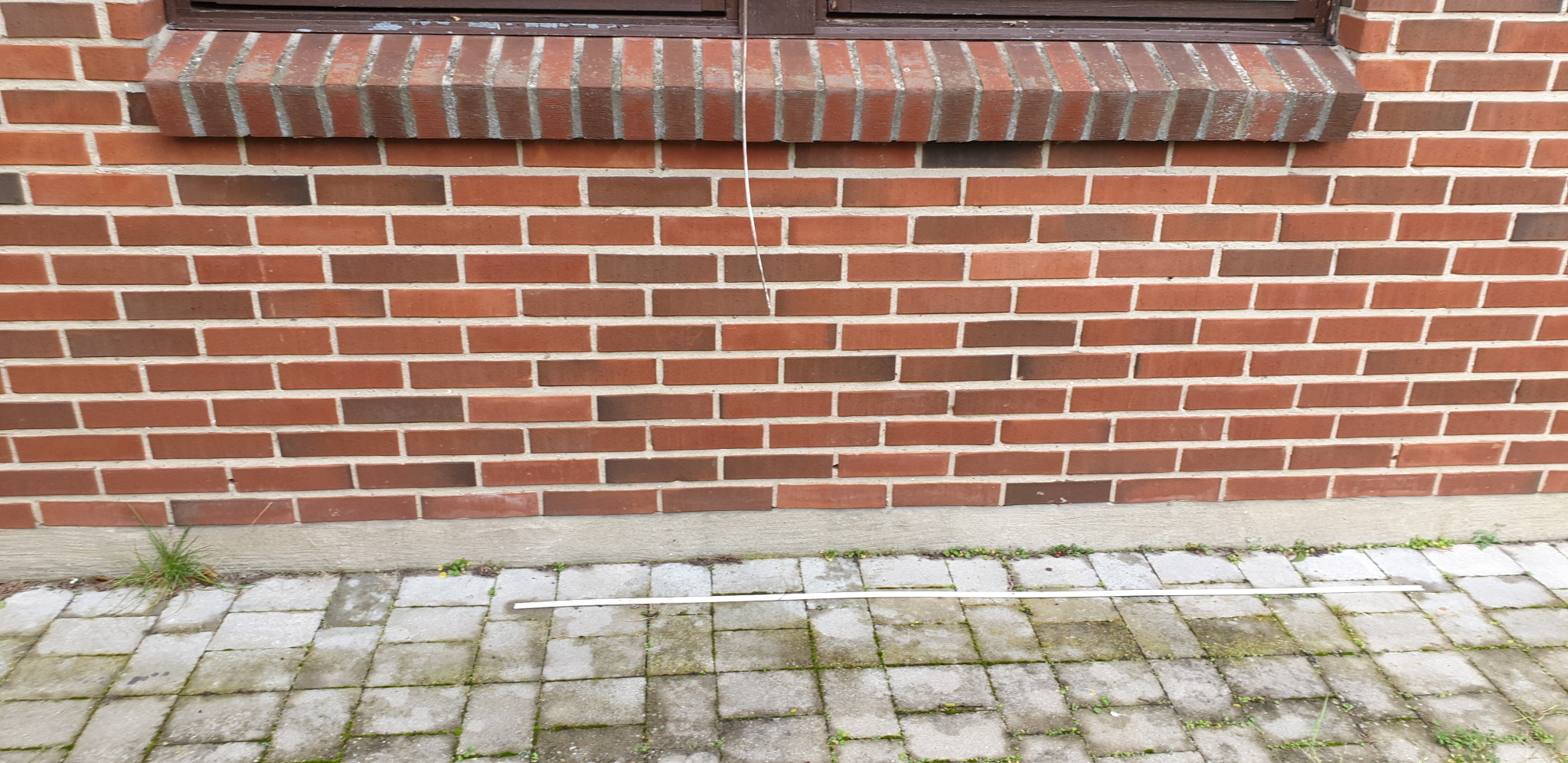
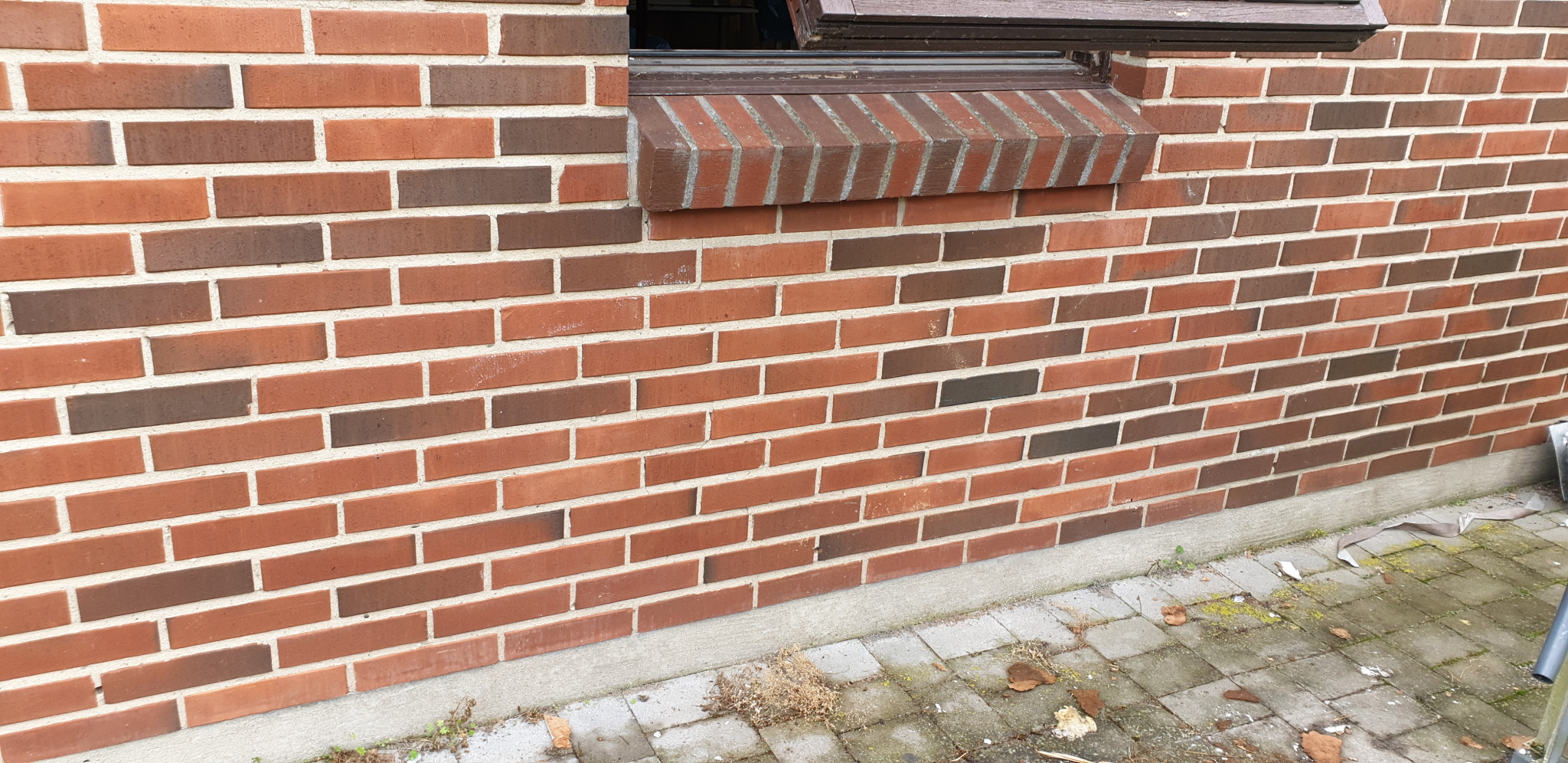
Could it be that the lack of windowsills that direct water away from the window is the culprit? As it is now, doesn't the water end up on the bricks in front of the window, and the moisture penetrates through the joints and into the wall?
Or am I completely off track?
Or am I completely off track?
Hi
Thanks for your replies!
The windows are old, and there are some gaps everywhere. I'm planning to replace them in the spring (can't afford all the repairs at once right now).
I think you're right; it has leaked in through/under the windows and caused this.
Could I, as you suggested, brush on boracol (where on earth can you get that now, I see it’s no longer sold to private individuals)
seal around the windows on the outside, and finish the inside.
Then in the spring, when I replace the windows and remove the old frame, I'll probably take down the brick facade just under the window sections and fix it then?
Thanks for your replies!
The windows are old, and there are some gaps everywhere. I'm planning to replace them in the spring (can't afford all the repairs at once right now).
I think you're right; it has leaked in through/under the windows and caused this.
Could I, as you suggested, brush on boracol (where on earth can you get that now, I see it’s no longer sold to private individuals)
seal around the windows on the outside, and finish the inside.
Then in the spring, when I replace the windows and remove the old frame, I'll probably take down the brick facade just under the window sections and fix it then?
Member
· Västernorrland
· 12 082 posts
Ignore boracol or such, it doesn't add anything. If it's dry now, it's dead anyway, and just a discoloration. If it gets wet again, it will mold again if the conditions are right. Mold spores are around us all the time........
Scrub the black mold with Klorin; if it's not dead before, it will die then.
The green sill is on cardboard and styrofoam (visible best in pictures 5-8) is wrapped in plastic and seems completely unaffected (as far as I can see from the inside), so I'm leaving that part.
If you mean the horizontal beam above the green sill, then maybe... I really don't know if it needs to be replaced.
I would love to hear advice in this forum.
If you mean the horizontal beam above the green sill, then maybe... I really don't know if it needs to be replaced.
I would love to hear advice in this forum.
The only thing one usually hears is that a pressure-treated sill can start to smell bad over time, but there are probably better experts than me who can answer that.D Diman said:The green sill is on paper and styrofoam (best seen in images 5-8), is wrapped in plastic, and seems completely unaffected (from what I can see from the inside), so I will leave that part as is.
If you mean the horizontal beam on top of the green sill, then maybe... I actually don't know if it needs to be replaced.
I would love to listen to advice on this forum.

Just like the other members write, it's indeed damp and possibly mold. If it also smells damp, you can trust your gut feeling. It looks like you have a problem with your windows lacking proper sills where moisture has seeped in through the joints. The whole construction around the windows feels more like they thought about design rather than function when they built it.