6,071 views ·
30 replies
6k views
30 replies
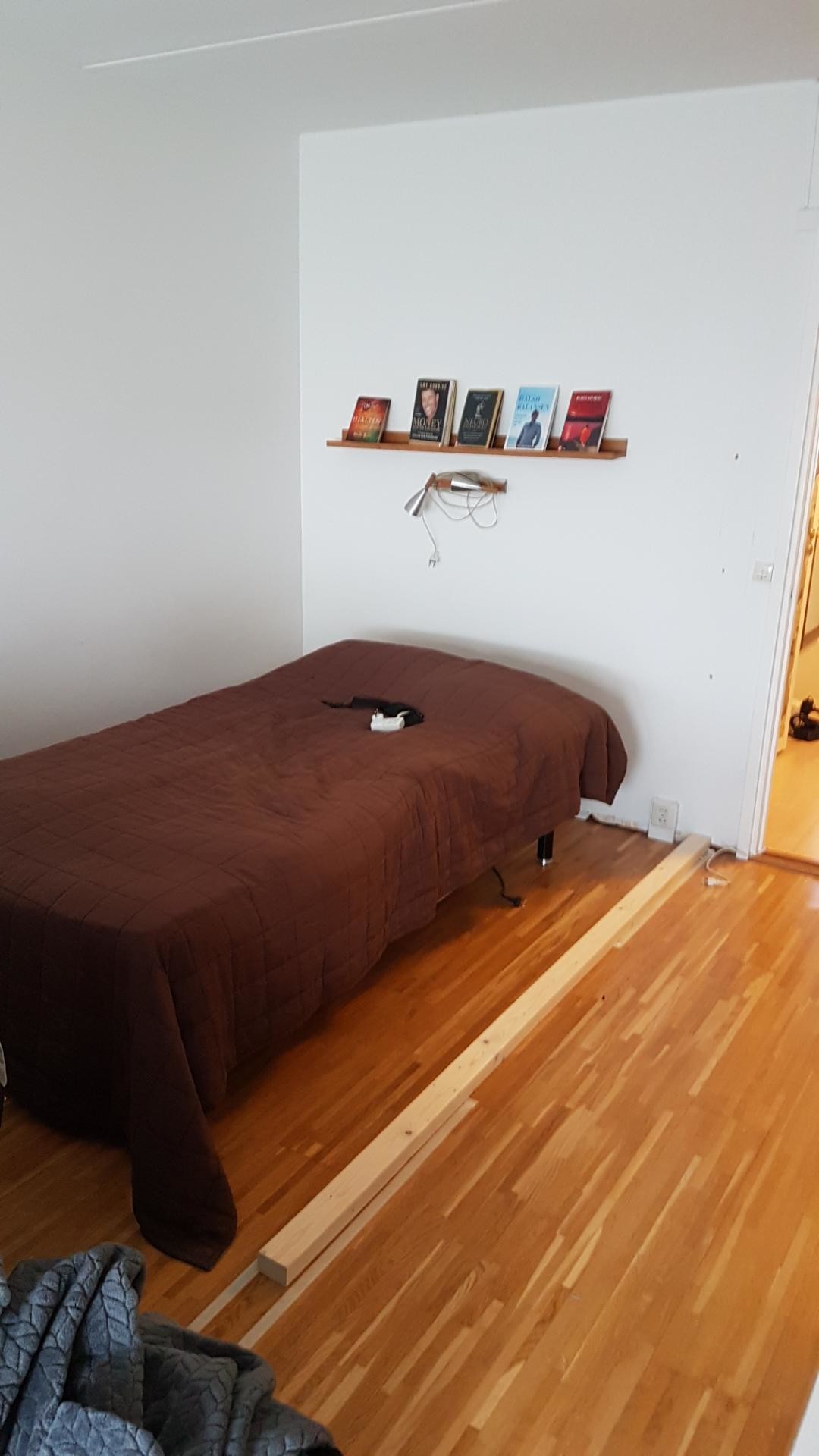
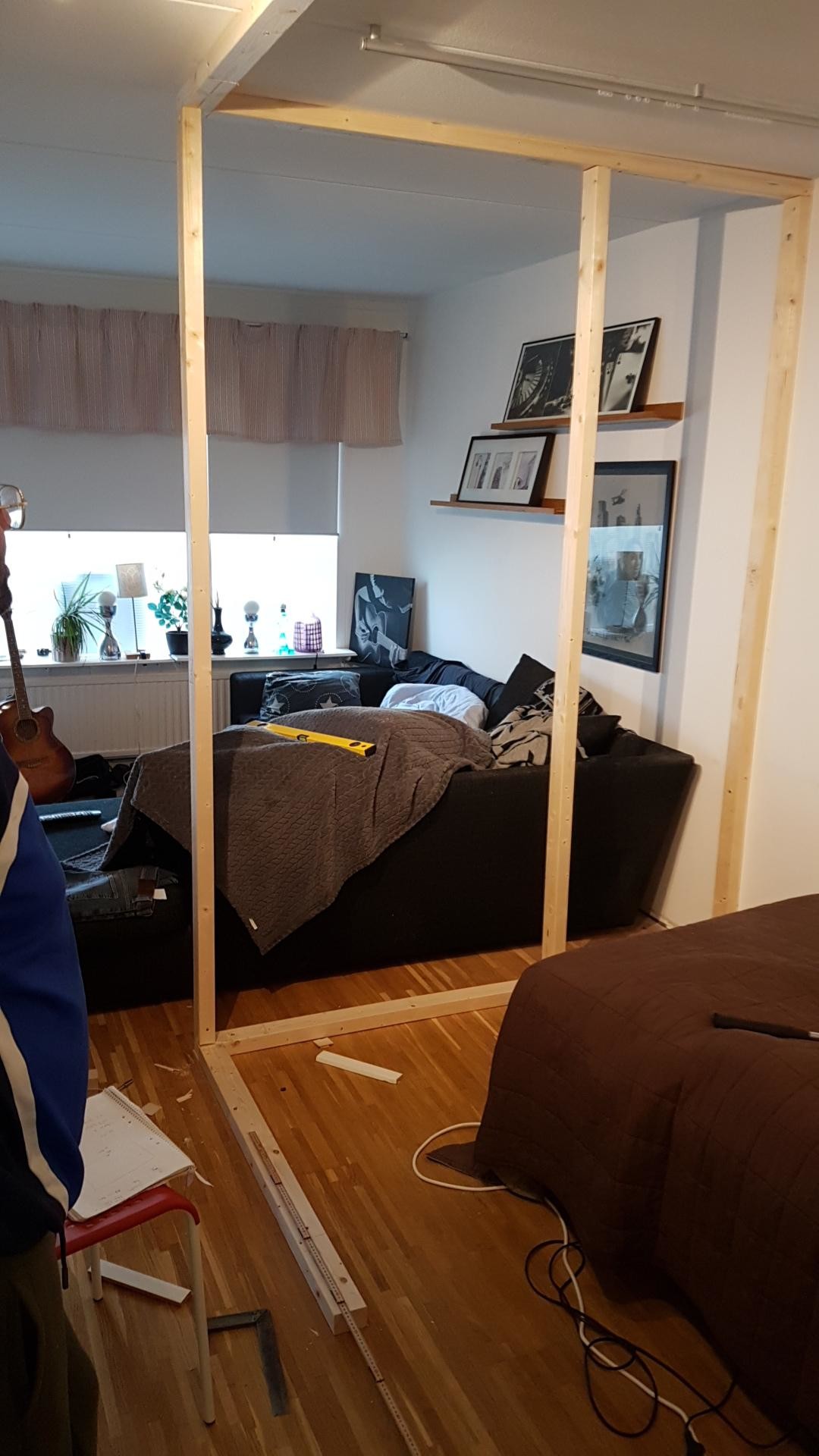
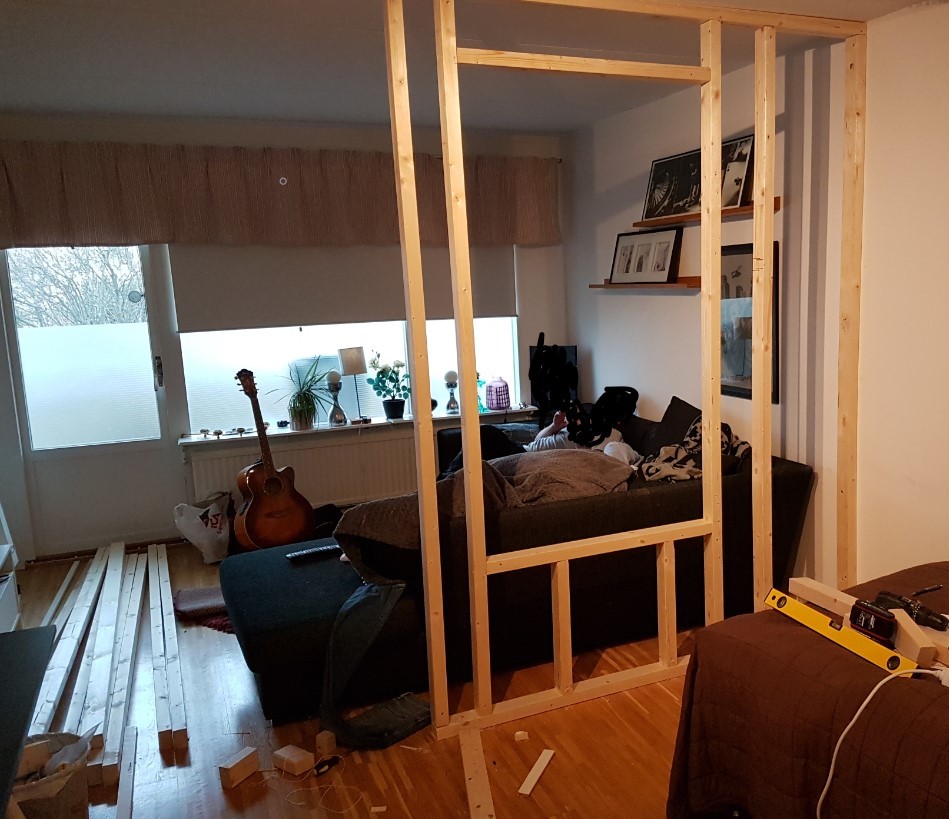
Beginner's question - will the wall hold ?
If you're going to hang something very heavy, it can be beneficial to have these (referred to as kortling in construction language) if it's not possible to screw directly into the studs. Otherwise, they don't contribute anything to stability.
Hi!Henkan Sundberg said:
No, I haven't ordered the window yet, but most likely it will be 4 mm with a small steel profile/frame around it. And I will have to attach that frame to the studs in some way. Alternatively, it will just be a 4mm glass pane without a frame, and in that case, I will need to place some soft material at the bottom edge of the glass (rubber strip/u-profile). Then I will set up the glass pane in the window opening and will need to put proper wooden strips around each window edge to hold it in place, on both the front and back sides. Do you have any good suggestions?
...and speaking of the window, it should be tempered glass if it's positioned less than 60 cm from the floor. In case you weren't already aware  .
.
The simplest solution is to order the window with a frame. Otherwise, you'll need to build one yourself, using, for example, planed pine with glass beads on both sides or a milled profile. The glass pane should rest on plastic spacers, and you should allow for a few millimeters of movement space on each side and upward so that the pane doesn't crack when the wall moves due to changes in humidity or other reasons.
And it will be quite exciting to lift such a pane if you're not used to it.
.The simplest solution is to order the window with a frame. Otherwise, you'll need to build one yourself, using, for example, planed pine with glass beads on both sides or a milled profile. The glass pane should rest on plastic spacers, and you should allow for a few millimeters of movement space on each side and upward so that the pane doesn't crack when the wall moves due to changes in humidity or other reasons.
And it will be quite exciting to lift such a pane if you're not used to it
.
Last edited:
Yep, it will be tempered glass =)mexitegel said:
Do you have any suggestions on how to mount the glass pane? I haven't quite figured out the best way yet, feels like I've come up with a "half-okay" solution. See my post above.
Thank you =) Haha, yes, there are many aspects that will be exciting in this project, but one has to learn sometime! =)...and speaking of the window, it should be tempered glass when it's lower than 60 cm from the floor. If you didn't already know that
The easiest way is to order the window with a frame. Otherwise, you need to build one yourself with, for example, planed pine with glass strips on both sides or a milled profile. The glass pane should rest on plastic spacers, and you should have a few millimeters of movement space on each side and upwards so that the pane doesn't crack when the wall moves due to changes in humidity or other reasons.
And it will be quite exciting to lift such a pane if you're not used to it
Are you dismissing my idea of using, for example, maybe 4-8 glass clamp fittings around the glass pane? And then "hide" these behind a nice trim.
See link
You would be wise to consult with the glassmaker about the installation. Personally, I think it might look a bit odd with such brackets.
I would have considered getting 21x118 planed pine that I routed a rebate into to inset the pane and then be able to nail an 8x21 outside as a glass stop.
Even if you are extremely precise when you set the studs, you need to be able to adjust a custom-made frame with millimeter precision in width and height measurements and cross-measure so it isn't skewed.
I would have considered getting 21x118 planed pine that I routed a rebate into to inset the pane and then be able to nail an 8x21 outside as a glass stop.
Even if you are extremely precise when you set the studs, you need to be able to adjust a custom-made frame with millimeter precision in width and height measurements and cross-measure so it isn't skewed.
If you want a stable wall, use an osb behind the plasterboard and the whole wall will be stable. A rule here and there doesn't add anything.A andersanders123 said:Ah thanks! Good answer!
Regarding the horizontal rules/crosspieces, I had read that they create a more stable wall, which is why I included them in the sketch. Wouldn't it make for a more stable wall?
Absolutely, I will upload some pictures once it's done =) Great help from this forum when you're a beginner!!!
You only use such brackets when the entire glass should be visible. Do as previously suggested. Buy a window with a frame or clamp a loose glass pane from both sides with nice trims. Maybe you can even search online for a film or animation on how to build a wall and install a window.A andersanders123 said:
Thanks guys =)
I'm also looking at plasterboard and a more precise placement of the window. There is, of course, a risk of having a narrower joint piece of the plasterboard; what's the narrowest you can go? Can you go as narrow as 5-6 cm?
I'm also looking at plasterboard and a more precise placement of the window. There is, of course, a risk of having a narrower joint piece of the plasterboard; what's the narrowest you can go? Can you go as narrow as 5-6 cm?
There's no problem with 5-6 cm. Another tip is to screw up the drywall first and then cut out for the window once the drywall is in place, so you don't have to spend time measuring on the drywall before putting it up. Do you get what I mean?A andersanders123 said:
Henkans tips are good. Additionally, you can decide the measurement of the wall so there are no joint pieces perhaps.....you can use a 1200 and a 900 mm board if it fits your measurements. And then remove the excess. Avoid joints that are not recessed so it will be easier for you. And then post a picture of the project 😊

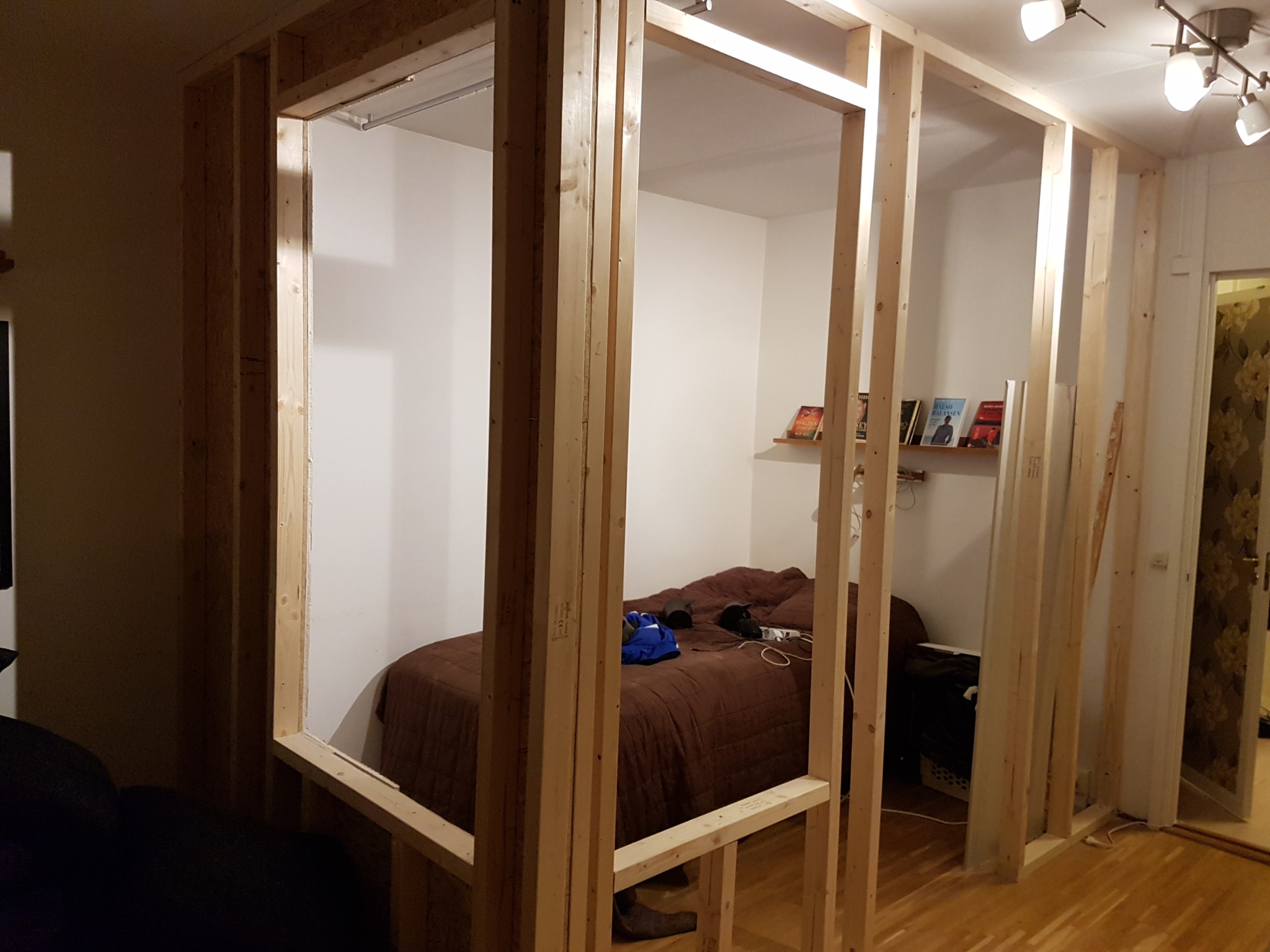
Running a little update here on the project, thanks for all the help and tips!
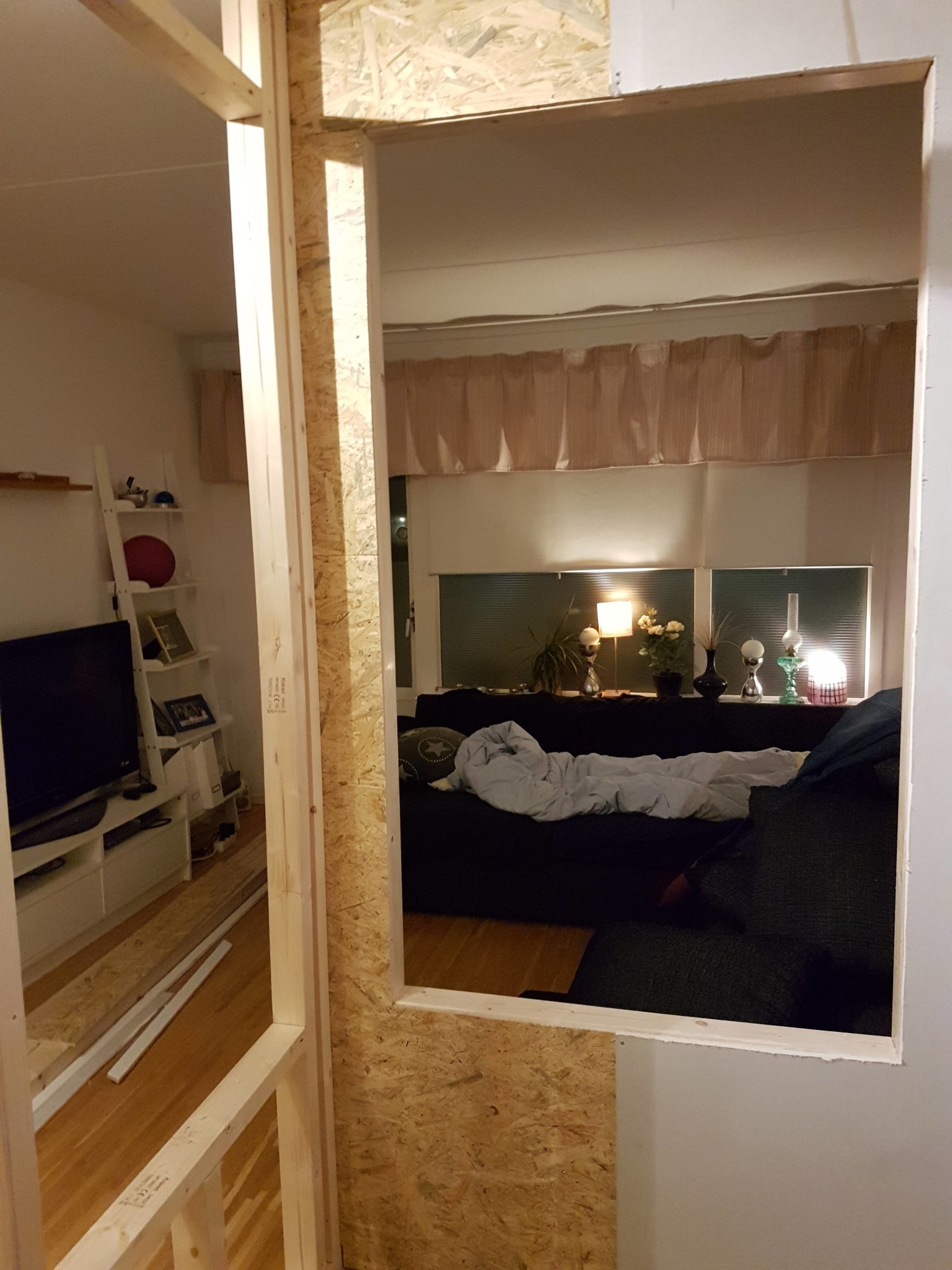
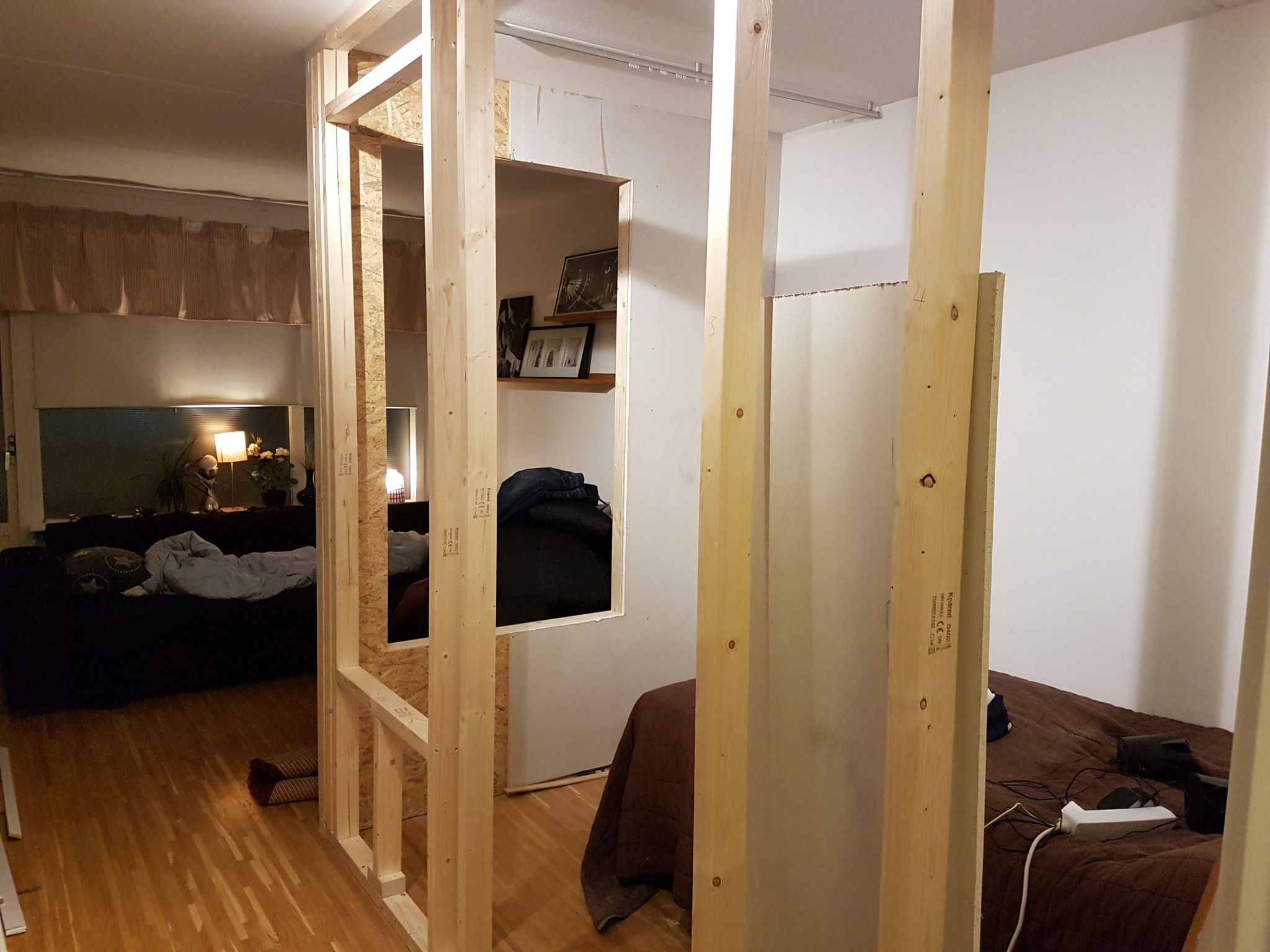
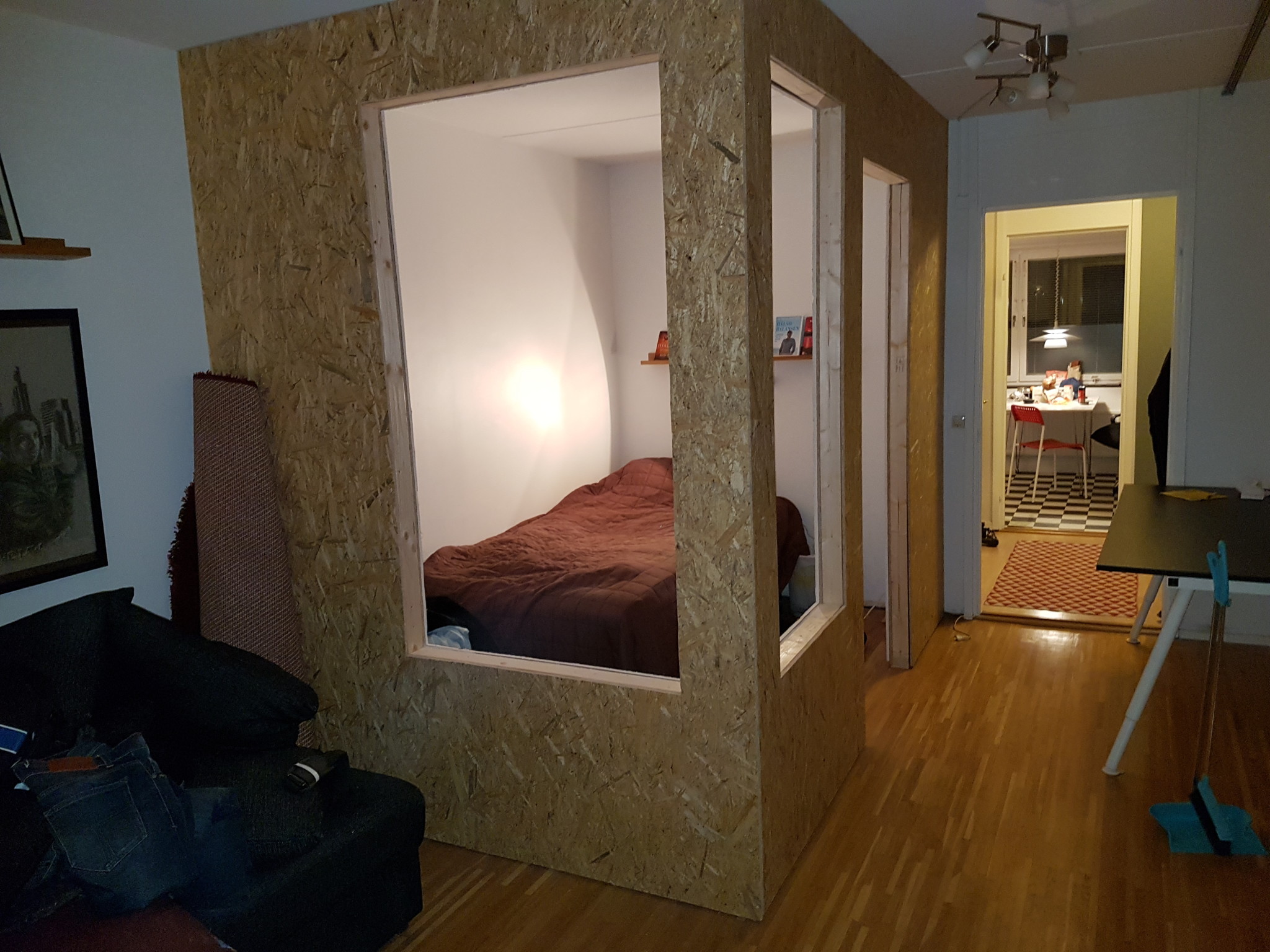
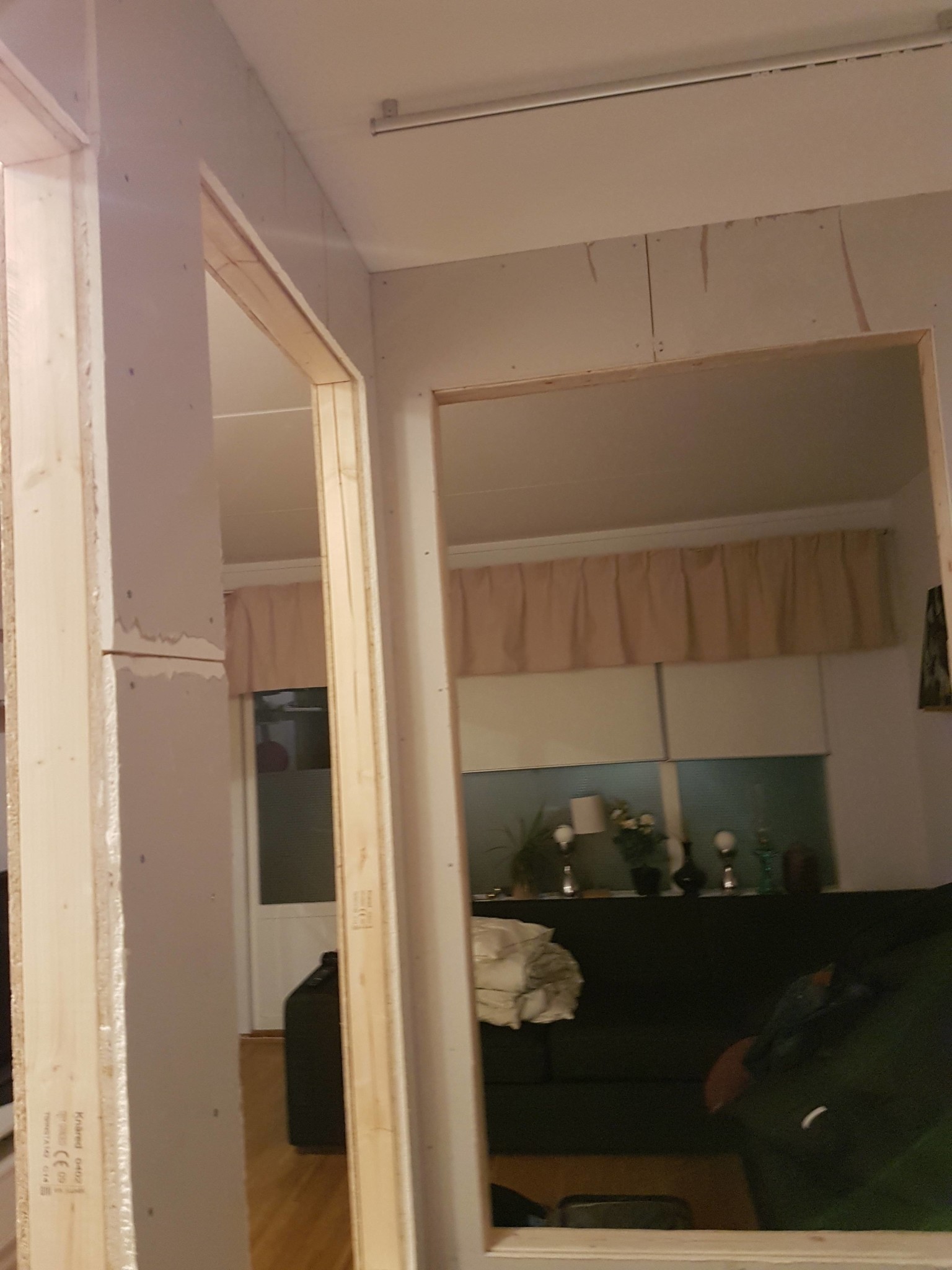
Used 45x70 studs attached with nail plugs. Glued the base plate. As you can see, there are also two proper windows that will be installed, coming this week. Used 11 mm OSB boards and then 13 mm drywall.
Next, it will be puttying, painting, and running some electricity. Also, adding trim and muntins on the windows, then it's done!
Does anyone here know how long it might take to putty all the drywall seams, screw holes, etc.? I'm thinking of hiring a professional painter to do it because I want a nice finish so it feels perfect.
Used 45x70 studs attached with nail plugs. Glued the base plate. As you can see, there are also two proper windows that will be installed, coming this week. Used 11 mm OSB boards and then 13 mm drywall.
Next, it will be puttying, painting, and running some electricity. Also, adding trim and muntins on the windows, then it's done!
Does anyone here know how long it might take to putty all the drywall seams, screw holes, etc.? I'm thinking of hiring a professional painter to do it because I want a nice finish so it feels perfect.