
6,071 views ·
30 replies
6k views
30 replies
Beginner's question - will the wall hold ?
Hello,
I am going to build an interior wall and will start next weekend.
The wall is a non-load-bearing wall with wooden studs. 2.5 meters high and 1.85 meters wide.
In this wall, there will be a large glass window that takes up half of the wall (1.2m wide x 2 meters high). This window weighs about 25 kg.
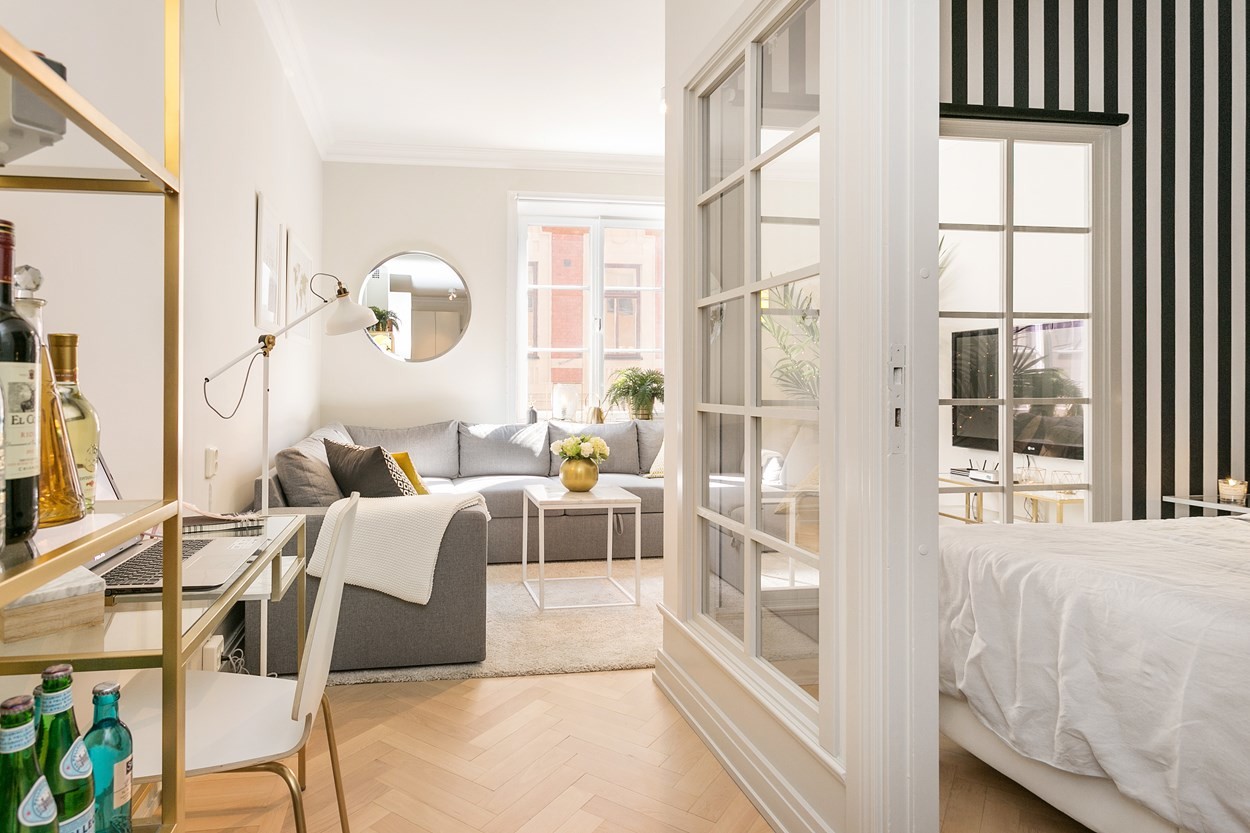
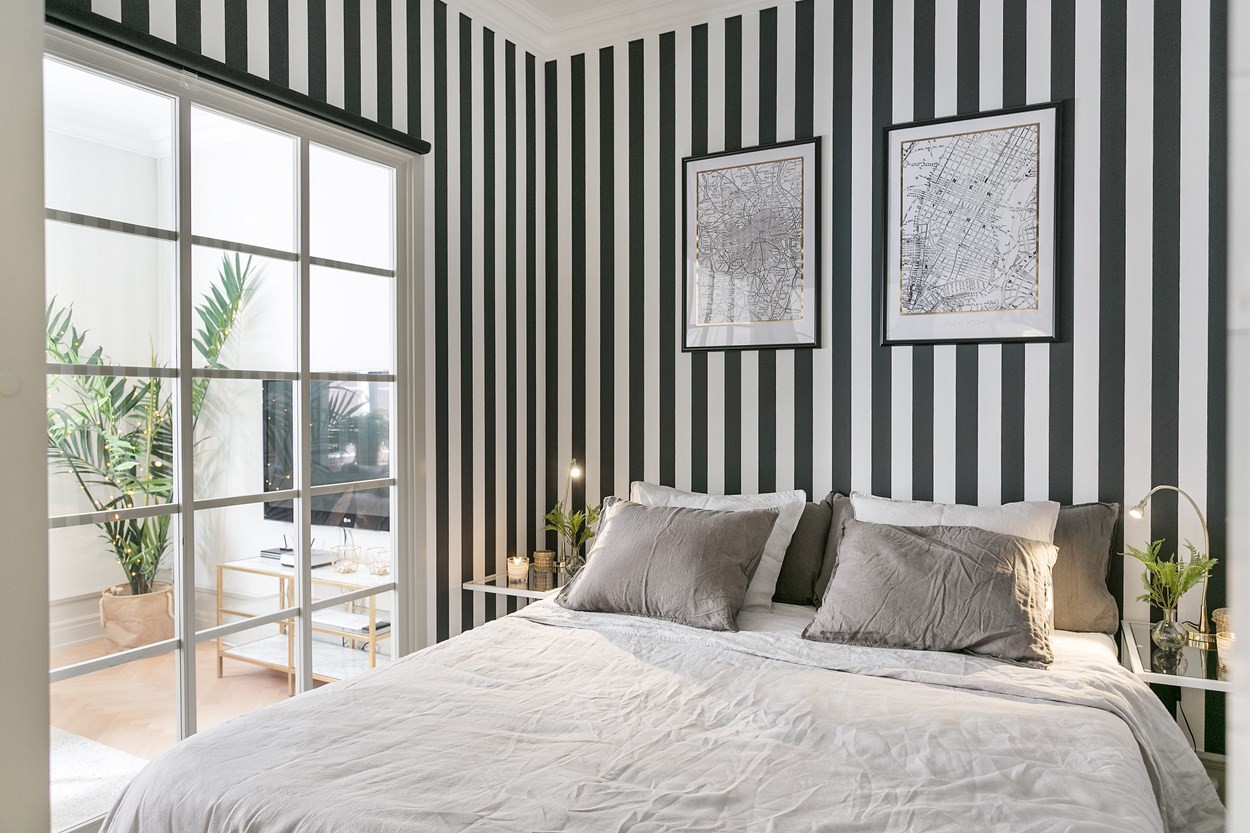
For you to understand, I'm showing an inspiration image of how the finished result should look.
How do I make the wall as stable as possible since there will be 25-30 kg of glass?
Beginner questions:
a) Do I need larger studs like at least 45x90mm?
b) Is it recommended to make the wall as stable as possible, for example, by using OSB boards under the plasterboard? If it even helps, it's not where the glass will be.
Good to know is that the wall will end in the middle of the room (and thus not wall-to-wall), making it less stable?
See the images below.
Thanks, friends! =)
I am going to build an interior wall and will start next weekend.
The wall is a non-load-bearing wall with wooden studs. 2.5 meters high and 1.85 meters wide.
In this wall, there will be a large glass window that takes up half of the wall (1.2m wide x 2 meters high). This window weighs about 25 kg.
For you to understand, I'm showing an inspiration image of how the finished result should look.
How do I make the wall as stable as possible since there will be 25-30 kg of glass?
Beginner questions:
a) Do I need larger studs like at least 45x90mm?
b) Is it recommended to make the wall as stable as possible, for example, by using OSB boards under the plasterboard? If it even helps, it's not where the glass will be.
Good to know is that the wall will end in the middle of the room (and thus not wall-to-wall), making it less stable?
See the images below.
Thanks, friends! =)
The strength of the wall lies in it extending from floor to ceiling where it is secured. Not in it extending from wall to wall. Whether you should use OSB or similar behind the drywall depends on what you want to mount/hang on the drywall. For the strength of the wall, single drywall on both sides of the stud works perfectly well. Regarding the dimensions of the studs, I would say it depends on the window frame's dimensions, as you want the frame and the wall to be equally thick to avoid a lot of protrusions/indentations. If the wall is not too high, even 45*45 studs might be sufficient to handle the wall's load-bearing capacity. But perhaps you could present a simple sketch of how you want the wall to look (with measurements), making it easier to provide advice and tips.
Thank you! =) I'll get back with a sketch!R roli said:The strength of the wall lies in it extending from floor to ceiling where it is secured, not from wall to wall. Whether you should use OSB or something equivalent behind the drywall depends on what you want to mount/hang on the drywall. For the strength of the wall, single drywall on both sides of the stud works perfectly well. Regarding the dimensions of the studs, I would say it depends on the window frame's dimension, as you want the frame and wall to be of equal thickness to avoid a lot of insets/outsets. If the wall is not too high, even 45*45 studs might be sufficient to support the wall's load-bearing capacity. But you can present a simple sketch of how you want the wall to look (with measurements) to make it easier to give advice and tips.
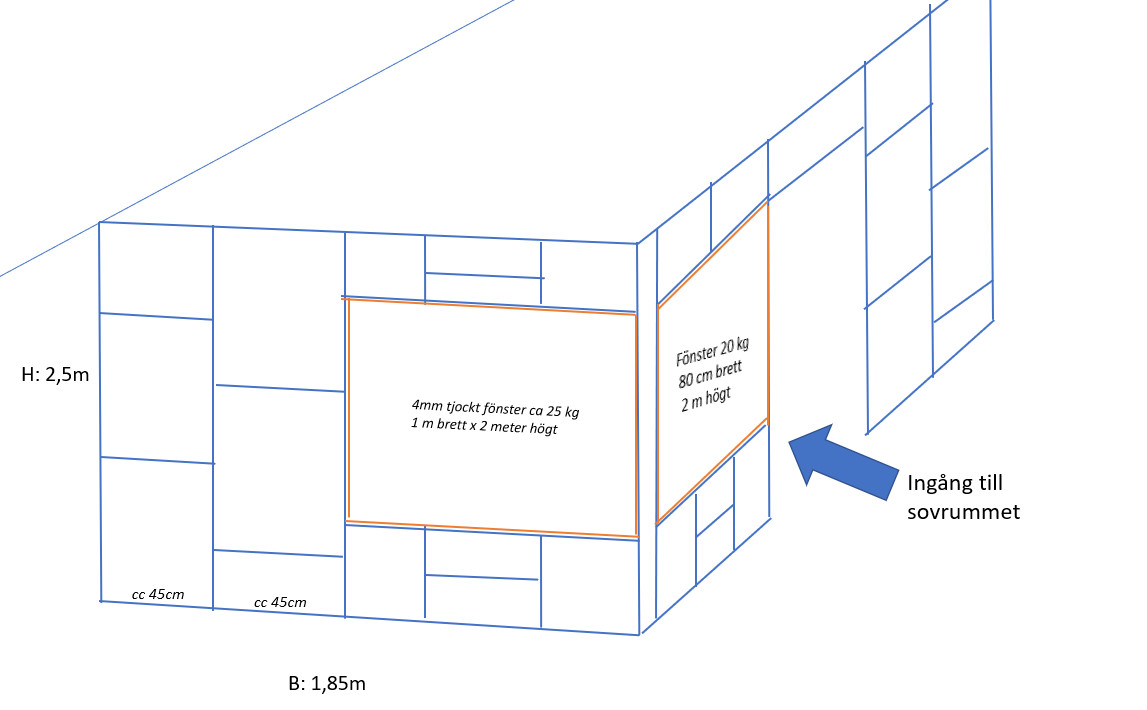


I don't quite agree here. Standing studs take on their own load completely, but the stud beneath the window gets some help from the drywall on the sides. Especially under the middle of the window's widthAnna_H said:

Hi,mexitegel said:
Yes, I was thinking of using 900 plasterboard, but it was just a more random choice. I've googled and searched a bit but haven't found what the "standard" is. Everyone seems to say "go with 900 or 1200 mm plasterboard," so it didn't feel that important which one it is.
What makes you recommend 1200-plasterboard/cc60?
Is it the same regarding the measurement of the studs then?
Is 45x70 standard for this?
Or 45x90?
Or does it "not matter"?
I chose 45x90 just to have a bit more load-bearing capacity.
Is 45x70 standard for this?
Or 45x90?
Or does it "not matter"?
I chose 45x90 just to have a bit more load-bearing capacity.
45x70 can be considered standard in most catalog houses, but if you want better sound insulation, go up to 45x90 or more. In your case, since you have single-pane windows (I assume based on the weight), a higher class of wall sound insulation won't add anything.
900-boards are easier to handle, but the downside is that you need to use more studs and you have more seams to plaster. Otherwise, no difference.
I also see on your sketch now that it looks like you've drawn in horizontal studs in each section; these add nothing. You only need these around, for example, door and window openings.
Good luck with the build and don't forget to update the thread with pictures of the build and the result
900-boards are easier to handle, but the downside is that you need to use more studs and you have more seams to plaster. Otherwise, no difference.
I also see on your sketch now that it looks like you've drawn in horizontal studs in each section; these add nothing. You only need these around, for example, door and window openings.
Good luck with the build and don't forget to update the thread with pictures of the build and the result

Adjust the studs according to the frame width of the window that someone mentioned earlier. Have you ordered the window yet so you know how deep it will be?
Personally, I always use cc450, but that's just because I find it easier to handle boards that are 900 mm than 1200 mm.
Personally, I always use cc450, but that's just because I find it easier to handle boards that are 900 mm than 1200 mm.
Last edited:
45x70 can be considered standard in most catalog houses, but if you want better sound insulation, you go up to 45x90 or more. In your case, you have single-glazed windows (I assume based on the weight) so a higher class of wall sound insulation adds nothing.
900-boards are easier to handle, but the downside is that you need to frame more and that you get more seams to plaster. Otherwise, no difference.
I see on your sketch now also that it looks like you've drawn in horizontal studs in each compartment, these add nothing. You only need this at, for example, door and window openings.
Good luck with the construction and don't forget to update the thread with pictures of the build and the result
Ah thanks! Great answer!
Regarding those horizontal studs/blocking, I had read that it creates a more stable wall and therefore I included them in the sketch. Shouldn't it provide a more stable wall?
Absolutely, I'll upload some pictures when it's done =) Great help from this forum when you're a beginner!!!